
*Disclosure: Some of the links below are affiliate links, meaning, if you click through to make a purchase, I earn a small commission – at no extra cost to you!*
Machu Picchu is that mystical place that you constantly hear about and probably the first thing on your bucket list when you consider visiting Peru. This makes absolut sense since we are talking about what was considered one out of 7 wonders of the world. from its history to the nature and landscape that surrounds it, Machu Picchu is a stunning place that truly deserves to be visited, however reaching this landmark can feel a bit overwhelming. This guide covers the essentials: why it matters, how it was rediscovered, and specially how to guarantee a smooth visit.
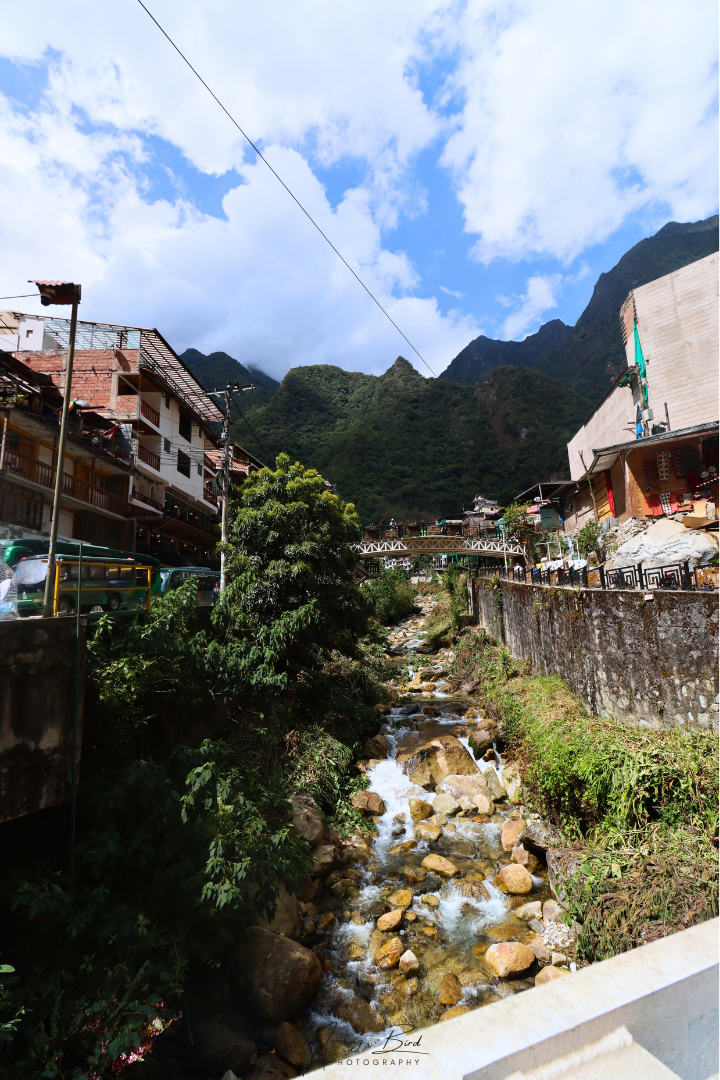
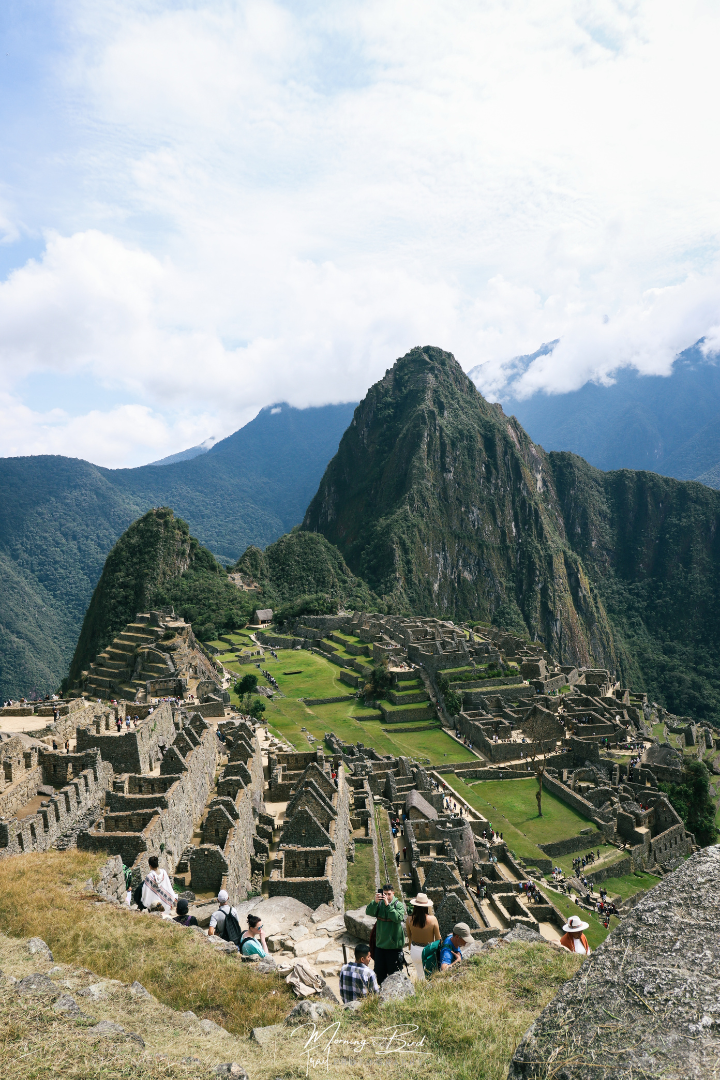
Overview
- History of Machu Picchu
- Getting there
- Tickets
- Picking your Machu Picchu route
- When to visit
- What to pack
History of Machu Picchu
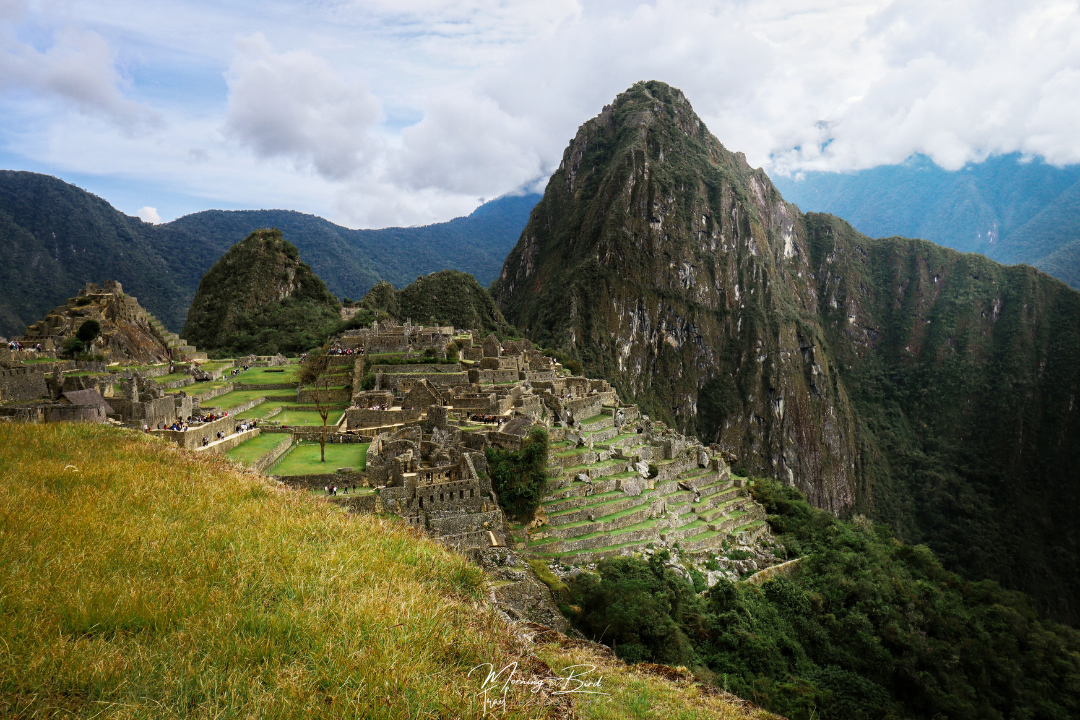
Machu Picchu was built in the mid-15th century during the reign of the Inca emperor Pachacuti. Archaeological evidence suggests it functioned as a royal estate and ceremonial center rather than a large urban settlement – prime real estate, if you ask me. The site was abandoned around the time of the Spanish conquest, though the Spaniards never found it—one reason it remains so well preserved today.
After this abandonment, the palace was left to fight the nature, and as this ultimately won, it was hidden, buried in the magnific high-altitude jungle, until the 20th century. In 1911, American historian and explorer Hiram Bingham brought Machu Picchu to international attention while searching for the last Inca stronghold. Although local communities already knew of the ruins, Bingham’s work introduced the site to the global academic and public sphere. Years passed and in 1983 the site was awarded the UNESCO World Heritage Site followed by the status of Seven Wonders of the World in 2007.
These designations recognize Machu Picchu’s cultural, historical, and architectural importance—and also underline the need for strict conservation.
Getting there
Cusco to Aguas Calientes
There’s no road to Machu Picchu, which is part of its magic—and part of the planning challenge.
By far, the most efficient route you can take, especially if you are short on time, is to catch the train from Cusco or Ollamtaytambo to Aguas Calientes (when I was the train what not running from Cusco to Ollamtaytambo, but the train companies – Inca Rail and Peru Rail – had transfer vans to transport you). These are somewhat pricier trains, but they’ll take you to Aguas Calientes in 1h30 to 4h.
What personally i found more cost effective was to take a day tour from Cusco to Ollamtaytambo, that dropped me in Ollamtaytambo at the end of the day. The daytrip I mentioned also guaranteed that you could still catch a train to Aguas Calientes on the same afternoon (from 16h or 17h onwards). After getting to Ollamtaytambo, you can easily catch the train from Ollamtaytambo to Aguas Calientes. You can read about my experience with this day trip in this blogpost. Even though this tour allows you to get to Aguas Calientes in the same day, I really enjoyed to stay overnight in Ollamtaytambo and enjoy the town after the crowds left.
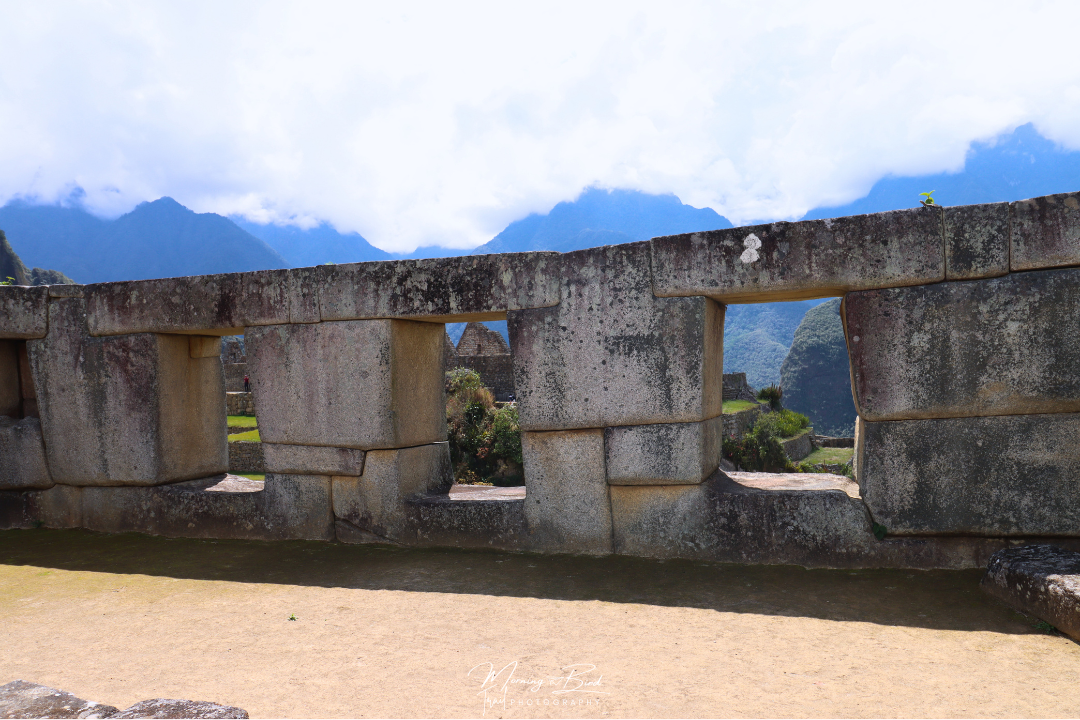
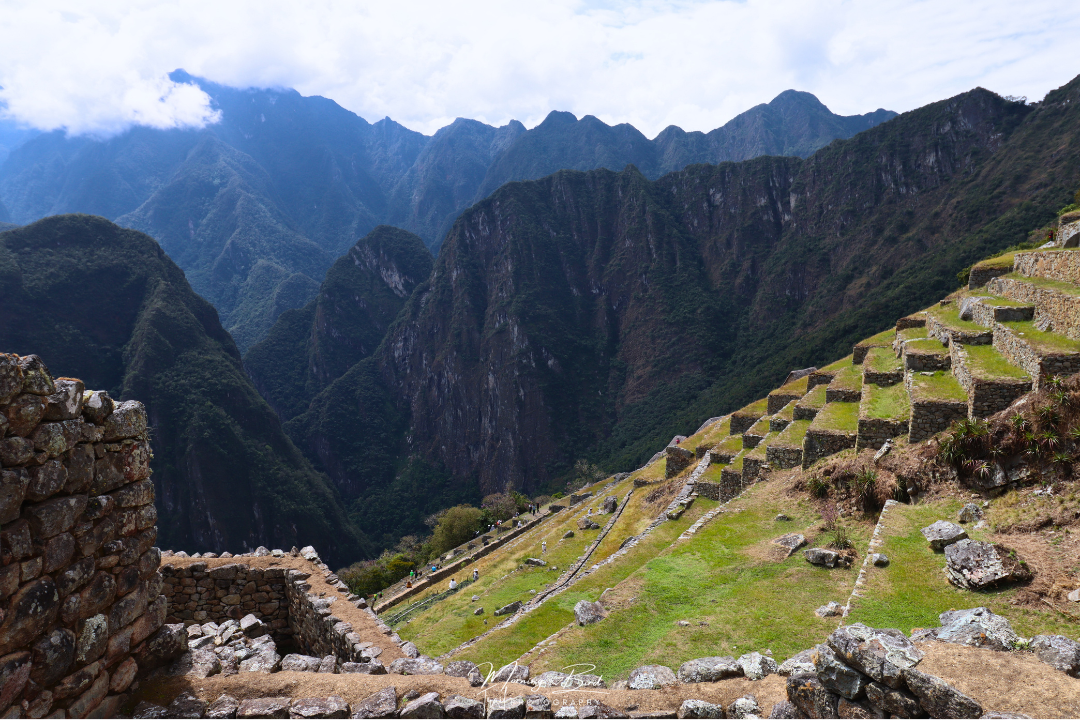
Another option is to go on a multi-day trek through the Peruvian wilderness, which I’m sure comes with incredible experiences as well. However, because this was not the option I took, I have less details to give you. However, I’ll leave here the most common treks people tend to do with some optional organized tours that you can take:
- The inca trail – this is the most famous and frequented trail that can take you to Machu Picchu, its the classic rout and there are a limited number of permits to walk on it.
- The Salkantay trek -Less famous than the inca trail, and thus less people scattered on the landscape. This trek goes through higher altitude paths and is surrounded by magical and dramatic landscapes.
- Other treks – There are a few other treks that people take such as the Lares Trek and the Jungle trek.
As you may imagine, these treks are a much bigger time commitment in comparison to the train/van alternative, since they take 4 or 5 days to complete. Because of this, you need to plan you time in the region accordingly.
Aguas Calientes to Machu Picchu
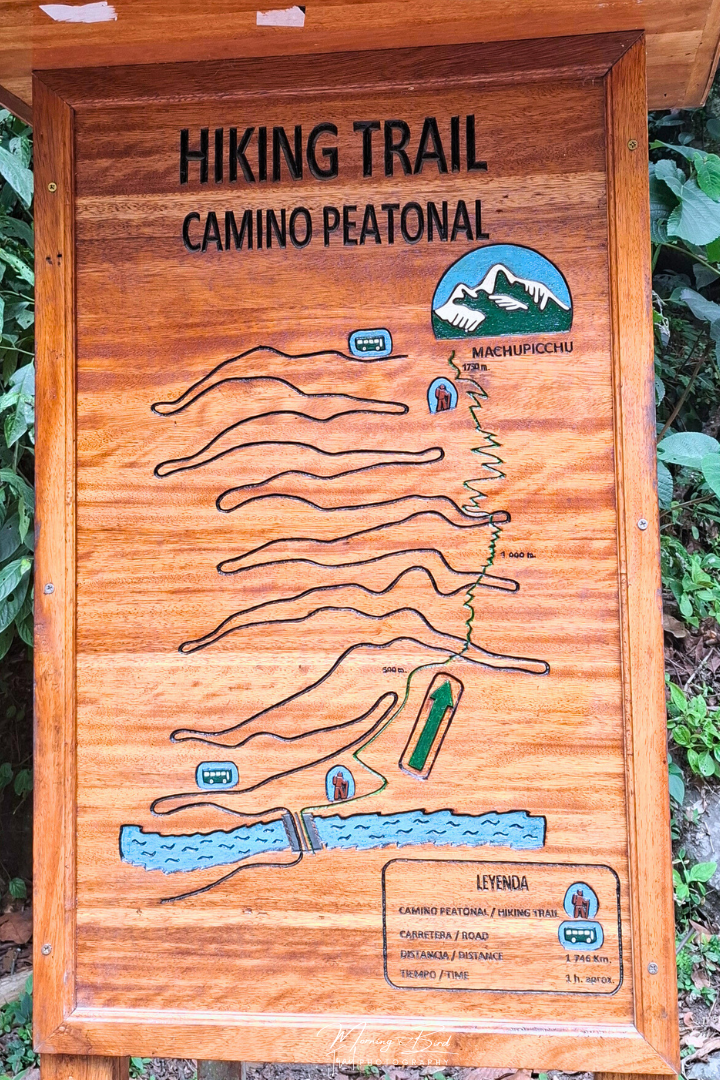
After getting to Aguas Calientes, you can take a bus up to Machu Picchu. This bus takes around 30 minutes zig zagging – and I really mean zig zagging, because the road is basically a series of really tight bends – up the mountain. The bus tickets are not bought in advance and you can buy them from 5am to 9pm in here. However, the lines may be long so make sure you have enough time to get to Machu Picchu in time for you time slot.
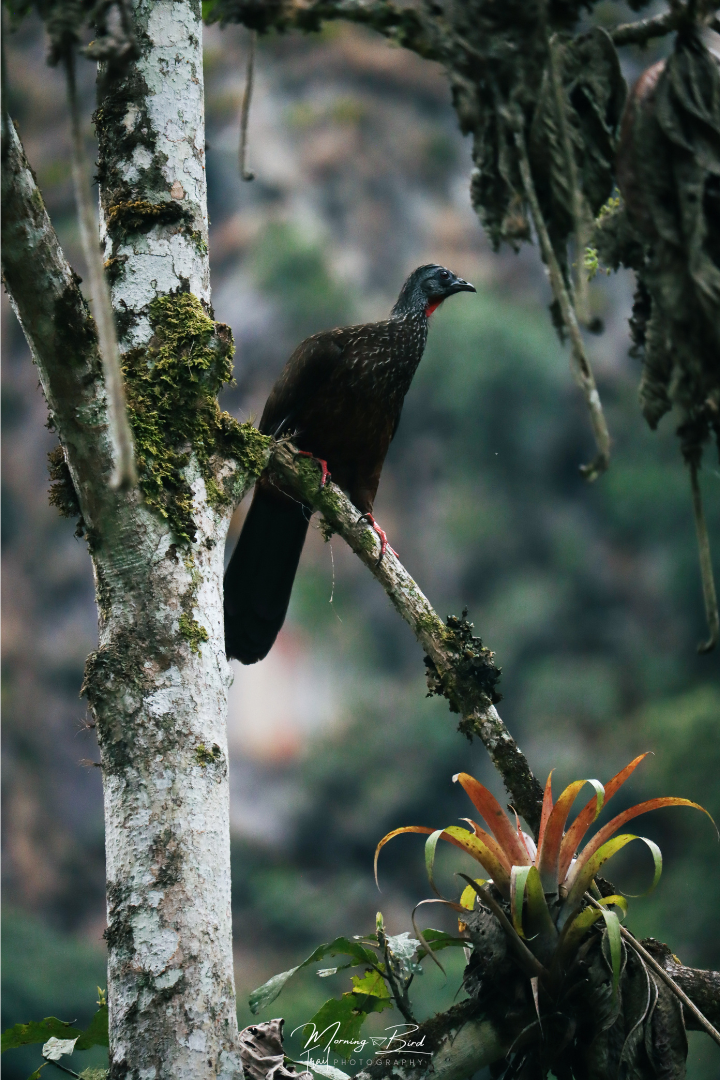
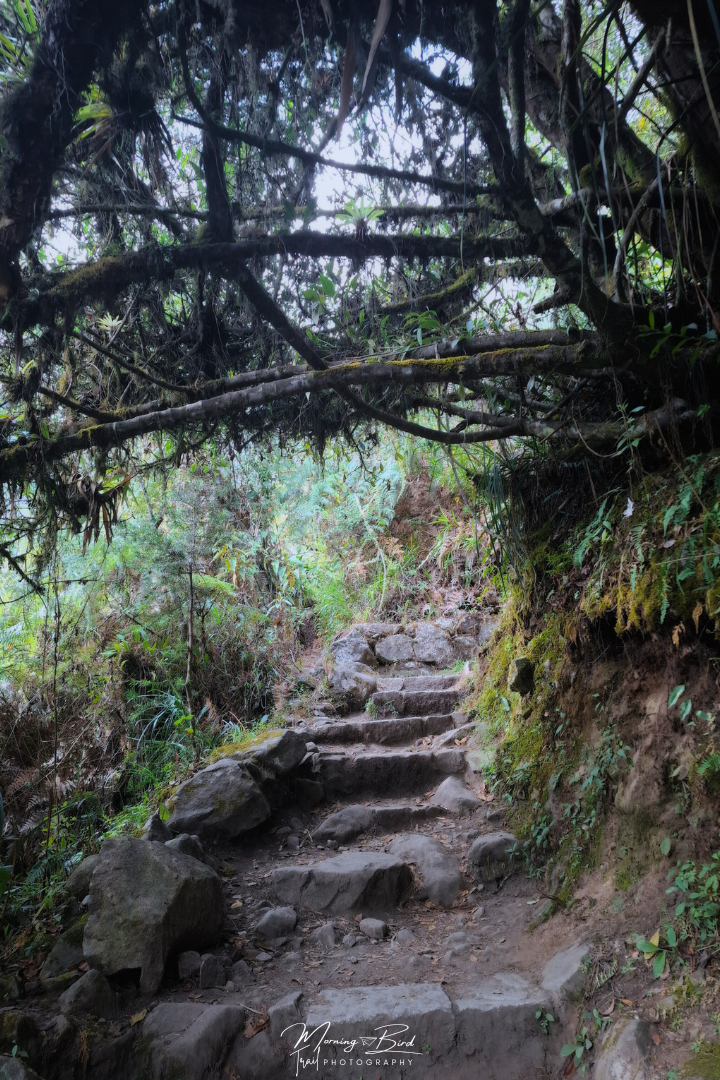
The alternative is not super easy, but I really liked it. You can instead climb some stairs. And when I say “some stairs” I mean almost 1800 stair. However, these go through the tropical forest up the mountain, and you can see pretty plants, birds and butterflies. We took around 1h to go up and a bit less to back down, which was significantly easier for me – which is probably expected.
Tickets
The tickets to Machu Picchu are absolutely the main question of this post. The easiest way to get your ticket to Machu Picchu, is to book them with months in advance, this will also give you the best options for Route and time slots for your trip.
If you are more a heat of the moment person, there is a chance to get tickets for Machu Picchu on the day before you go to the World Wonder. Technically you can make to whole trip to Aguas Calientes and try to get some tickets for the day or the next day (you can follow the available tickets for the day on this website – but you can’t check the times). The tickets to Macchu Picchu can be bought in Aguas Calientes at the Ministry of culture in Aguas Calientes (map here) starting from 6am.
Personally, I’m more of a planner and I do prefer the peace of mind that comes with having the tickets to Machu Picchu bought in advance. If you are like me, the easiest way to buy tickets for Machu Picchu is through the official website. If you prefer, there are also tickets being sold on GetYourGuide.
Note: Make sure you bring your passport, you will need it both in the train and to enter the complex.
Picking your Machu Picchu route
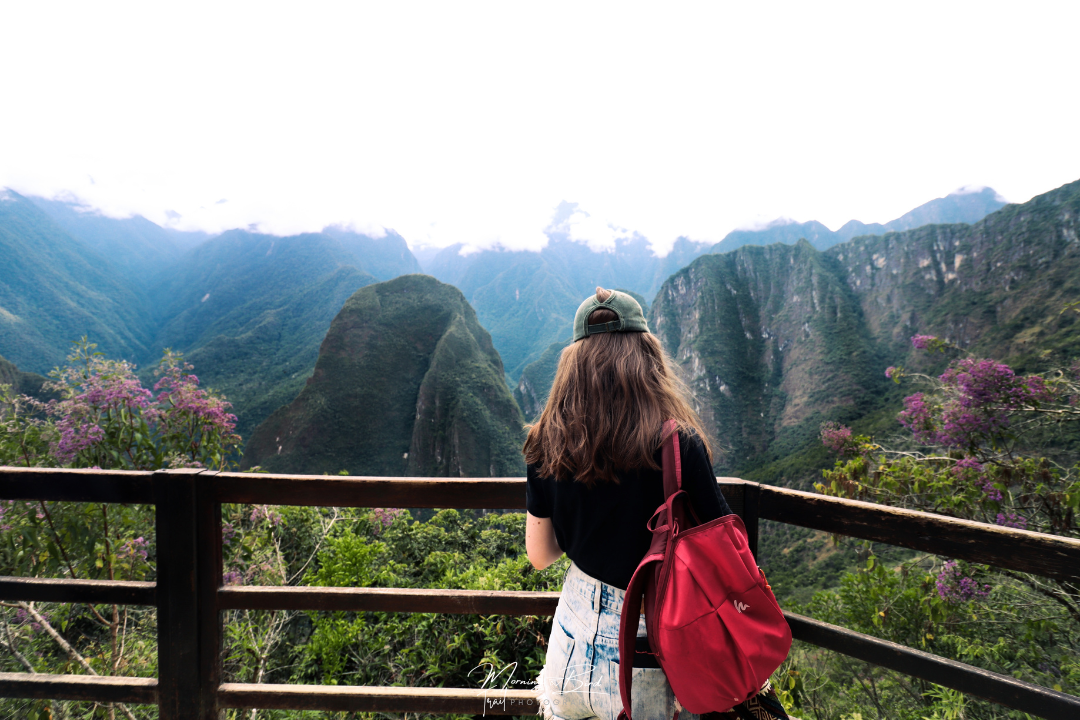
A ticket for Machu Picchu gives you access to a single Route (or Ruta) so you should pick your options carefully.
- Circuito 1: Panorâmico (Ruta 1-A, Ruta 1-B, Ruta 1-C and Ruta 1-D) – The panoramic routes are focused on having high-ground views of the city and come allow you to go up some mountains, such as the Montaña Machupicchu (Ruta 1-A).
- Circuito 2: Clássico (Ruta 2-A and Ruta 2-B) – Lets you enter the inca city, both the top and lower parts of the city.
- Cicuito 3: Machupicchu realeza (Ruta 3-A, Ruta 3-B, Ruta 3-C and Ruta 3-D) – typically cover the lower part of the inca city, and may also add an extra interest point for example Montaña Waynapicchu (Ruta 3-A) or Gran Caverna (Ruta 3-C).
Because of the high altitude of the mountains, Ruta 1-A, Ruta 3-A and require a high physical effort, so make sure you are well prepared and acclimatized to the altitude to be able to follow them completely and safely.
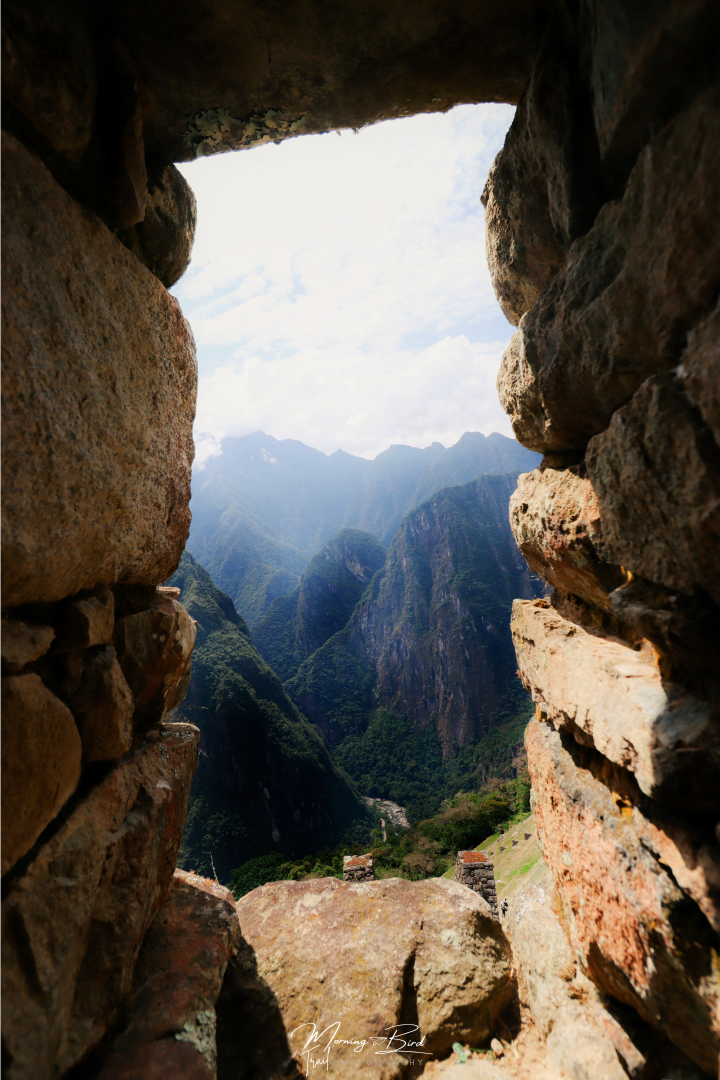
Sometimes there are new or different routes available so and you can get the most updated information, including maps of the routes, on the same website where you buy your tickets to Machu Picchu: here. Personally, I considered the Route 2-B is a good compromise between seeing the Inca town from above, since it reaches the Lower Platform and still lets you explore the Inca city.
When to visit
Choosing the right time to visit Machu Picchu can significantly improve your experience—both in terms of crowd levels and weather conditions.
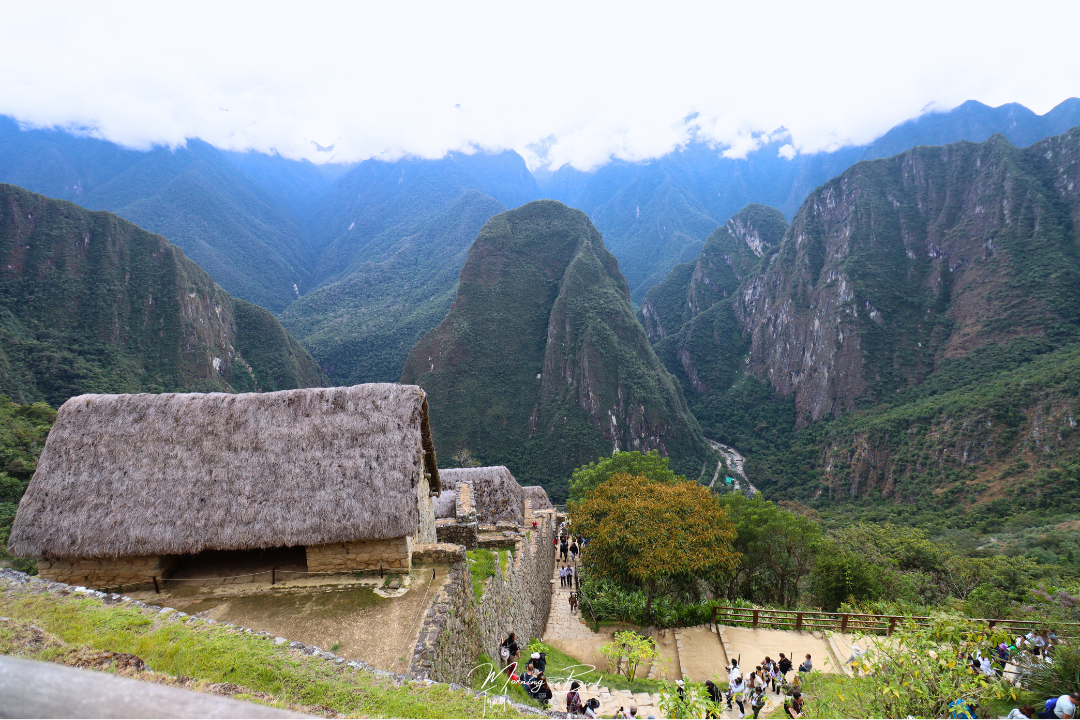
The peak season is between June and August – especially mid-morning to early afternoon. I went in August and even though there was a lot of people, it didn’t necessarily feel overwhelming. April-/May and September/October are the shoulder season, having less people, while still being considered close enough to the dry season.
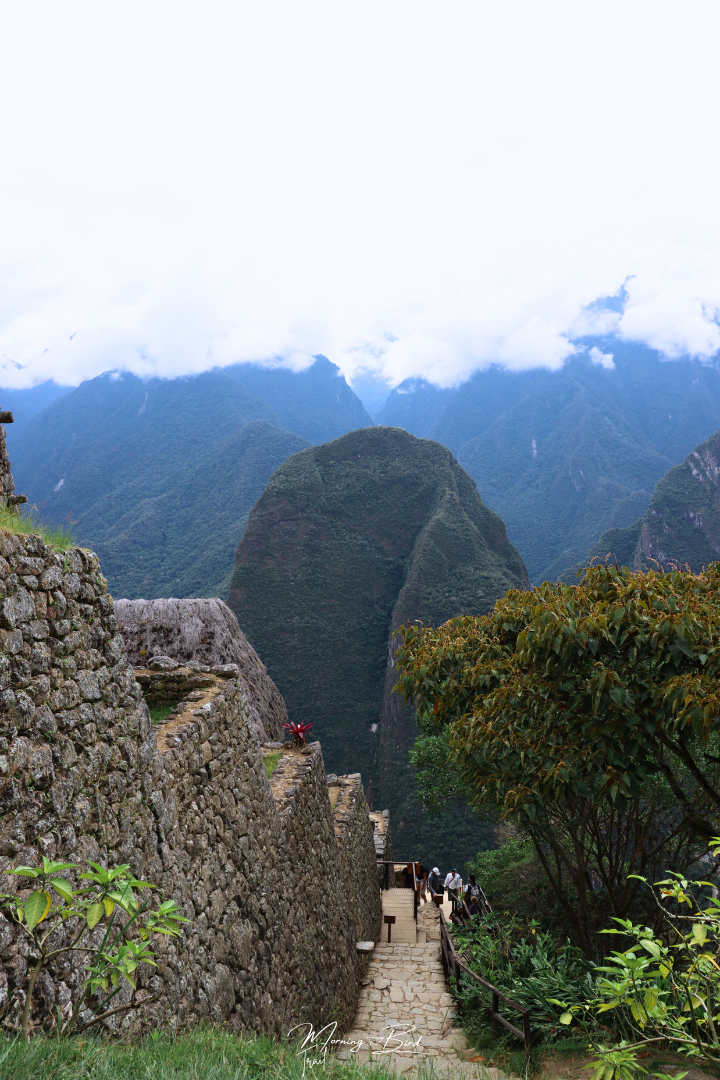
Besides crowds, is also important to consider the weather. The weather in this region is typically divided in dry season, between May and September and rainy season between November and March. The mornings are also often misty, and the sky may be cloudy even in August (which was the case when I went). This my hide a bit the beautiful surrounding clouds but also creates a bit of a mystical landscape.
What to pack
The most essential things to pack are:
- Sunscreen and hat (UV exposure is strong at altitude)
- Bug spray (you are in a humid region)
- Water bottle
- Small snacks (you’ll spend here some time, follow the site regulations)
- Passport (required to enter)
Optional but might be nice:
- Rain jacket (essential for the rainy season, nice to have in the dry season if it may rain)
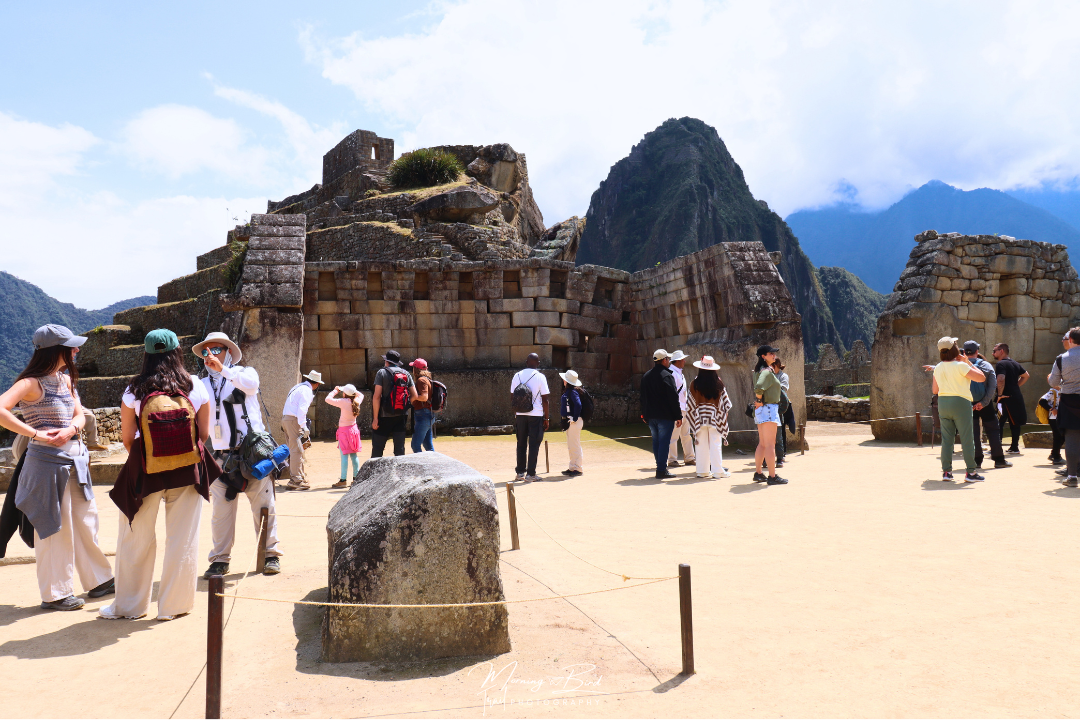
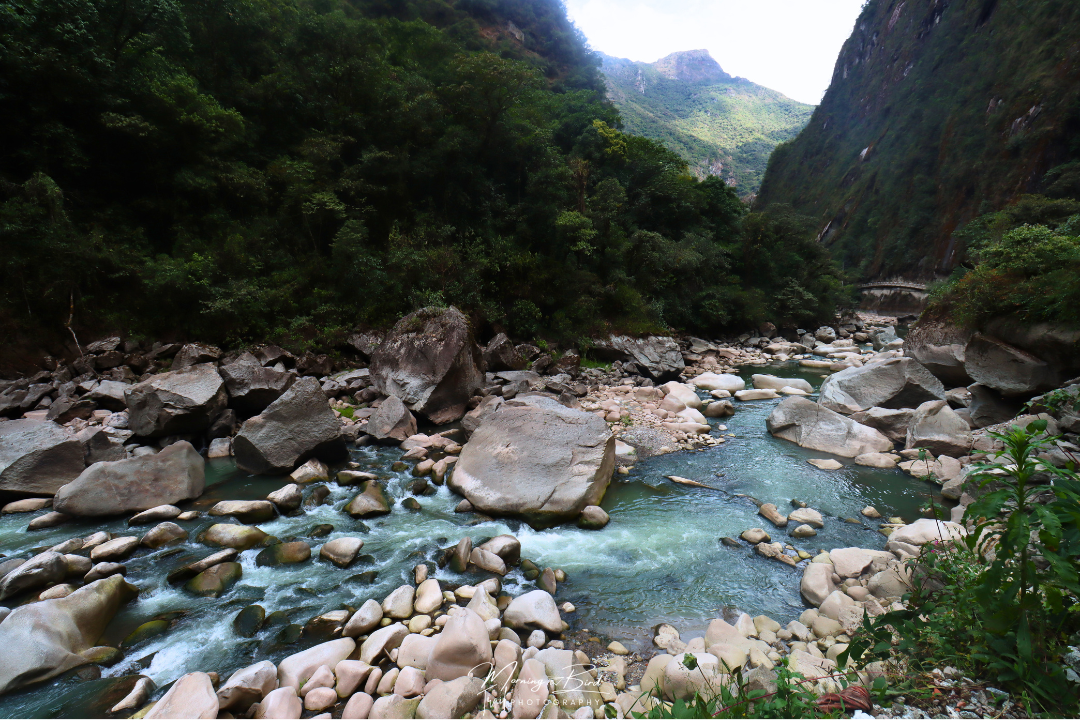
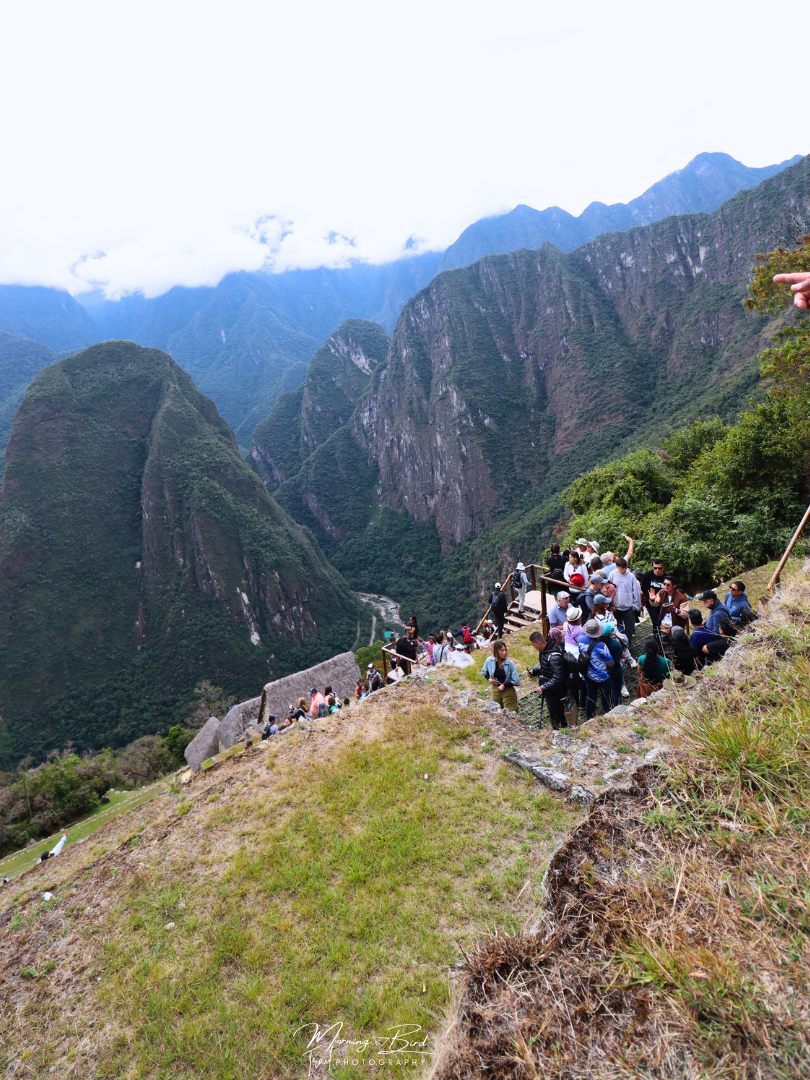
Machu Picchu is fragile. Stay on marked paths, follow your assigned circuit, don’t touch or climb ruins, and carry out everything you bring in. Responsible tourism is the only reason the site is still accessible today. That being said, with the right timing and proper preparation, your visit will be far more comfortable—and far more memorable. If you’ve been to Machu Picchu—or are planning a trip—I’d love to hear your thoughts, let me know how your adventures went!
If you’re exploring more of my Peru series, don’t miss our other guides:
- 🌊 Discover Paracas and the Ballestas Islands – where desert meets the sea.
- 🏔️ Explore Arequipa and the Colca Canyon – a blend of colonial charm and dramatic landscapes.
- 🌿Journey Through the Sacred Valley – ancient Inca ruins, colourful markets, and stunning Andes views.
- 🌈Conquer the Rainbow Mountain Hike – tips, preparation, and breathtaking views above 5,000 meters in the Andes.
- 🏛️ Experience Machu Picchu – history, hiking routes, ticket tips, and everything you need to plan the perfect visit to Peru’s most iconic wonder.
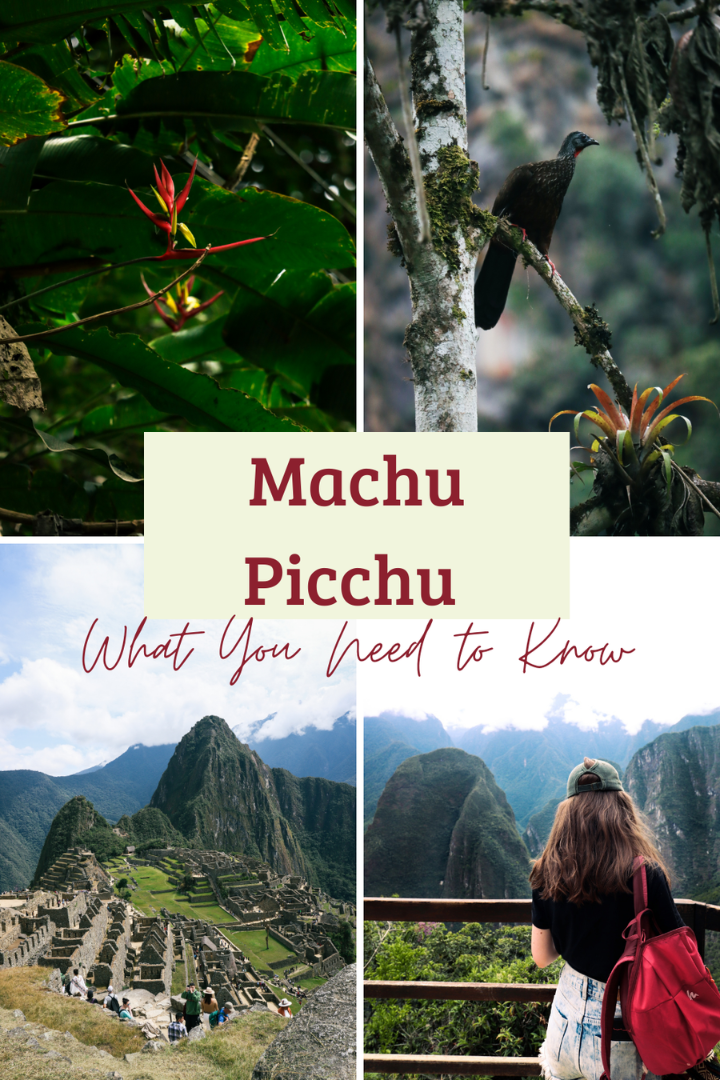
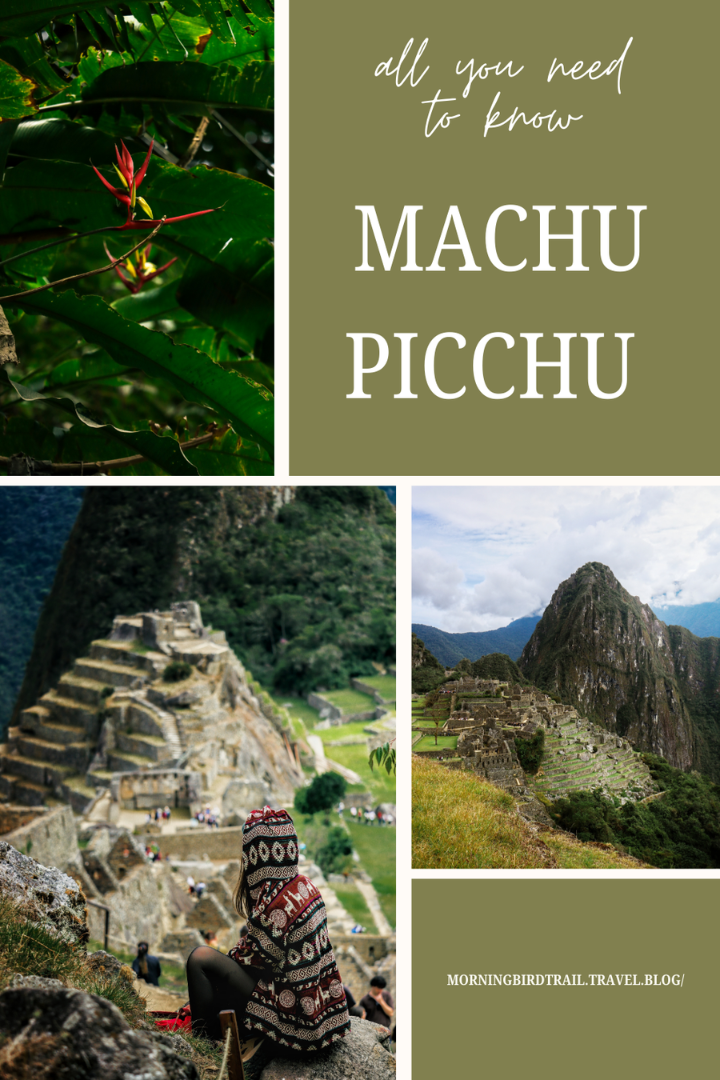
Pin for later!
Best time to visit
In case you are wondering, all these pictures were taking with the following equipment:
- Canon EOS 90d
- Samsung SD card
- Canon EF 50mm F1.8 STM
- Canon EF-S 55-250mm F/4-5.6 is STM
- Canon EF-S 10-18mm F/4.5-5.6 IS STM
- K&F Concept K-Serie 67mm ND Filter
- Samsung Galaxy A52 5G
More blog posts that you may like:
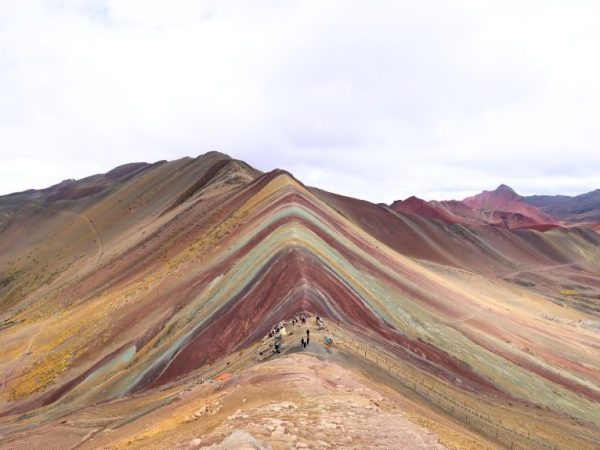
Rainbow Mountain in Peru: How to Prepare for This Epic Hike
Learn how to prepare for the Rainbow Mountain hike in Peru. From altitude tips and gear to trail insights, discover…
Keep reading
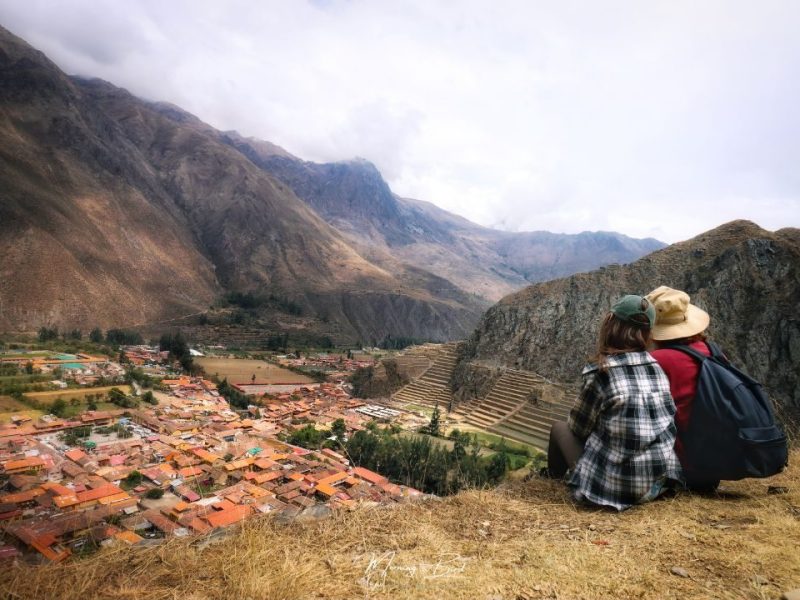
The Sacred Valley of the Incas: Ollantaytambo, Moray & More
A short way from Cusco you’ll find what is known as the Sacred Valley. When driving through this region, you’ll…
Keep reading
Explore Paracas, Ballestas Islands & Huacachina in 2 Days – Coastal Peru Trip
Experience the best of Peru in just 2 days from Lima! Visit Paracas’ wildlife-filled cliffs, taste authentic Pisco at a…
Keep reading
Arequipa: Exploring Peru’s White City
Even though Arequipa may be a much less well-known city than, let’s say, Cusco, it is the second biggest city…
Keep reading
Something went wrong. Please refresh the page and/or try again.
 MORNING BIRD TRAIL