
*Disclosure: Some of the links below are affiliate links, meaning, if you click through to make a purchase, I earn a small commission – at no extra cost to you!*
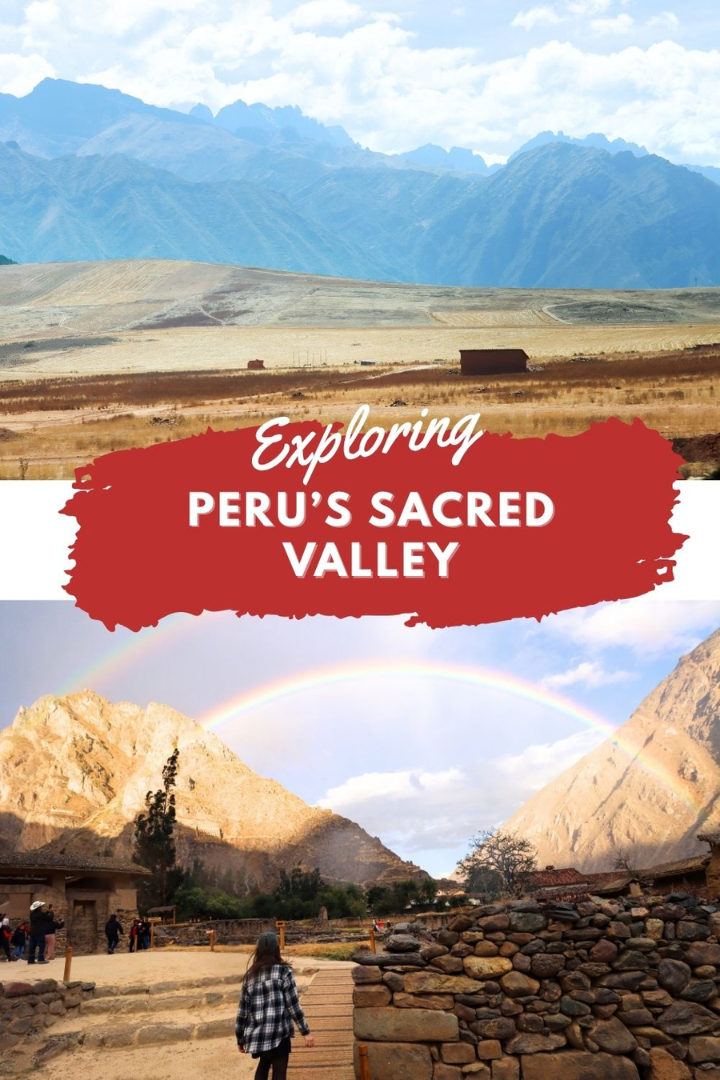
A short way from Cusco you’ll find what is known as the Sacred Valley. When driving through this region, you’ll see beautiful snow-capped mountains, inca terraces, and ancient ruins – that some argue even more impressive than Machu Picchu. Typically, the Sacred Valley is just a stop on the way to Machu Picchu, but it truly deserves a journey of its own. From colourful markets in Chinchero, to the surreal salt pools of Maras, and the mighty fortress of Ollantaytambo, this trip blends breathtaking scenery with culture. Here’s what to expect when exploring the Sacred Valley.
Overview
- Getting there and moving around
- Best time to visit
- How long to stay
- Tickets to the Sacred Valley
- What to visit in the Sacred Valley
- other-stops
Pin for later!
Getting there and moving around the Sacred Valley
The Sacred Valley is easily reached from Cusco by car, taxi, or guided tour. Many travellers opt for day tours from Cusco, but it is also possible to explore the valley independently with a hired driver or rented car. Another option, though less convenient for multiple stops, with public transport.
On my case, I ended up choosing a tour that took me from Cusco to Ollamtaytambo, so that after I could keep going and reach Machu Picchu the next day. A nice thing about this particular tour was that it was planned to get to Ollamtaytambo before the 4pm train to Aguas Calientes, which allowed the people to finish the day there, ready to visit Machu Picchu right on the next day. I on the other hand, stayed in Ollamtaytambo for the night and don’t regret at all.
Another way of visiting the sacred valley is through full-day round tours from Cusco or half-day from Ollamtaytambo. The advantage of the Cusco day tours is that they also visit Pisac.
Best time to visit the Sacred Valley
Independently of the time of the year when you decide to visit the country and this region, you have advantages and disadvantages, thus you need to evaluate for yourself what you value the most:
- Dry season (May–September): Ideal for hiking, photography, and exploring ruins with minimal rain. The landscape on this case is quite dry and yellow.
- Wet season (October–April): Fewer tourists, lush green landscapes, but expect rain and muddy paths.
How long to stay in the Sacred Valley
Many visitors explore the Sacred Valley on a day trip from Cusco, but staying overnight in Ollantaytambo or Urubamba allows you to slow down and enjoy the valley’s quieter side. My experience in Ollamtaytambo was that until around 3 or 4pm it is super busy with tourists but, just after the main crowds leave, either back to Cusco or to Aguas Calientes, the town becomes rather quiet.
Do you need ticket to visit the Sacred Valley?
Yes and no. You don’t need a ticket to visit the area of the Sacred Valley, like is the case in the Colca Canyon, for example. However, to enter many of the most famous and interesting sites, you will need a ticket. A positive side is that you only need one ticket for most os the sites I will talk about on this blog post – just make sure you keep it in a safe place so you wont loose it.
The main ticket you need to visit the Sacred Valley tourist landmarks is called Boleto Tusistico. This ticket can be acquired either in Cusco or in any of the sites included in it. Usually, if you take an organized tour, you can also give the money to the guide and he takes care of it. There are several versions of the ticket.
In general, you can get a partial ticket which includes the ruins in Ollamtaytambo, Chinchero, Moray and Pisac and is valid for 2 days. On the day you enter a site, you can also leave the site and return to it after but you can’t enter the same site on two different days. The partial Boleto Turistico costs 70 soles.
Another option is the full Boleto Turistico which costs is 130 soles (unless you are a student, in which case it also costs 70 soles – you need to show a prof that you are a student). The full ticket is for 10 days and includes extra sites:
- Cusco cathedral
- Religious Art Museum
- Church of San Blas
- Regional History Museum
- Sacsayhuaman
- Qenko
- Puca Pucara
- Tambomachay
- Pisac ruins
- Ollantaytambo ruins
- Chinchero
- Pachacutec Monument
- Performance of Andean dance and live music.
Whether you buy the partial or the full the Boleto Turistico, you will also need a second ticket since the Maras Salt Flats are not included in the Boleto Turistico. This ticket can be purchased on site and costs 10 soles – if you are curious why this is the case: the Boleto Turistico is managed by the state while the ticket for the Maras Salt Flats is managed by the community of Maras.
Places to Visit
Cusco
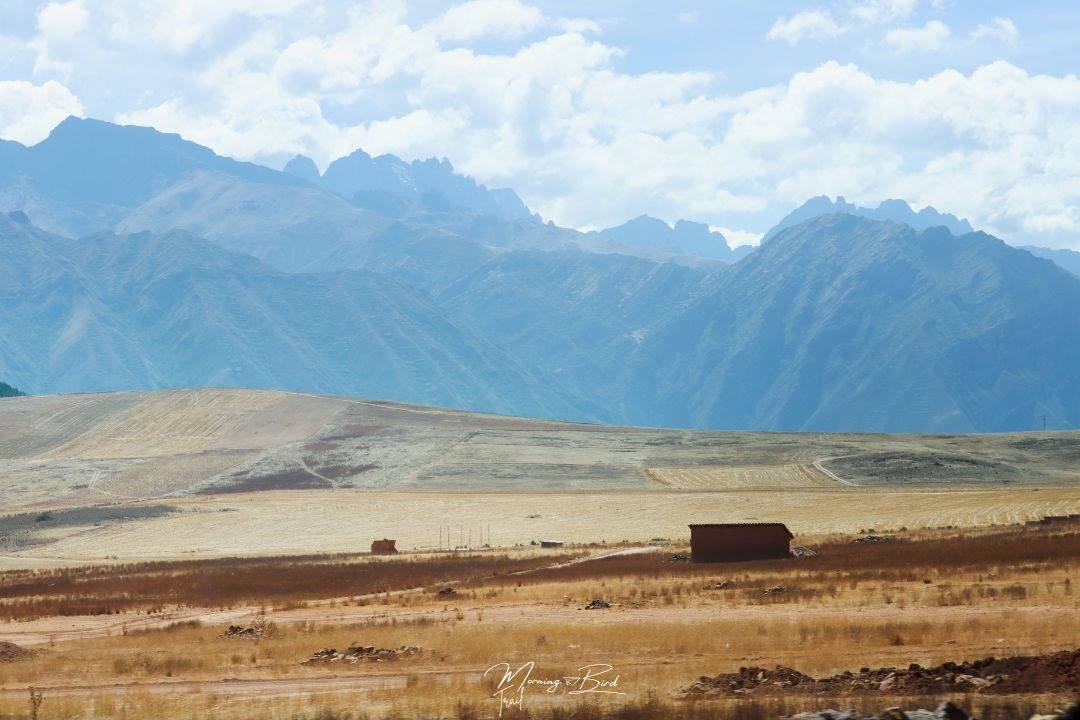
The trip usually starts from Cusco, the place where most people stay to explore the surroundings and the biggest town around. To make the most out of the day, a rather early departure is recommended. The drive to Chinchero takes about 45 minutes, through a scenic mountain landscape.
Chinchero
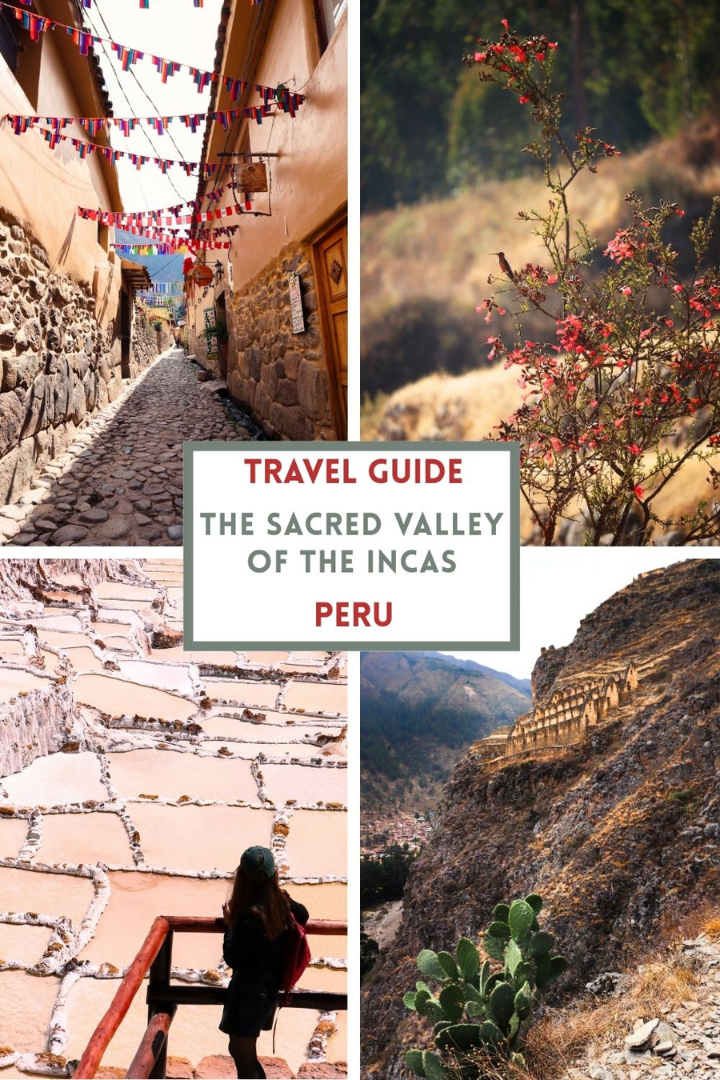
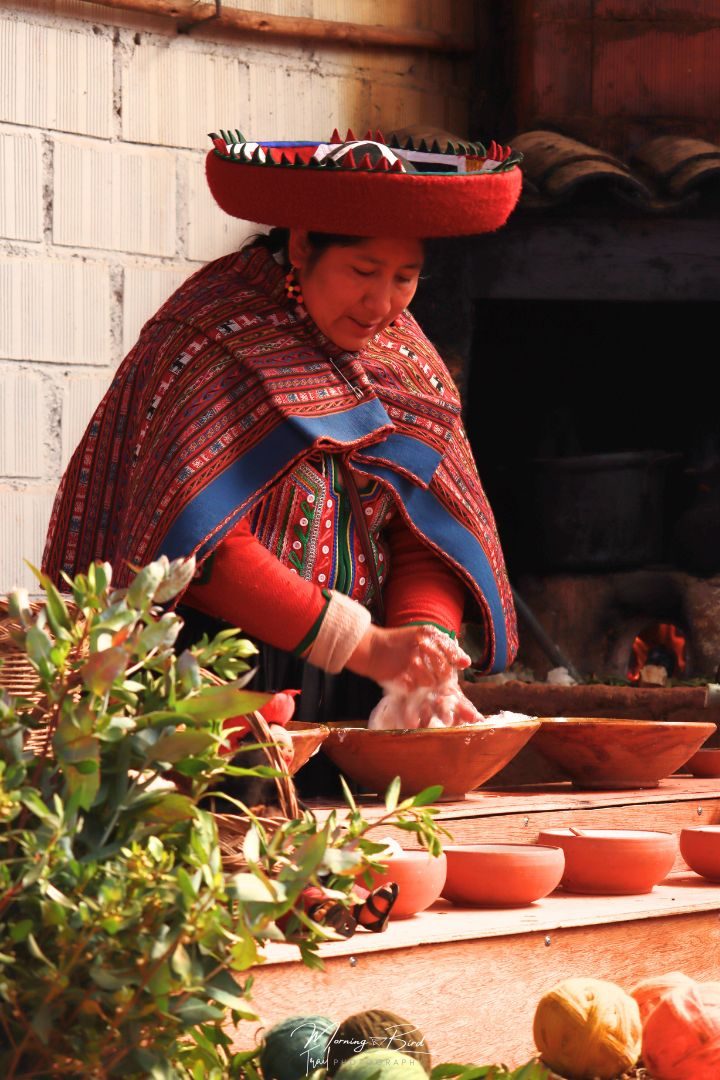
Our first stop was the town of Chinchero and its impressive ruins. In this beautiful town you can see colonial buildings built on Inca foundations, in particular the colonial church and the inca terraces with incredible mountain views – yes, I was constantly in awe of the landscapes. Besides this, you can also see the streets lined with market stalls that sell souvenirs and in particular colourful textiles. Speaking of textiles, the second stop near the town was a demonstration of the weaving process where we could learn about the traditional techniques used to create the famous textiles. There, you could also but some “handmade” textiles – I’m not sure if this was actually the case, since several of the “handmade” textiles were exactly the same that you could find in so many souvenir stalls but at higher prices…
Moray
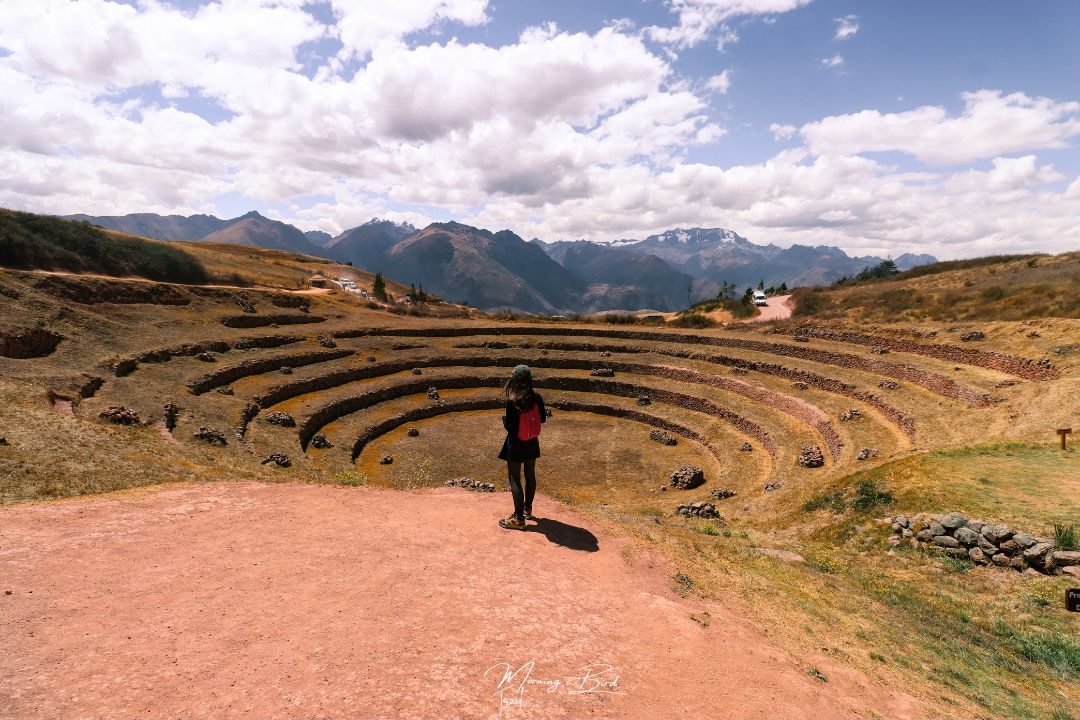
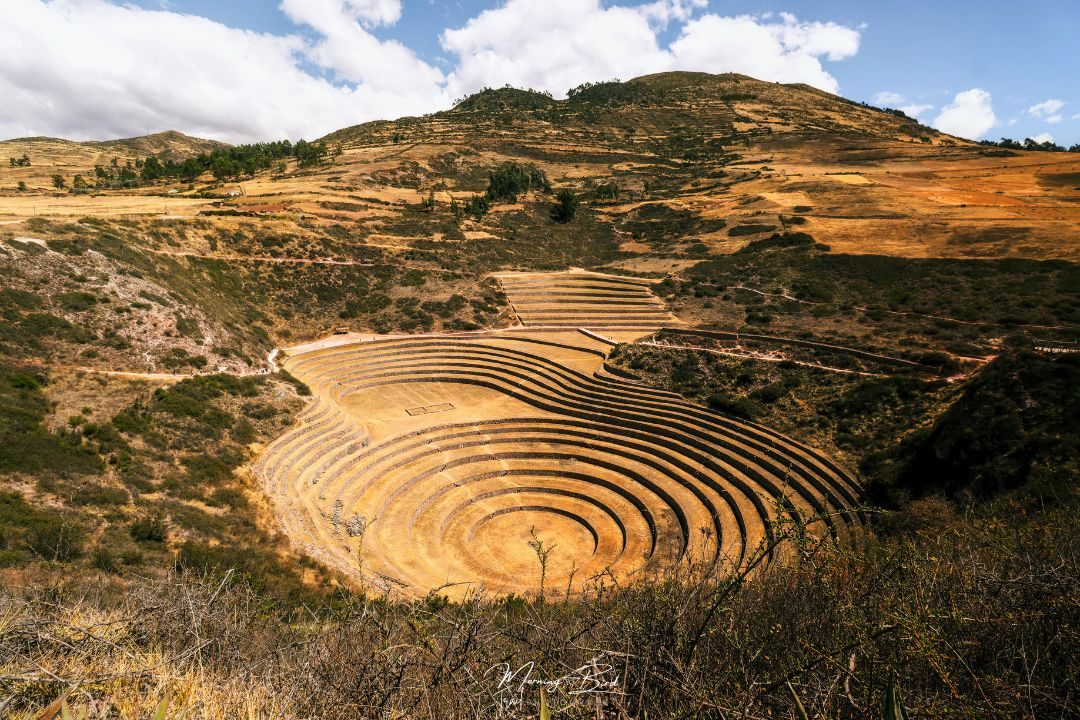
Next on the plan, is a stop on the Moray. These are circular inca terraces carved so that each level has a slightly different microclimate. What is interesting about this place is that it was used by the Inca as an agricultural “laboratory” where they would experiment with the plants, and create new plants and see which ones would adapt to different environmental conditions. This was accomplished by bringing soil from different regions but also due to wide and abrupt temperature and humidity differences between the steps.
Maras Salt Mines
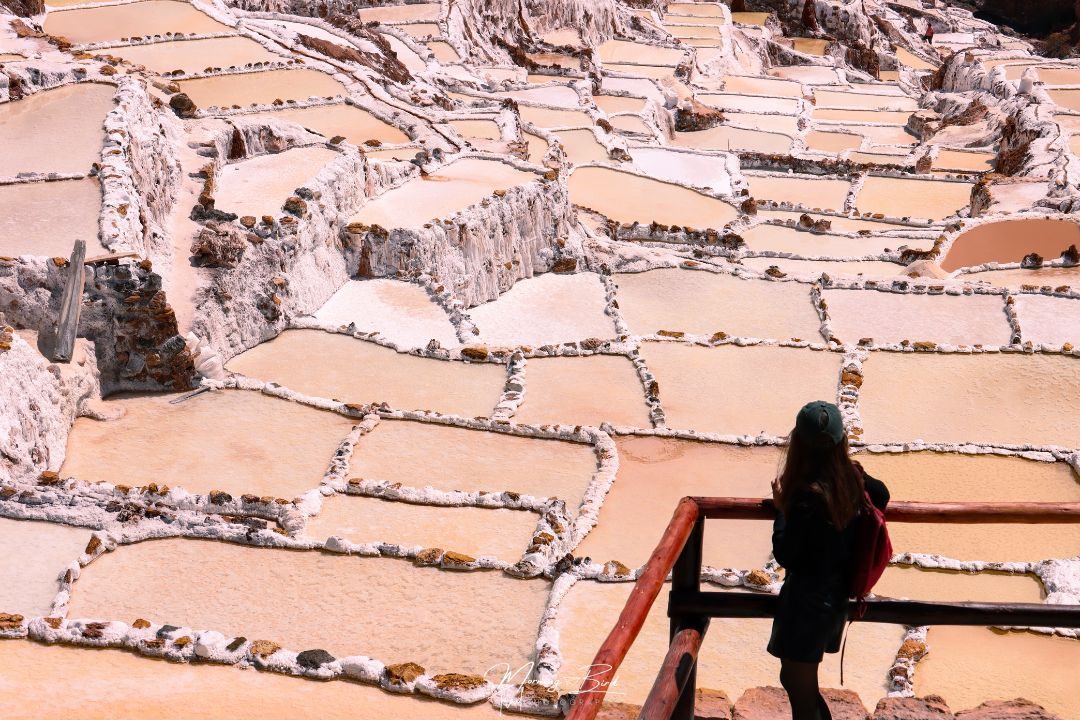
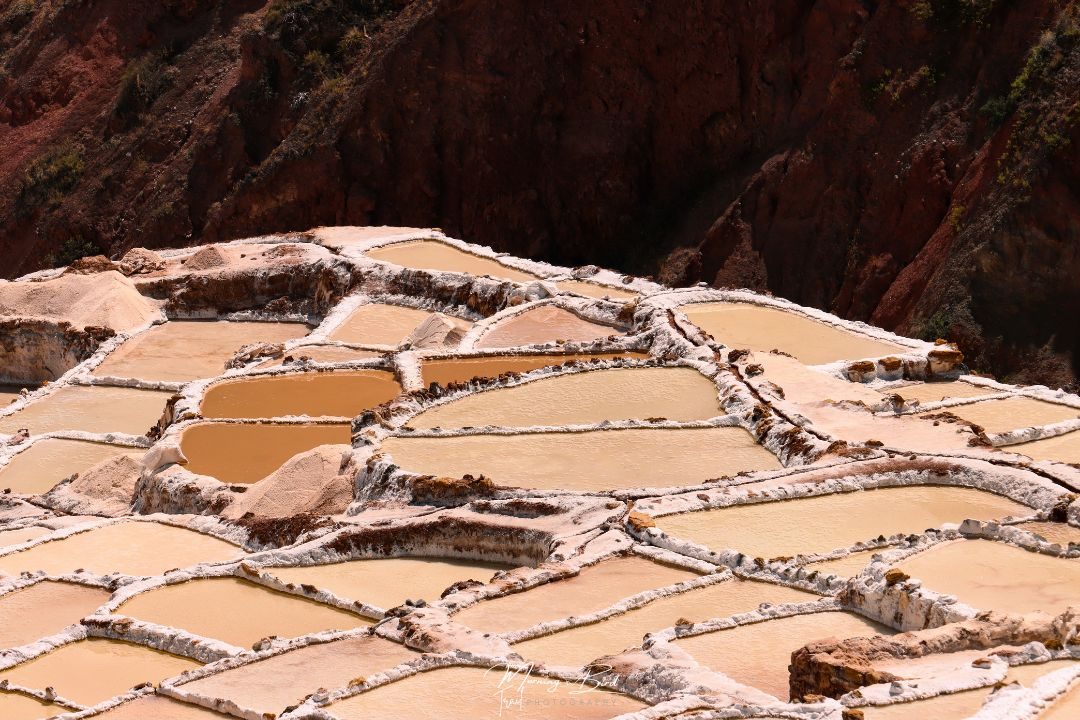
This next stop is quite impressive too. The Maras Salt Mines are positioned in a canyon along the side of the cliff and extend for several meters. Even though you can’t walk between the salt pools, you can watch the immensity of the thousands of salt pools and even locals working on them. This place is used by the communities nearby and each family can explore a certain number of pools. Even though you are at a quite high altitude, you are inside a canyon and so, contrarily to the other stops, it will be quite hot nearby the Maras Salt Mines.
Ollamtaytambo
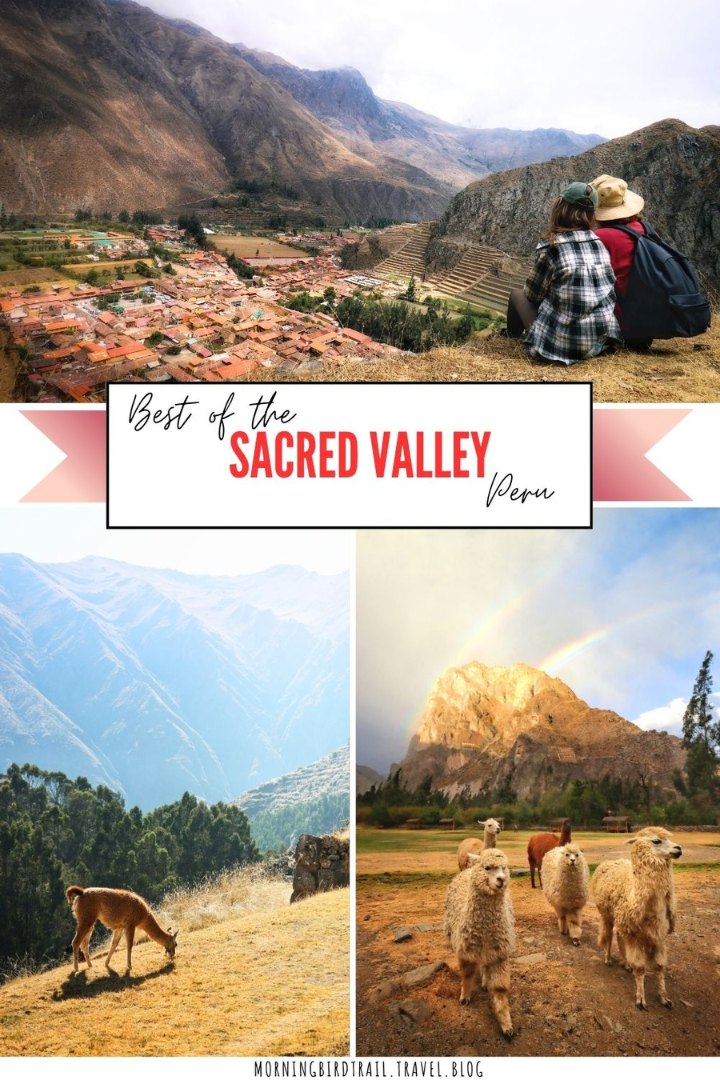
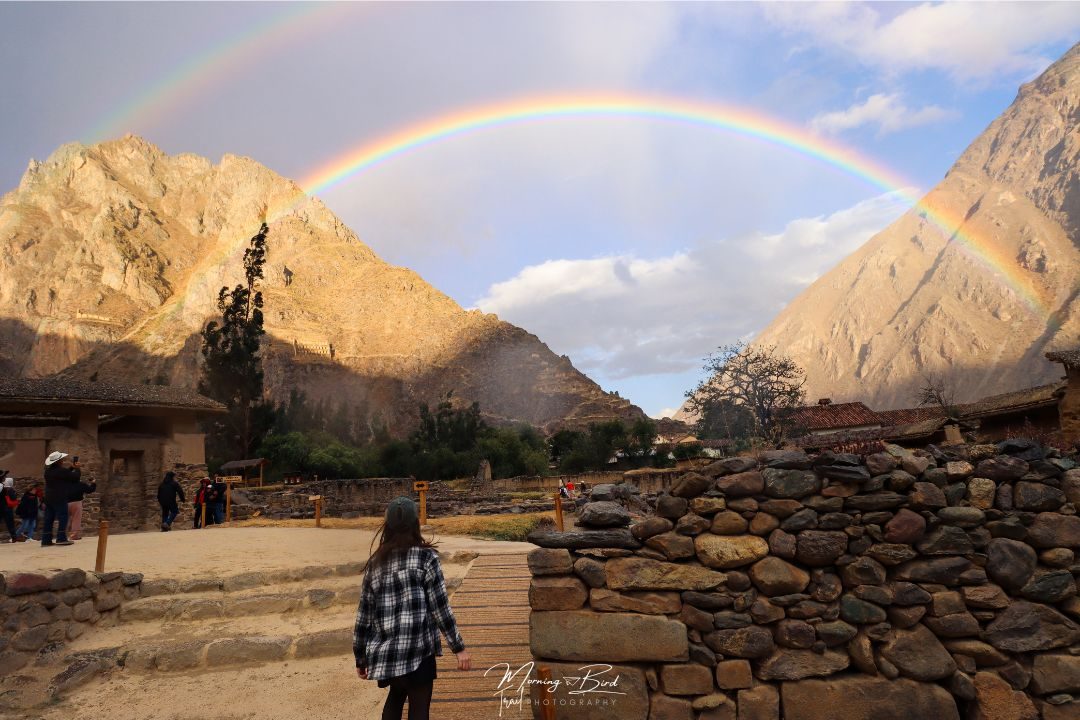
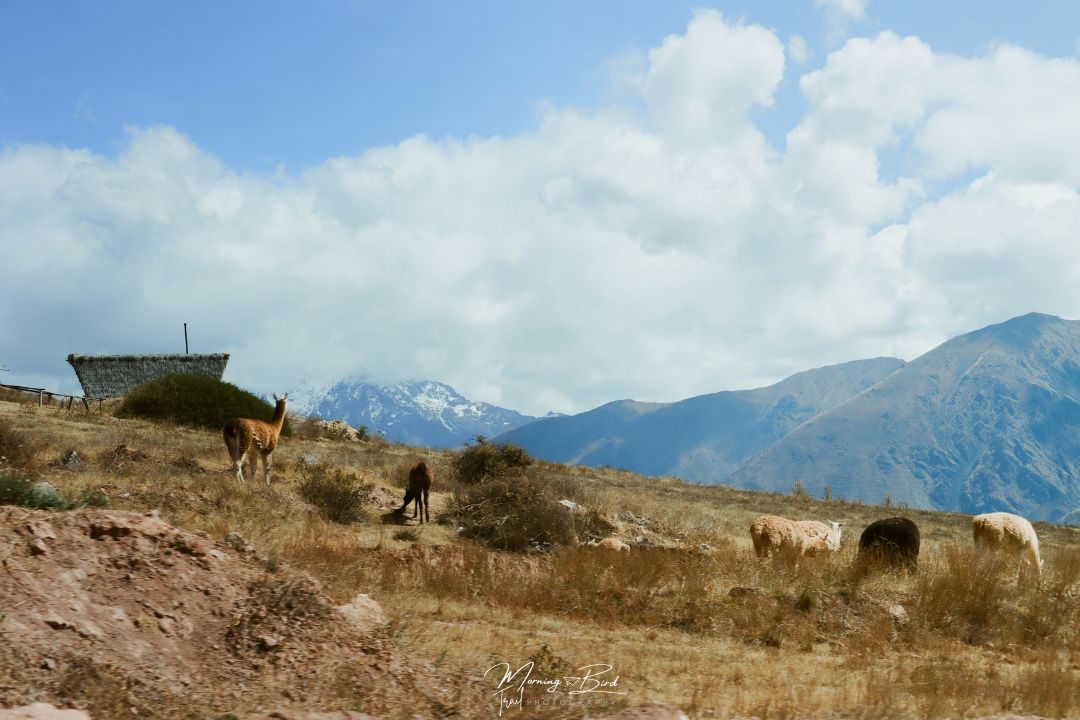
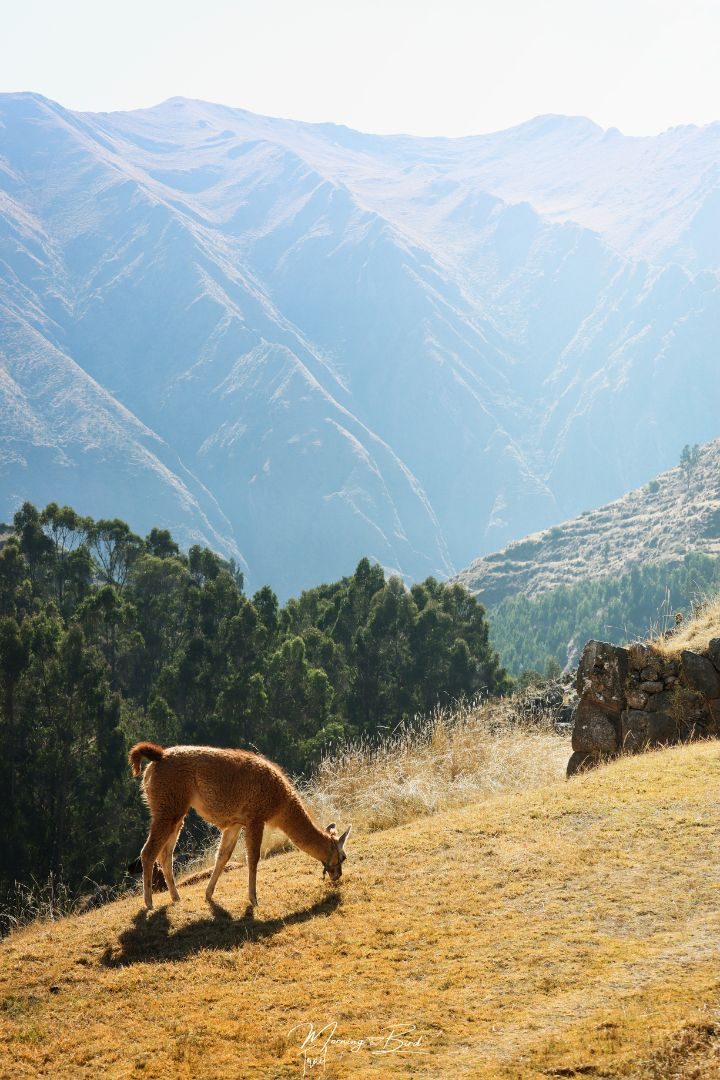
My final stop was the historic town of Ollantaytambo, an Inca stronghold and living village. The fortress terraces rise dramatically above the town, offering sweeping views of the valley and the Urubamba River below. Here you can explore the ruins, climb the terraces for panoramic views and wander the cobblestone streets. This place was definitely an highlight of the trip to me. Until around 3 or 4pm it is super busy and full of tourists and tours, but just after the main crowds leave, either back to Cusco or to Aguas Calientes, the town becomes rather quiet and you can explore the fortress on your own until it closes, play with the llamas and alpacas in the premises and enjoy a nice sunset. If you are lucky like I was, maybe you can experience an unbelievable rainbow over the ruins.
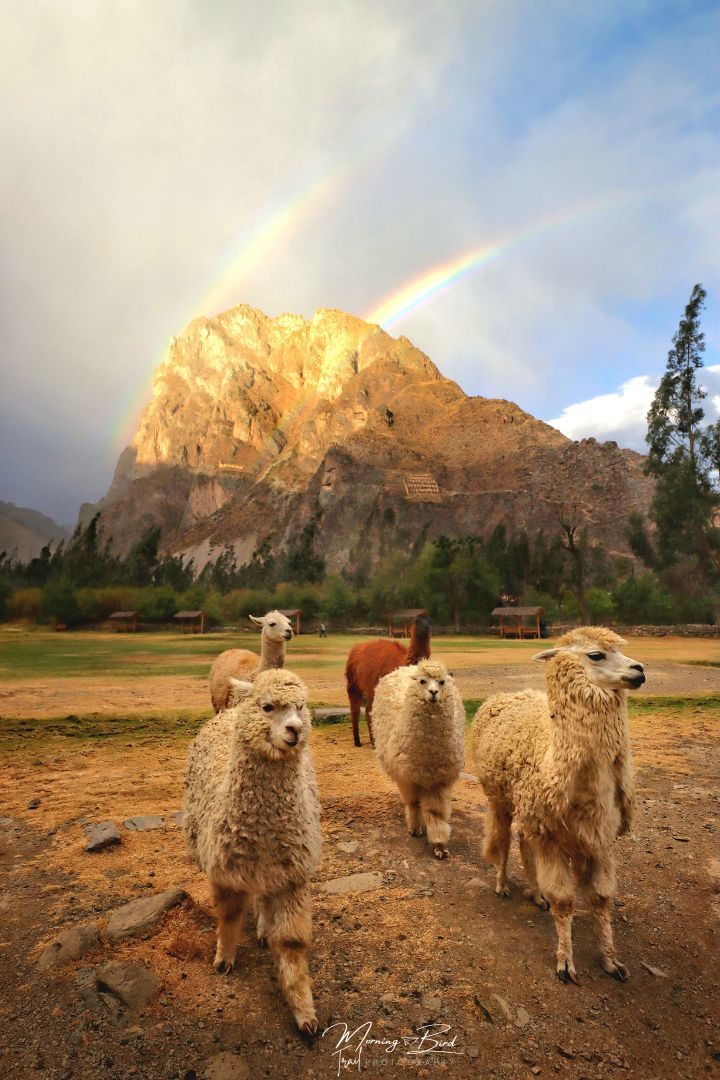
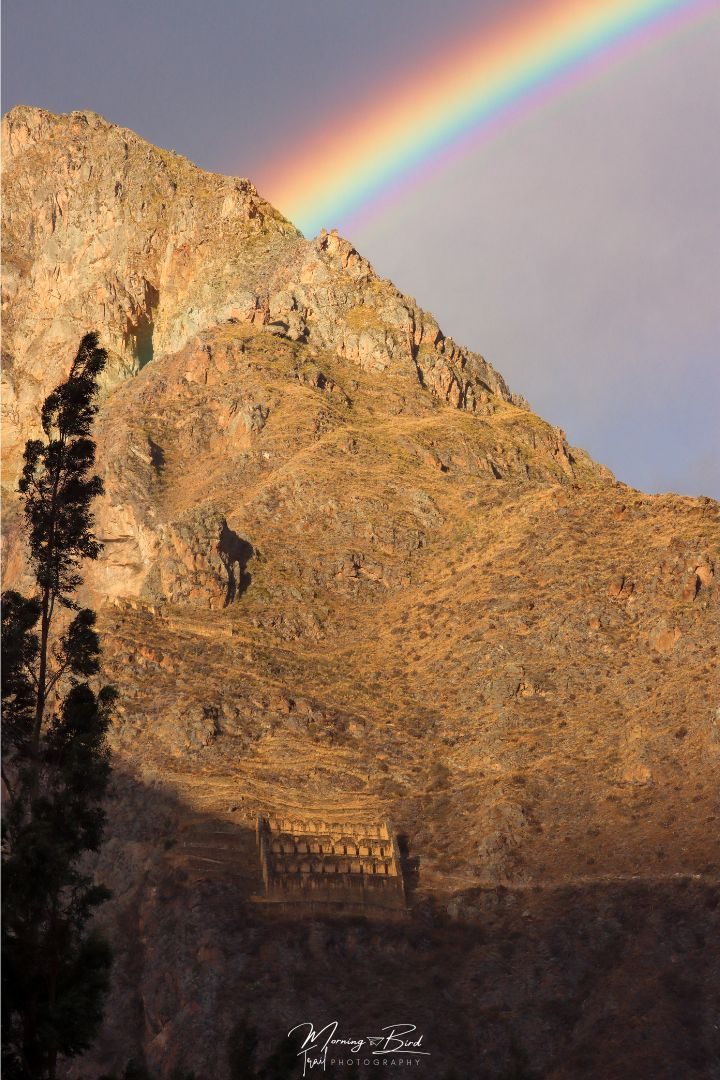
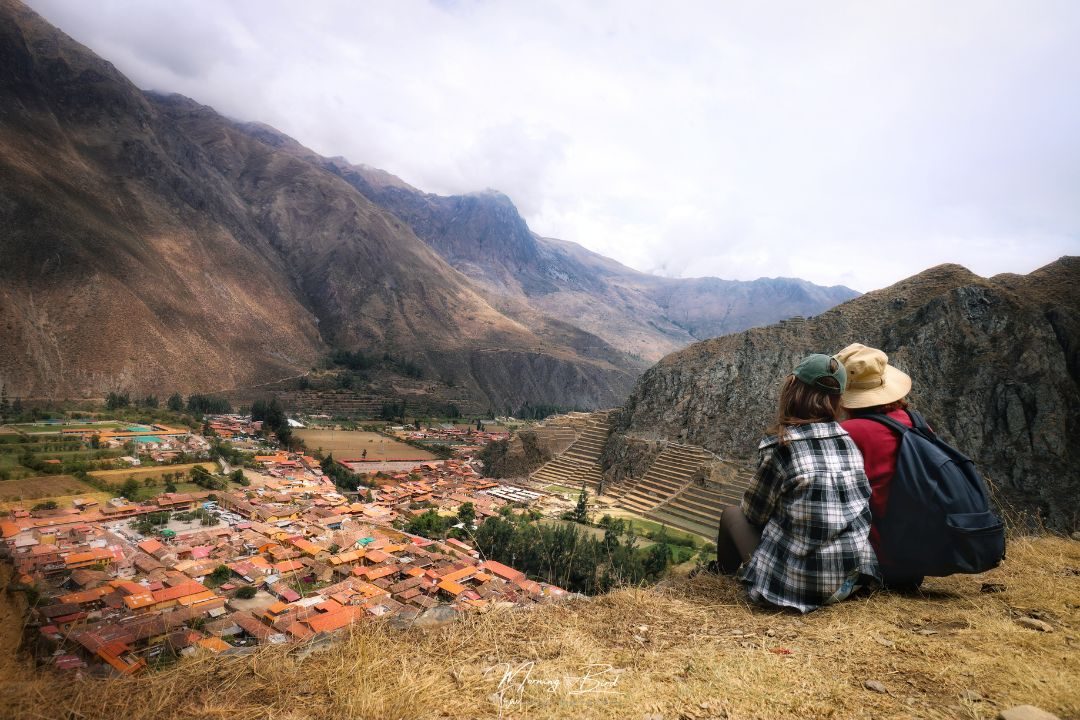
Besides the main ruins, quite well preserved where you can really see the stunning meticulous Inca architecture and megalithic stones, you can also head to the other side of the town where you can hike up to the storage ruins. The path may look a bit tricky at times, but it isn’t too hard. From there you can have an amazing view to the town and the fortress on the other mountain.
Other stops
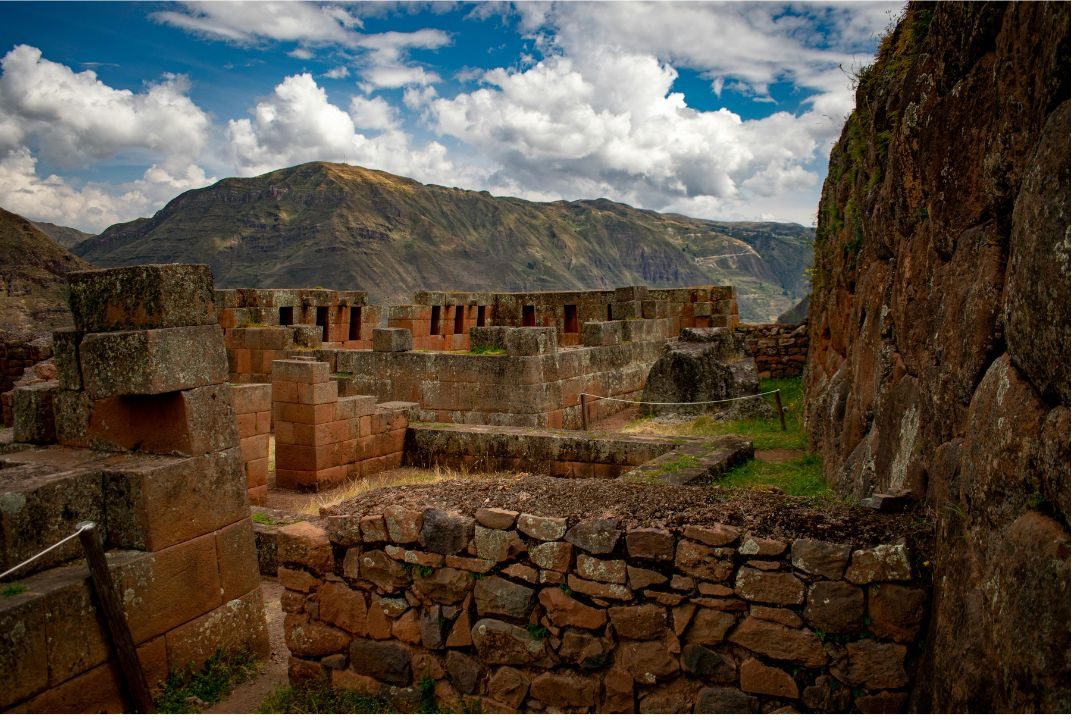
If you want to add some other places to your visit of the Sacred Valley you can consider also the Pisac Ruins and Urubamba Valley Viewpoint, especially since the ruins of Pisac are also included on the Boleto turistico. In general, when you book a tour that returns to Cusco, Pisac is included in the tour.
- Pisac – This town is well-known for its Inca ruins but also for its extensive market of traditional clothing and souvenirs. The ruins sprawl across the mountainside, with sweeping terraces and stunning valley views
- Urubamba – If you are not in a hurry and not on an organized tour, stopping around the Valley, in particular near Urubamba will provide you absolutely gorgeous views to the fields and mountains in several points of the road.
The Sacred Valley isn’t just a stop between Cusco and Machu Picchu—it’s a journey through living history. Each town tells its own story: the weavers of Chinchero, the ancient engineers of Moray, the salt workers of Maras, and the guardians of Ollantaytambo’s stone walls.
If you’re heading to Machu Picchu next, spending a night in Ollantaytambo is not only convenient but also lets you experience the magic of the valley after the day crowds have gone.
If you’re exploring more of my Peru series, don’t miss our other guides:
- 🌊 Discover Paracas and the Ballestas Islands – where desert meets the sea.
- 🏔️ Explore Arequipa and the Colca Canyon – a blend of colonial charm and dramatic landscapes.
- 🌿Journey Through the Sacred Valley – ancient Inca ruins, colourful markets, and stunning Andes views.
- 🌈Conquer the Rainbow Mountain Hike – tips, preparation, and breathtaking views above 5,000 meters in the Andes.
- 🏛️ Experience Machu Picchu – history, hiking routes, ticket tips, and everything you need to plan the perfect visit to Peru’s most iconic wonder.
In case you are wondering, all these pictures were taking with the following equipment:
- Canon EOS 90d
- Samsung SD card
- Canon EF 50mm F1.8 STM
- Canon EF-S 55-250mm F/4-5.6 is STM
- Canon EF-S 10-18mm F/4.5-5.6 IS STM
- K&F Concept K-Serie 67mm ND Filter
- Samsung Galaxy A52 5G
More blog posts that you may like:
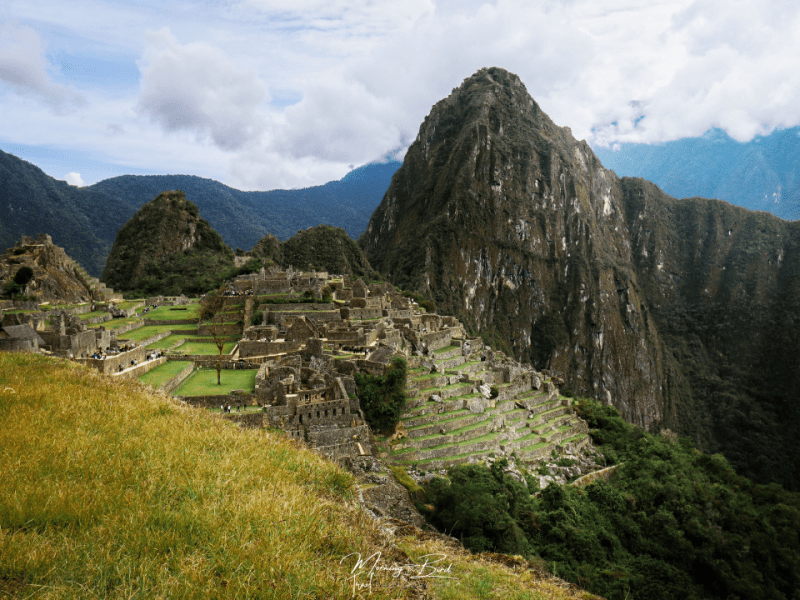
How to visit Machu Picchu: Tickets, Timing & Travel Tips
Planning a trip to Machu Picchu? From choosing the best time to visit to knowing exactly what to pack, this…
Keep reading
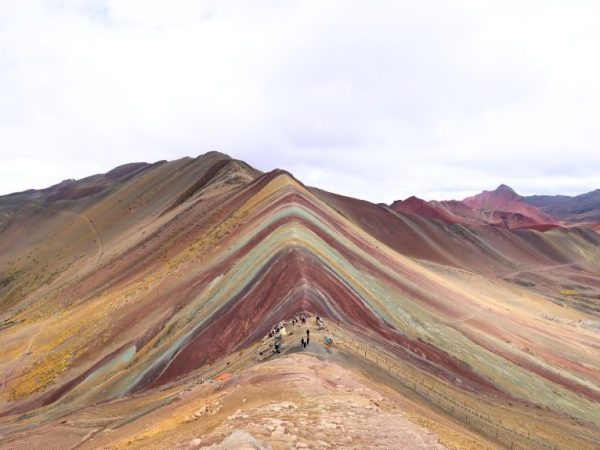
Rainbow Mountain in Peru: How to Prepare for This Epic Hike
Learn how to prepare for the Rainbow Mountain hike in Peru. From altitude tips and gear to trail insights, discover…
Keep reading
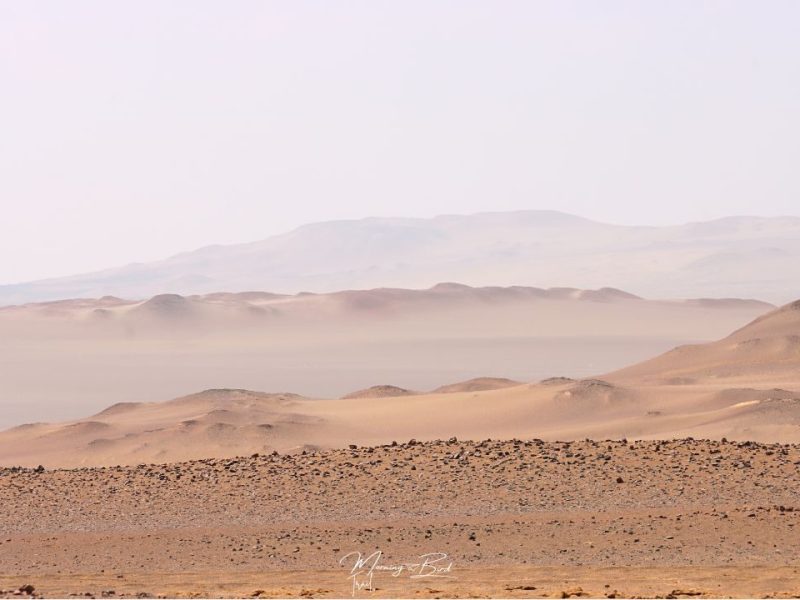
Explore Paracas, Ballestas Islands & Huacachina in 2 Days – Coastal Peru Trip
Experience the best of Peru in just 2 days from Lima! Visit Paracas’ wildlife-filled cliffs, taste authentic Pisco at a…
Keep reading
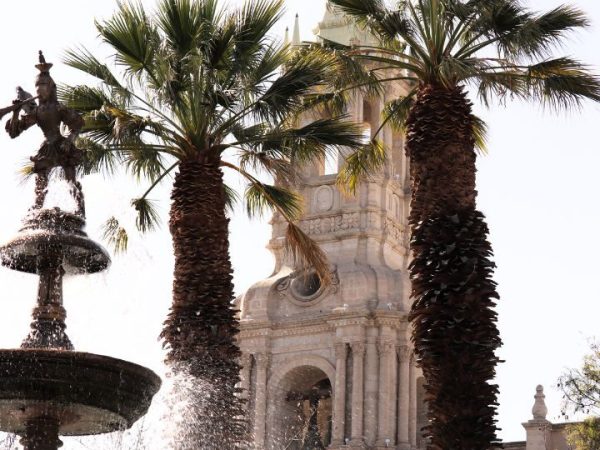
Arequipa: Exploring Peru’s White City
Even though Arequipa may be a much less well-known city than, let’s say, Cusco, it is the second biggest city…
Keep reading
Something went wrong. Please refresh the page and/or try again.
 MORNING BIRD TRAIL