
*Disclosure: Some of the links below are affiliate links, meaning, if you click through to make a purchase, I earn a small commission – at no extra cost to you!*
After a couple of weeks in the mountains around Cusco and in the jungle by Puerto Maldonado, or the volcanos of the white city of Arequipa this weekend trip was quite a change of scenery. Swapping the mountains and jungle by the sandy landscape of the west desert. In just two days, you can experience the best of southern Peru’s coastal wonders: from the haunting history of the slave tunnels in Ica, to sipping pisco at sun-soaked vineyards, spotting playful sea lions at the Ballestas Islands, and ending the adventure gliding down giant sand dunes at the oasis of Huacachina. This is quite a lot to fit into 2 days but is doable if organized well.
Overview
- Best time to visit
- How many days to stay
- Where to stay
- How to travel between Lima, Paracas and Huacachina?
- Day 1
- Day 2
Best time to visit
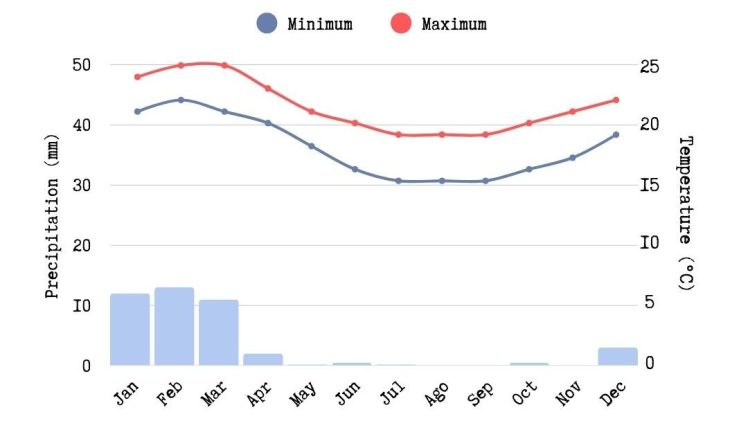
Paracas and Huacachina are year-round destinations, but the best months are May to November during Peru’s dry season. Expect sunny days, cooler evenings, and clear skies for both wildlife tours and desert sunsets. December to March can be hotter and dustier, but it’s still doable—just pack extra sun protection.
How many days to stay
Two days is just enough to see the highlights—Ballestas Islands, Paracas Reserve, and Huacachina sandboarding. If you enjoy slower travel, add a third day to fully enjoy the vineyards and relax at the oasis without rushing. A 4th day can also be cool to add if you want to check out Nasca.
Where to stay
- Paracas: Stay one night here to enjoy the coast and have an easy start for the Ballestas Islands tour. Options range from budget hostels near the harbor to resorts like Hotel Paracas for something more upscale.
- If you are going with PeruHop, consider Hotel Residencial Los Frayles since it’s the meeting point for the activities.
- Huacachina: If you prefer, you can overnight at the oasis instead—backpacker-friendly hostels, boutique stays, and desert lodges make it lively in the evenings.
- If you are going with PeruHop, consider Senoma Hotel – Adults only – or Wild Rover Huacachina for the same reason.
- Lima return: Many travellers do Paracas on night one and Huacachina as a day trip before heading back to Lima.
How to travel between Lima, Paracas and Huacachina?
The easiest way to do this 2-day loop is with PeruHop (which also has longer or shorter routes – up to 4 days – that can also include a flight over the Nasca lines). This company is a hop-on hop-off style bus service designed for travellers. It’s safe, convenient, includes hotel pick-up/drop-off, and stops at highlights like the slave tunnels and pisco vineyards.
If you prefer more independence, you can rent a car and drive the Panamericana yourself (about 4–5 hours from Lima to Paracas, then 1.5 hours to Huacachina). Public buses (like Cruz del Sur or Oltursa) also run from Lima to Paracas/Ica, but you’ll need taxis or tours locally, so it’s less flexible. With this alternative, you can of course join some other tours such as to the Ballestas Islands or Sandbuggys in Huacachina or even sandboarding/sandskiing in the same location.
| Option | Pros | Cons | Best For |
|---|---|---|---|
| Organized 2-Day Tour (PeruHop (link) or others (link – with Nasca lines flight over)) | Hotel pick-up/drop-off, safe, English-speaking guides, includes stops at tunnels & vineyards, flexible passes | Slightly more expensive than public buses, fixed schedule | Travelers who want convenience, safety, and hassle-free planning |
| Public Bus (Cruz del Sur, Oltursa, etc.) | Cheapest option, frequent departures from Lima to Paracas/Ica | Only takes you city-to-city, no stops at highlights, need taxis/tours locally | Budget travelers comfortable arranging logistics |
| Public Bus + GetYourGuide Tours | Affordable bus tickets, tours easily bookable online, more structured than DIY | More planning required, timing must match bus arrivals, tours may not include transfers | Independent travelers who want to save money but still have organized activities |
| Rental Car / Private Driver | Full independence, freedom to stop anywhere, flexible timing | Driving in Peru can be stressful, long hours behind the wheel, gas/tolls | Couples, groups, or confident drivers who want maximum flexibility |
Day 1
When I started looking into how to get to the Huacachina Oasis and explore the surrounding area, I came across PeruHop. They (and a few other other companies) run comfortable buses from Lima to Paracas and Huacachina, with interesting stops along the way. What really caught my attention was that the guides don’t just handle the logistics—they also share stories and history about each place, making the journey part of the experience. Because this trip was at the end of my month-long trip, I decided to go for the hassle-free option, and I couldn’t have been happier with the choice. The guides were fantastic, and the whole trip was really well organized. It was the ideal way to wrap up my time in Peru.
Our first day kicked off with a hotel pickup in a small van that took us to meet the main PeruHop bus. Then, we made a quick breakfast stop at Mirasur Restaurante KM 88, where I tried a local specialty called Rellenito—a type of filled bread that was the perfect road-trip snack. From there, we headed to our first real stop: Hacienda San José, a historic estate hiding a network of secret slave tunnels beneath it. Walking through the tunnels was both fascinating and a little chilling, a glimpse into a darker chapter of Peru’s past.
Hacienda San Jose
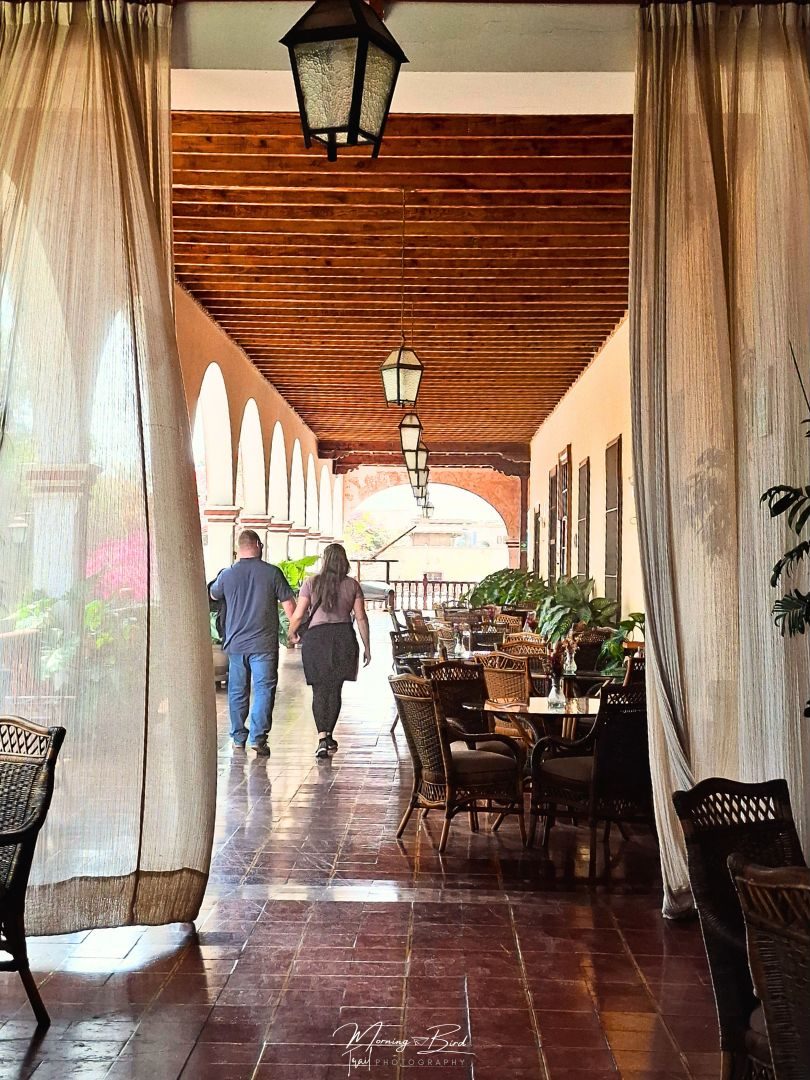
Hacienda San Jose was the first stop of the 2-day tour of PeruHop. This is an amazingly beautiful estate which is a striking comparison to the outside streets that you’ve been driving through for a while now. The colonial-style white facades, vast gardens (complete with a labyrinth), a sparkling pool, and even stables with alpacas and horses—all of it seemed like a different world… This grandiosity has, however, as expected, a dark background. The paintings inside depict the life of the estate during colonial times, but the most striking reminder is hidden underground: a network of tunnels stretching for kilometers toward the coast. Our guide explained how these tunnels were once used to smuggle slaves from ships inland, away from the authorities’ eyes. Walking through the cramped passages with their low ceilings and narrow corridors was haunting—it’s impossible not to feel the weight of history in those moments.
Paracas
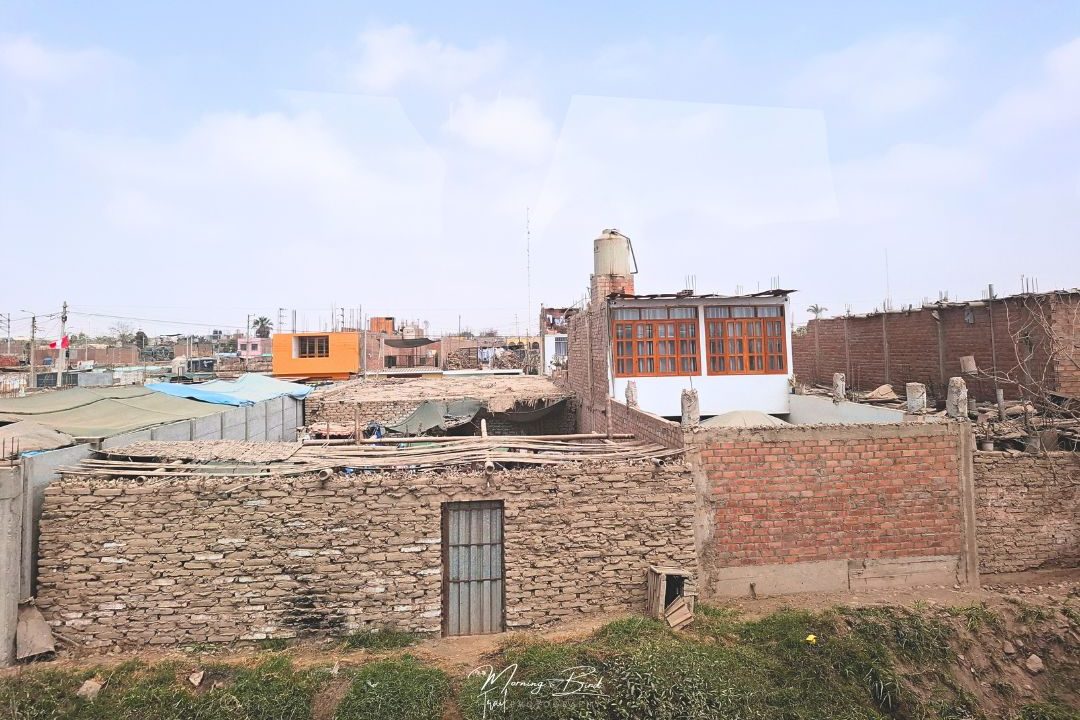
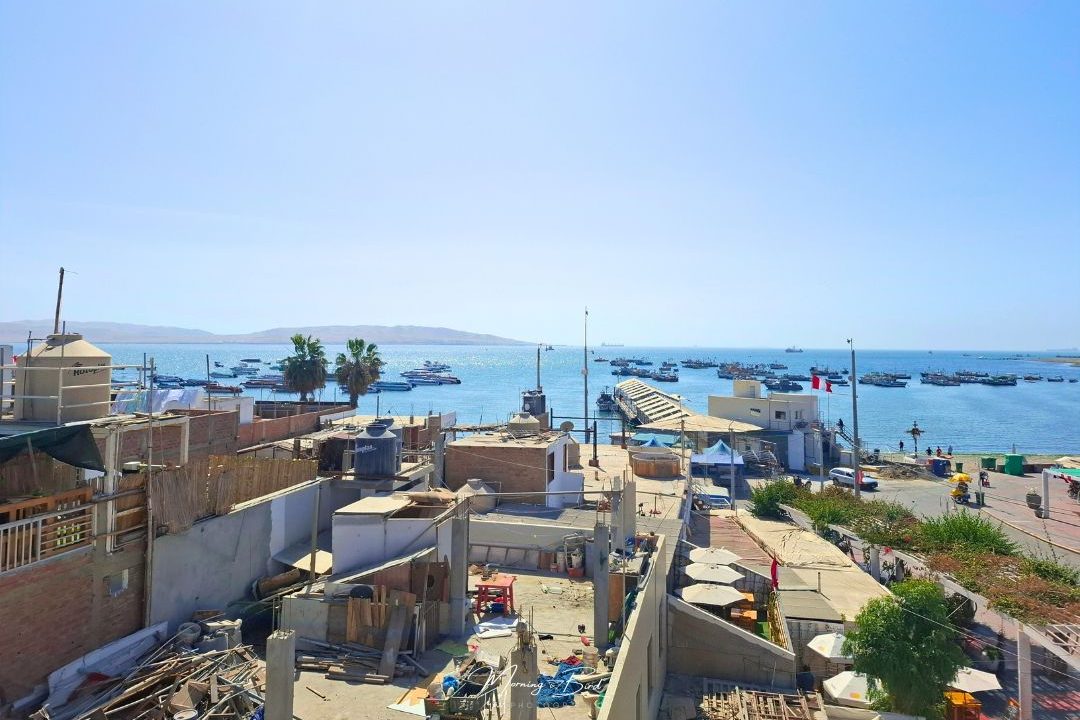
About an hour later, we rolled into Paracas, just in time for lunch. Once a sleepy fishing village, it has now grown into a laid-back hub for travellers passing through. We joined the group for lunch at a buffet-style restaurant serving a mix of typical Peruvian dishes—nothing fancy, but it did the job. To be honest, if you don’t have any PeruHop activities lined up right after, I’d probably skip this particular spot and explore one of the many other restaurants in town instead. But since we had to regroup with everyone for the afternoon tour, we stuck with the group and made the most of it.
Golden Shadows Trek
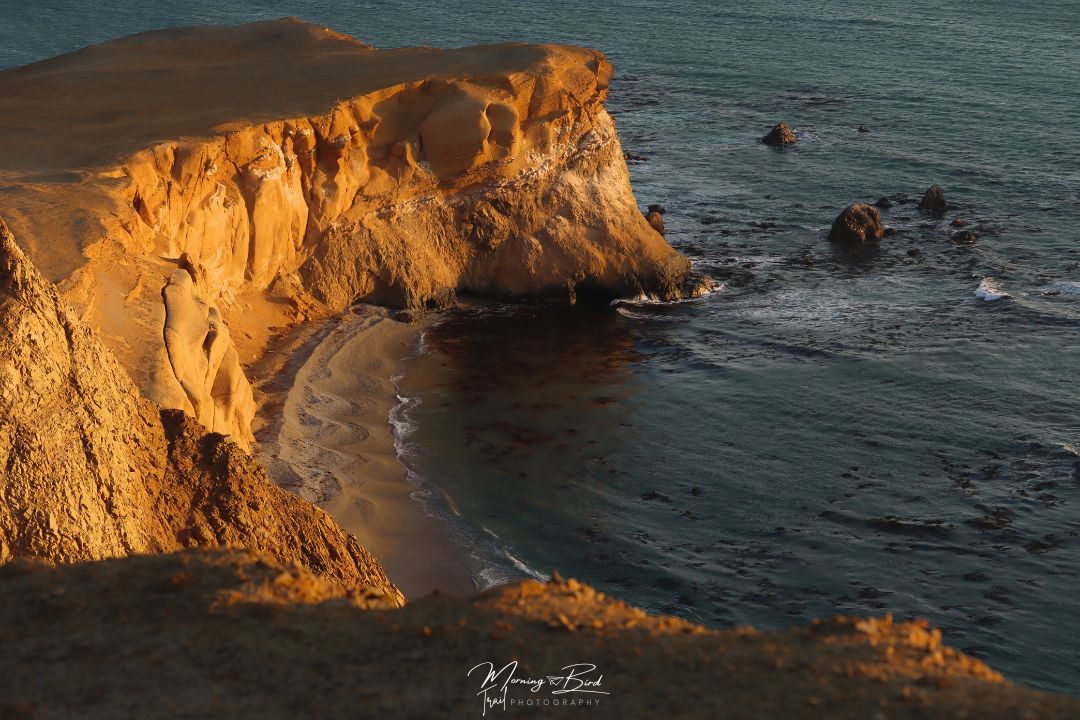
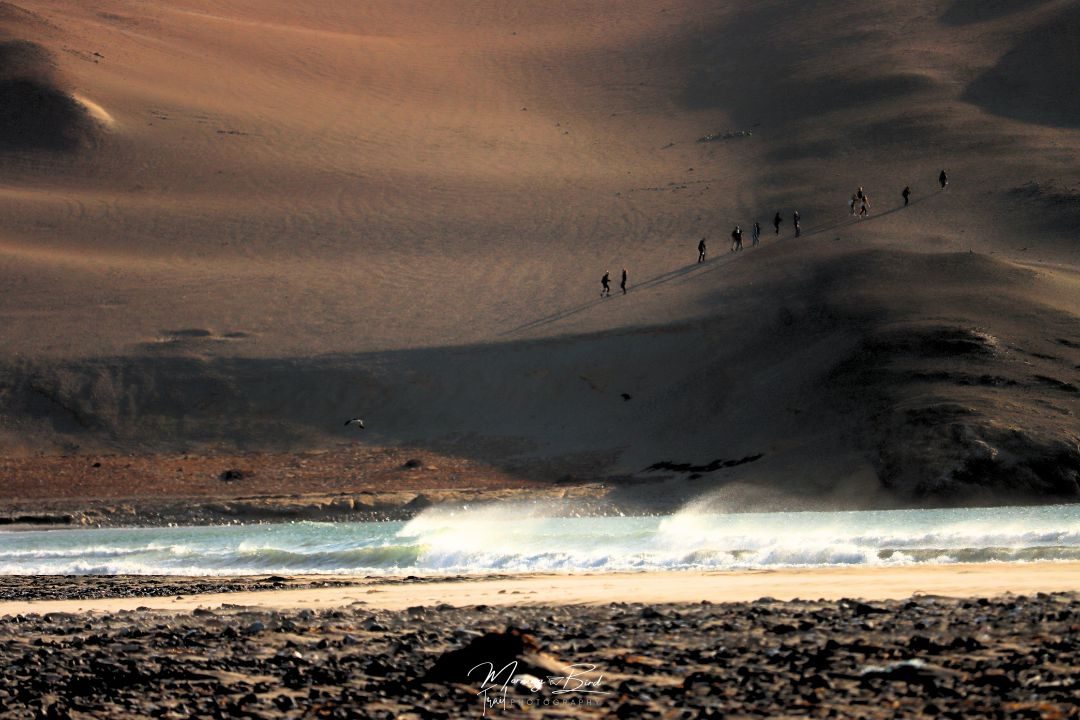
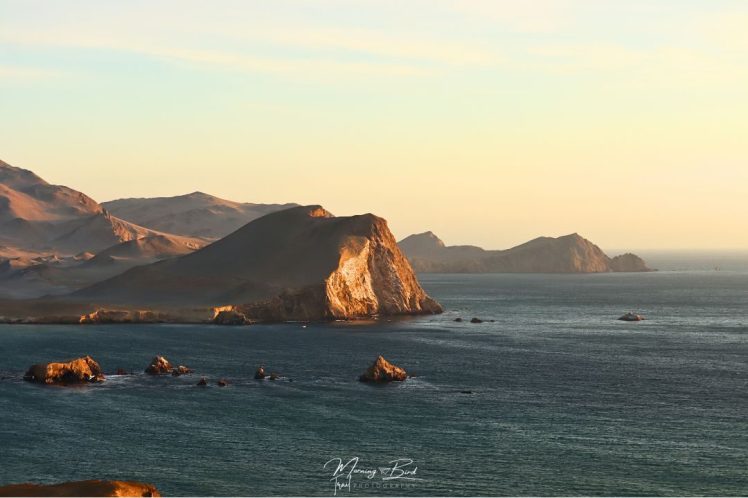
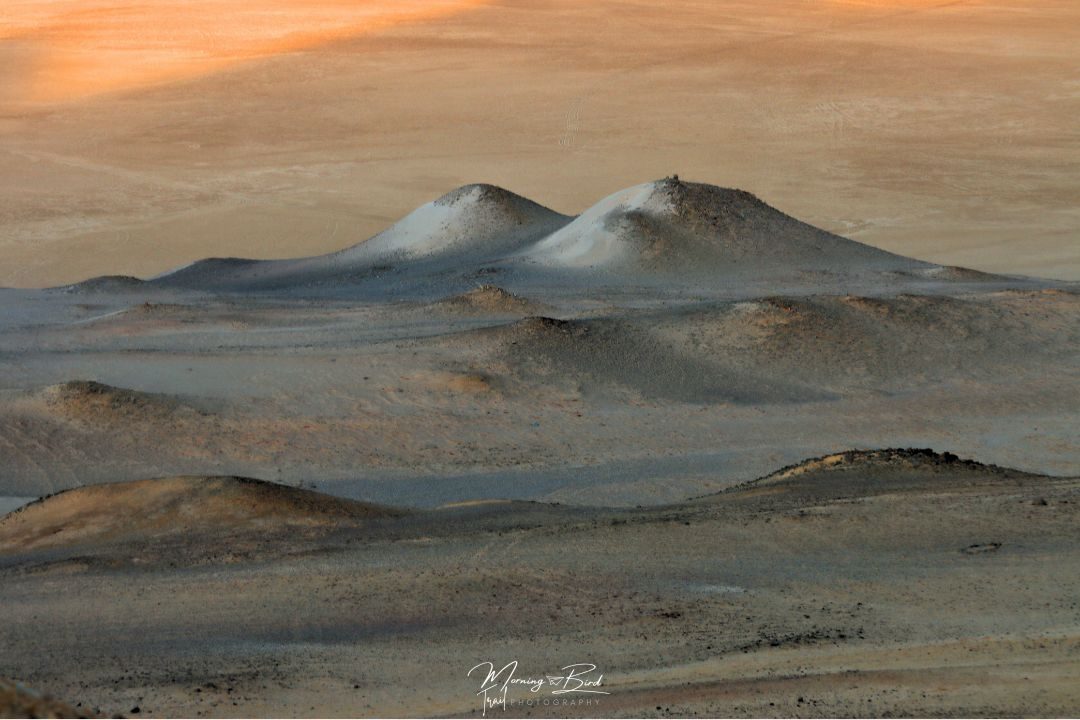
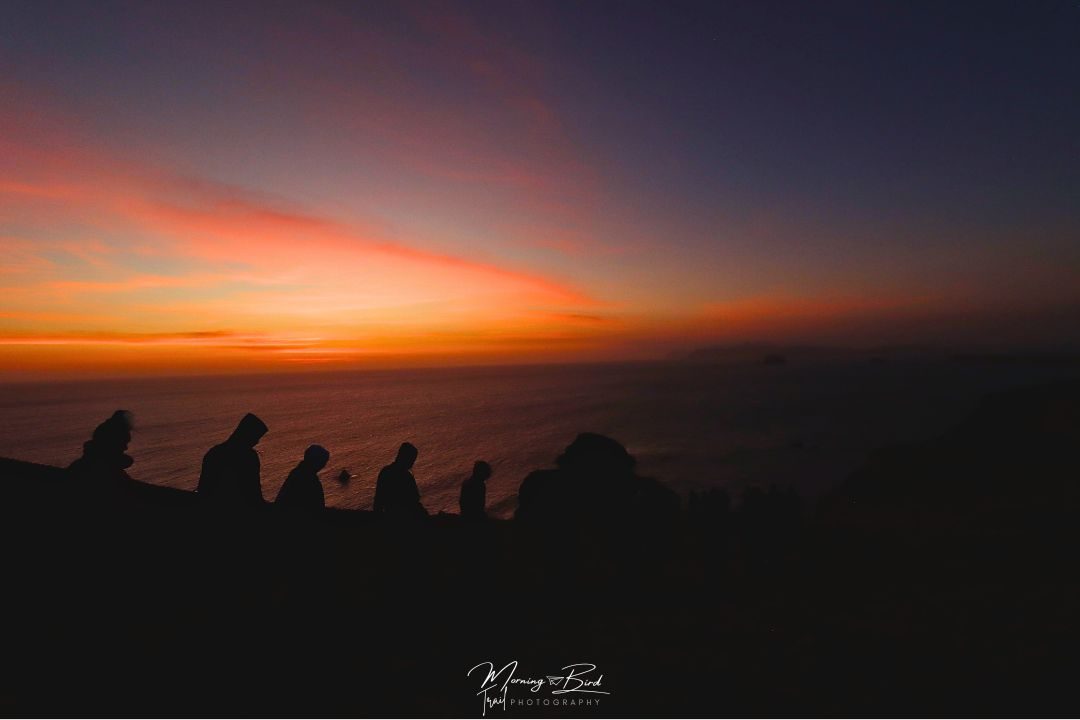
After lunch, around 3 p.m., there’s an optional trek you can add on—and if the weather cooperates, it’s absolutely worth it. This is a very nice first impression of the Paracas National Reserve, from desert to coastal landscapes. Hiking to viewpoints as the sun began to set was a highlight of the day, almost magical.
The hike itself isn’t too difficult, but do come prepared: bring water, sunscreen, and a windbreaker because the wind near the cliffs can be fierce. If your ears are sensitive to the cold, a beanie will make things a lot more comfortable. Entry to the reserve costs 11 soles in cash, so don’t forget to have some on hand. Your guide will also want to take fun pictures of you in the landscape and will always help you if you need. Our guide also kept things fun by suggesting creative photo ops along the way and was always ready to lend a hand if anyone needed it.
Day 2
Day two of the tour was much busier, packed with activities from start to finish. At times, a couple of stops felt a little rushed, but the organization made everything flow seamlessly. Instead of feeling overwhelming, the day turned into a whirlwind of fun experiences and little adventures—each one adding something memorable to the trip.
Ballestas Islands
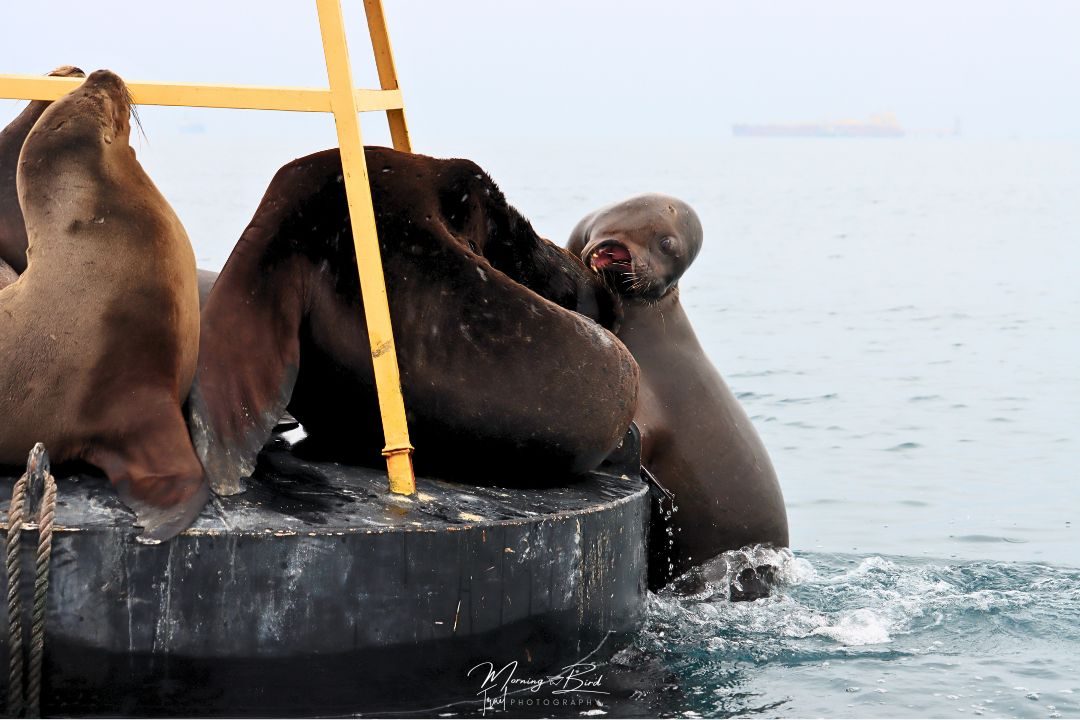
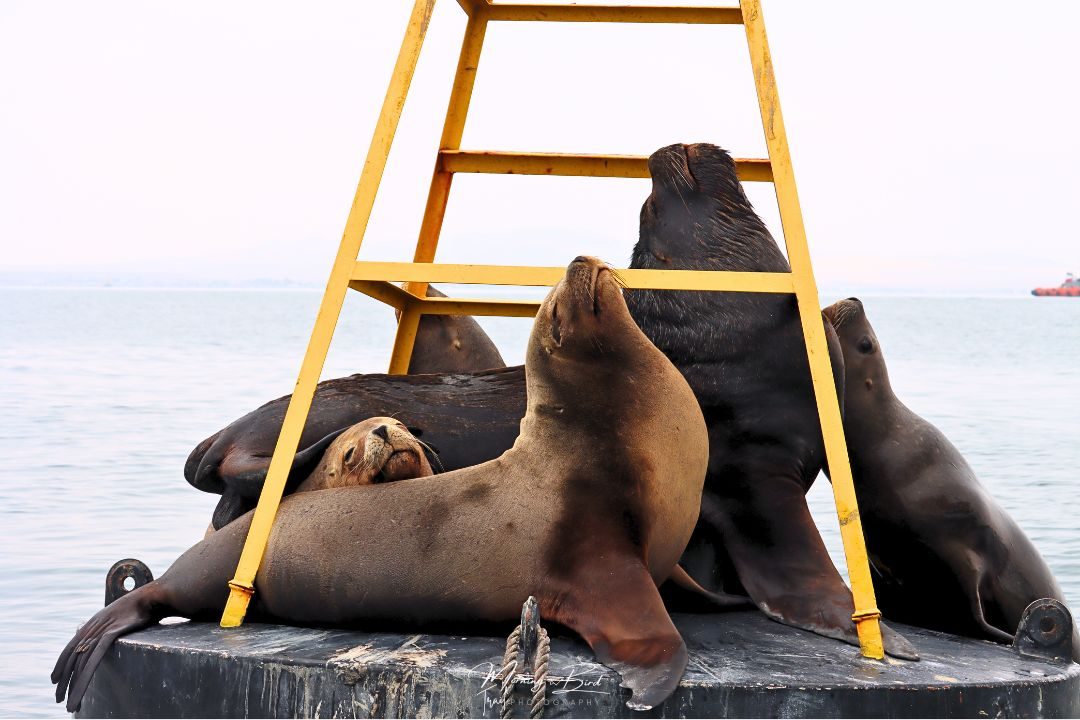
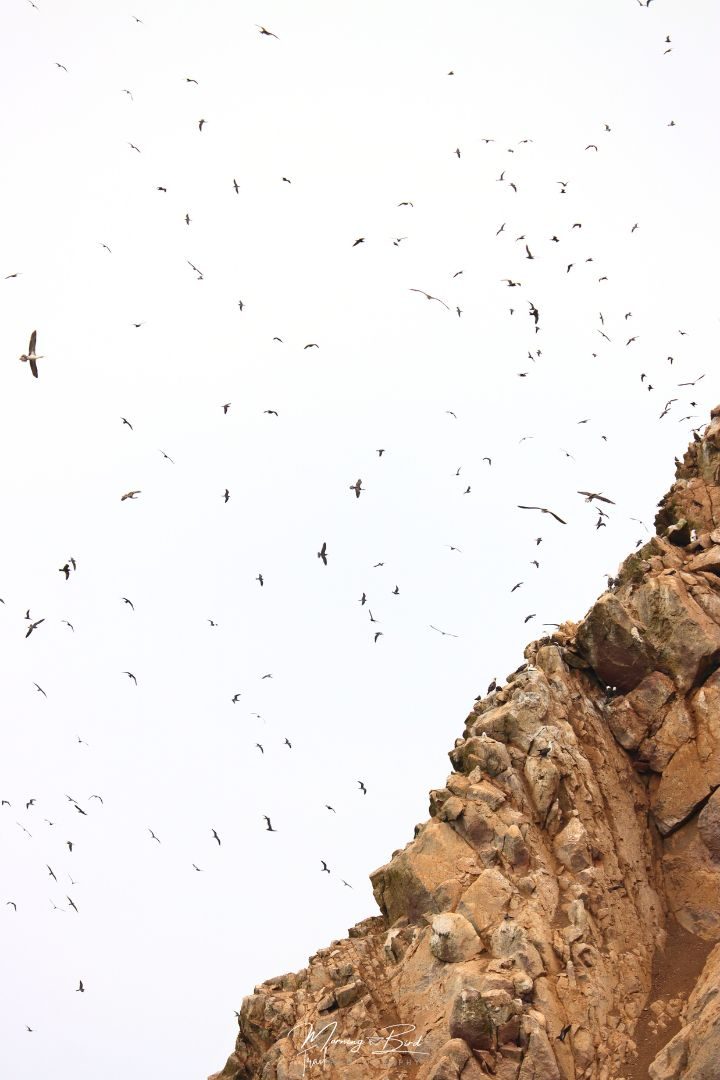
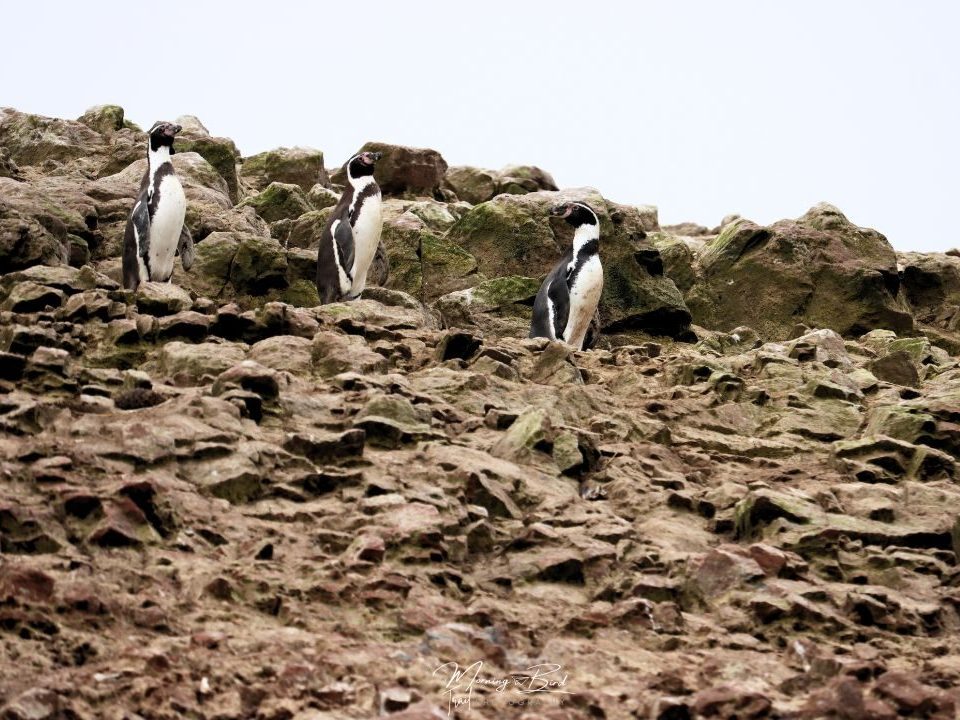
Day two started bright and early with a boat trip out to the Ballestas Islands—one of the highlights of the whole tour for me. The boats leave from the port near our meeting point at Hotel Residencial Los Frayles, and within minutes of setting off we were already spotting sea lions lounging right in the harbour. Within minutes, we spotted the first sea lions, just in the port by the boats! However, the actual magic started when we were getting closer and closer to the cliffs. There we could spot Humboldt penguins waddling along the cliffs, thousands of seabirds nesting above, bright red shrimps dotting the blue Pacific waters and crabs on the rocks. However, the biggest excitement came when we drifted past sea lions basking lazily on buoys, so close it felt like we could almost reach out and touch them. The tour takes about 2 hours and is absolutely worth the early start.


Paracas National Reserve
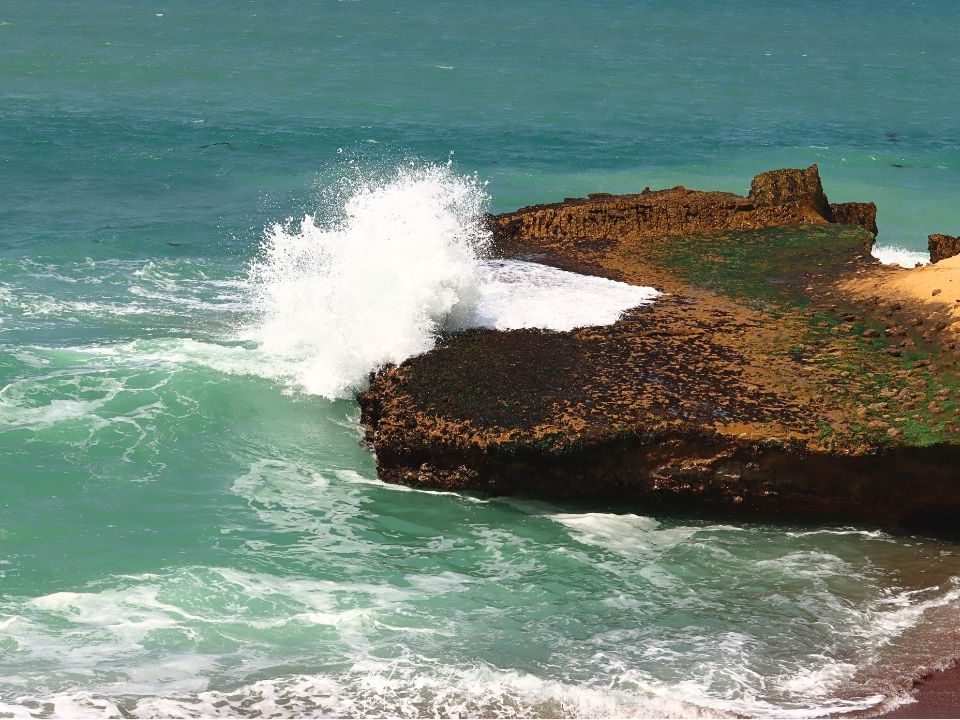
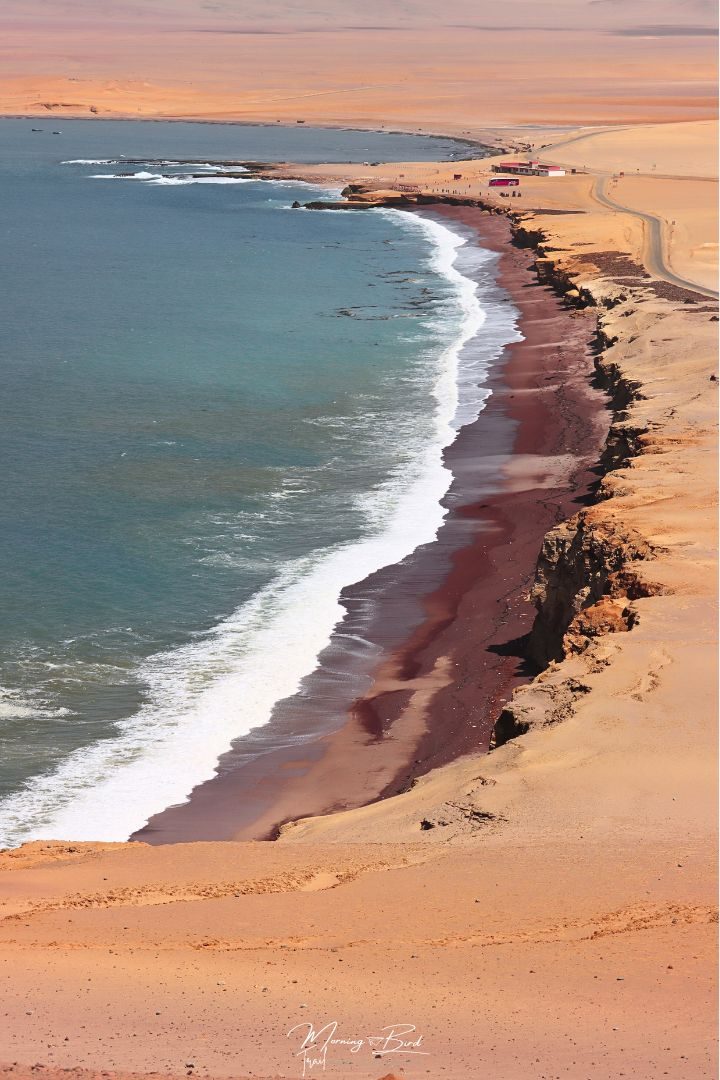
Back on land, we had some extra time to go back to the Paracas National Reserve and explore a bit more. This part of the tour felt a bit in-between—somehow both rushed and lingering longer than it needed to. We stopped at two viewpoints overlooking Playa Roja, famous for its striking red sand beach. While it was nice to see, it didn’t feel quite as magical or impactful as the trek we’d done the day before.
Pisco vineyard
After driving inland toward Ica for about 1 hour, we arrived at the Pisco Nietto Vineyard. Here, we got an inside look at how Peru’s famous Pisco is made, from grape to bottle. Of course, the highlight was the tasting session, sampling several of the vineyard’s signature drink. Lunch at the vineyard was optional, but realistically, if you want to stay with the group, it’s the only convenient option. The food was good, and sitting among the vines added a relaxed touch to the experience.
Huacachina

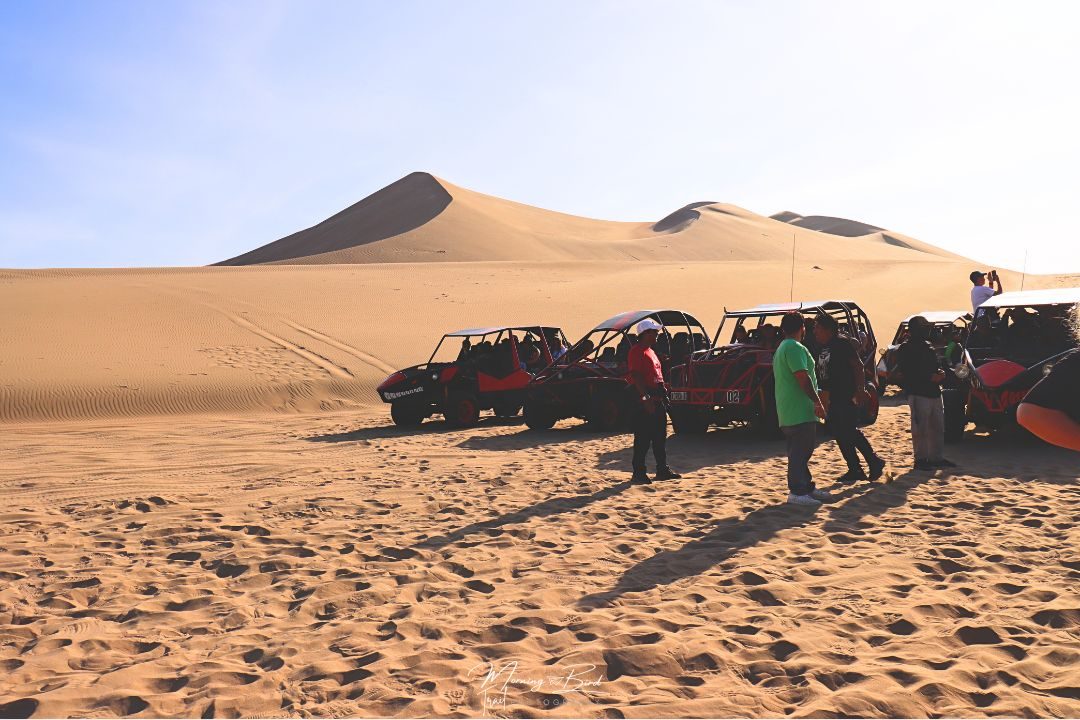
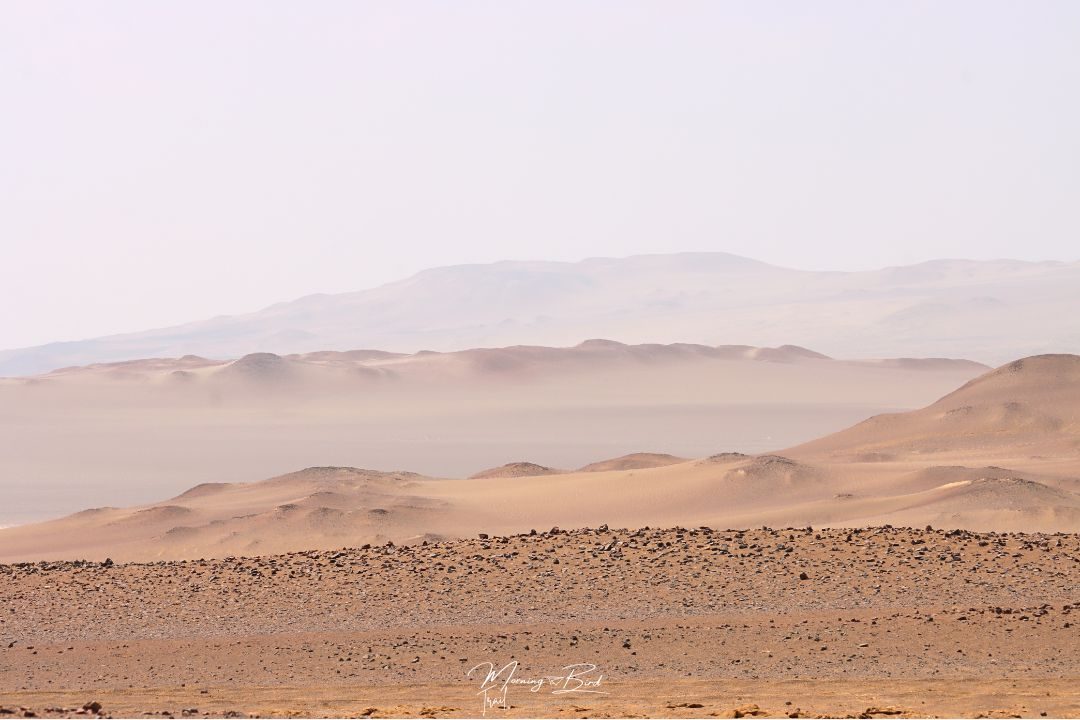
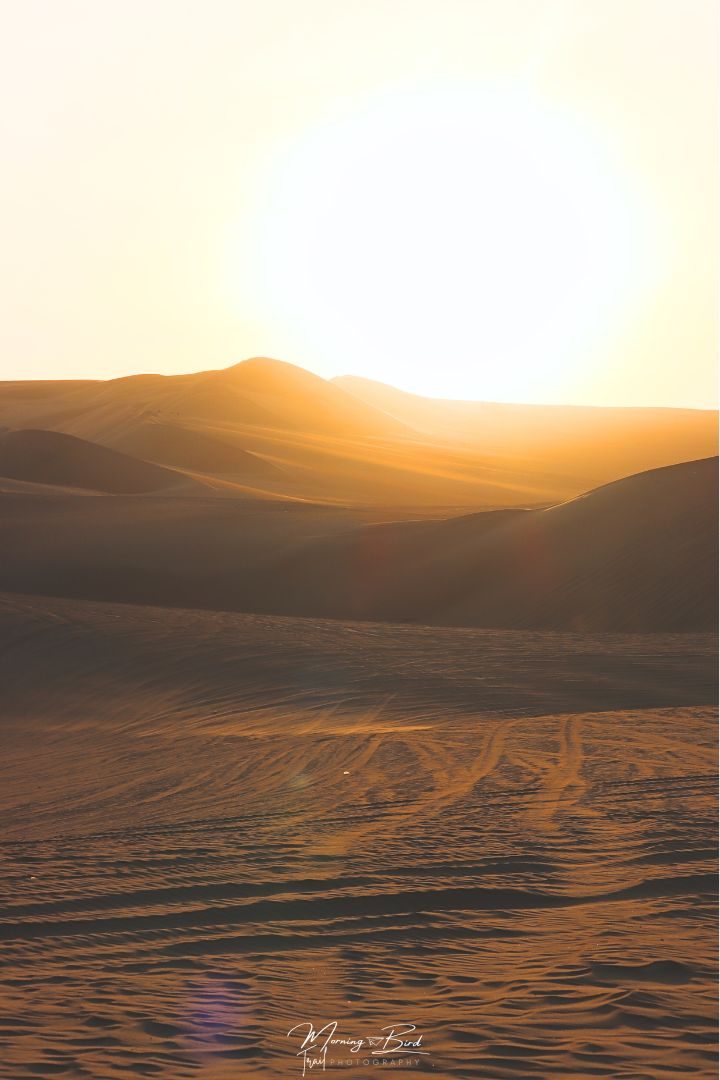
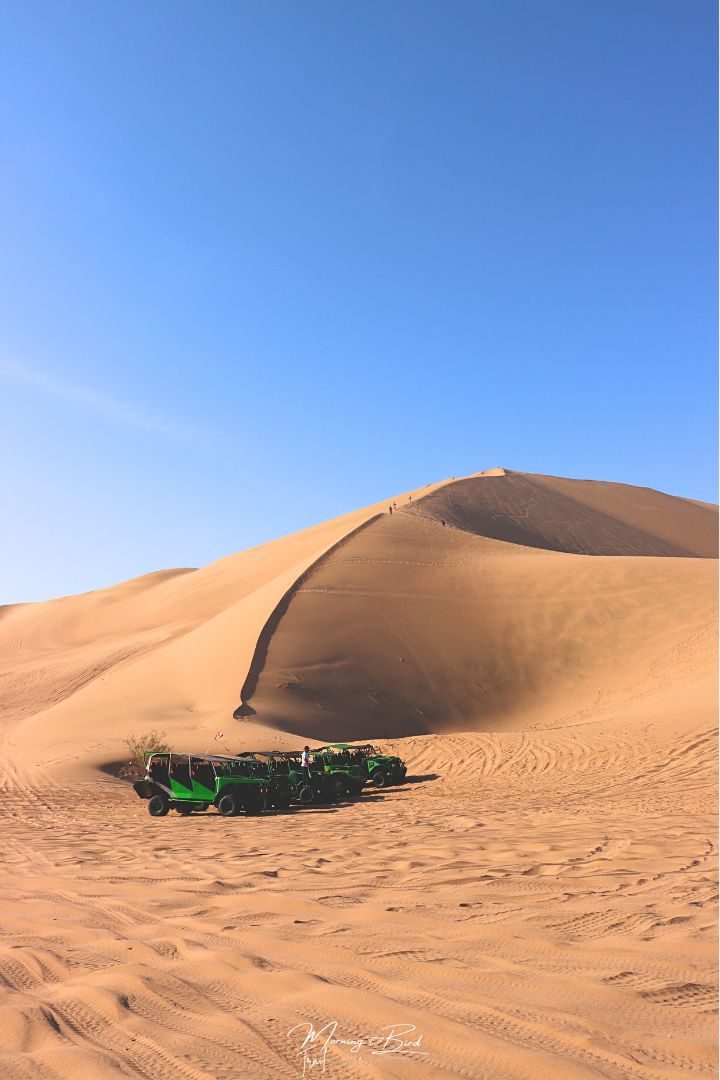
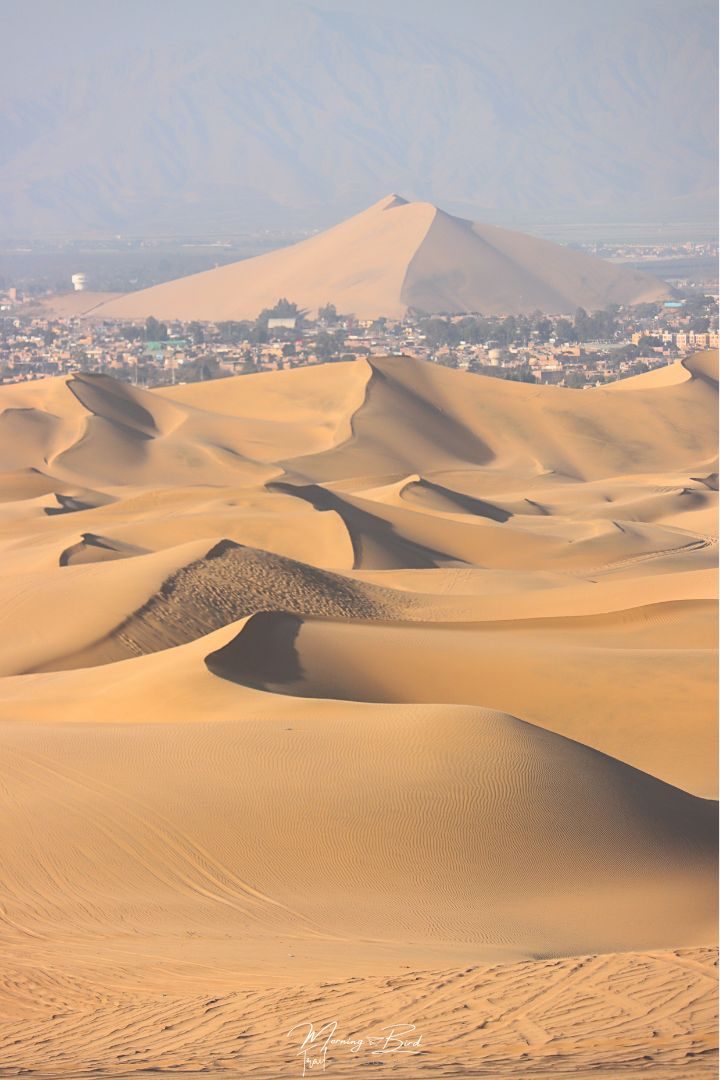
Shortly after leaving the vineyard, we arrived in Huacachina, just 30 minutes away. The famous oasis didn’t disappoint—huge sand dunes rise around the small town, making you feel completely enclosed by sand even while you’re in the heart of the city.
Soon after arriving, we hopped onto dune buggies, and the adrenaline kicked in immediately as we sped up and down the steep dunes. It was a very fun experience, even for not much of a thriller seeking girl. Along the way, we stopped at a few viewpoints, offering stunning perspectives of both the dunes and the oasis town below. The best parts were the glimpses of the oasis appearing and disappearing as we raced over the dunes.
At one point, we stopped on a group of dunes to sandboard. You can rent fancier boards in town and do proper sand boarding. However, I noticed that people using those tended to go slower and struggled more than those on the simple boards—sometimes, basic really is better!

Back to Lima
After all the thrills in Huacachina, we took a leisurely stroll around the oasis while waiting for our meal, which you can pre-book at Wild Rover Huacachina and enjoy right on the PeruHop bus. Soon after, we boarded the bus back to Lima, our hearts full of unforgettable memories. We got to Lima pretty late and the PeruHop team had everything organized to drop us off at our hotel, perfectly ending two incredible days of adventure.
A two-day trip from Lima to Paracas and Huacachina is a whirlwind of contrasts: the haunting history of the slave tunnels, the serene beauty of desert cliffs and wildlife, the vibrant flavours of pisco, and the heart-pounding fun of dune buggies and sandboarding.
If you’re ready to step off the beaten path, chase sunsets over golden dunes, and sip pisco in the heart of the desert, start planning your trip today!
If you’re exploring more of my Peru series, don’t miss our other guides:
- 🌊 Discover Paracas and the Ballestas Islands – where desert meets the sea.
- 🏔️ Explore Arequipa and the Colca Canyon – a blend of colonial charm and dramatic landscapes.
- 🌿Journey Through the Sacred Valley – ancient Inca ruins, colourful markets, and stunning Andes views.
- 🌈Conquer the Rainbow Mountain Hike – tips, preparation, and breathtaking views above 5,000 meters in the Andes.
- 🏛️ Experience Machu Picchu – history, hiking routes, ticket tips, and everything you need to plan the perfect visit to Peru’s most iconic wonder.
Pin for later!


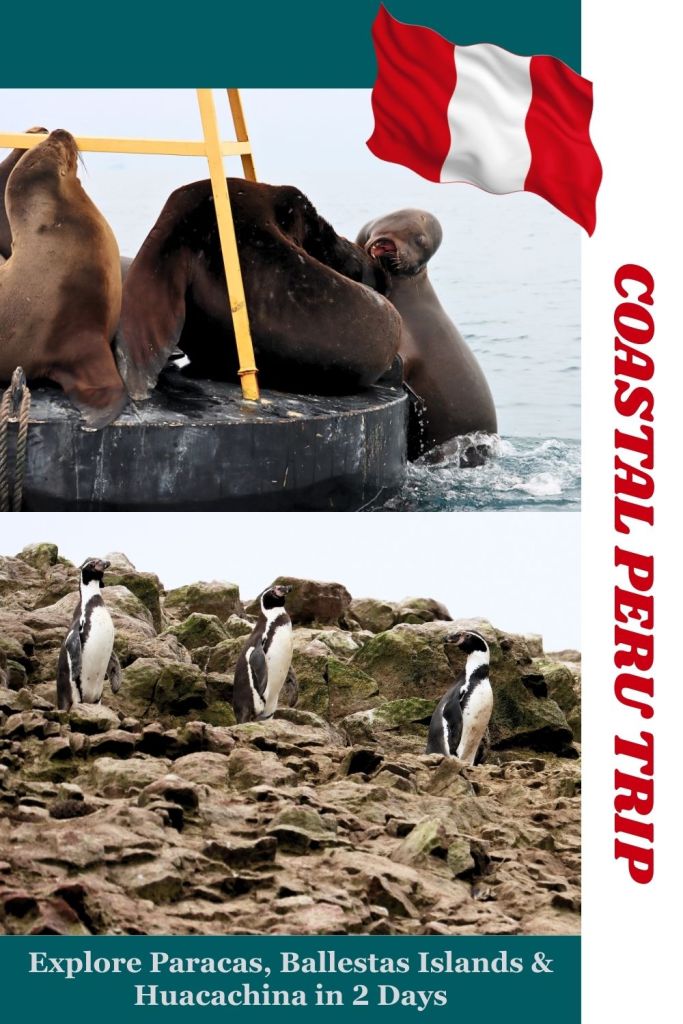
In case you are wondering, all these pictures were taking with the following equipment:
- Canon EOS 90d
- Samsung SD card
- Canon EF 50mm F1.8 STM
- Canon EF-S 55-250mm F/4-5.6 is STM
- Canon EF-S 10-18mm F/4.5-5.6 IS STM
- K&F Concept K-Serie 67mm ND Filter
- Samsung Galaxy A52 5G
More blog posts that you may like:
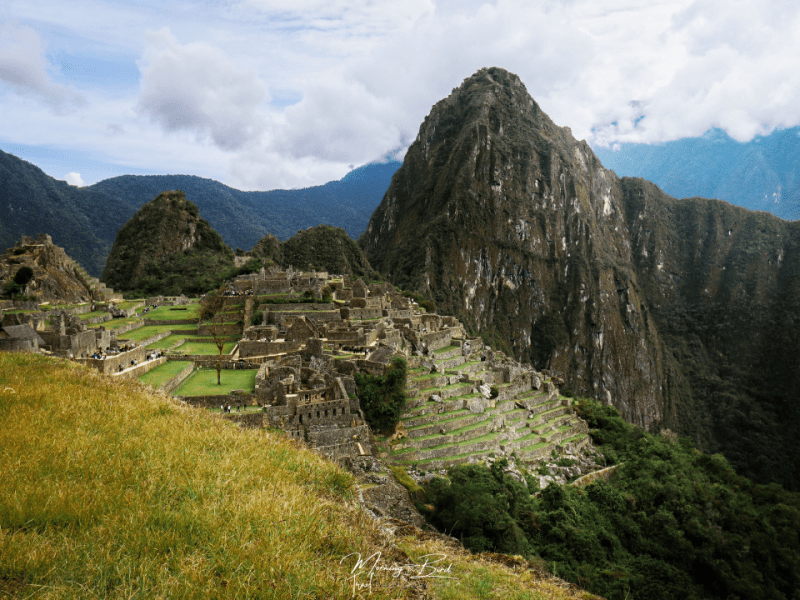
How to visit Machu Picchu: Tickets, Timing & Travel Tips
Planning a trip to Machu Picchu? From choosing the best time to visit to knowing exactly what to pack, this…
Keep reading
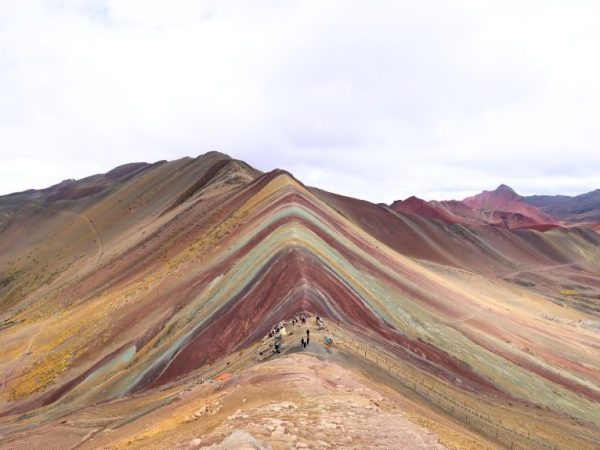
Rainbow Mountain in Peru: How to Prepare for This Epic Hike
Learn how to prepare for the Rainbow Mountain hike in Peru. From altitude tips and gear to trail insights, discover…
Keep reading
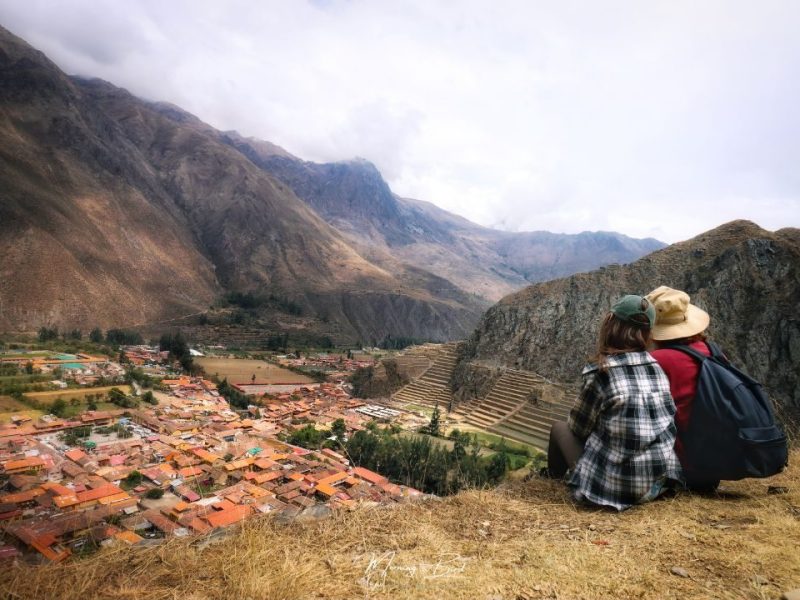
The Sacred Valley of the Incas: Ollantaytambo, Moray & More
A short way from Cusco you’ll find what is known as the Sacred Valley. When driving through this region, you’ll…
Keep reading
Arequipa: Exploring Peru’s White City
Even though Arequipa may be a much less well-known city than, let’s say, Cusco, it is the second biggest city…
Keep reading
Something went wrong. Please refresh the page and/or try again.
 MORNING BIRD TRAIL