
*Disclosure: Some of the links below are affiliate links, meaning, if you click through to make a purchase, I earn a small commission – at no extra cost to you!*
If you’re looking to see a different side of Germany — beyond the usual beer gardens and Alpine villages — a road trip through the north and east of the country is a great way to go. This region is packed with character: castles, bustling port cities, modern cultural hubs all within a few hours’ drive of each other. This road trip can also be added to my South Germany 9 day Roadtrip described on this blogpost.
Overview
How to get there?
There are plenty of airports scattered around the cities that will be part of this road trip, which you can adapt as you wish. The biggest ones of them are Berlin Brandenburg, Hamburg and Bremen. These are probably the easier points of entry if you are coming from the outside of the country. If you want to rent a car, you can do this typically in the airports and also in the cities. You can check the rental places and prices here.
Besides traveling by plane, Germany is very well connected through trains and this road trip can also be followed using trains instead (I did it and will also give recommendations about it). Deutsch Bahn has a somewhat negative reputation but from my experience, for the most part it works and their app (Db navigator) really helps making the plans and adapt in case of change of plans. Regarding the trains, you can also take advantage of the amazing Deutschland ticket that lets you use all the regional trains and most city public transport in the entire country (this is a nice website if you want to buy for a single month, without subscription, as a tourist, it is my go-to). Very worth the price if you are planning on a sort of interrail in the country. Note that you can’t use this ticket for ICE trains.
Day 1 & 2 – Bremen
I decided to start the route from Bremen, but you can start from where it is better for you (note that Bremen and Dresden are the start and finish points for a one way route).
Depending when you get to Bremen, you can start the day here and end it in Hamburg. Bremen is a very nice city with a very long history, being a very strategic Germany’s Hanseatic cities – a group of regions from the north of Europe that shared commerce and protection, back in the 1400s. Besides this the old town of Bremen is a UNESCO World Heritage location due to its Weser Renaissance architectural style.
Another reason why I really liked to visit Bremen, besides the beautiful Marketplatz, is the Schnoor Quarter, the oldest neighbourhood of Bremen and that wasn’t very affected by the WWII. This neighbourhood is really great to lose yourself in the super tight streets and imagine how parts of Germany could be if they hadn’t been destroyed.
Best things to do in Bremen
Bremen is a very walkable city and you can easily explore the city center by foot. If you want to learn more about the history of this magnificent town, a free walking tour can be a good idea. A fun alternative though, a bit more off the beaten path is to do an underground walking tour. Or for the foodies, even better a gastronomic walk.
1. Marktplatz & Bremen Town Hall (Rathaus)
Start in the heart of the Old Town. The UNESCO-listed Town Hall is a stunning example of Weser Renaissance architecture. Don’t miss the Roland Statue, a symbol of the city’s independence since 1404.
2. Bremen Town Musicians Statue
Just beside the Town Hall, find the statue inspired by the Brothers Grimm fairy tale. It’s smaller than you might expect, but a classic photo stop. This city is also one of the final stops for the famous Fairytale Roadtrip that you can do in the west side of Germany, from near Frankfurt am Main to Bremen (and Buxtehude).
3. Schnoor Quarter
Wander through this picturesque maze of tiny houses and shops. It’s Bremen’s oldest neighbourhood, filled with charm, galleries, and cafés. This was definitely an highlight of my visit and I truly enjoyed walking around in the super tight streets, sharing the almost inexistent space with postcard stands and other souveniers. You also have dedicated walking tours that focus on this quaint and cute part of town.
4. Böttcherstraße
An Art Deco–style street full of fascinating architecture, museums, and boutiques. Look out for the Glockenspiel that chimes several times a day (from January to March at 12 noon, 3 p.m. and 6 p.m. and from April to December between 12 noon and 6 p.m. on the hour, according to the official Bremen website, unfortunately I didn’t experience this myself).
Day 3 & 4 – Hamburg
From Bremen, Hamburg is only 1h30 by regional train or 1h by ICE and somewhere in between (around 1h15) by car.
Hamburg is Germany’s second-largest city and its bustling northern metropolis. This city is a very different vibe from Bremen. Hamburg is the main port city of the country making it a strategic point to be attacked during the WWII. This can be easily seen in the more modern and industrial architecture of the city. However, the contrasts between the older town house and the modern Elbpromenade, the old factories and the modern buildings that surround them and their canals make it a very nice place to visit, especially if you like street photography. As usual, free walking tour is always a nice idea to know more about the story of a city.
Best things to do in Hamburg
1. Speicherstadt & HafenCity
This UNESCO-listed warehouse district, crisscrossed by canals and iron bridges, is perfect for a photo walk. HafenCity, right next door, is a sleek redevelopment area with cafés, museums, and bold architecture. Another nice thing that Hamburg offers is boat rides through these canals, these can also be fun, with plenty music and colourful lights.
2. Elbphilharmonie (Elphi) and Harbor Promenade
Even if you don’t go to a concert, take the curved escalator to the public viewing platform for panoramic views of the city and harbor. Besides you can enjoy a stroll on the harbor promenade until the Landungsbrücken where you can hop on a public ferry for a cheap “harbour tour”, or grab a snack at a food stall, such as a Fischbrötchen (but you can find them more tasty in Rostock).
3. Miniatur Wunderland
One of Hamburg’s most famous attractions — and not just for kids. This sprawling model railway and miniature world is incredibly detailed and surprisingly addictive.
4. St. Michael’s Church (Michel)
Climb the tower for one of the best 360° views over Hamburg’s skyline and Harbor. To get there you also cross the Portuguese Quarter which is somewhat unexpected to find but that has several restaurants with more or less Portuguese (and spanish) food
Day 5 – Lübeck and Schwerin
Lübeck is located just 1h away from Hamburg by car, 50 min by regional train included on D-ticket and 40min using an ICE train.
This is a very nice city and a UNESCO World Heritage site known for its striking Brick Gothic architecture. The city once served as the capital of the Hanseatic League, and walking through its old town feels like stepping back into medieval times. A good way to experience everything Lübeck has to offer is through a bus city tour or a walking city tour.
Best things to do in Lübeck
1. Holstentor (Holsten Gate)
If you’re arriving by train, the Holstentor will be your first glimpse of Lübeck’s grandeur. This 15th-century city gate is an iconic symbol of the city, with its two round towers and arched entryway forming the perfect welcome.
2. Salzspeicher
Just next to the Holstentor, you’ll find the Salzspeicher, a row of charming 16th and 17th-century gabled brick buildings that once stored salt — Lübeck’s “white gold.”
3. Town hall
One of the oldest and most beautiful town halls in Germany, the Lübeck Rathaus features ornate facades, gothic arches, and renaissance-style additions that speak to the city’s wealthy past.
4. St Mary’s Church with little devil
This massive Brick Gothic cathedral was the model for many churches in the Baltic region. Don’t miss the whimsical little devil statue outside — part of a local legend about the church’s construction.
5. St Peter’s Church (“St.Petri-Kirche”)
Climb the tower for a panoramic view of Lübeck’s red rooftops and the nearby Trave River. The church itself also hosts art exhibitions and events.
Although it’s just an hour by car from Lübeck, Schwerin is a bit trickier by train. The journey requires a transfer in Büchen, taking about two hours in total. That being said, this city has the most beautiful castle I’ve seen in Germany, specially from the outside.
Schwerin
Schwerin Castle
Schwerin Castle is one of the most breathtaking castles in Germany, especially when viewed from across the lake. Unlike many castles perched on mountains, Schwerin Castle sits elegantly on an island right in the city center, surrounded by the tranquil waters of Lake Schwerin.
Its fairy-tale appearance, golden domes, and ornate towers make it a photographer’s dream. Once the residence of the dukes of Mecklenburg and later Mecklenburg-Schwerin, it now houses a museum and the state parliament. To learn more about the city, walking tours are always a great option, at least in Germany.
Castle Gardens and Schlosspark
After exploring the castle, wander through the beautifully manicured Schlosspark Schwerin. The Kreuzkanal offers perfect symmetry and leads the eye toward the small hill beyond, offering scenic views and quiet spots for a picnic or stroll.
Day 6 & 7 – Rostock and Warnemünde
Rostock is located 1h30 by car from Schwerin. With the train, you have a direct 45min ICE train or a 1h regional train (being the regional train included on the Deutschland ticket), to reach Rostock. Rostock and its seaside suburb Warnemünde offer a refreshing change of pace. You can also do a guided tour from Berlin or, even more fantastic, a sailing experience.
Best things to do in Rostock and Warnemünde
These are two small towns which means they can be seen pretty quickly, my suggestion of spending here two days is related with the nice beaches of Warnemünde.
Rostock
Rostock is a charming university town with a maritime soul.
1. Rostock Town Hall (Rathaus)
A striking building with pink Baroque elements layered over a Gothic foundation, the Rathaus reflects Rostock’s long-standing Hanseatic roots.
2. Kröpeliner Straße
The main pedestrian street is perfect for strolling, people-watching, and enjoying coffee or ice cream while admiring the facades of historic buildings.
3. St. Mary’s Church (Marienkirche)
This large brick Gothic church features a famous astronomical clock that dates back to the 15th century and still works today.
4. The Old City Walls and Gates
Explore remnants of Rostock’s medieval defenses, including the Kröpeliner Tor, one of several surviving gate towers.
Warnemünde
Only 20 minutes by local train from Rostock (also included with the D-Ticket), Warnemünde is a small fishing village turned seaside resort. It’s a popular stop for Baltic cruise ships, so you can also see the comparison between the huge ships and the little houses by the beach.
1. Warnemünde Beach (Strand)
Wide, clean, and covered in soft sand, this beach is perfect for lounging, beach walks, or even a quick swim — if you can handle the cold Baltic water!
2. Alte Strom (Old Channel)
The heart of Warnemünde’s charm lies here — a waterfront street lined with fishing boats, cafés, small shops, and those adorable seaside houses. On one side: fresh fish. On the other: giant cruise ships docking just meters away. It’s a surreal and fun contrast.
3. Lighthouse and Teepott
Climb the Warnemünde Lighthouse for panoramic views of the sea and promenade, then relax at the quirky Teepott building nearby with its 1960s East German flair.
4. Fish Snacks – Especially Backfischbrötchen
No trip here is complete without trying the local specialty: Backfischbrötchen — a crispy battered fish filet in a bun, usually served with remoulade and onions. Grab one fresh from a harbour stall and enjoy it by the water.
Day 8 to 12 – Berlin
After a week of exploring northern Germany, it’s time to dive into the heart of the country: Berlin, Germany’s capital and one of Europe’s most dynamic cities. A city of contrasts, Berlin combines a turbulent history with a vibrant, forward-looking culture. It’s also a place where creativity, freedom, and resilience are palpable in every corner. Whether you’re a history buff, an art lover, or a foodie, Berlin has something for everyone. Berlin is also home to several canals, even more extensive than the ones in Venice! Because of this fact, boat trips are a quite common way of visiting the city.
Best things to do in Berlin
1. Brandenburg Gate & Unter den Linden
Start at the iconic Brandenburg Gate and stroll along Unter den Linden boulevard to soak in Berlin’s central historic axis. All the buildings around this street have so much story and interest. Be sure to check Babelsplatz and the Berliner Dom.
2. Reichstag Building
Visit the German Parliament and its impressive glass dome (advance booking is required, especially for the guided visit to the Parlament which may fill quickly). Great views and symbolic architecture and history.
3. Berlin Wall Memorial & East Side Gallery
Understand the Cold War divide by visiting preserved parts of the Berlin Wall. The East Side Gallery is an open-air art gallery painted directly on a wall segment.
4. Museum Island
A UNESCO World Heritage Site in the heart of Berlin, home to five world-class museums including the Pergamon Museum and the Neues Museum. Other museums to consider are the Futurium, near the mains train station and the Deutsches Technikmuseum & Transport Museum, both very nice technology museums. Also, check, in Museum Island the Humbolt Forum rooftop for great views of Berlin city centre and the TV tower.
5. Kreuzberg & Neukölln Neighborhoods
For a more alternative, lived-in Berlin vibe, head to Kreuzberg or Neukölln — great spots for street art, Turkish food, vintage shopping, and trendy bars.
6. Tempelhofer Feld
The site of the former Tempelhof Airport, now turned into a vast urban park where you can cycle, skate, or just hang out with locals. You can also visit the old airport terminal, quite impressive guided tour.
7. Tiergarten
Berlin’s central park is massive and serene, perfect for a bike ride or leisurely walk. Inside, you’ll also find the Siegessäule (Victory Column) offering panoramic views, and the peaceful atmosphere is a great contrast to the city buzz. If you are lucky, at dawn you can also find foxes running around and during the day rabbits jumbing around.
8. Teufelsberg (Devil’s Mountain)
Still describing parks and forests, Teufelsberg is a Cold War relic turned into one of Berlin’s quirkiest attractions, this former U.S. spy station sits atop an artificial hill made from WWII rubble. You can explore the eerie remains of the station, admire ever-changing street art, and enjoy panoramic views over the Grunewald forest.
9. Mauerpark
On Sundays (but not only), this park turns into a local hotspot with flea markets, street food, and the legendary Bearpit Karaoke. It’s a great place to feel Berlin’s community spirit and creativity.
10. Kaiser Wilhelm Memorial Church
Located on Kurfürstendamm, this bombed-out church has been left as a ruin and memorial to the destruction of war. It’s a striking contrast to the surrounding modern buildings, and the newer chapel next to it features stunning blue stained-glass walls. In December it also becomes the city’s biggest Christmas Market.
11. Berlin Zoo & Aquarium
One of the oldest and most famous zoos in the world, Berlin Zoo is centrally located near Tiergarten and houses a huge diversity of animals. Ideal if you’re traveling with kids or want a peaceful green space that’s both educational and relaxing.
If you love sunsets as much as me, Berlin is an amazing city to view the sunset. In fact, I’ve written a blogpost just dedicated to catch the best Berlin sunsets:
Day 13 and 14 – Dresden
Best things to do in Dresden
Wrap up your journey in Dresden, about 2 hours from Berlin by train or car. Dresden is one of the most beautiful cities in Germany and possibly Europe, known as the “Florence on the Elbe.” Heavily bombed during WWII, it has been painstakingly rebuilt and is now a vibrant cultural and architectural jewel. A city with so much history is also a great for a free walking tour.
Best things to do in Dresden
1. Zwinger Palace
Start with the stunning Zwinger Palace — one of the city’s most iconic landmarks. It houses several excellent museums, including the Old Masters Picture Gallery, with works by Raphael, Rembrandt, and Vermeer. The architecture alone is worth the visit.
2. Frauenkirche (Church of Our Lady)
Symbol of Dresden’s rebirth, the church was completely rebuilt from rubble and now offers incredible views from the city on top of its dome.
3. Brühl’s Terrace & Elbe River Promenade
Stroll along the Elbe for a relaxing view of the historic skyline. Known as the “Balcony of Europe”, sunset here is especially beautiful.
4. Semperoper (Semper Opera House)
Even if you don’t catch a performance, consider a guided tour of this opulent opera house. It’s one of the most beautiful in Europe and deeply connected to the musical history of Germany.
5. Neustadt District
Cross the river to find a lively alternative scene full of street art, indie cafés, and local boutiques.
6. Pillnitz Palace
About 30–40 minutes from central Dresden (easily reached by bus, bike, or a relaxing Elbe river cruise), Schloss Pillnitz is a beautiful Baroque palace complex with lush gardens and scenic river views. Once the summer residence of Saxony’s royalty, it’s now home to several small museums and perfect for a quiet half-day trip. The palace blends Chinese and Baroque architectural styles and sits right on the riverbank, making it a peaceful and photogenic stop.
In case you are wondering, all these pictures were taking with the following equipment:
- Canon EOS 90d
- Samsung SD card
- Canon EF 50mm F1.8 STM
- Canon EF-S 55-250mm F/4-5.6 is STM
- Canon EF-S 10-18mm F/4.5-5.6 IS STM
- K&F Concept K-Serie 67mm ND Filter
- Samsung Galaxy A52 5G
This route forms a one-way itinerary from Bremen to Dresden (or vice versa if you prefer). It offers a perfect mix of history, architecture, nature, and local experiences — with each stop providing a unique window into northern and eastern Germany.
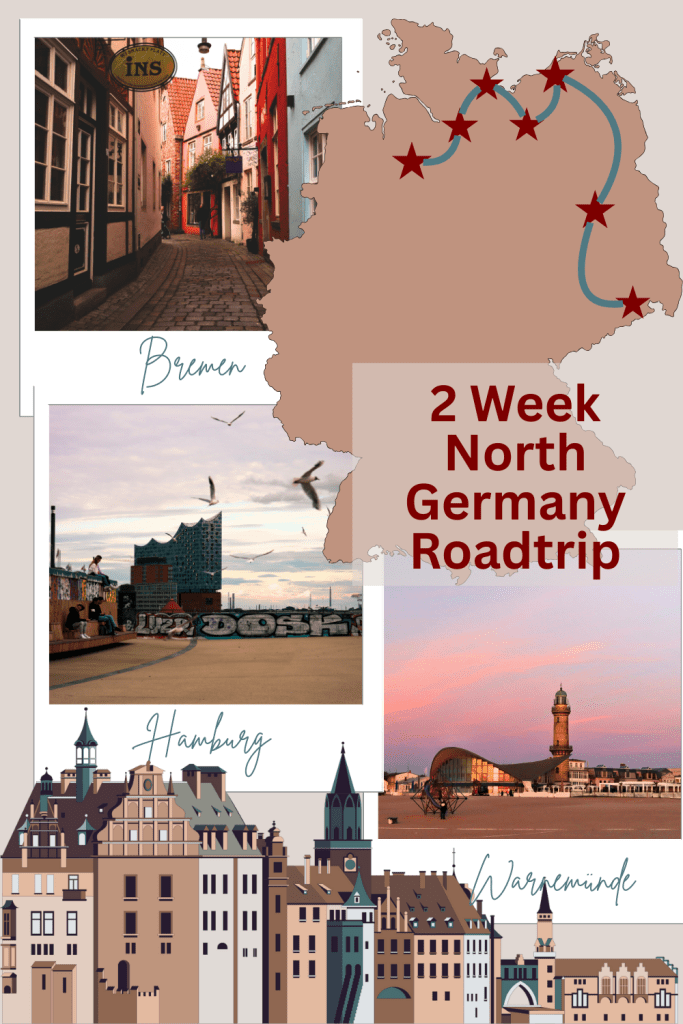
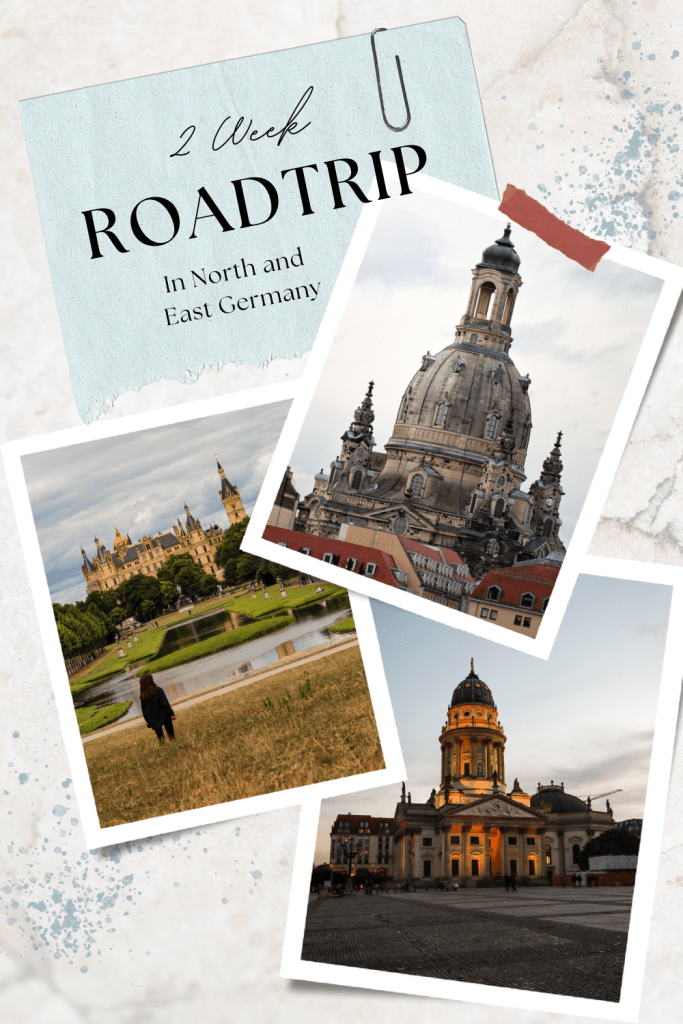
Pin for later!
More blog posts that you may like:
Rainbow Mountain in Peru: How to Prepare for This Epic Hike
Learn how to prepare for the Rainbow Mountain hike in Peru. From altitude tips and gear to trail insights, discover how to fully enjoy this breathtaking Andean adventure.

The Sacred Valley of the Incas: Ollantaytambo, Moray & More
A short way from Cusco you’ll find what is known as the Sacred Valley. When driving through this region, you’ll see beautiful snow-capped mountains, inca terraces, and ancient ruins – that some…
Explore Paracas, Ballestas Islands & Huacachina in 2 Days – Coastal Peru Trip
Experience the best of Peru in just 2 days from Lima! Visit Paracas’ wildlife-filled cliffs, taste authentic Pisco at a vineyard, and get your adrenaline fix with dune buggy rides and sandboarding…
 MORNING BIRD TRAIL