
*Disclosure: Some of the links below are affiliate links, meaning, if you click through to make a purchase, I earn a small commission – at no extra cost to you!*
When you think of Switzerland, what comes to mind? Pristine alpine landscapes, snow-capped peaks, and a reputation for precision and efficiency? While all of this is true, Switzerland is also a dream destination for train enthusiasts. This mountainous wonderland offers not only an impressive and efficient rail system but also some of the most breathtaking scenery in the world. From towering peaks to picturesque valleys, the Swiss rail network takes travelers on an unforgettable journey through stunning landscapes. So, if you’re considering interrailing through Europe, Switzerland should undoubtedly be on your dream destination list. In this blog post, I’ll take you along on my week-long journey through Switzerland by train. Join me as I share the highlights of this incredible trip and offer tips and insights on how to make the most of your own Swiss rail adventure. Whether you’re a seasoned traveler or planning your first interrailing trip, let my experiences inspire you to explore the beauty of Switzerland by train.
Overview
- What is interrailing?
- The interrail app
- Geneve to Montreux
- Montreux to Zermatt
- Zermatt
- Zermatt to Lauterbrunnen
- Lauterbrunnen to Bern
- Bern to Geneve
- Summary
What is interrailing?
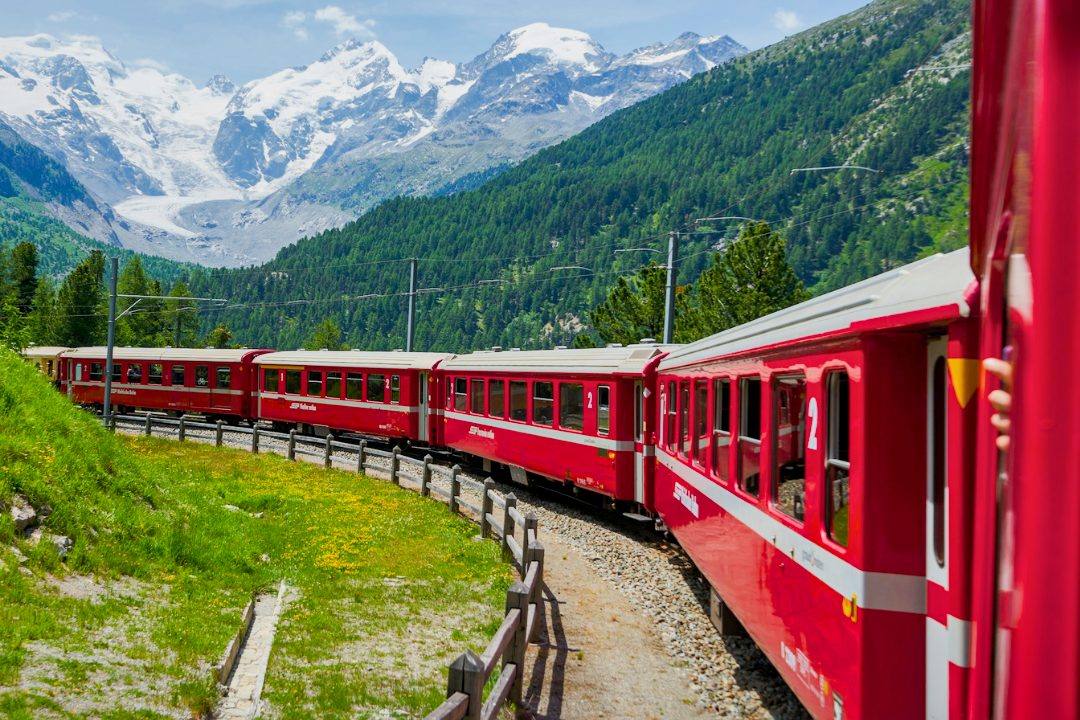
Interrailing is a popular way to explore Europe, especially among young adults, students, and really, anyone with a thirst for adventure, no matter their age! At its core, interrailing involves purchasing an Interrail Pass, a special ticket that grants you unlimited travel on participating train networks across Europe for a set period. With an Interrail pass, travelers can hop on and off trains at their leisure, exploring multiple countries and cities within the expansive European rail network.
What makes interrailing so special is its flexibility and cost-effectiveness. It’s a brilliant way to experience the rich diversity of European cultures, landscapes, and attractions—all while enjoying the unique charm of train travel. Imagine waking up in Paris, having lunch in Brussels, and then spending the afternoon wandering through Amsterdam’s canals—all in one day if you like! This spontaneity is one of the biggest draws of interrailing. You can change your plans on a whim, chasing whatever new adventure catches your fancy.
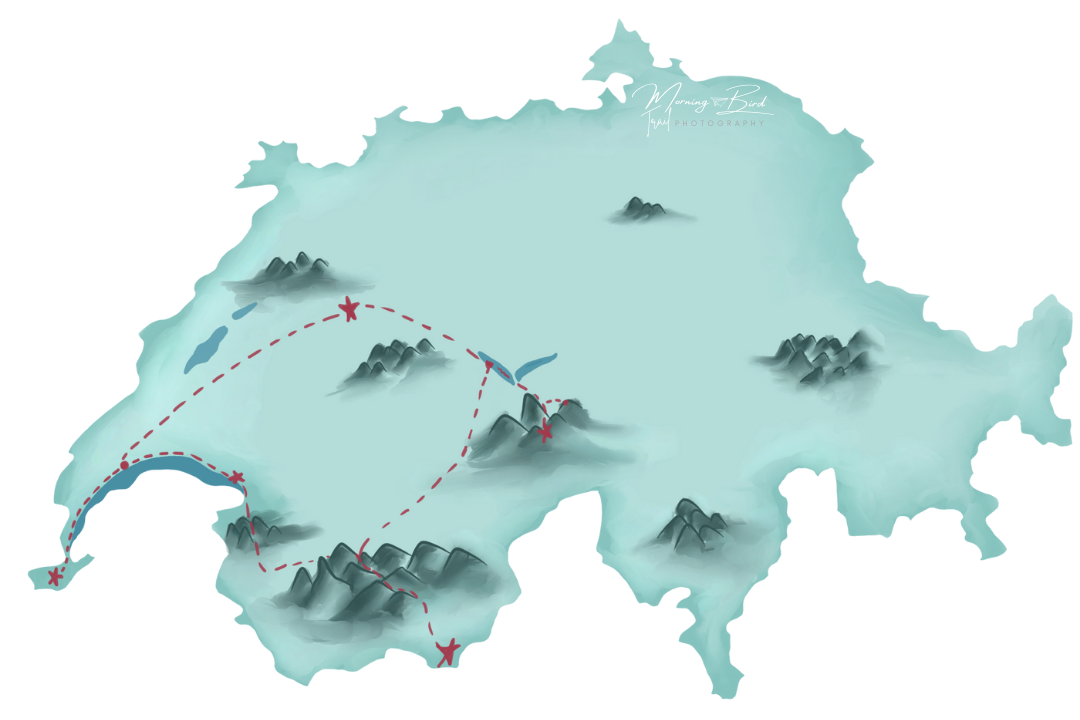
However, it’s important to note that interrailing isn’t the perfect fit for every travel style or budget. If your itinerary involves just one train trip per day, there might be cheaper options available, like booking individual train tickets (though perhaps not in pricier countries like Switzerland) or taking a FlixBus, particularly if you’re only planning to visit major cities. Interrailing shines brightest when you use it to explore those hidden gems between the big destinations—the quaint villages, the lesser-known cities, and the scenic routes that make train travel so enchanting.
For this trip I chose the one country ticket (for Switzerland) that allowed me to travel for 5 days within a month.
Note that “Interrail” is the term of the tickets for european citizens. If you live outside Europe, you’ll want to check out the Eurail tickets!
The Interrail app
Every great adventure begins with a single step—or, in the case of an Interrail journey, with a single download: the Interrail app. This app is more than just a tool; it’s your digital companion on the rails. It lets you plan your entire trip, link your Interrail pass, and activate your daily tickets, all in one place.
One of the standout features of the Interrail app is its ability to help you plan your journey with confidence. For example, when traveling through Switzerland, the app’s timetables were spot on. The predicted departure times always matched the actual times, allowing for seamless planning. However, it’s worth noting that while the departure times are reliable, the train numbers might not always match up.
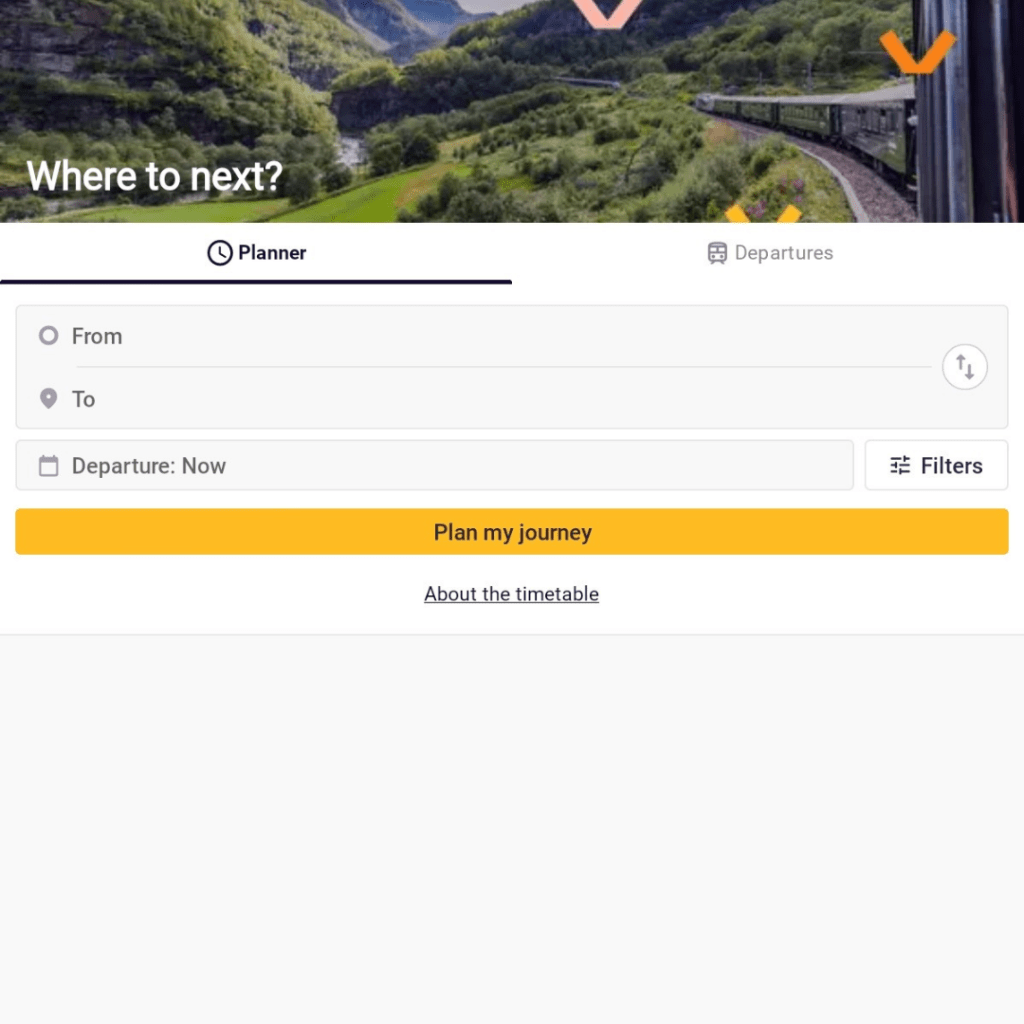
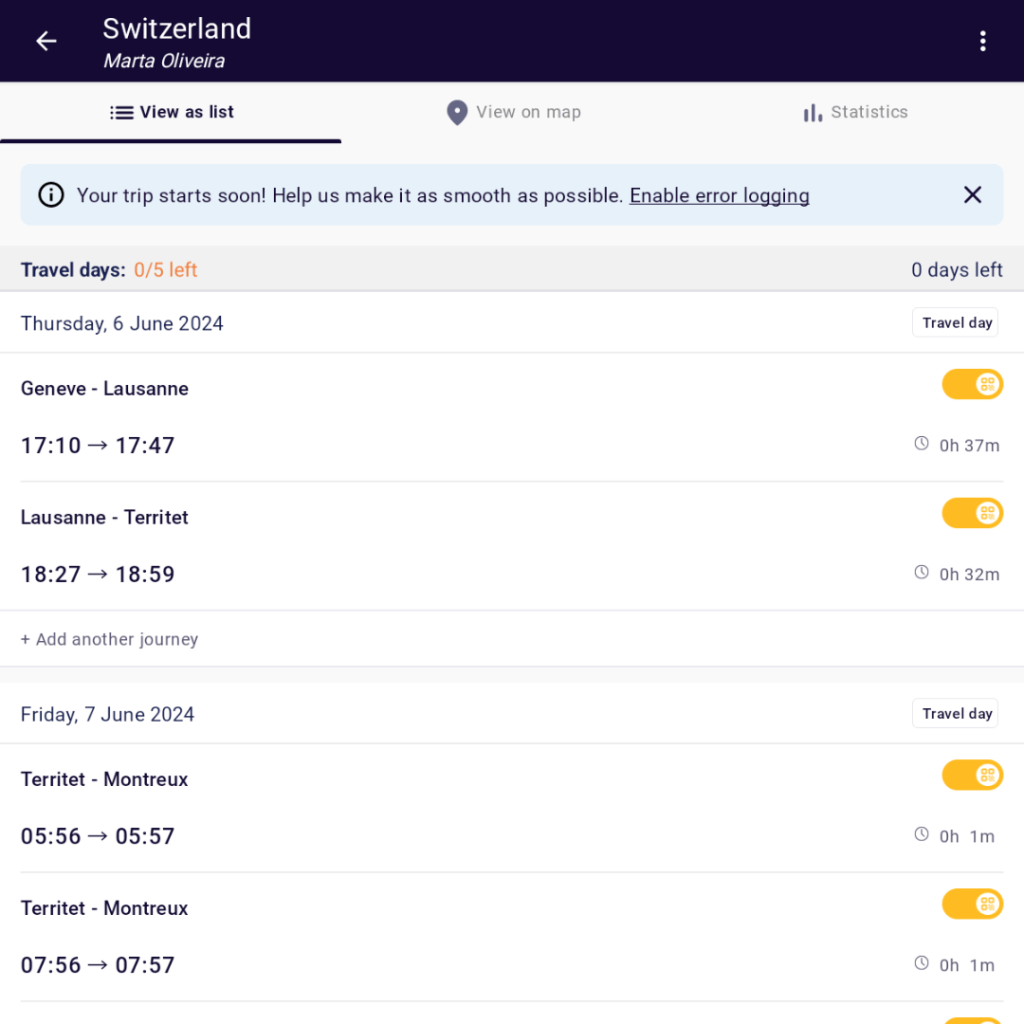
A crucial tip: you’ll need internet access to download your tickets. But here’s the good news—once you have your daily ticket (which you can activate in advance if you’re absolutely certain about using the trains that day), you don’t need an internet connection to modify your travel plans. This is particularly important in Switzerland, where your usual European data plan might not cover roaming costs since Switzerland isn’t part of the European Economic Area. So, it’s a good idea to get your day’s travel sorted while you still have access to Wi-Fi or data.
If you’re wondering how to get started with associating your pass to your trip, it’s a pretty straightforward process. Just head to the official Interrail website, and you’ll find all the steps laid out for you. With the app ready to go, you’re set for an incredible journey across Europe, all from the comfort of a train seat.
Day 1 – Geneve to Montreux
My adventure kicked off with a midday arrival at Geneva Airport, and I wasted no time diving into my itinerary.
First stop: CERN. As a bit of a science nerd, this was an absolute must-see for me. I mean, how could I resist visiting the world’s largest particle physics laboratory, especially when it’s free? As soon as I learned that CERN offers tours and exhibitions, it shot straight to the top of my bucket list for this trip!
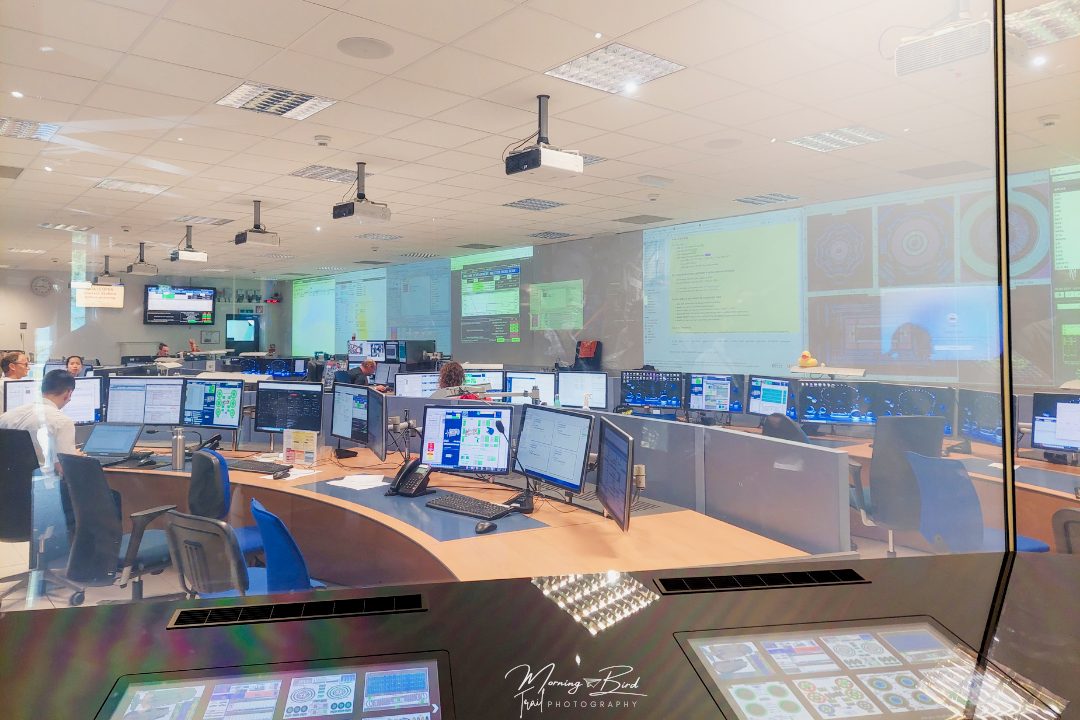
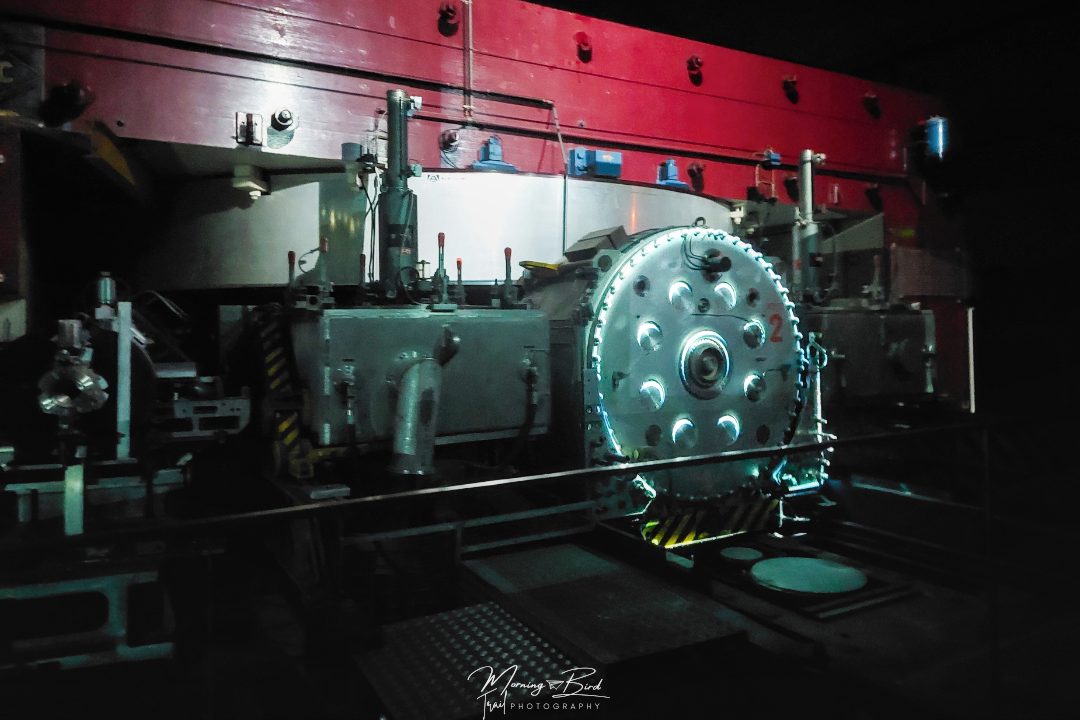
If you’re planning to visit CERN, be sure to set aside a good chunk of your day. I’d recommend blocking at least 4 hours, but if you can spare more time, even better! Upon arriving, I headed straight to the reception, which is conveniently located near the tram stop, just to the left of the glass bridge. Here, you can connect to their Wi-Fi and reserve your spots for various tours and exhibitions. There’s a lot to choose from, whether it’s exploring their permanent exhibitions or taking a guided tour to the ATLAS control room or even the site of the first particle detector ever used. if you want to be part of a guided tour, make sure to reserve it as soon as you can!
After my visit to CERN, I kept going by train torwards Montreux, where I would stay for the night. On the way, I made a pit stop in the picturesque town of Lausanne. Unfortunately, the weather wasn’t on my side—it was pouring rain when I arrived and didn’t let up during my visit. Despite that, the town looked super beautiful, although navigating the steep hills was a bit of a challenge. If you have the luck of better weather, you can always try this fun treasure hunt activity!
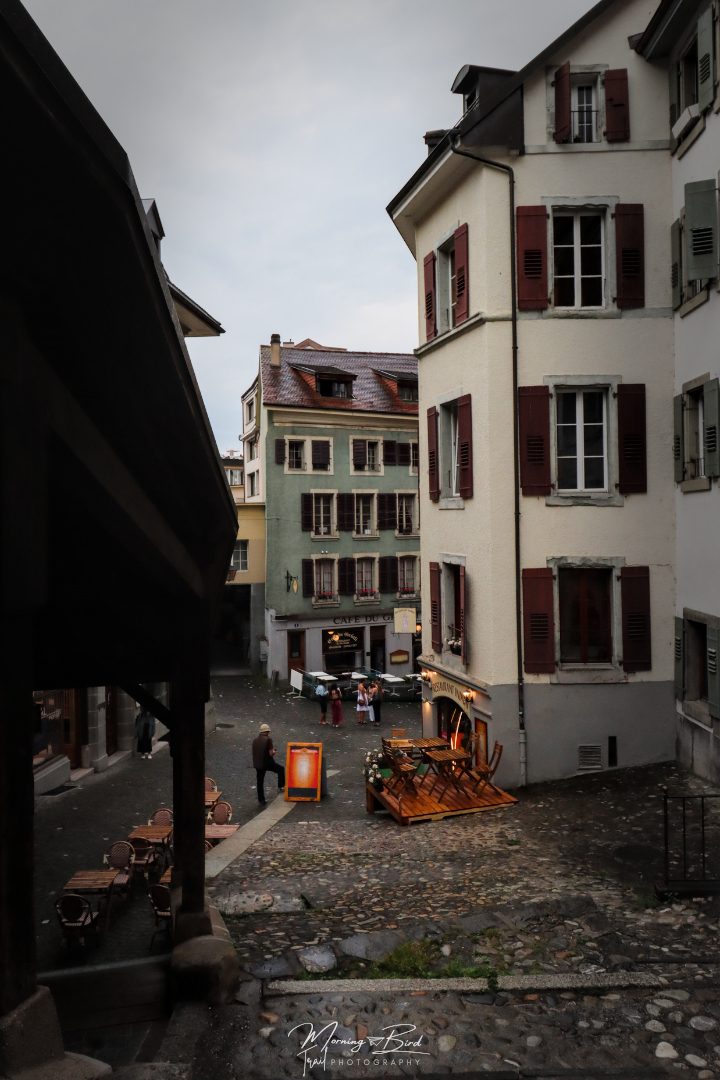
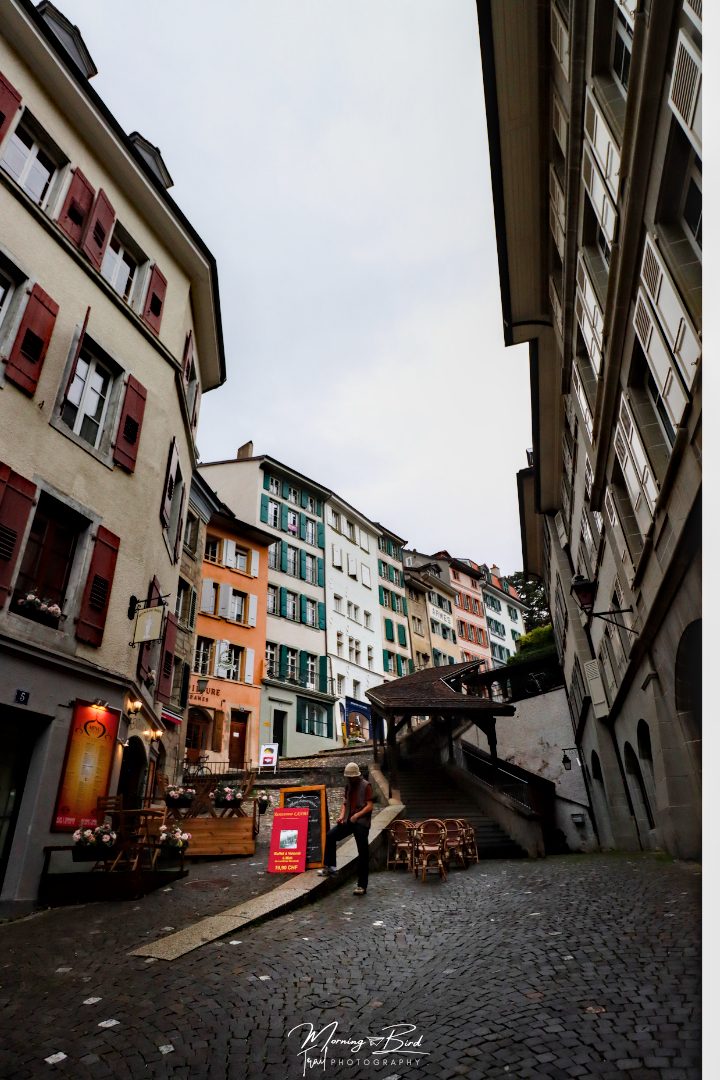
Finally, I reached Montreux, just a short train ride from Lausanne. By the time I got there, I was pretty tired, even though it wasn’t very late. I took a leisurely stroll by the lake and enjoyed the sunset—Montreux’s lakeside views are absolutely breathtaking. If you have the energy, I highly recommend walking further along the lakefront, like I did the next morning. The scenery only gets better the further you go!
Day 2 – Montreux to Zermatt
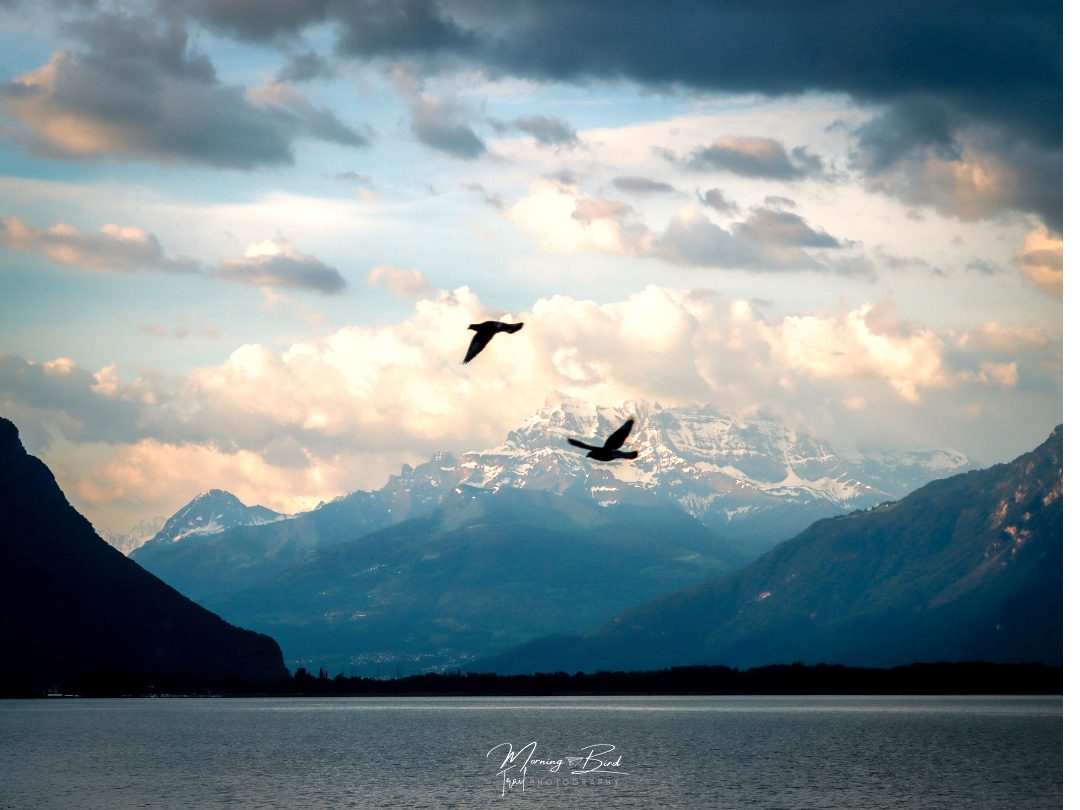
I woke up super early on my second day, likely because my body was still in “airport mode” from the day before. This was great because I could watch the sunrise over Lake Geneva and it was amazing. I decided to explore the lakeside path from Montreux train station to Territet, where I had stayed the night. This leisurely walk took me about 30 to 60 minutes, depending on how often I stopped to admire the views. Along the way, I discovered charming little nooks with benches and piers, perfect spots to pause and appreciate the serene surroundings. I also encountered some swans gracefully gliding across the water and marveled at the beautiful architecture of the buildings, like the luxurious Hôtel Eden Palace Au Lac. Of course, I couldn’t miss the iconic Freddie Mercury statue—a nod to Montreux’s rich musical history.
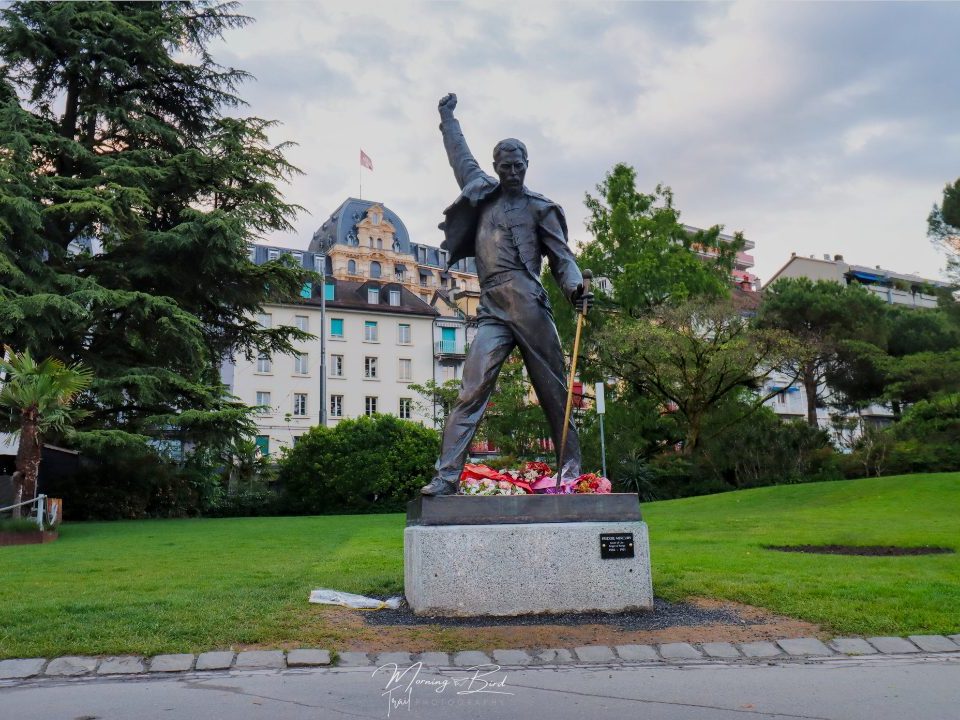
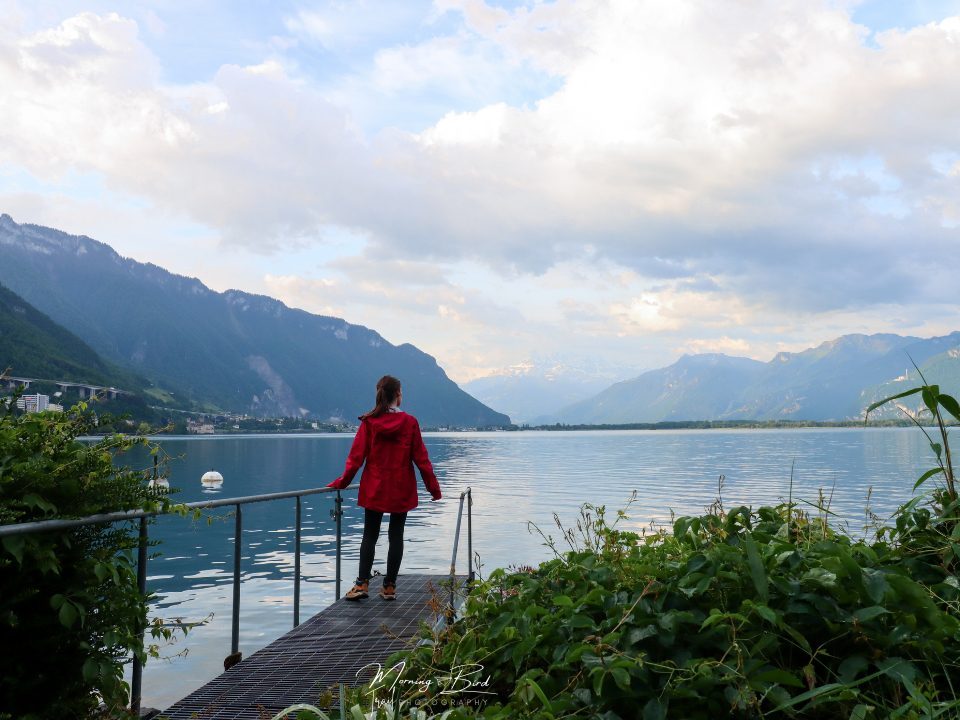
Speaking of Freddie Mercury, here’s a fun fact: did you know that Queen had a special connection with Montreux? The band often retreated to this picturesque Swiss town for inspiration, drawn by its stunning landscapes. They inclusive got a recording studio there that you can now visit. You can also follow the steps of Queen in Montreux and know all the fun facts about them with this walking tour through the city.
The next leg of my journey was to Zermatt. To get there from Montreux, you will take a train to Visp, which takes about an hour. Then, you change trains at Visp for another scenic hour-long ride to Zermatt. During this part of the trip you will have amazing views to the mountains between Visp and Zermatt.
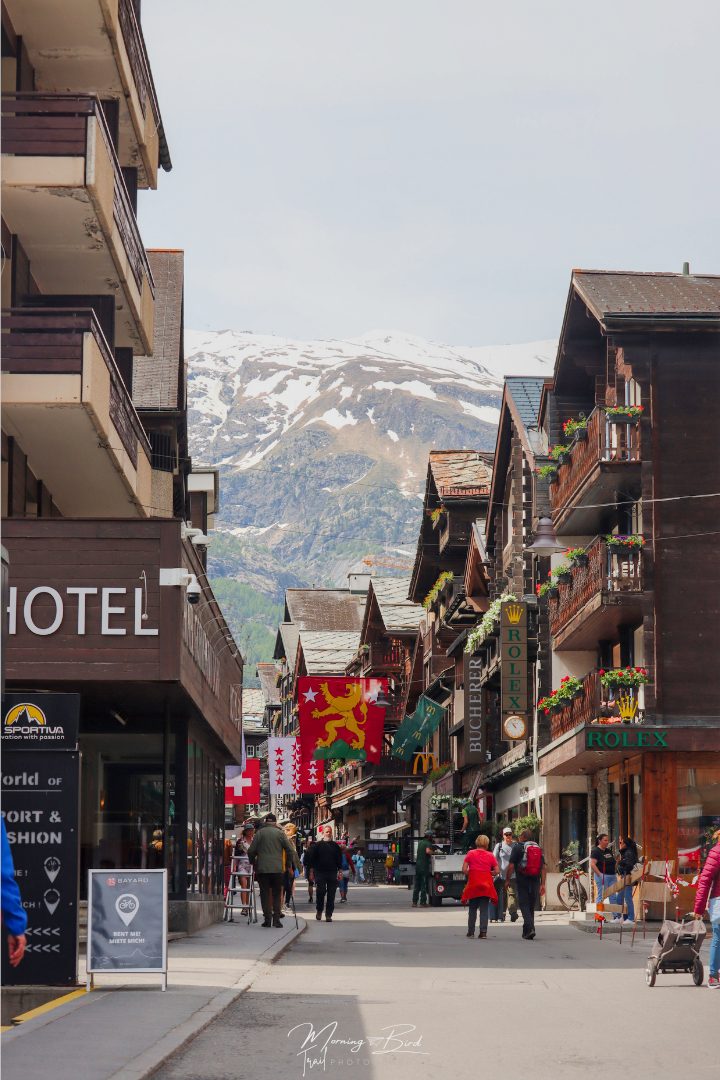
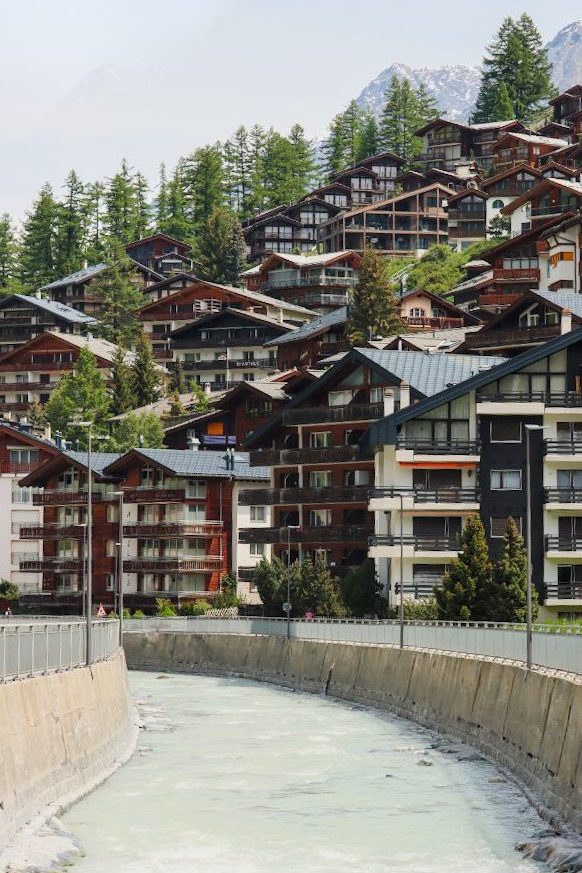
Now, a quick note about Zermatt: it’s known for being a car-free town, which gives it a unique, peaceful vibe. However, “car-free” doesn’t mean “vehicle-free.” You’ll find plenty of electric taxis zipping around, so walking through the town isn’t exactly a carefree stroll. You do have to keep an eye out for these quiet, yet frequent, little vehicles.
Day 3 – Zermatt
The highlight of my trip was to explore the stunning mountains of Zermatt. There is so many things that you can do in this little town. However, Zermatt is known as the most expensive ski resort in Europe, so be prepared—the cost of all these activities can add up quickly! That said, this place is undeniably one of the most beautiful I’ve ever visited.
My absolute favorite activity in Zermatt was exploring the mountains—and the best part? You can do this almost for free! I hopped on the Sunegga lift, an underground funicular that’s essentially a super steep train (so, unfortunately, no views). But from the top, I embarked on an 8 km hike with truly breathtaking views. You can read all about this incredible hike on my new blog post!
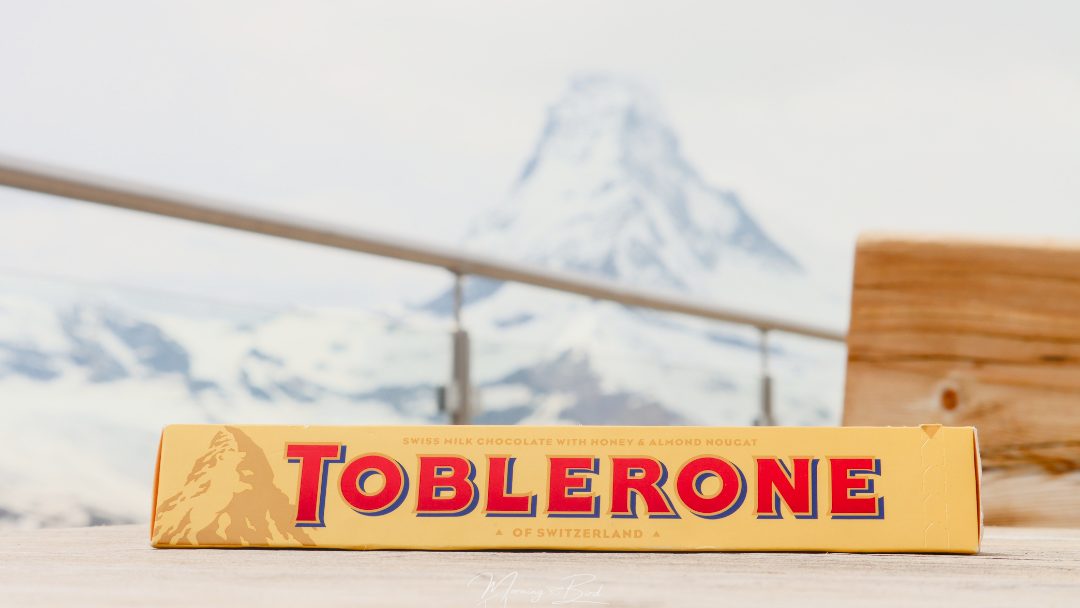
However, if you plan to spend a bit more you can always go to the catch the super well-known Matterhorn Glaciar Paradise and be just by the breathtaking peak! Or the Gornergrat train (not included in the pass) and see an amazing Glaciar! This two options are rather popular but can set you back 100 to 200€. And if you are feeling more adventurous, maybe you can also give a shot to paragliding over Zermatt! Like I said before, Zermatt is full of unique exteriences waiting for you!
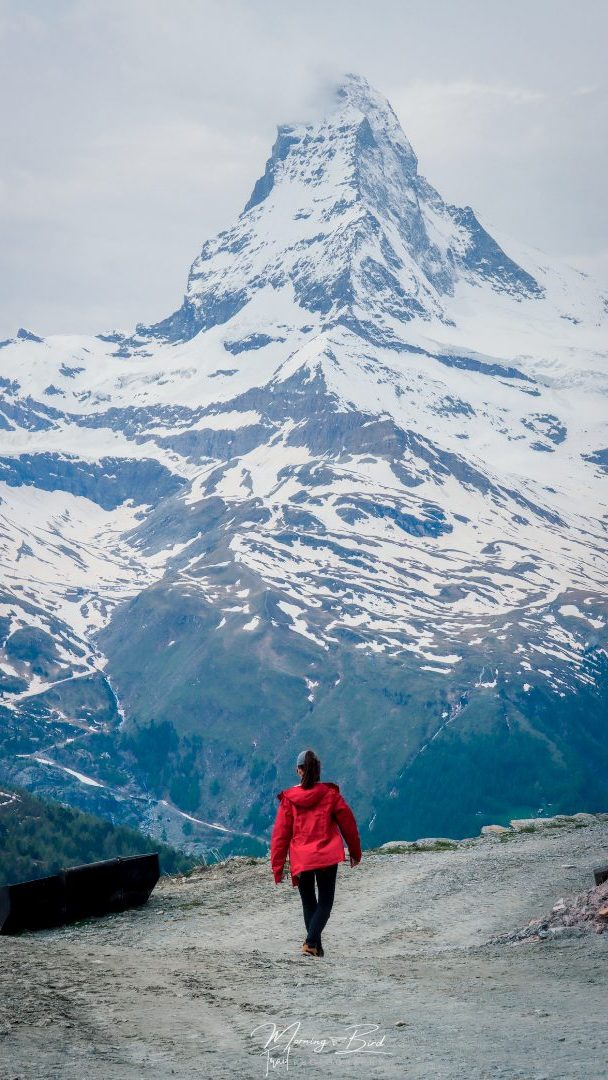
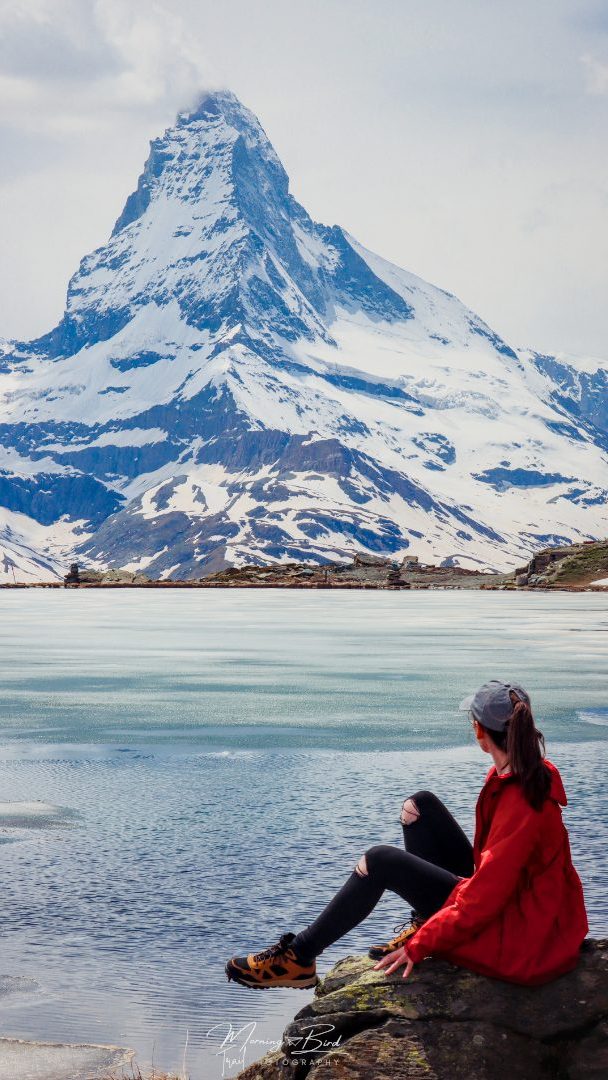
Just a tip: if you’re lucky enough to get a sunny day, don’t underestimate the power of the alpine sun! At such high altitudes, the UV rays are much stronger than at sea level. Don’t make the same mistake I did—remember to pack your sunscreen! If you want to be extra cautious, there are sunscreens specially formulated for the mountains, like Nivea Sun Alpine!
I spent two days in Zermatt, but on my second day, the weather wasn’t ideal. Instead of scaling more mountains, I opted for a shorter hike to Zmutt, a small, charming village nestled in the mountains at around 2,000 meters above sea level. This hike wasn’t as spectacular as the one I did the previous day, but it was a pleasant, easier walk, complete with cute sheep grazing in the fields.
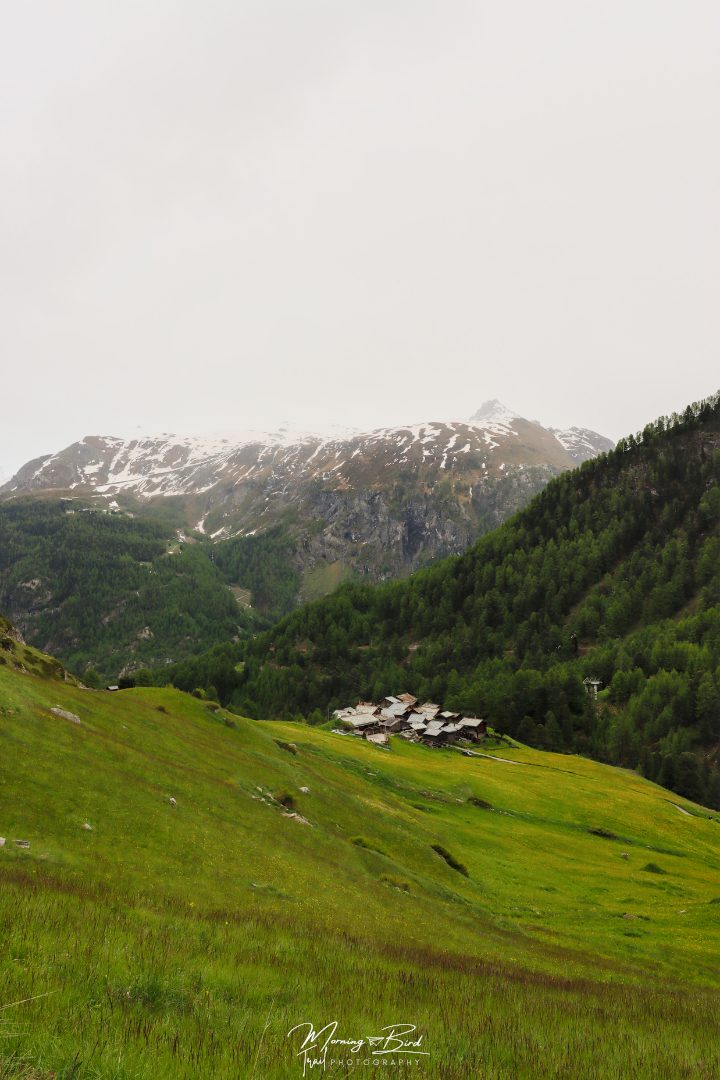
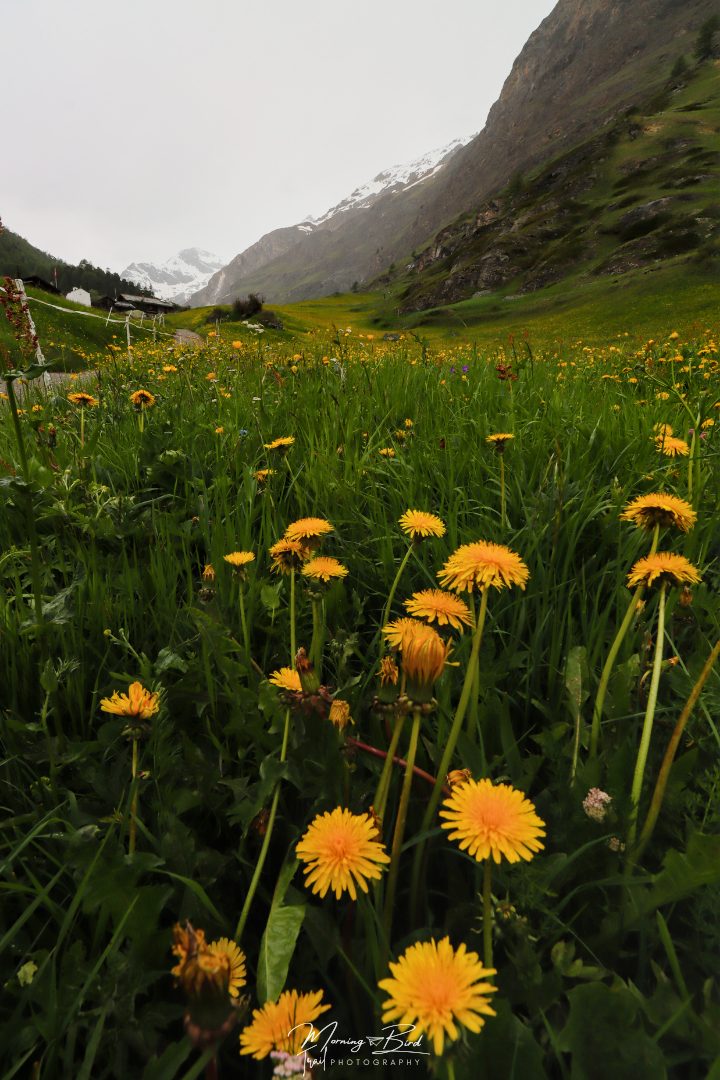
Note: I didn’t have to use a interrail travel day this day because i was just hiking around this beautiful part of the world.
Day 4 – Zermatt to Lauterbrunnen
Today’s journey took me from the breathtaking peaks of Zermatt to the serene valley of Lauterbrunnen. To get there, I first had to retrace my steps back to Visp, where I caught a train headed towards Spiez. This quaint town, nestled on the margins of Lake Thun, offers an unexpected but delightful twist for those traveling with an Interrail pass: instead of continuing by train, you can board a ferry (that is included on the interrail pass!) and glide across the tranquil waters of the lake!
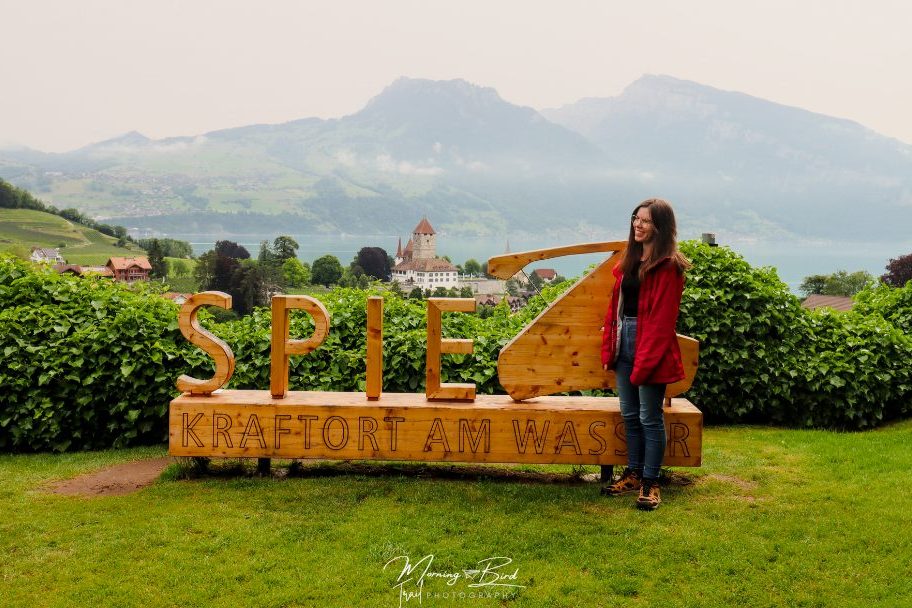
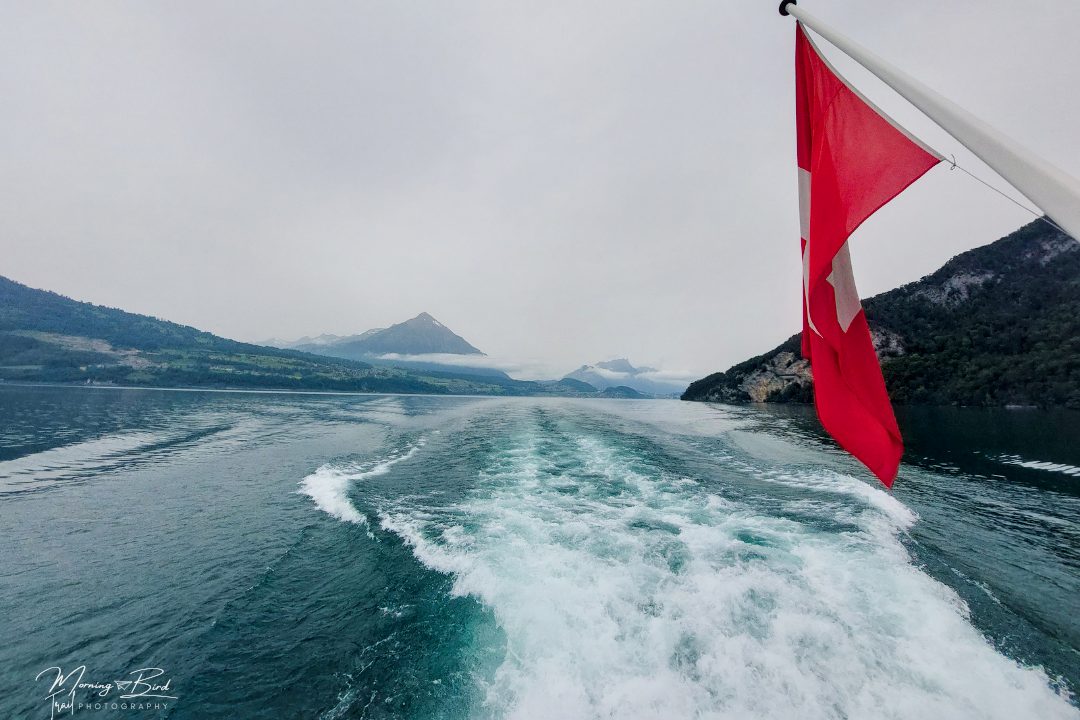
I chose the ferry option, even though it takes longer than the train journey along the lakeshore. But trust me, it’s worth every extra minute. The ride is incredibly relaxing, with the stunning Swiss landscape unfolding around you.
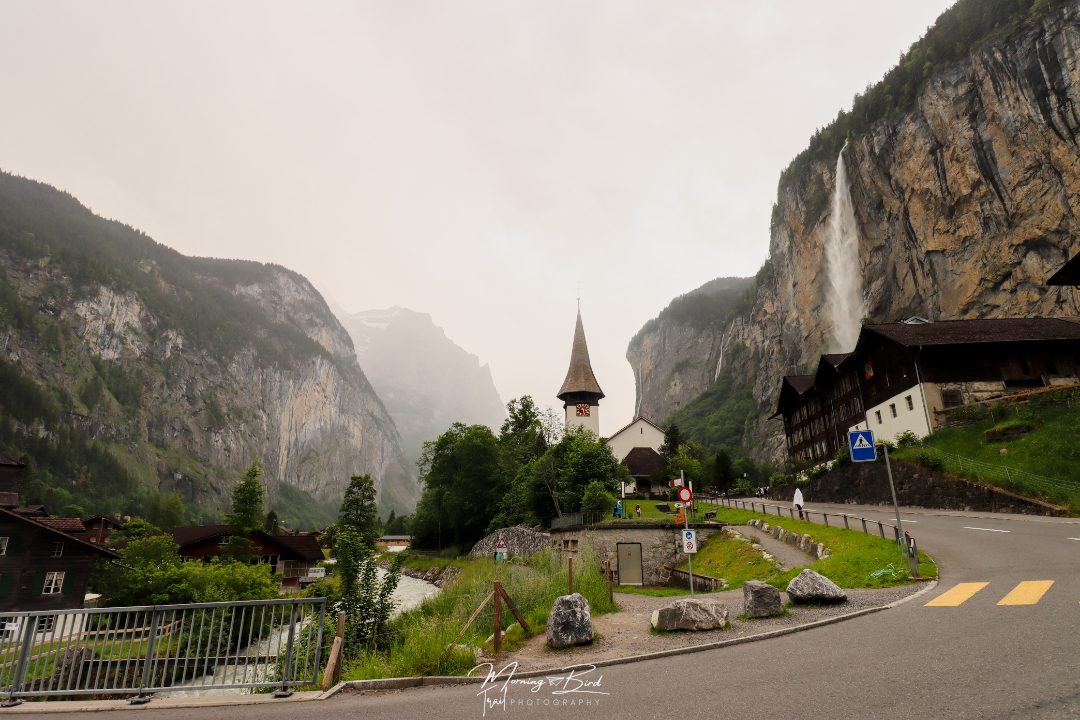
The ferry brought me to Interlaken West, where I hopped on a very short train ride to Interlaken Ost. From there, it’s just a 22-minute scenic train journey through winding cliffs to reach Lauterbrunnen. As you arrive, you’re greeted by the sheer cliffs and the stunning Staubbach Falls, which plunges almost 300 meters from the cliffside above. If you’re lucky, you might also catch a glimpse of snow-covered peaks looming in the background, adding to the dramatic landscape.
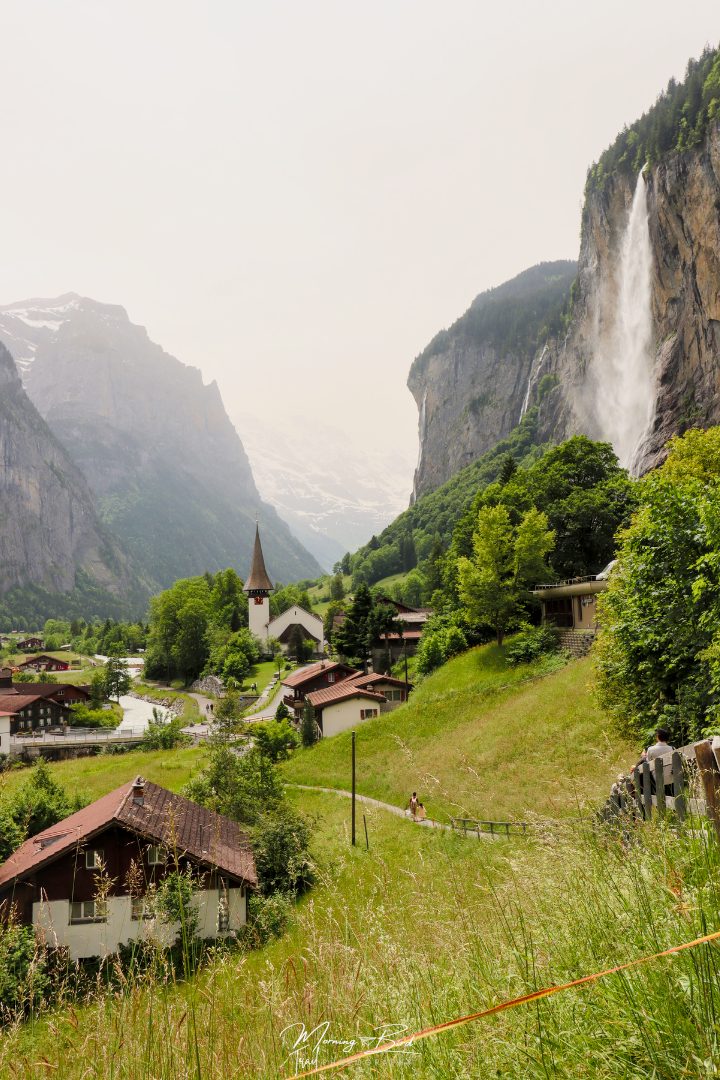
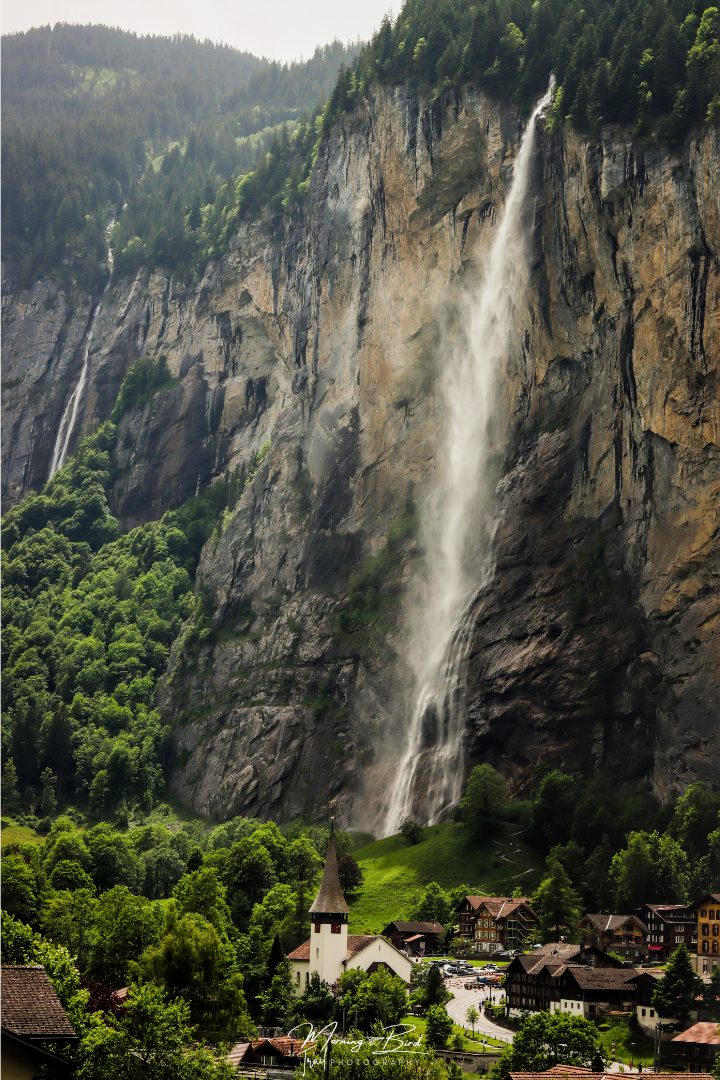
Lauterbrunnen itself is a beautiful and tranquil town, nestled in a lush valley between towering alpine cliffs. Known for its waterfalls—over 70 in total!—the town is a paradise for nature lovers and hikers alike. Interestingly, Lauterbrunnen was also J.R.R. Tolkien’s inspiration for Rivendell. If you’re a fan of Tolkien’s work, this adds an extra layer of magic to your visit.
There are plenty of viewpoints around town where you can admire the waterfalls and surrounding mountains. For those feeling adventurous, there’s a hike up to Wengen, a picturesque village perched above Lauterbrunnen. Be warned, though: the hike is quite steep and always uphill. If you’re not up for the challenge, you can take a train up to Wengen instead. Do note that this train isn’t covered by the Interrail pass. A good option might be to take the train up and hike back down, allowing you to enjoy the stunning scenery at a leisurely pace without the exhausting climb.
Another super popular thing to do in Interlaken is to take the train to Jungfraujoch, the tallest train station in Europe. Just like in Zermatt tho, this train is not included in the Interrail pass and can be super expensive. On the cheaper side, you can also take a funicular to Harder Kulm and be surrounded once again by absolutly gorgeous Swiss landscapes!
Day 5 – Lauterbrunnen to Bern
On Day 5 of our journey, we traveled from Lauterbrunnen to Bern, with a delightful detour to Grindelwald. This scenic train ride takes about 40 minutes and offers some of the most beautiful views in the region, however it was packed today.
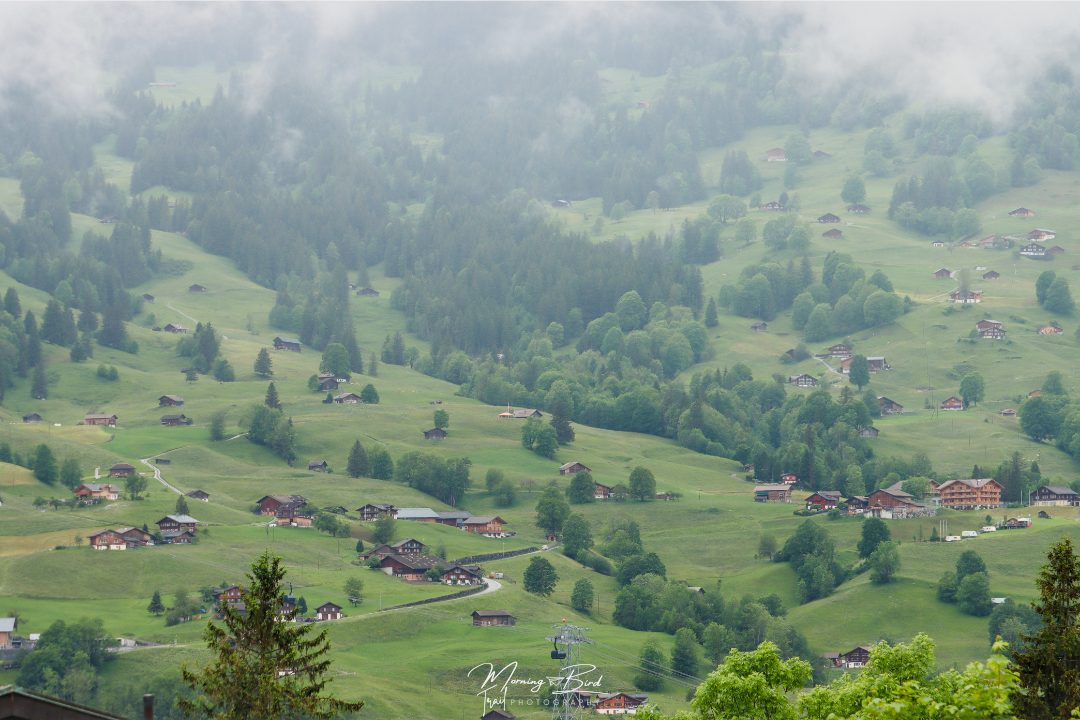
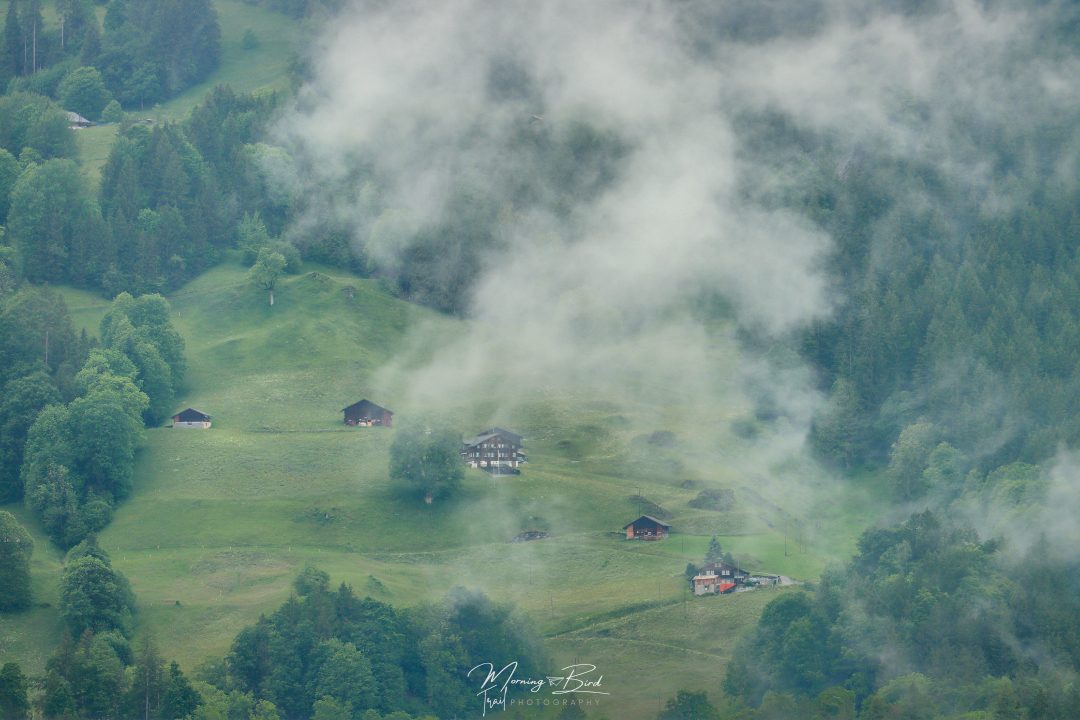
As you approach Grindelwald, be sure to sit on the right side of the train for stunning views of green fields dotted with charming wooden cabins. The town itself is quaint and picturesque, but it’s the surrounding viewpoints that truly steal the show. While Grindelwald is also known for its hiking trails, time constraints on this itinerary may not allow for a full exploration, but if you have more time, the hikes are highly recommended.
From Grindelwald, catching a direct train to Interlaken is straightforward, and from there, you continue onward to Bern. Before reaching Bern, consider stopping in Thun, a lovely town that lends its name to the beautiful Lake Thun, where you might have already enjoyed a boat trip. Thun is a perfect spot for a brief visit, with its charming old town and lakeside views.
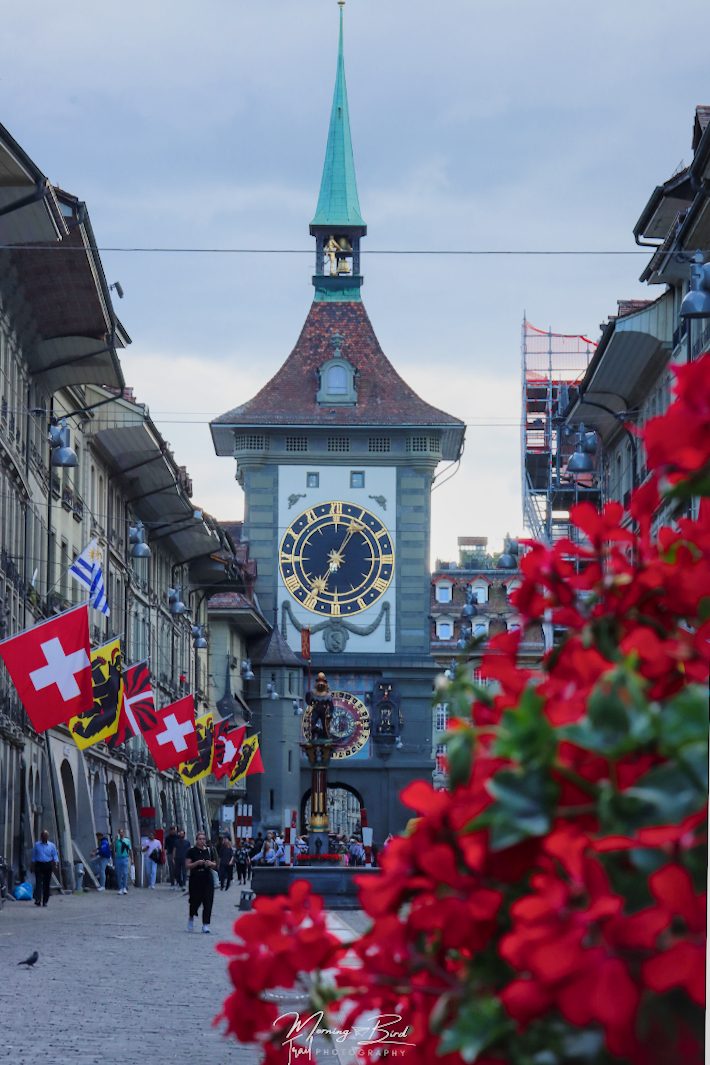
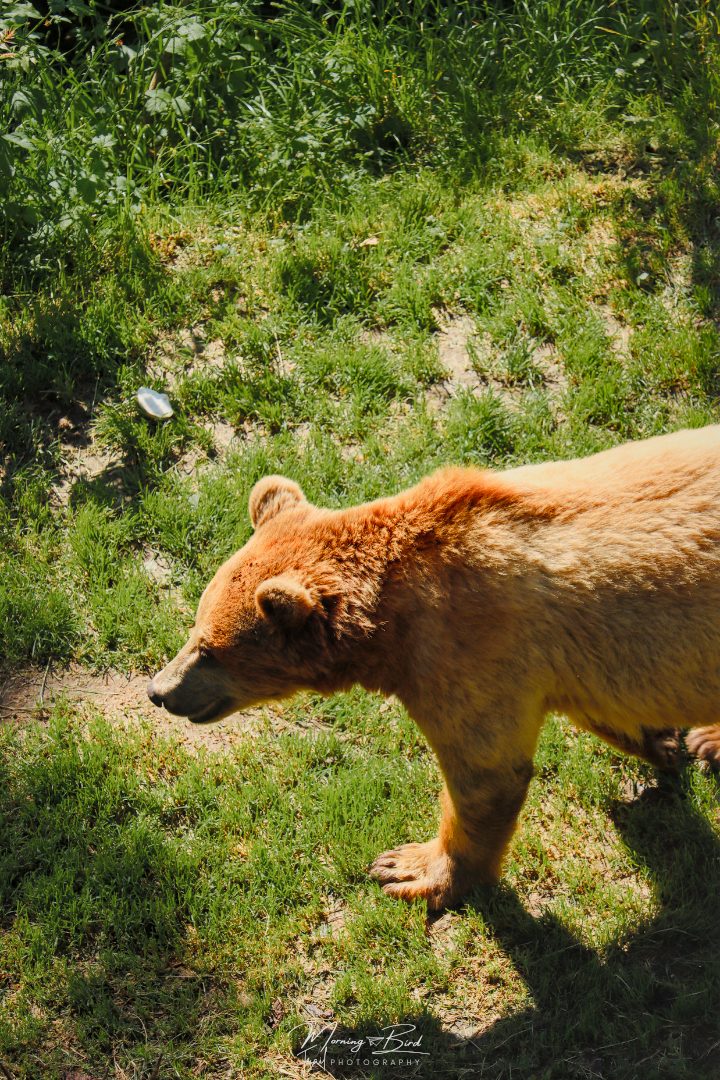
Bern, Switzerland’s capital, is a city rich in history and charm, though it might not be as globally recognized as Geneva or Zurich. In Bern, you can stroll through the UNESCO World Heritage-listed old town (watch out for the buses while you explore!), try to spot the city’s emblematic bears in the Bear Park, or relax while watching the sunset from the beautiful Rosengarten. Many travel guides suggest visiting the Einstein Museum, but in my opinion, it felt more like a tourist trap. The museum is housed in a small apartment where Einstein once lived, and most of the exhibits are posters filled with information you could easily find online.
Note: If time permits, consider heading to Geneva later today to ensure a full day there tomorrow. Staying in Geneva also has its perks, such as access to free public transport, which is also offered in Bern. However, Geneva is a larger city, so the free transport might be more beneficial there.
Day 6 – Bern to Geneva
The journey from Bern to Geneva is a straightforward two-hour train ride. The trains are direct, making it a hassle-free trip between these two charming Swiss cities. Although I didn’t make any stops along the way, I found that it was still cheaper to buy an Interrail pass with an extra day, even though I only took a single train on this leg of the trip. It’s a good reminder to always do the math when considering different travel options!
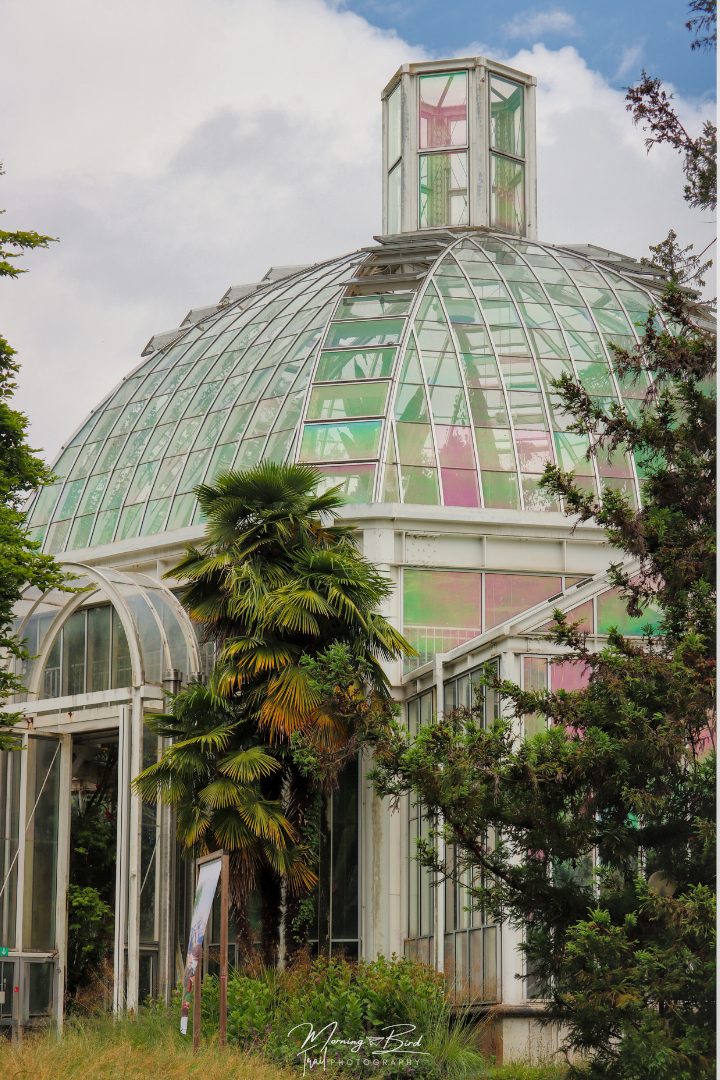
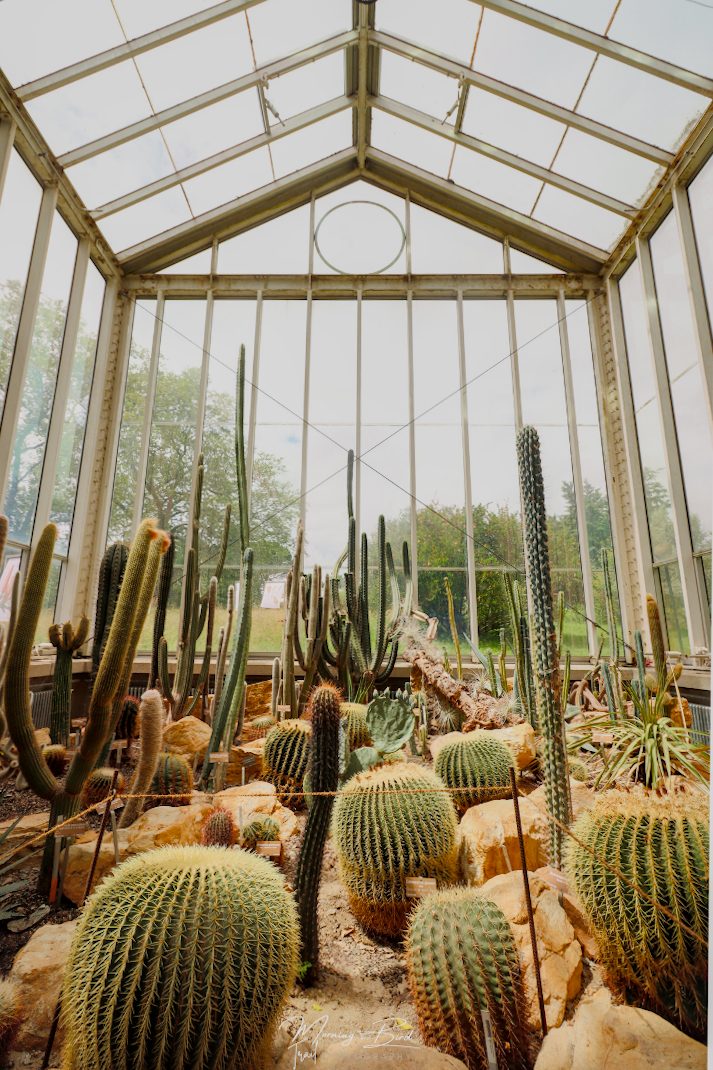
Upon arriving in Geneva, there are several must-see spots. The United Nations Headquarters is one of the city’s most famous landmarks. Just nearby, you’ll find the Botanical Gardens, which, to my delight, are free to enter. These gardens were probably my favorite place in Geneva! The tranquil atmosphere and diverse plant life make it a wonderful place to relax and enjoy nature. To reach both the United Nations and the Botanical Gardens, take a short train ride from Geneva Main Station to Geneve-Secheron, which is included in your interrail pass. If you’re carrying luggage, you can leave your bags at the Geneva train station. There are various locker sizes available, and you can find more information about prices and sizes here. Just remember not to leave anything essential behind, as once the locker is closed, you can only reopen it when you’re ready to retrieve your belongings!
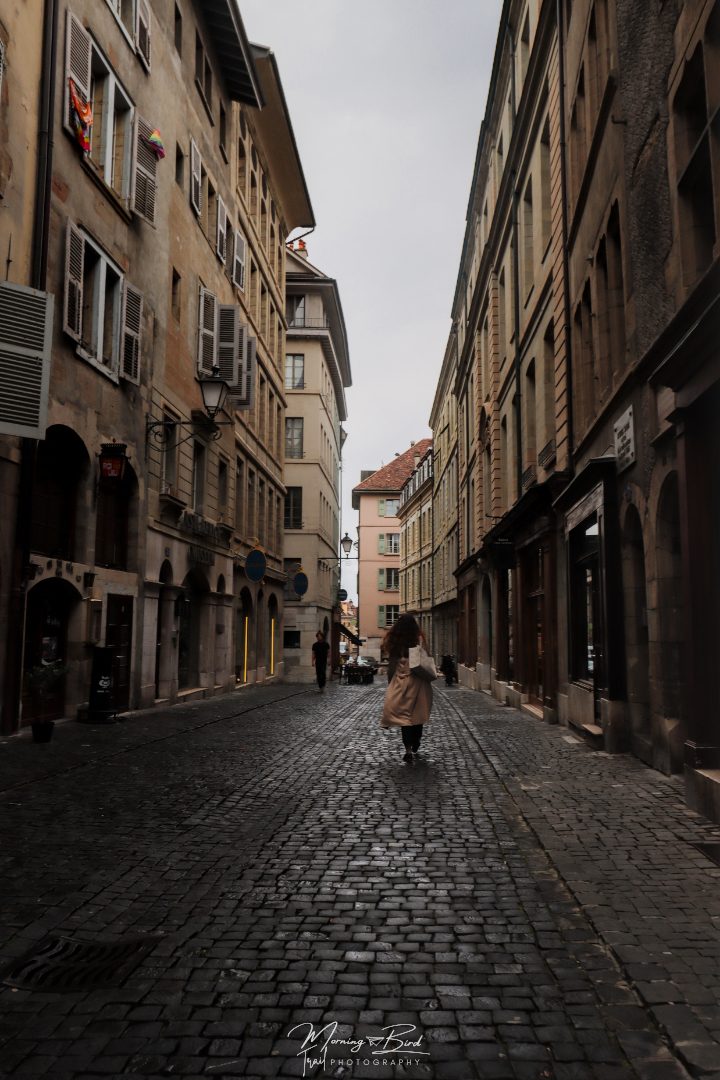
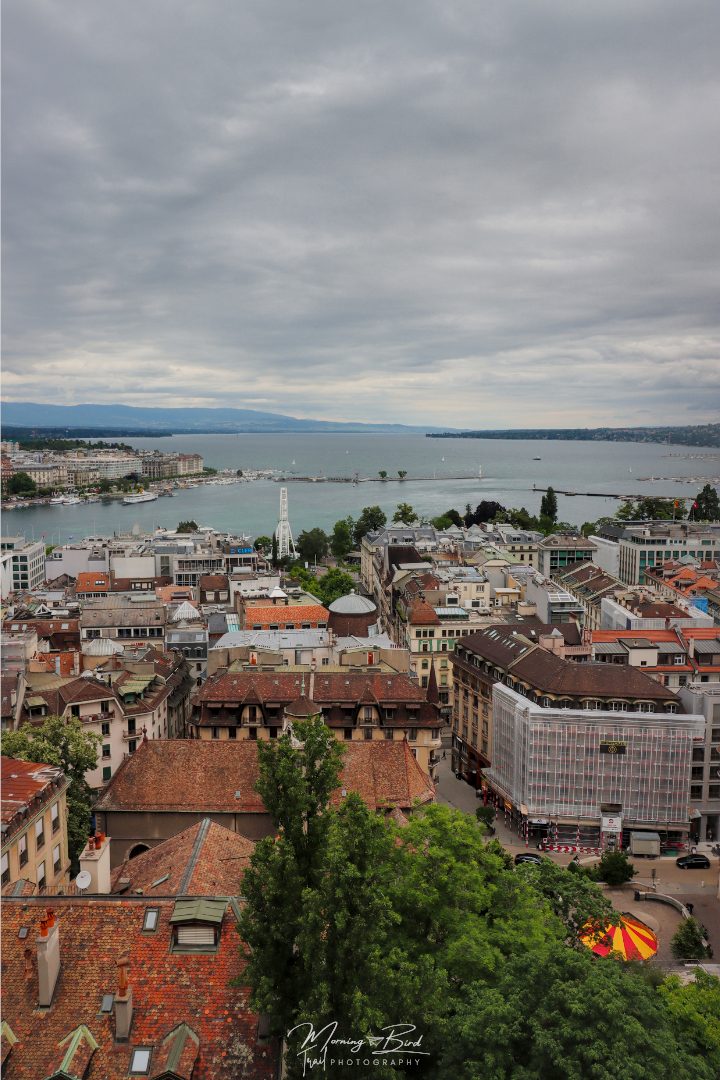
In the afternoon, I headed back to the city center. To do this, I caught the same train as before, which leaves from the exact same platform, and set off to explore more of Geneva. One of my top recommendations is climbing the towers of St. Pierre Cathedral. From the top, you get a stunning 360-degree view of the city and the lake—a perfect spot for some memorable photos. You can also ride a boat in Geneva lake or participate on a e-bike tour of the city.
When it’s time to leave Geneva, getting to the airport is a breeze. A train from Geneva Main Station to the airport takes less than 10 minutes, which is incredibly convenient. Unfortunately, this means that your time in Switzerland is coming to an end, but if you’re lucky, you might just catch a flight during sunset. Departing during one of the most breathtaking sunsets I’ve ever seen was a magical experience that added a perfect final touch to my Swiss adventure!
In case you are wondering, all these pictures were taking with the following equipment:
- Canon EOS 90d
- Samsung SD card
- Canon EF 50mm F1.8 STM
- Canon EF-S 55-250mm F/4-5.6 is STM
- Canon EF-S 10-18mm F/4.5-5.6 IS STM
- K&F Concept K-Serie 67mm ND Filter
- Samsung Galaxy A52 5G
Summary
| Day number | City | Rating | Comments |
| 1/6 | Geneva | ⭐⭐⭐⭐ | It’s a nice city with plenty to experience, but there are prettier places in this trip. |
| 1 | Lausanne | ⭐⭐⭐ | It seemed to be a pretty city with an amazing view but unfortunatly when I was there the weather was super bad… |
| 1 | Montreux | ⭐⭐⭐⭐ | Beautiful walk by the Geneva lake with super nice nooks to appreciate the landscape |
| 2/3 | Zematt | ⭐⭐⭐⭐⭐ | The highlight of the trip for a kountain lover! Expensive, but complely worth it! |
| 4 | Spiez | ⭐⭐⭐ | A quiet town in lake Thun. Charming and very nice connection to the boats! |
| 4 | Lauterbrunnen | ⭐⭐⭐⭐⭐ | Between steep cliffs, with dozens of waterfalls this quaint town inspired artists through the years. |
| 5 | Grindelwald | ⭐⭐⭐⭐ | Very nice representation of what you may imagine from alpine villages, with hood cabins surrounded by green fields. |
| 5 | Bern | ⭐⭐⭐ | Pretty city but when compared to the others didn’t felt as interesting |
Pin for later!
More blog posts that you may like:
Rainbow Mountain in Peru: How to Prepare for This Epic Hike
Learn how to prepare for the Rainbow Mountain hike in Peru. From altitude tips and gear to trail insights, discover…

The Sacred Valley of the Incas: Ollantaytambo, Moray & More
A short way from Cusco you’ll find what is known as the Sacred Valley. When driving through this region, you’ll…
Explore Paracas, Ballestas Islands & Huacachina in 2 Days – Coastal Peru Trip
Experience the best of Peru in just 2 days from Lima! Visit Paracas’ wildlife-filled cliffs, taste authentic Pisco at a…
Exploring Germany’s Hidden Gems: 2 Week North and East Road Trip
If you’re looking to see a different side of Germany — beyond the usual beer gardens and Alpine villages —…
Something went wrong. Please refresh the page and/or try again.
 MORNING BIRD TRAIL