
Germany is full of little hidden gems spread around the country. This country full of history and culture has some cute fairy-tale like towns and villages that seem to that came out of a Disney movie or a Grimm Brothers’ story. In this blog post, I will show you some of the most beautiful towns and villages in Germany.
Overview
- Loxer Saxony
- North Rhine-Westphalia
- Rhineland-Palatinate
- Hessen
- Baden-Württemberg
- Bavaria
- Saxony
- Saxony-Anhalt
- Mecklenbug-Vorpommern
In a hurry? Pin for later!
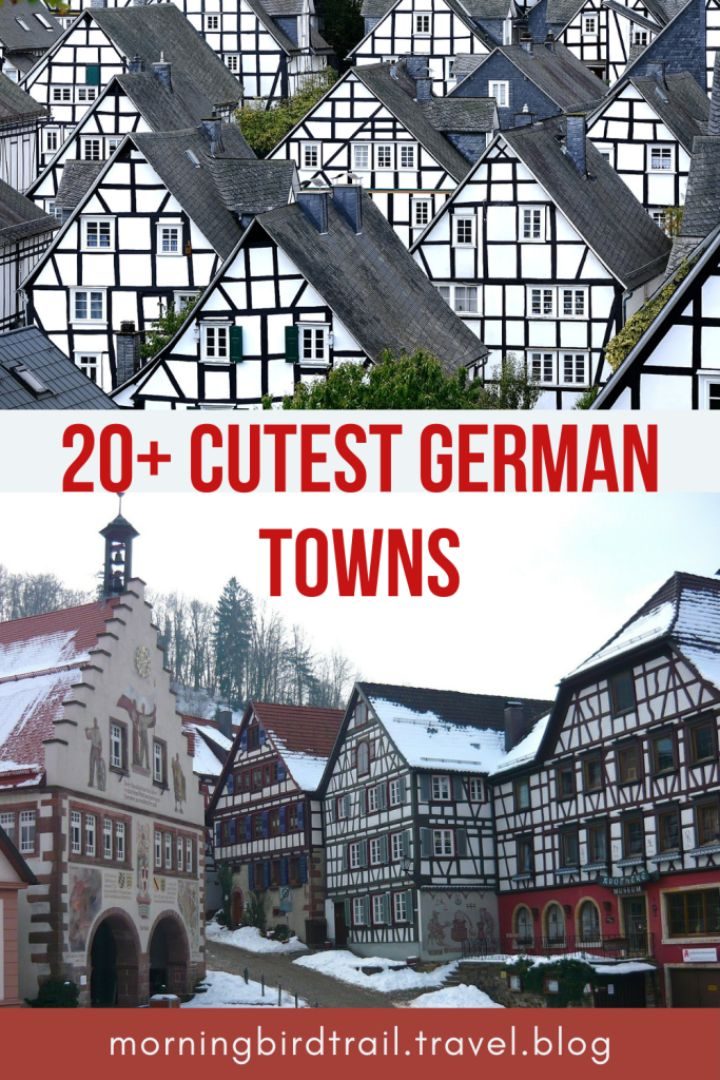
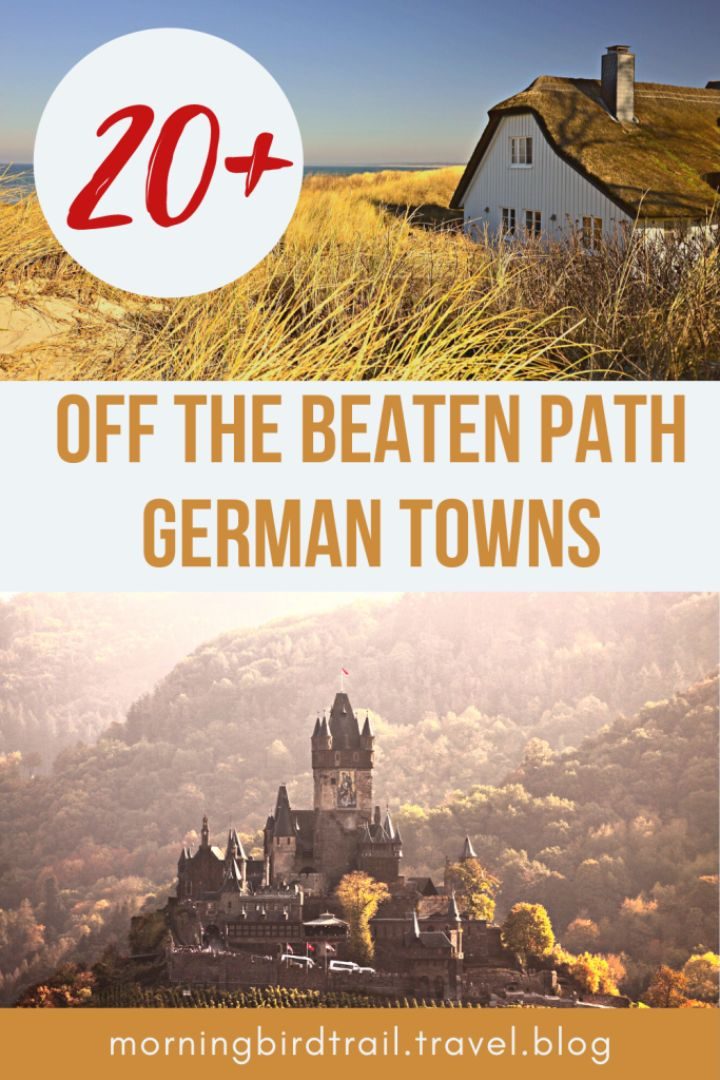
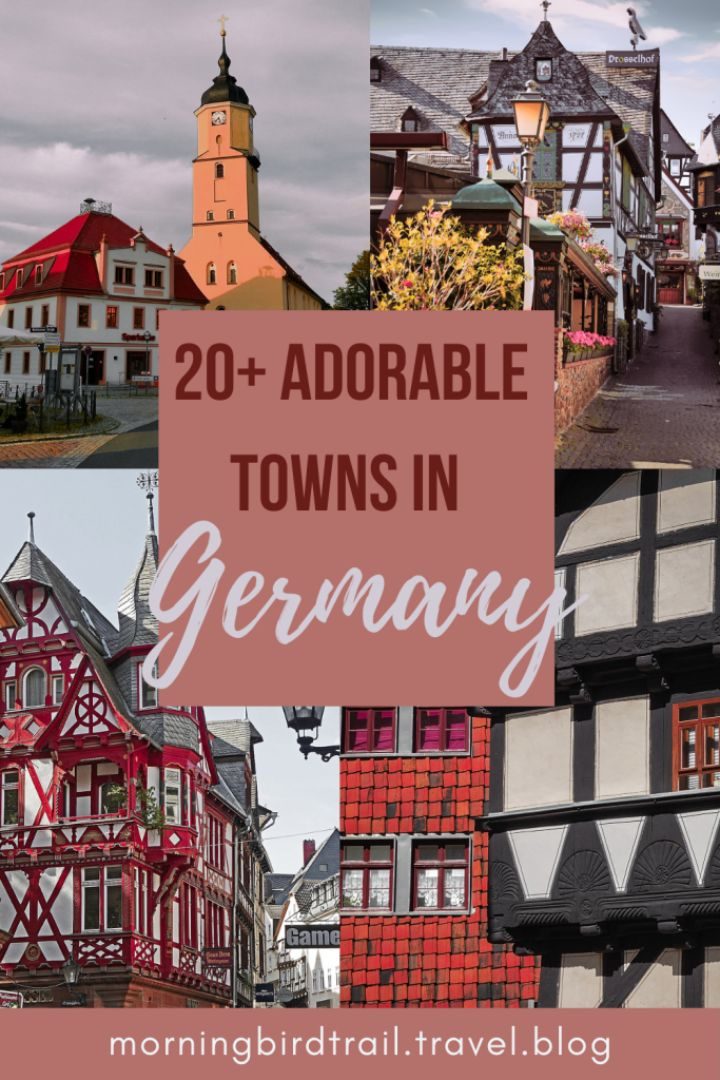
Lower Saxony
Lower Saxony is the second largest region of Germany and is located in the North of the country, bordering the North Sea. This state is the only one that has both sea and mountains. Some of the biggest cities in the state are Hanover, Braunschweig, Osnabrück and Wolfsburg.
bad Harzburg
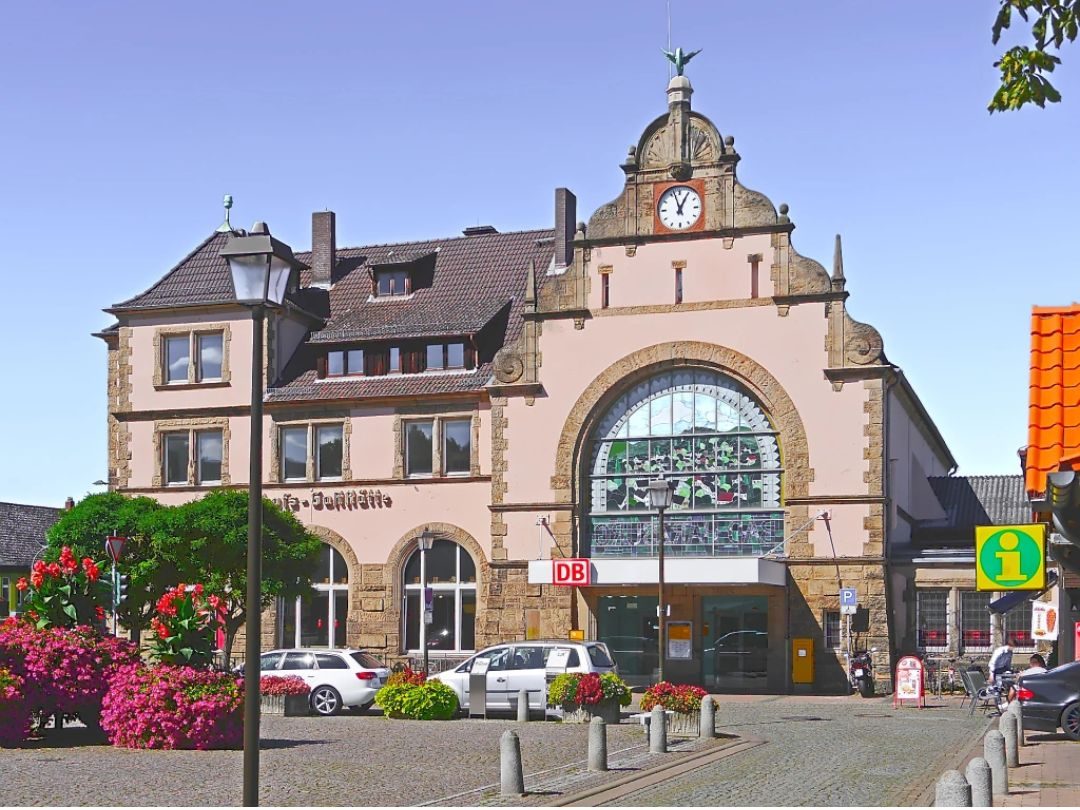
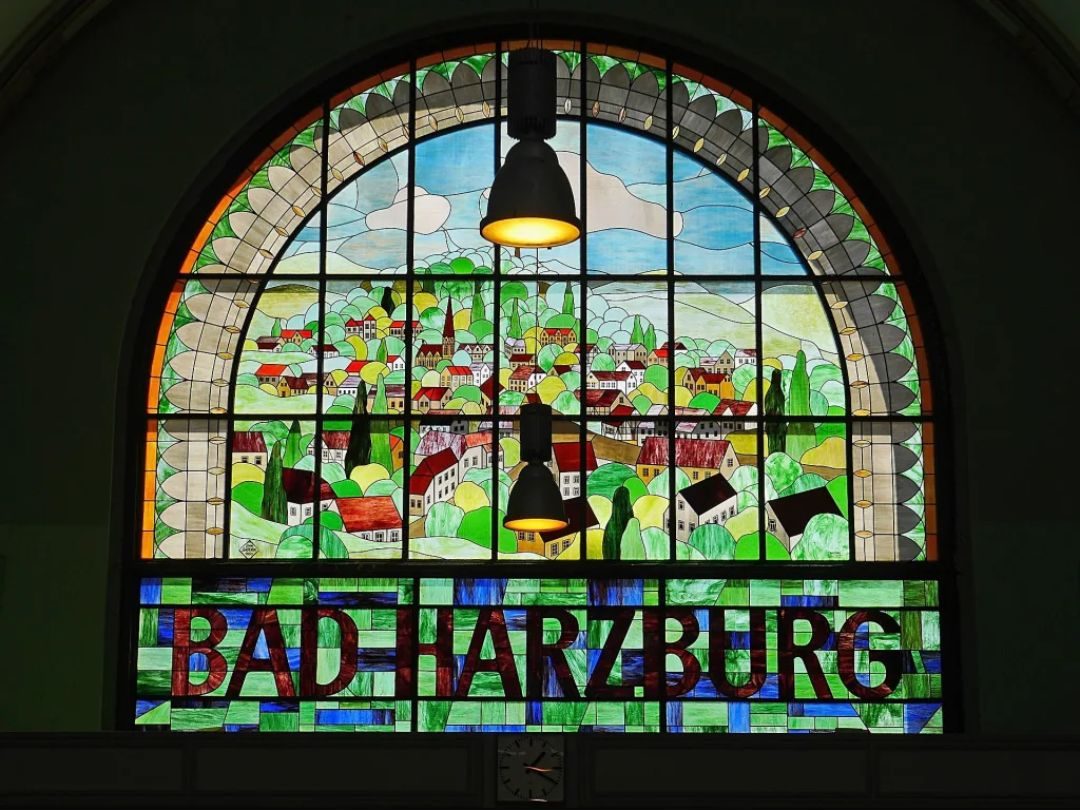
The town of bad Harzburg is located in the heart of Germany and belongs to the Lower Saxony state. This town is a spa town that is lying on the northern edge of the Harz mountains.
How to get to bad Harzburg?
The closest international airport to bad Harzburg is the Hannover airport, 120 km away from the town. The easiest way to get to Harzburg is by car, which you can rent at the airport and park near the city centre. Another option is catching a train from Hannover to Bad Harzburg. Both the options will get you to the town in less than 1h30.
What to do in bad Harzburg?
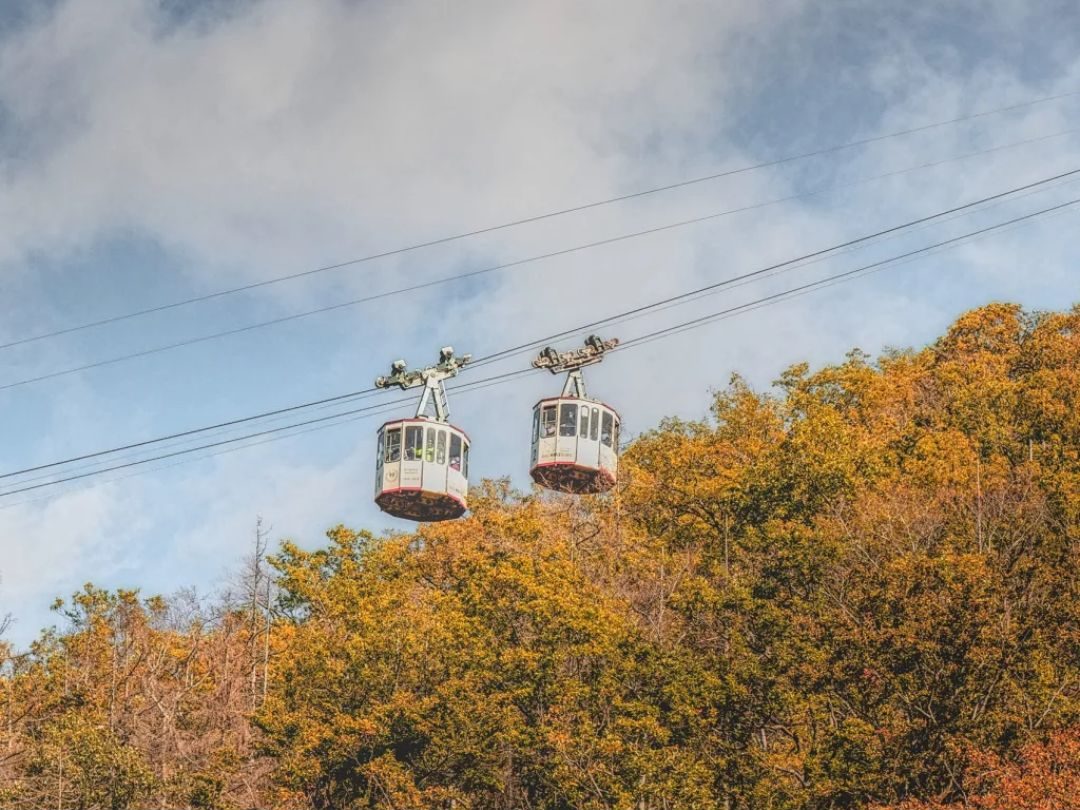
The town is famous for its saltwater spa and climatic health resort that you can visit. Despite that, you can also visit the ruins of the castle Harzburg that gave name to the town. To get to that place you can take the Harzbergbahn, an 80-year old cable car the Harzburg. The centre of the town is a pedestrian zone with shops and adorable timber-framed houses.
Another interesting thing to do in Bad Harzburg is to see the lynx that belong to a project to reintroduce these animals in the region. There is a large wooden viewing platform behind the Rabenklippe where often the animals can be seen.
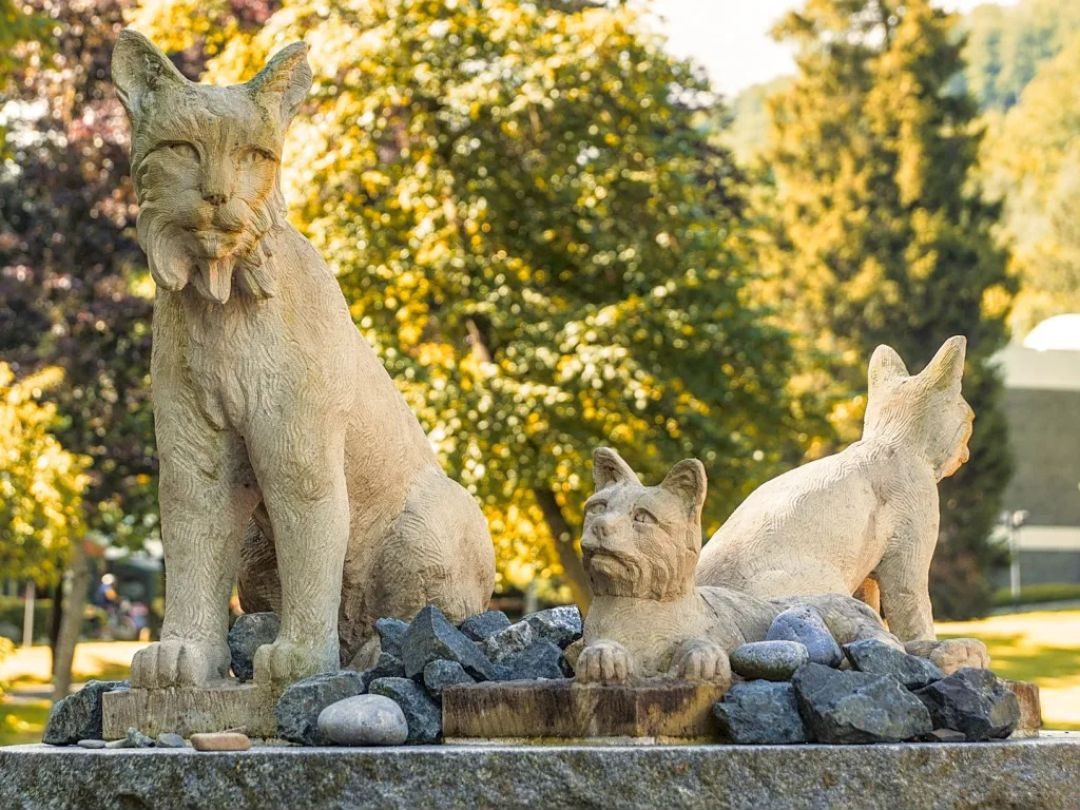
Other things that you can explore in the town are the Bündheim Castle, the Pump Room (the historic centre of the spa resort), the Lutherkirche, and the Sachsenbrunnen (a medieval spring in the woods)
There is also a famous classical music festival, the Harzburger Musiktage that dates back to 1970.
North Rhine-Westphalia
The North Rhine-Westphalia (NRW) German state is the most populous state in Germany and its capital is Düsseldorf. There are bigger states in terms of area, but this one is the most densely populated in the country. This is because the state has several big cities such as Cologne, Düsseldorf, Dortmund and Essen.
Freudenberg
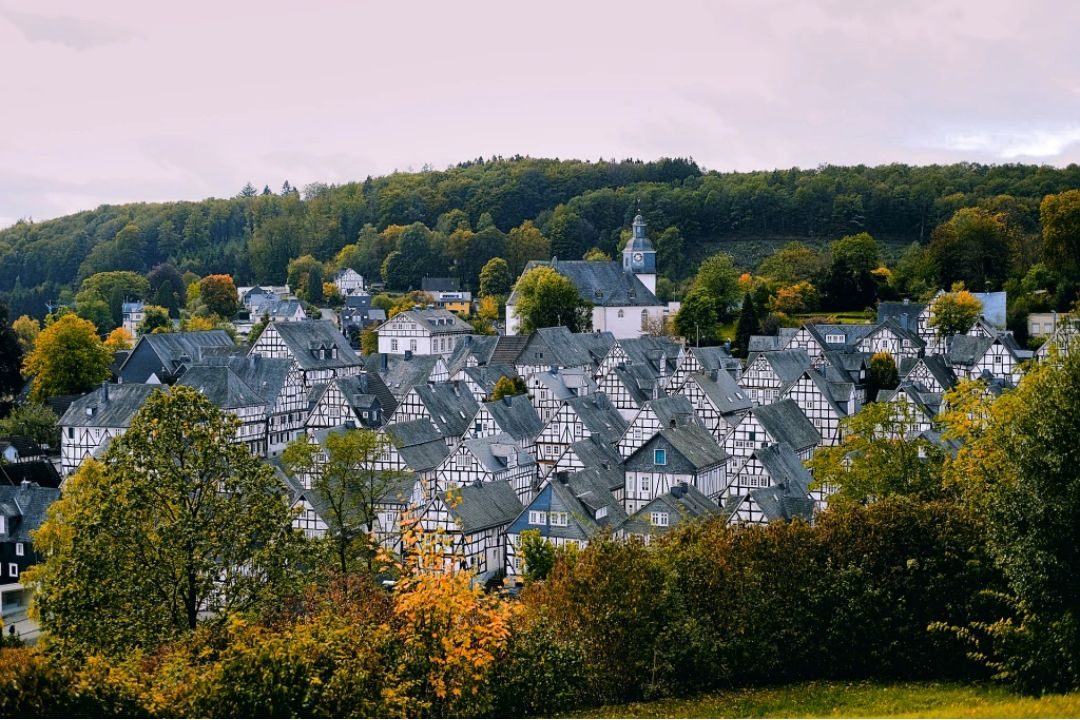
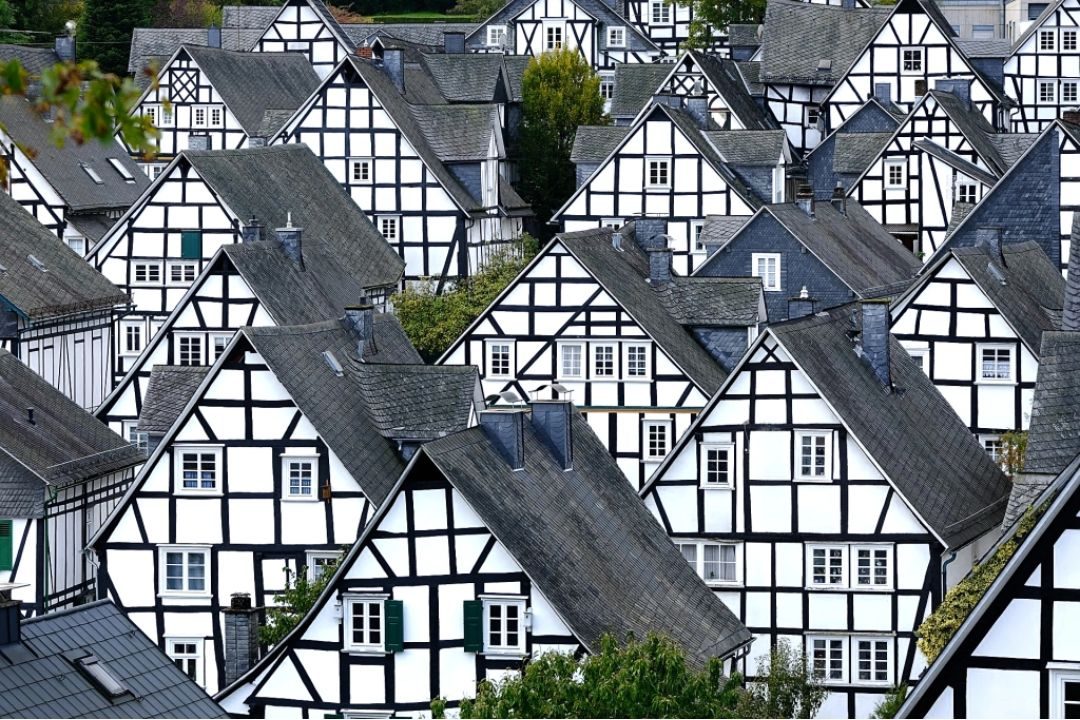
In NRW there is an adorable town called Freudenberg. This town is characterized by its completely white timber-framed houses which make the place magical in the Summer, but especially in the Winter when the snow covers the roofs of the houses.
How to get to Freudenberg?
Because there are so many big cities close by to Freudenberg you can pick several airports to get to Germany. The closer ones are Cologne, the Düsseldorf and also the Frankfurt one, which is a major hub in Europe. The one that is closest to the town is the Cologne one, 1h away by car, which you can rent at the airport. This is the easiest and fastest way to get to Freudenberg since by train you may need to change train multiple times.
What to do in Freudenberg?
One of the things that locals and tourists like to do is to go to the theatre. Südwestfälische Freilichtbühne Freudenberg (Freudenberg South Westphalian Open-air Stage two new productions are staged every year for children and adults. Besides the productions, you can also expect a beautiful landscape since it is located in a breathtaking backdrop of forest and crags.
There are some museums to explore in the town such as the town museum and the technical museum, however, what makes this town so beautiful are the beautiful buildings in the city centre.
Rhineland-Palatinate
Rhineland-Palatine is a German State in the west part of Germany, bordering Belgium. Its capital is Maiz and Ludwigshafen am Rhein, Koblenz and Trier.
Cochem
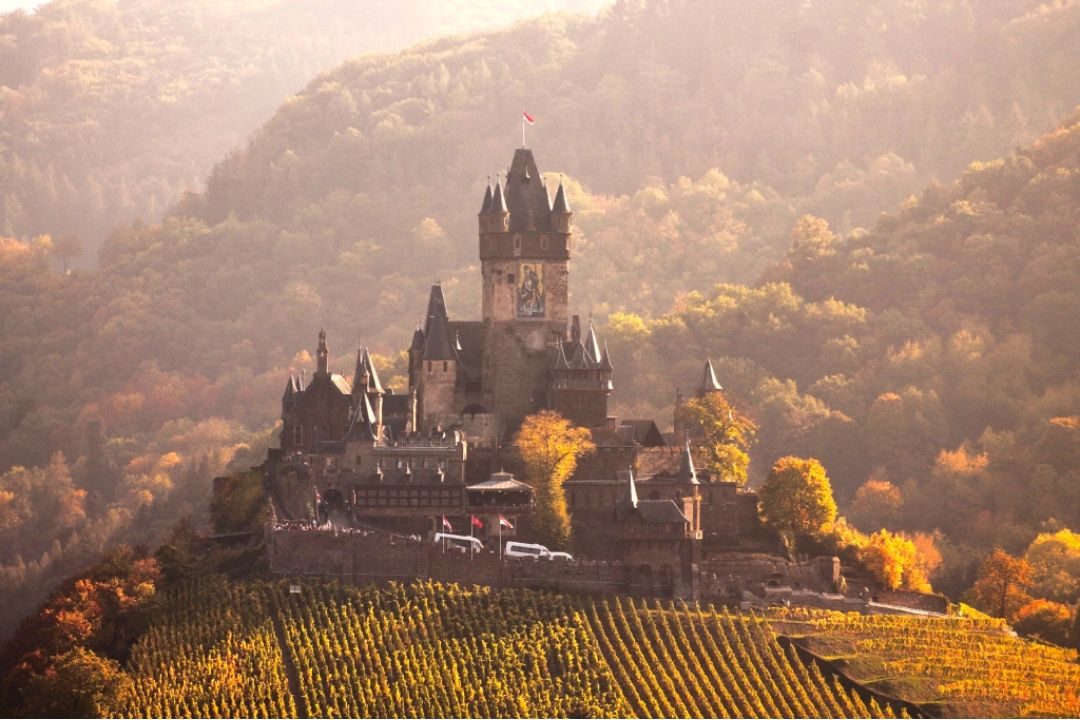
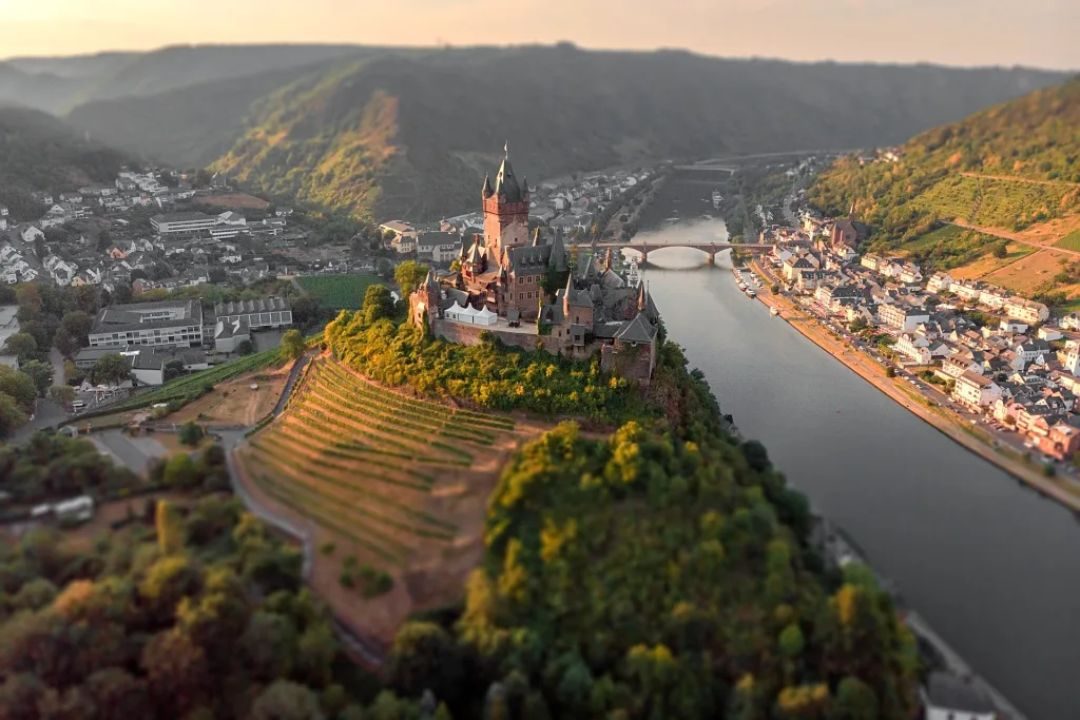
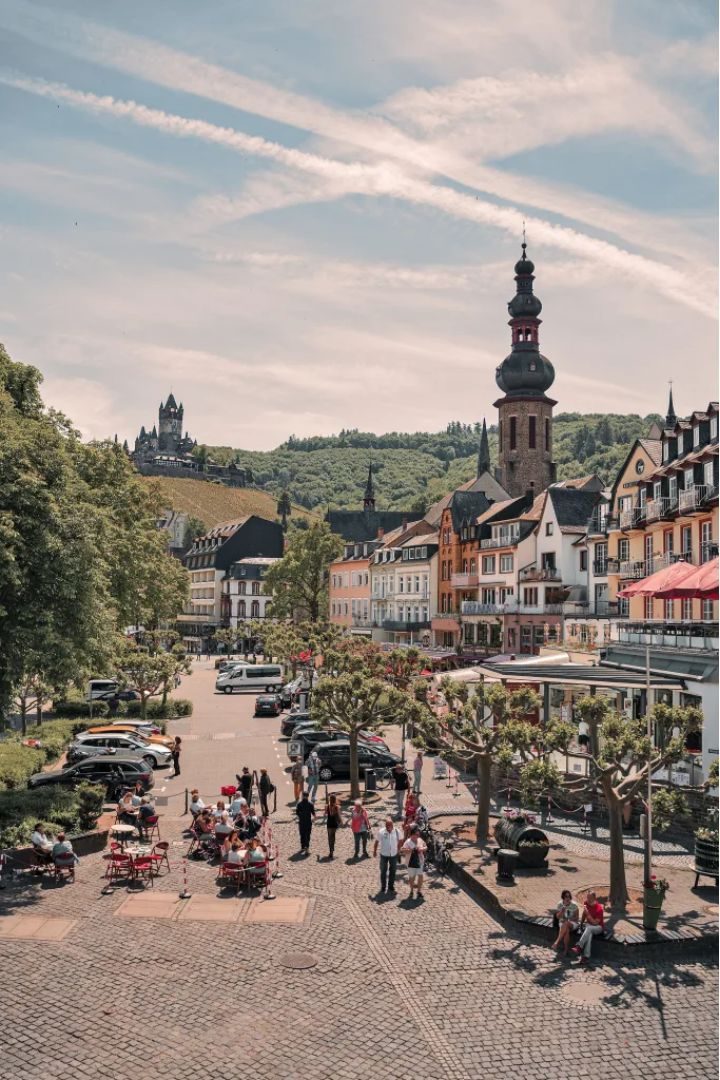
Cochem is a riverside town in the Moselle river. This town has beautiful scenery to vineyards and the river. It is famous for the Reichsburg Cochem, on a hill on top of the town. The hill is covered by a vineyard which makes the landscape beautiful.
How to get to Cochem?
To get to Cochem, you can go by car or by train. To do so by train you need to take a train until Koblenz and another one from Koblenz to Cochem. The closest airport is Frankfurt, 160km by car, but by train, you may need to go to Cologne, so it may be a better idea to land in Cologne.
What to do in Cochem?
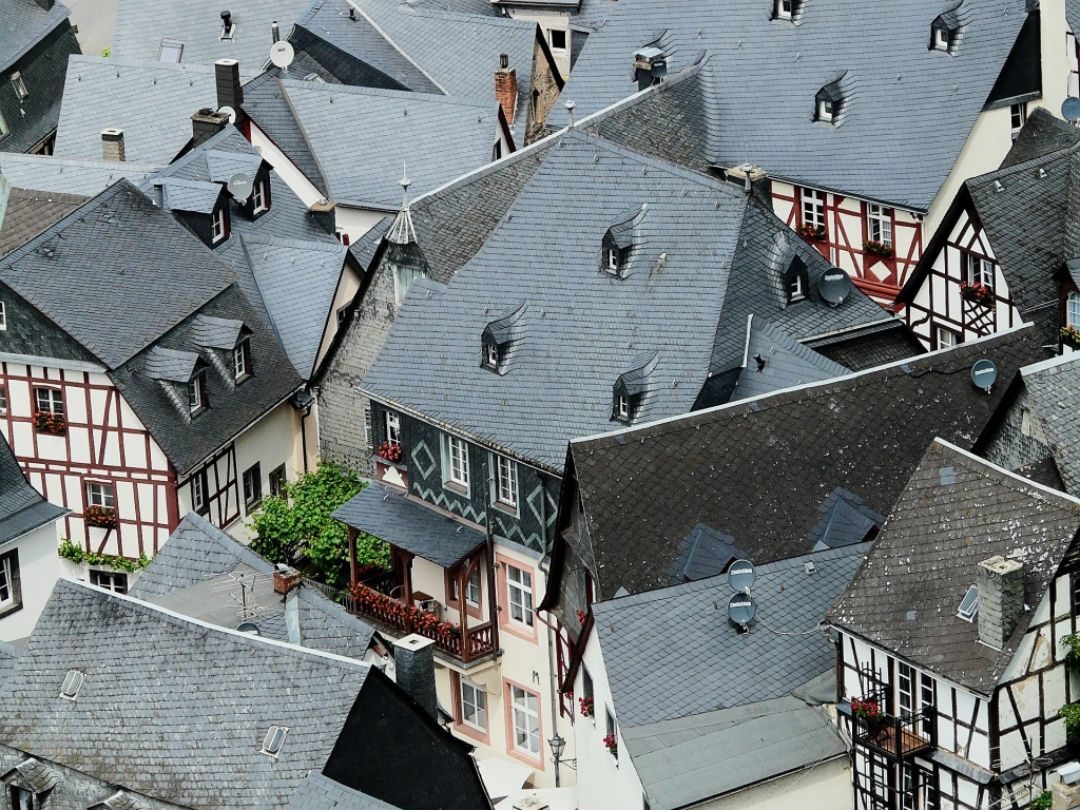
The most famous thing to do in Cochem is to explore the Reichsburg Cochem. You can visit the castle for 7€ and be amazed by the views of the city and the history of the place. Besides the castle, which is the major landmark, you can also explore the city centre, which also is home to several beautiful half-timbered houses. Another popular thing to do in the region is to take a cruise on the river.
In Chochem you can also visit a bunker, Bundesbank Bunker, which is something quite unusual to do in Cochem.
To get beautiful views of the Reichsburg Cochem, you can walk the scenic Moselle Promenade, the riverside walk. Another pretty scenic place is the Cochem Bridge with a beautiful view of the riverside town with the castle on its top.
Hessen
The capThe capital of Hessen state is Wiesbaden, but the state is home to one of the biggest German cities, Frankfurt. This state is located in the west centre of Germany and the majority of people live in the south part of the state.
Rüdesheim am Rhein
Rüdesheim am Rhein belongs to the UNESCO World Heritage site (because it belongs to the Upper Middle Rhine Valley region). The town is a known winemaking town. The town is located at the foot of the Niederwald on the Rhine’s right bank in the Rheingau wine region.
How to get to Rüdesheim am Rhein?
This town is the easiest to reach from Frankfurt, which is good because of the connections to the city’s airport from all around the world. By car, it will take between 45 minutes to 1 hour. You can rent a car at Frankfurt airport. However, by train you’ll take a bit more because you may need to change trains in Mainz. You can also get there by boat. KD and BR boats cruising the Rhine stop at Rüdesheim and the Ferry Rüdesheim – Bingen – You can also hop on a ferry across the river to Bingen and board there.
What to do in Rüdesheim am Rhein?
There are many things that you can do in Rüdesheim am Rhein such as museums, landmarks and traditional events. One of the most popular things to do here is to explore the river in a boat tour of the castles in the region.
Regarding museums, one of the most famous is the Siegfrieds Mechanisches Musikkabinett, which explores the history of self-playing music and its instruments. This museum is also in a beautiful building with a red timbered-framed tower. Another famous museum is the mediaeval torture museum. You can also explore the Asbach Distillery and the Rheingauer Weinmuseum Brömserburg, in the Brömserburg castle.
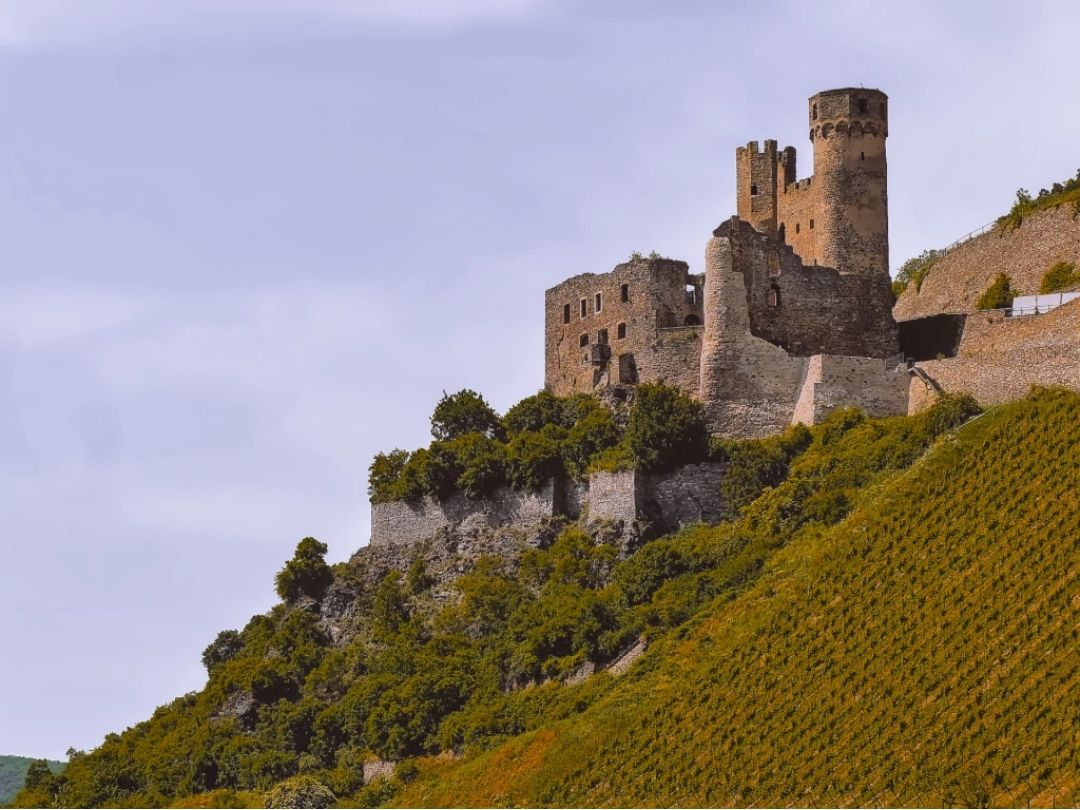
There is also some castles to explore in the region such as the Brömserburg, a 10-12th century castle that originally was a fortification and the Boosenburg Castle.
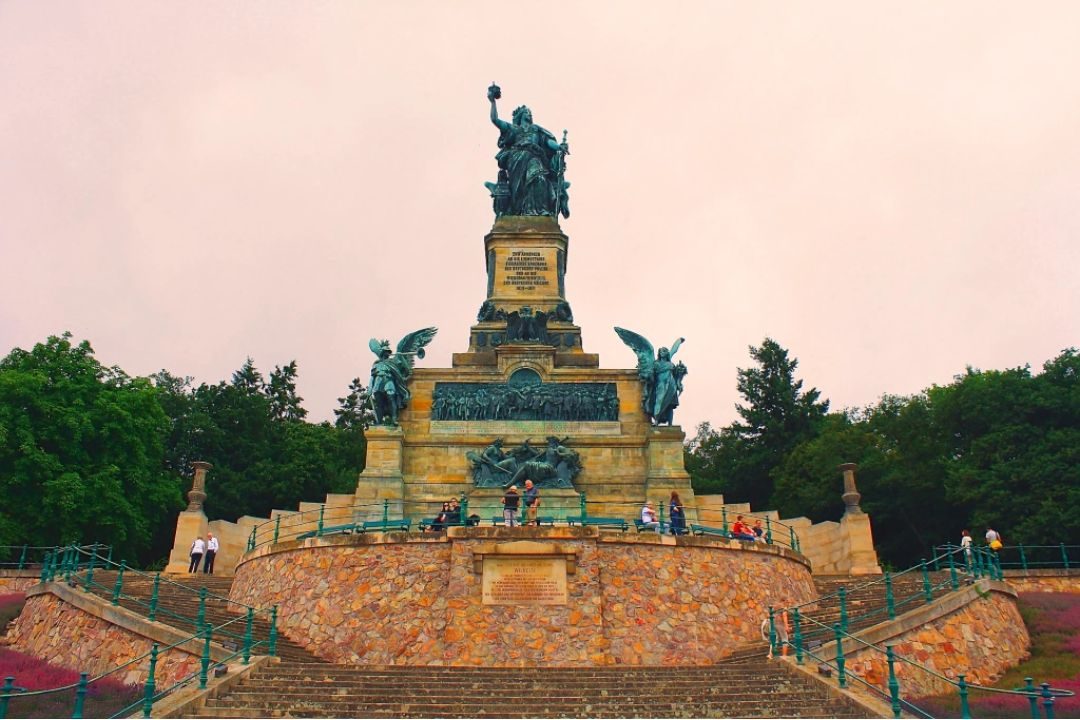
A famous landmark is the Niederwald Monument that celebrates the defeat of France in the Franco-Prussian war in 1871. To get to the monument, you can take a cable car. In the summer, you can ride the cable car at night to see the moon reflected in the river.
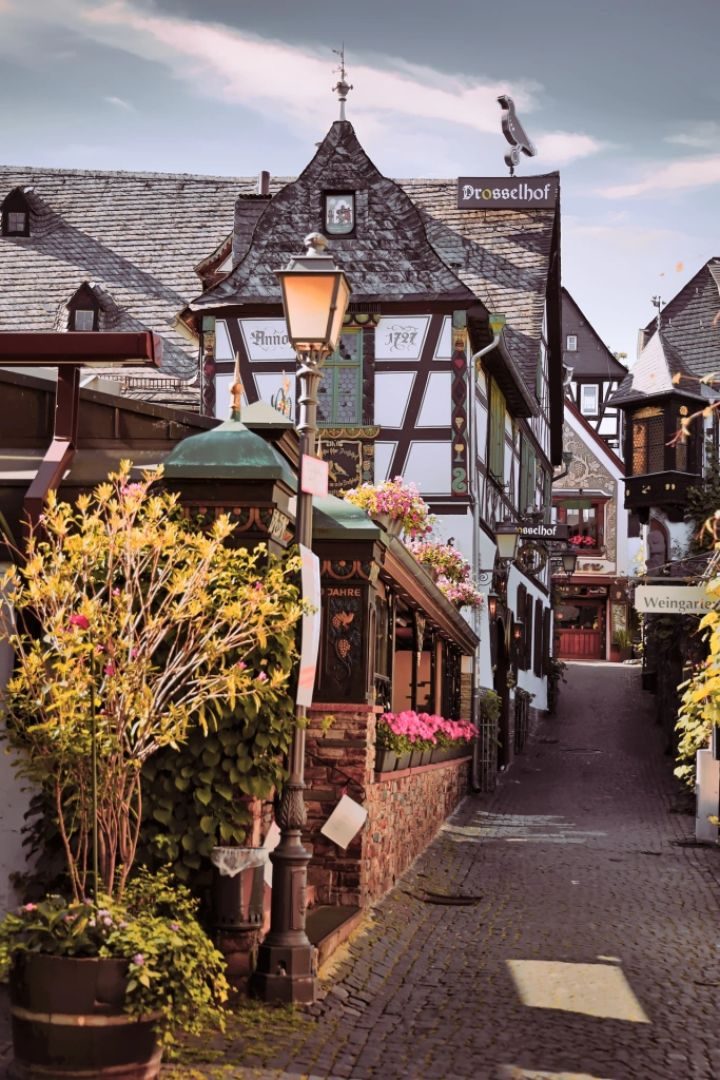
There is also a famous alley in the town, the Drosselgasse. This is a 2-meter wide alley that goes through a beautiful medieval region of the town that looks out of a fairy-tale-like Beauty and the Beast.
Marburg
Marburg is a universitMarburg is a university town in Germany, located in the Lahn Valley. This is one of the towns that inspired the Grimm Brothers so it resembles one of the fairy tales collected by the brothers, that attended the university in the town.
How to get to Marburg?
This town is well connected to Frankfurt and Kassel through the Intercity and Intercity Express trains. The closest airport to Marburg is once again the Frankfurt airport, the busiest in Germany. By car, you will spend around 1-hour driving to get from the airport to the city, located 100km away from the airport. You can rent a car at the Frankfurt airport if that is your choice. The train will take between 1 and 1h30. There are direct trains from the central station of Frankfurt to Marburg.
What to do in Marburg?
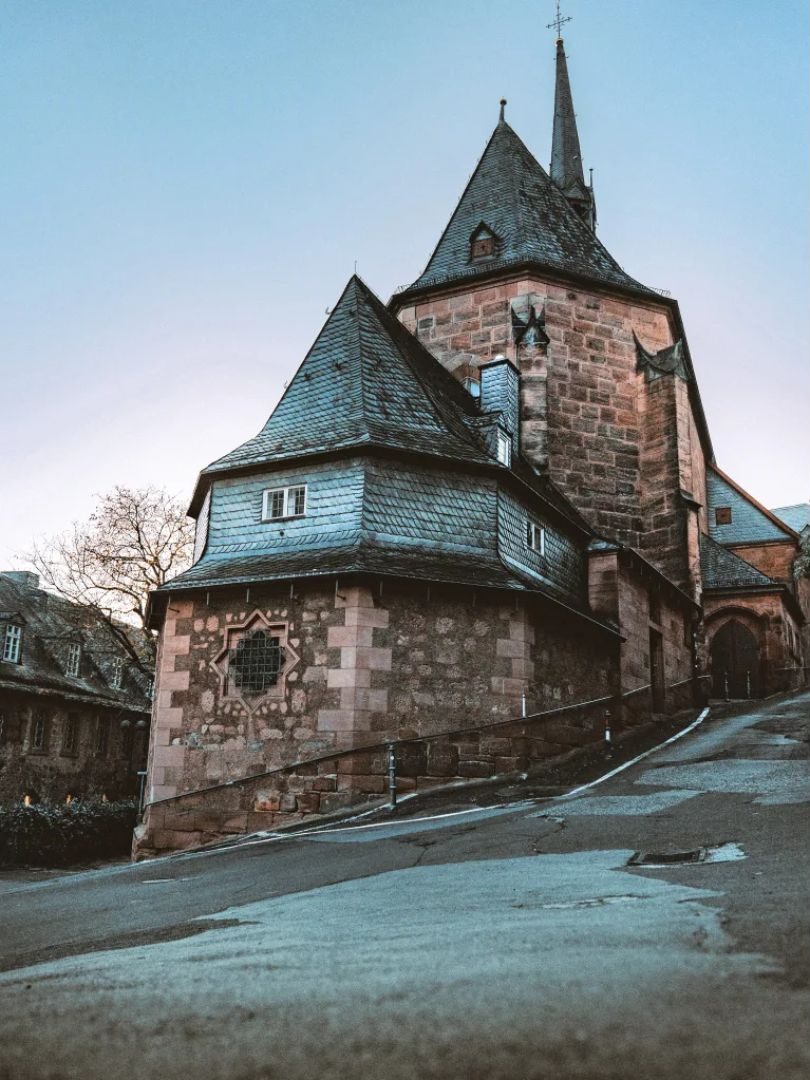
The beautiful town has amazing places to explore such as the Marburger Schloss located on the top of Schlossberg hill with an incredible view of the town. Another very important landmark is the St. Elisabeth’s Church. This church started to be built in the 13th century and was used as a model for the Cologne Cathedral.
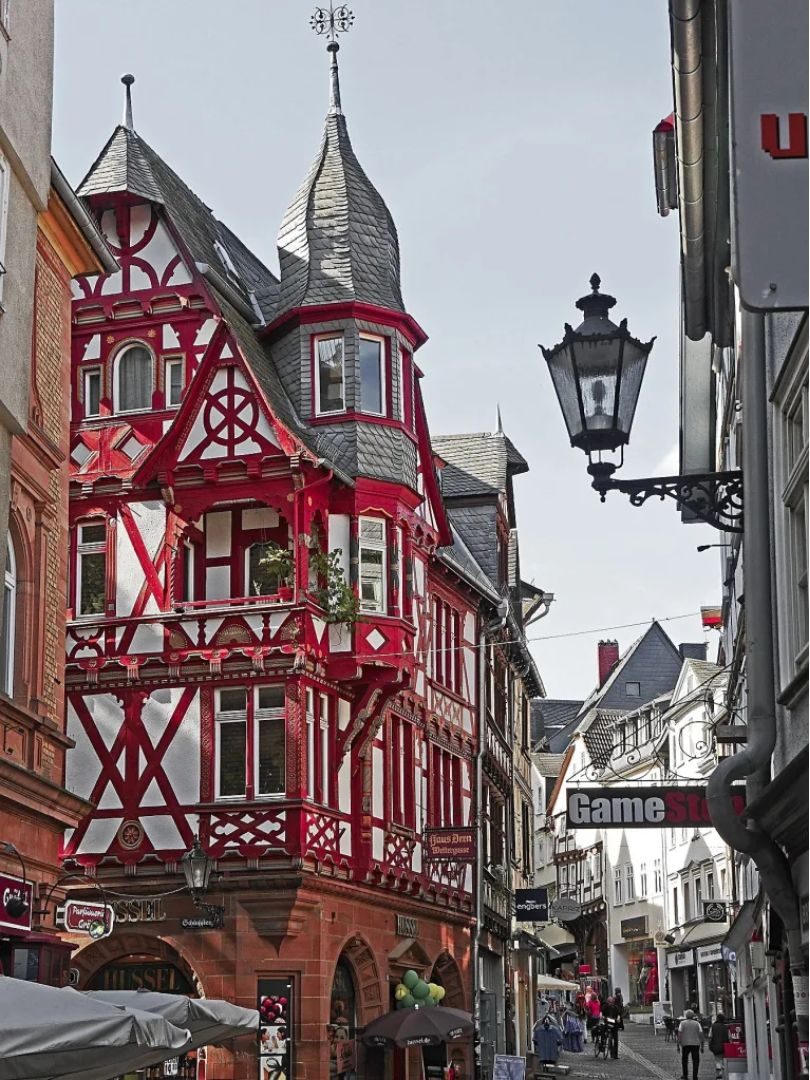
The old town is a beautiful and well-preserved medieval area with lovely cobblestone alleys lined by colourful half-timbered houses from several eras. The town hall is one of the most famous landmarks of the town.
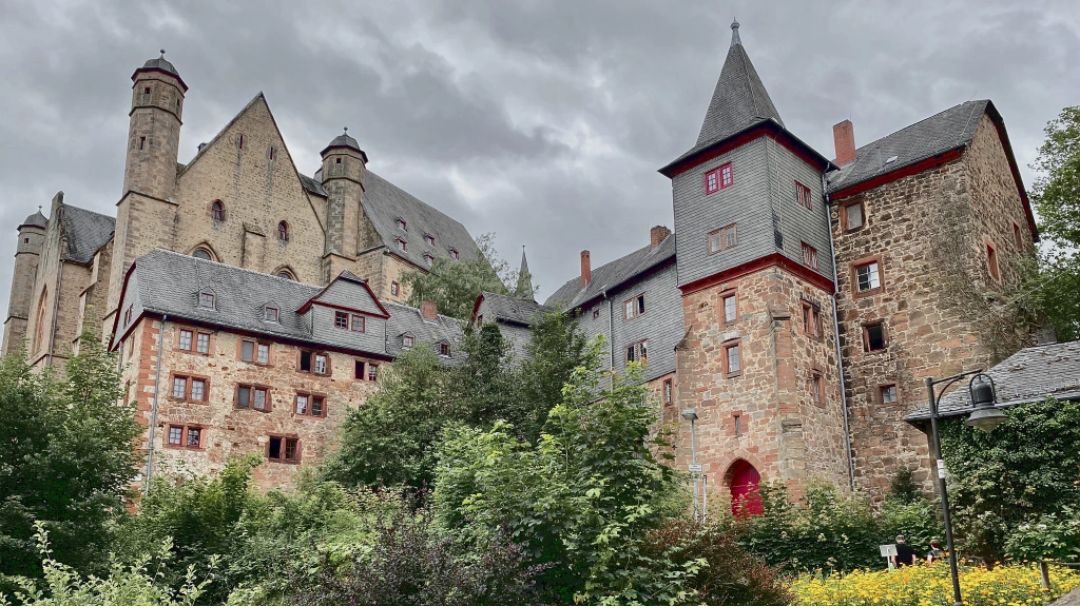
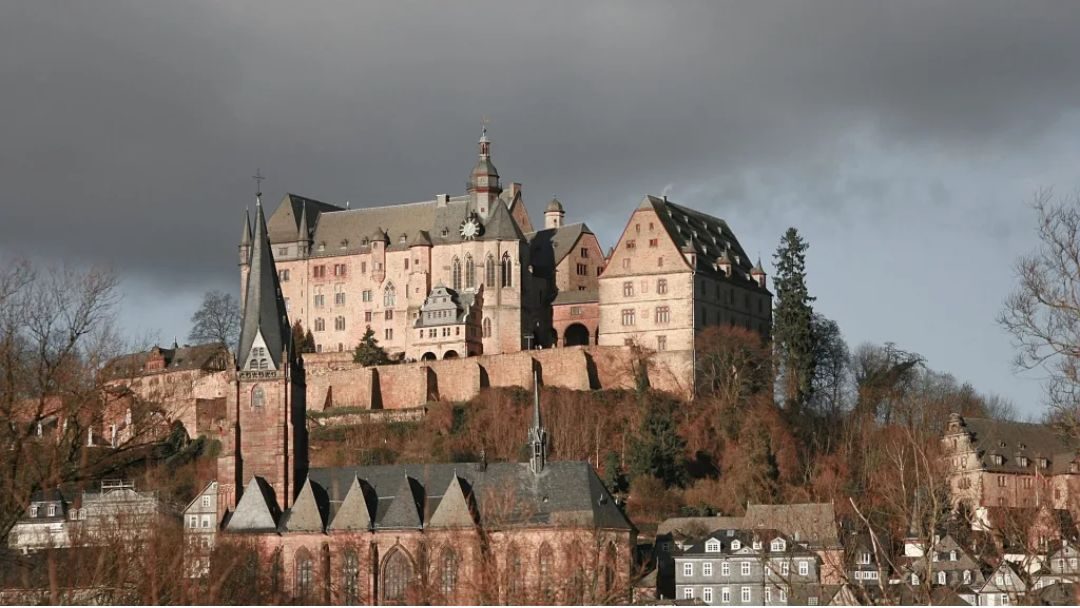
In 2012, the Grimm Path was inaugurated. This is a curious path that connects the fairy tale figures from the Grimm Brothers stories and you can do a self-guided tour using the QR-code map at the Marburg Stadt und Land Tourismus GmbH.
The University of Marburg was founded in 1527 and is one of the oldest in Germany. Its architecture is amazing and is worth a visit.
Limburg
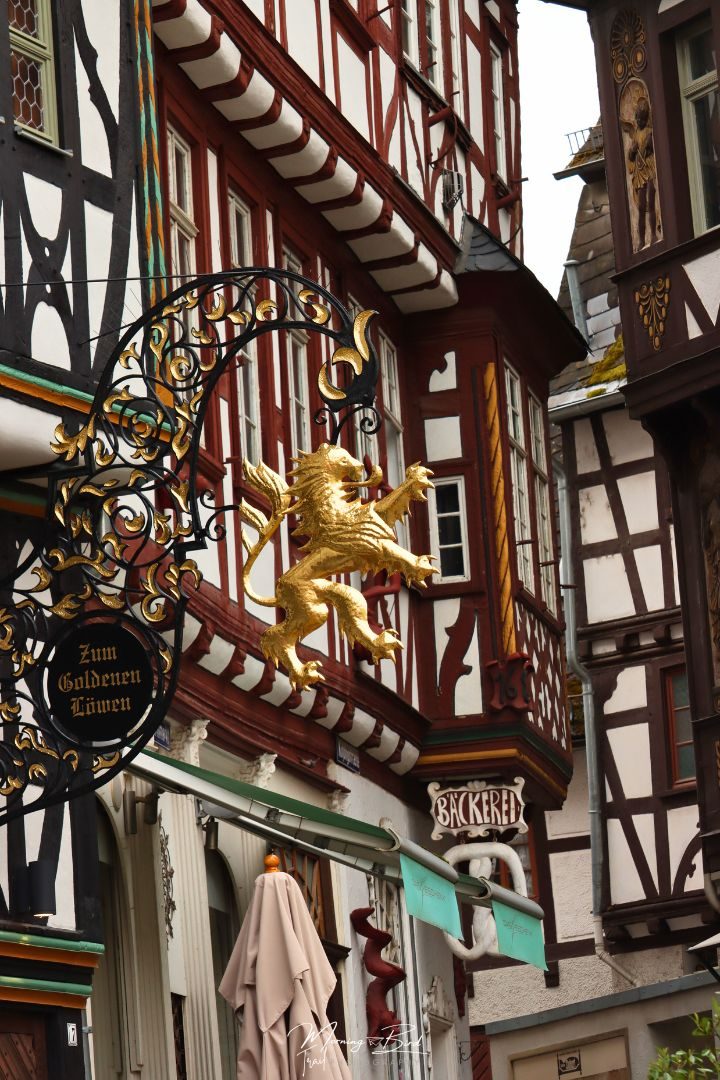
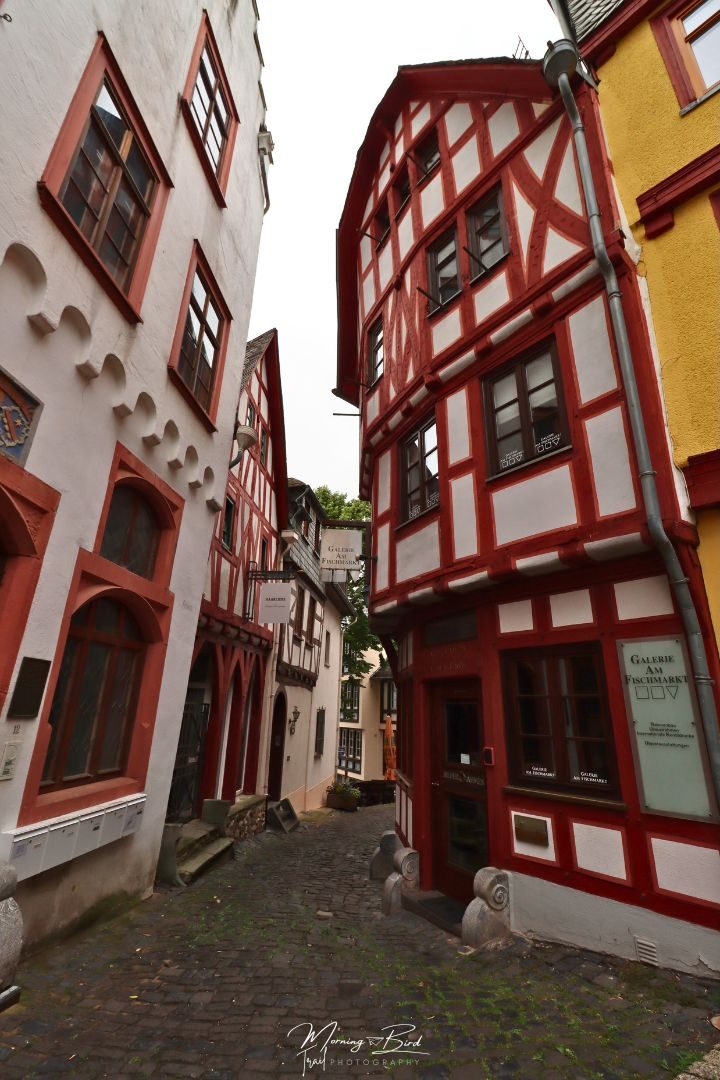
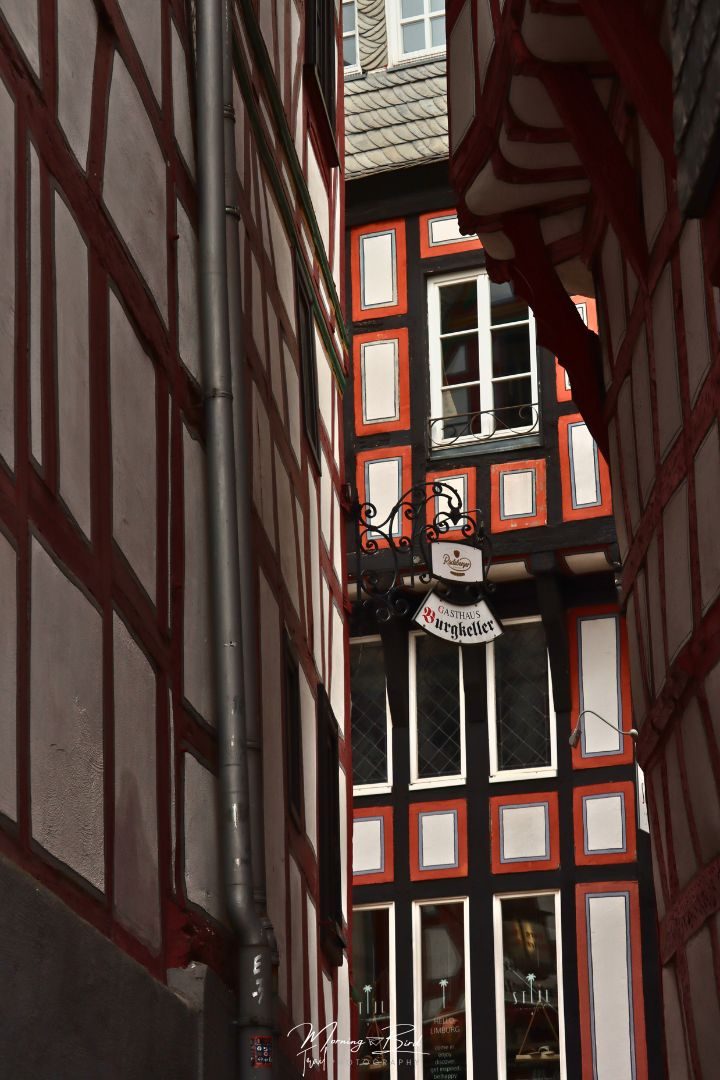
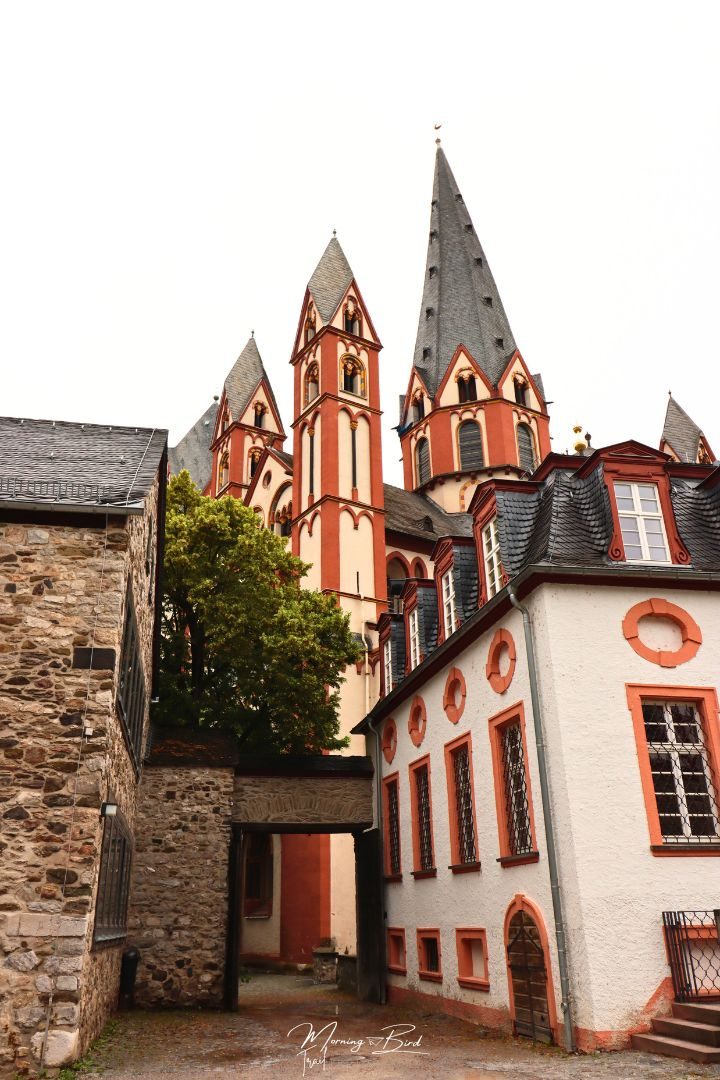
Nestled along the banks of the Lahn River, Limburg an der Lahn is a charming town in Hessen, Germany, known for its picturesque medieval architecture and vibrant cultural heritage. The town’s iconic Limburg Cathedral, narrow cobblestone streets, and half-timbered houses make it a delightful destination for travellers seeking history, culture, and scenic beauty.
How to get to Limburg?
Limburg is conveniently located between Frankfurt and Koblenz, making it easily accessible by train. The town has a major train station, Limburg (Lahn) Hauptbahnhof, served by regional and long-distance trains including the ICE (Intercity Express) from major German cities.
What to do in Limburg?
Limburg (Lahn) is a delight to just walk around. Besides the beautiful half-timbered houses, an highlight is the Limburg Cathedral (Dom St. Georg), a stunning Gothic cathedral is the town’s center-piece, with intricate stonework and beautiful stained-glass windows. Just by the river, you can also enjoy the Lahn River Promenade and go on a scenic walk or a boat ride along the river, especially charming during sunset.
Baden-Württemberg
This is a state located in the southwest of Germany, bordering France. The capital of Baden-Württemberg is Stuttgart and other big towns in the state are Mannheim (near Heidelberg), Karlsruhe and Freiburg im Breisgau.
Some of the most beautiful towns in the state are shown below. These towns can be part of the south of Germany road trip. I created a 9-day itinerary to the south of Germany that can be seen in this blog post to inspire your future road trips.
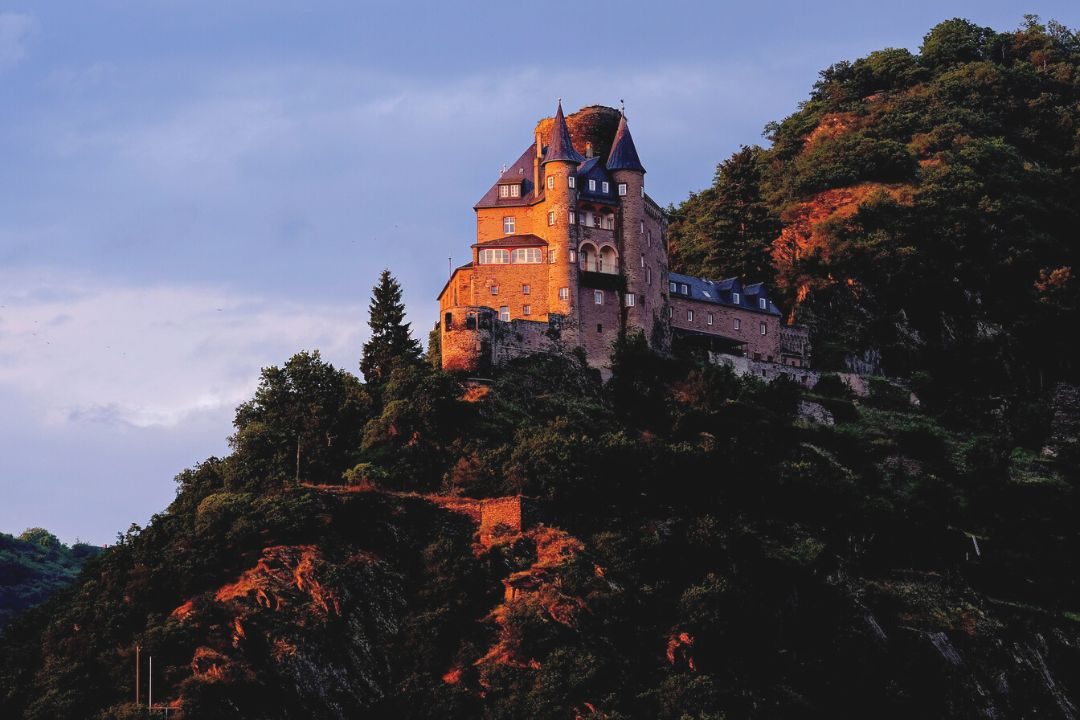
Meersburg
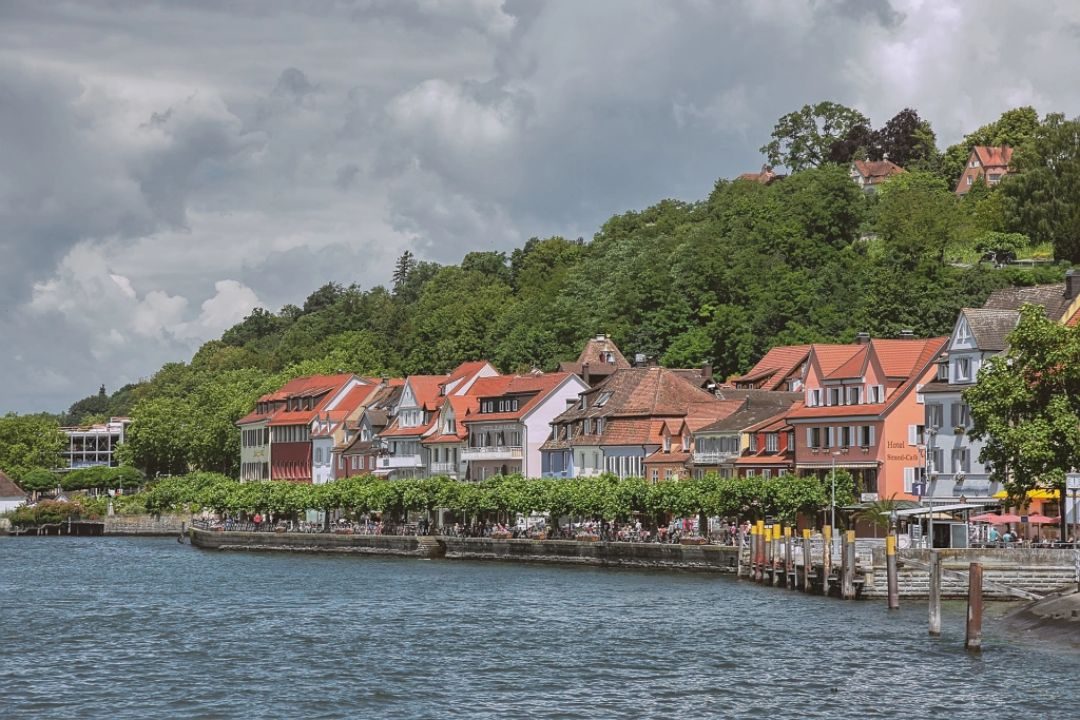
Meersburg can be translated as the castle on the lake because the city is located on the shores of Lake Constance. Because of this location, the city is more popular in the Summer but it is also interesting to explore at other times of the year because of its well kept medieval centre surrounded by vineyards.
How to get to Meersburg?
You can get to Meersburg from Constance by car ferry. You can also drive to Meersburg. It is not easy to get to Meersburg by train because the town doesn’t have a train station. However, you can travel to Friedrichshafen or Überlingen and take the bus to Meersburg.
What to do in Meersburg?
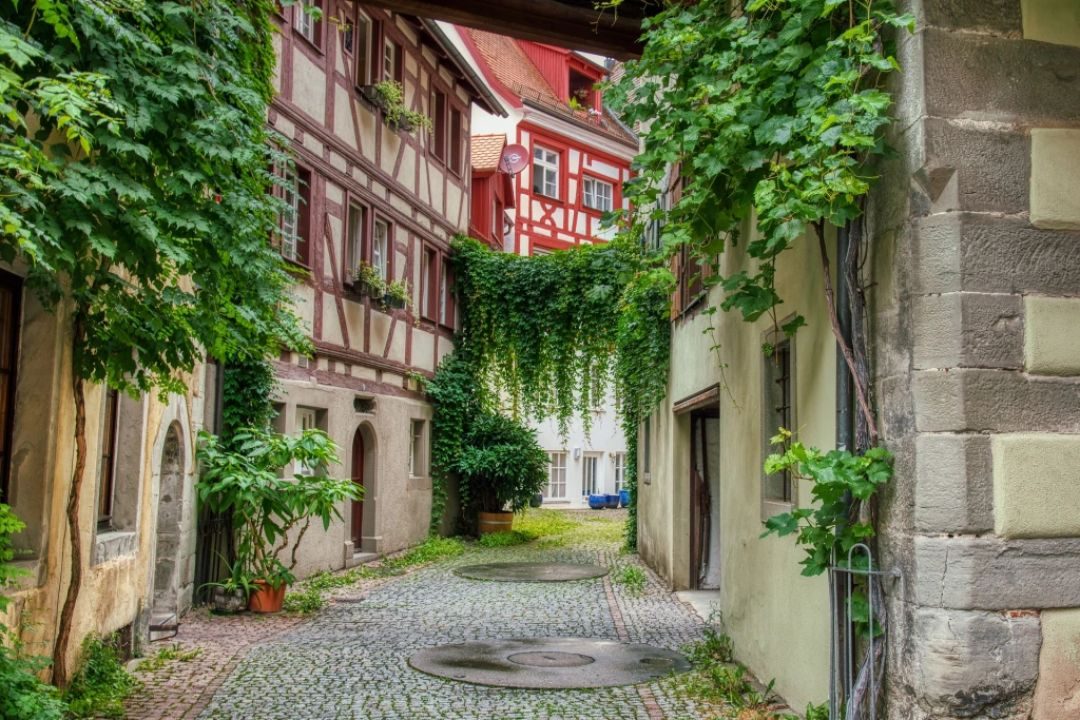
One of the most popular things to do in Meersburg is wandering the beautiful old town. The alleys of the old town are full of colourful interesting buildings and sometimes the alleys are lined with flowers.
Another popular activity is to walk near the lake Constance. In the waterfront promenade, you can find many restaurants and coffees to drink and eat something if you need or want to.
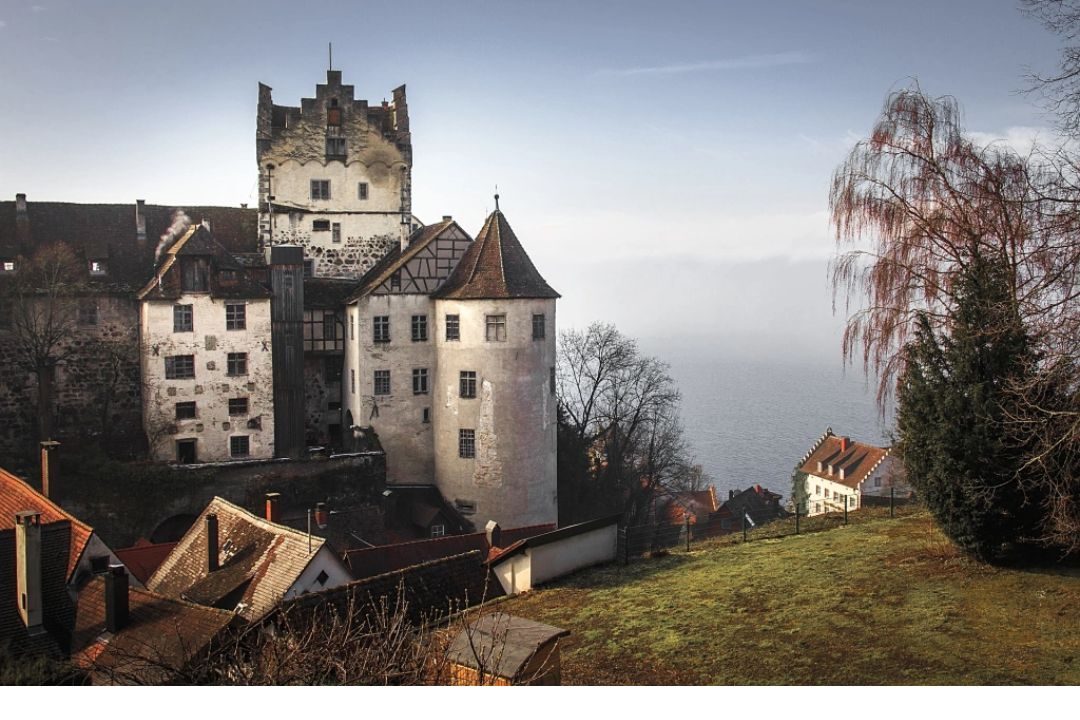
In the town, you can also find a cute medieval castle, the Meersburg Castle, one of the oldest in Germany, that dates from the 7th century. Most of the building that we can see today, however, was built in the 12th century.
Another castle, known as the new castle, is located near the previous one and has an incredible view of Lake Constance. Besides that, the castle is also home to several museums including an art gallery.
Triberg
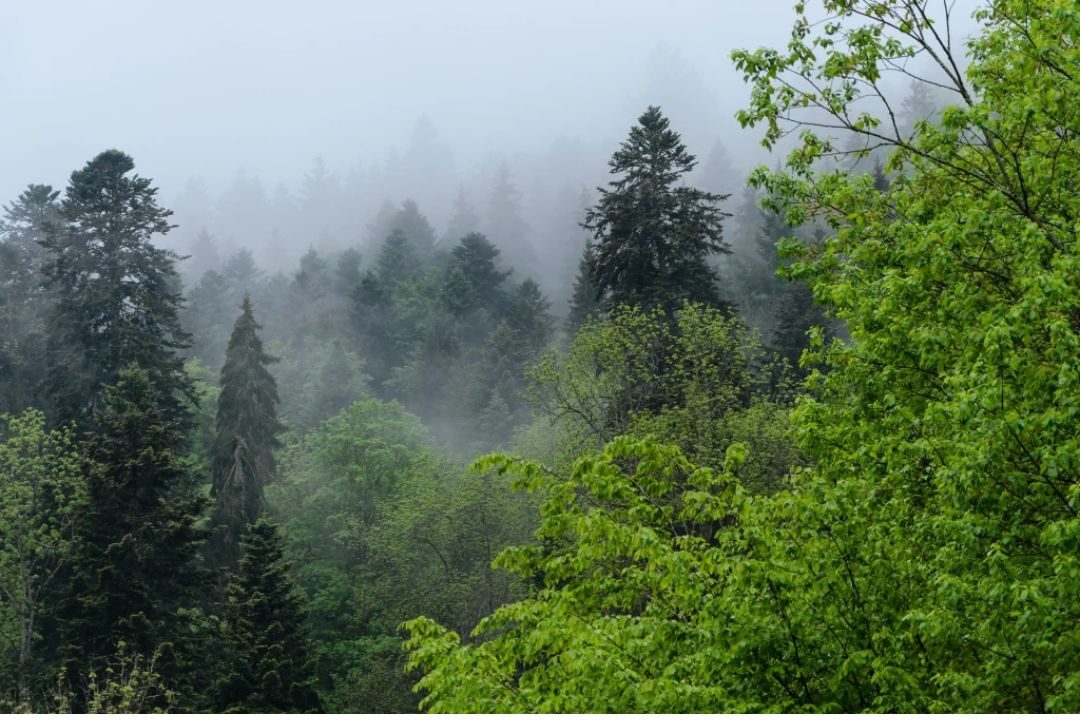
Triberg is located in the middle of the Black Forest, in Baden-Würtemberg. What makes this town famous is its amazing waterfalls and its cuckoo clock.
How to get to Triberg?
By train you can get to Triberg through the Karlsruhe-Kreuzlingen RE (“Schwarzwaldbahn”). This train also passes through Offenburg if you are coming from Freiburf im Breisgau ou Strassbourg. From the train station, you can get to the city centre after a 2 km walk, or you can take a quick bus.
What to do in Triberg?
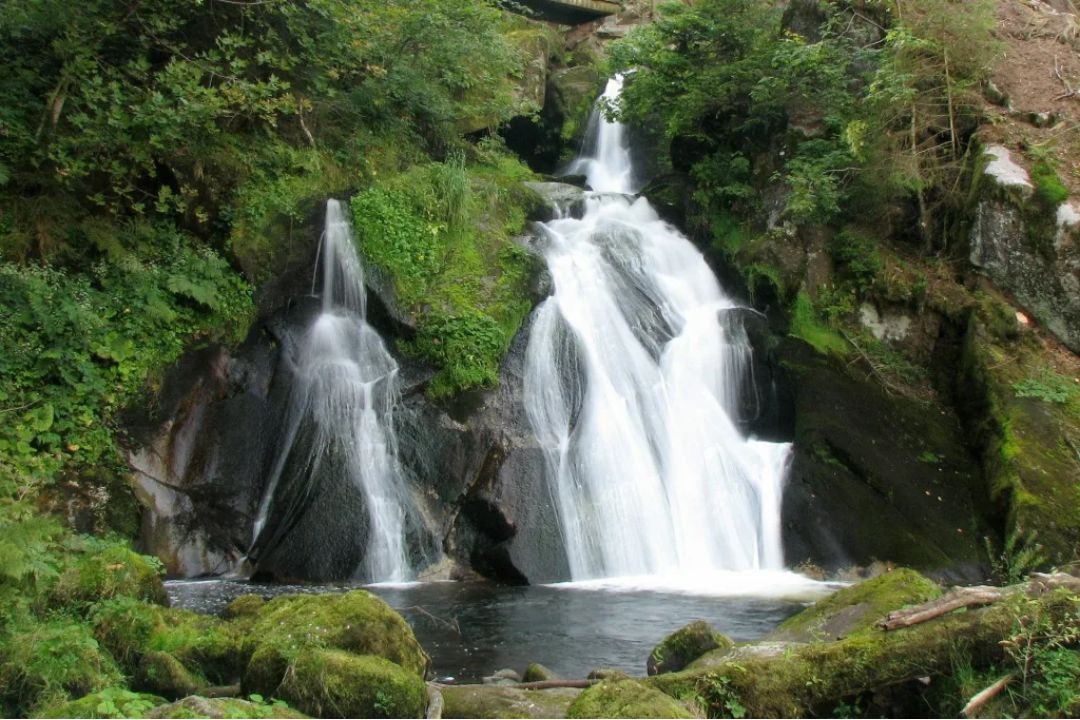
The most famous landmark in Triberg is the Tiberg waterfalls. These waterfalls can be seen from several hiking trails or you can see the bottom of them near the parking lot. The waterfalls are known to be the highest in Germany, with 7 waterfalls and more than 160 meters.
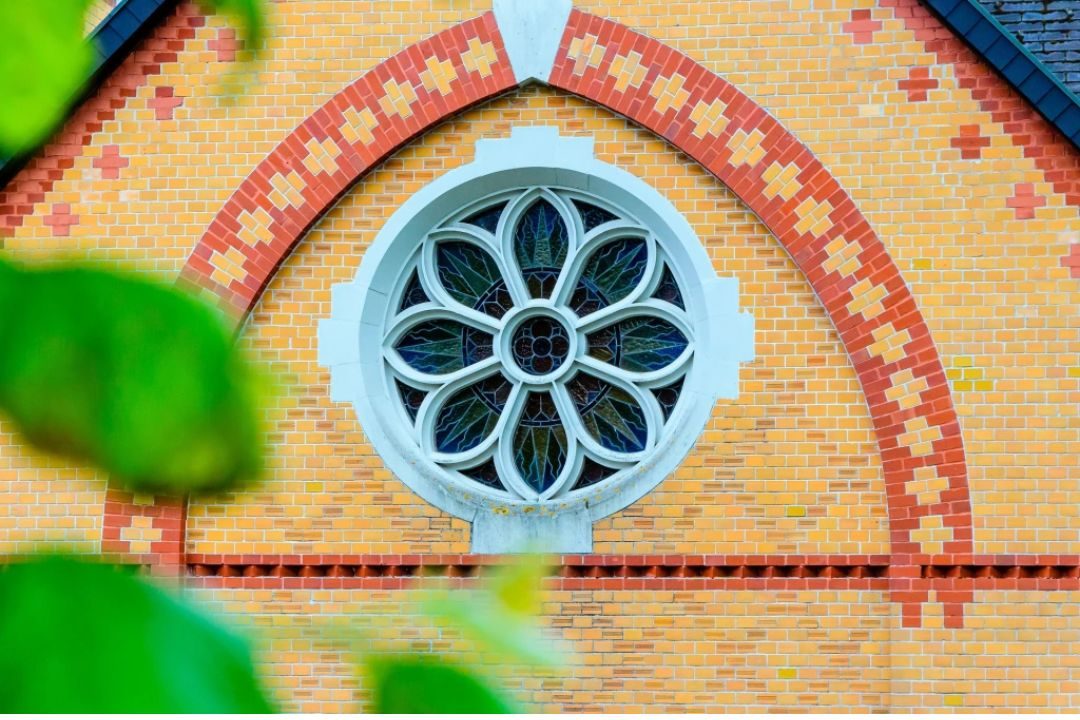
Besides this natural landmark, the town is famous for its cuckoo clocks because they were invented there, in the 18th century. In the town, you can see the biggest cuckoo clock in the world. If you try to be there when the hour change you can experience the figures in the clock waltz around the balcony.
Here you can also learn about the region in the Black Forest Museum. In the museum, you can see a model of the 120-year-old Black Forest Railway and many traditions of the region.
Schiltach
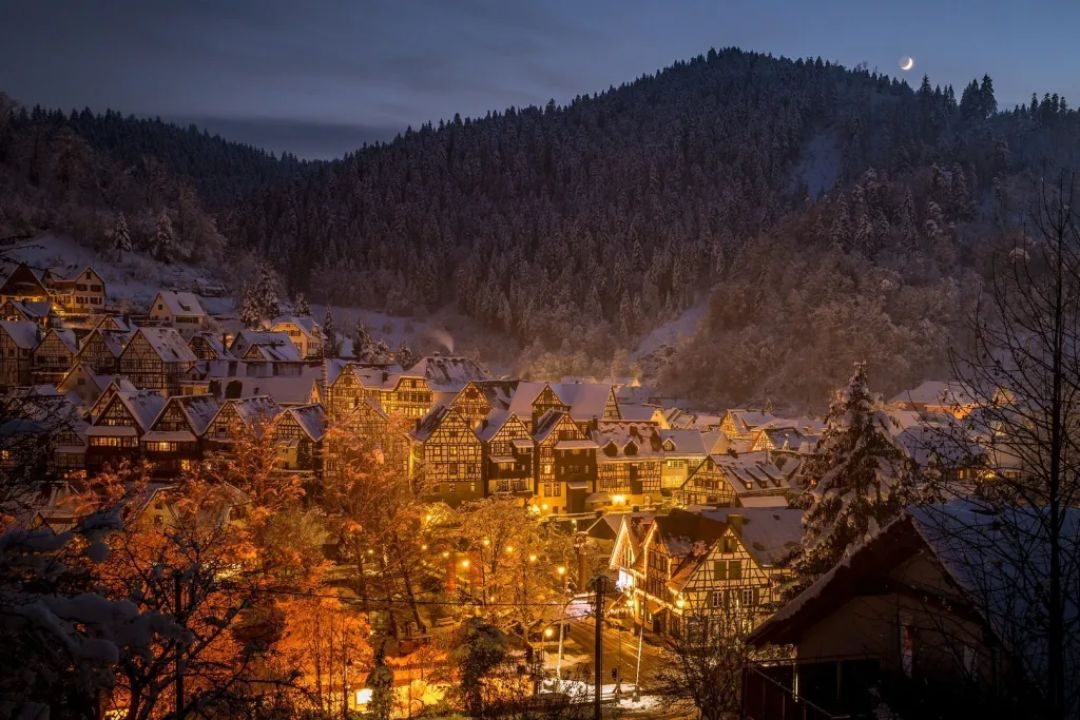
This is one of the most beautiful fairy-tale towns in the Black Forest. What makes the town that beautiful is the incredible medieval inner city. In this city, you can see the place where the Schiltach tributary flows into the Kinzig river.
How to get to Schiltach?
Schiltach is located on the Kinzig Valley Railway, which runs from Offenburg to Freudenstadt. By car, you can easily get there from the airports of Stuttgart or Strassbourg. The trip from Offenburg to Schiltach takes you around 1 hour and costs around 12€.
What to do in Schiltach?
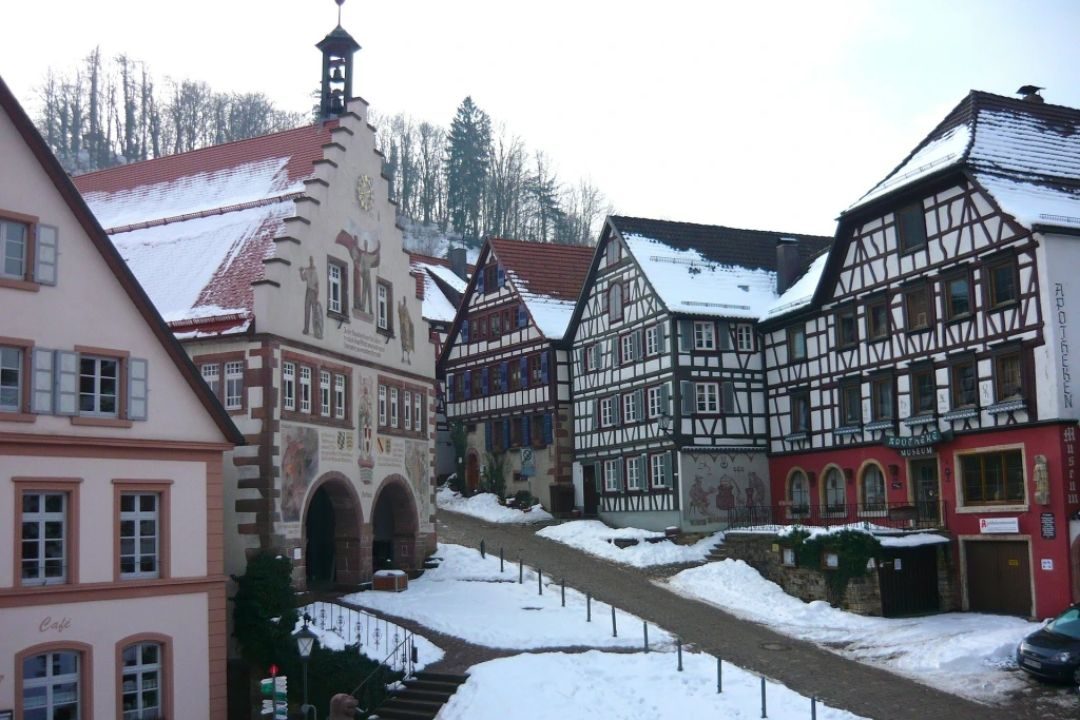
The most beautiful thing to do in Schiltach is just wandering around the medieval city centre and enjoy all the beautiful buildings that seem to have come out of a fairy tale world. Schiltach is part of the German Half-Timbered House Road tourist route, because of its appearance.
Some of the most famous buildings, because of their architecture and function, are the Townhall, The Eagle Hotel, from 1604, the marketplace, the Lutheran town church. Many other medieval buildings, usually from the 16th to 18th-century exist in the town and are worth a visit.
The town also has several museums such as the Christmas museum, the Museum on the Market and the Museum Wasser-Bad-Design.
Bavaria
Bavaria is one of the most beautiful places in Germany and as a result this state is the one that is home to the highest number of charming little towns in Germany. Because of this I decided to dedicate an entire blog post to Bavaria. In this blog post you can find the 10 most beautiful towns in Bavaria and the blog post will be published on Thursday, 9th of September.
Saxony
Saxony is a central-easter state in Germany that borders Poland and the Czech Republic. Its capital is Dresden and the largest city Leipzig. Other bigger cities are Chemnitz and Zwickau.
Meissen
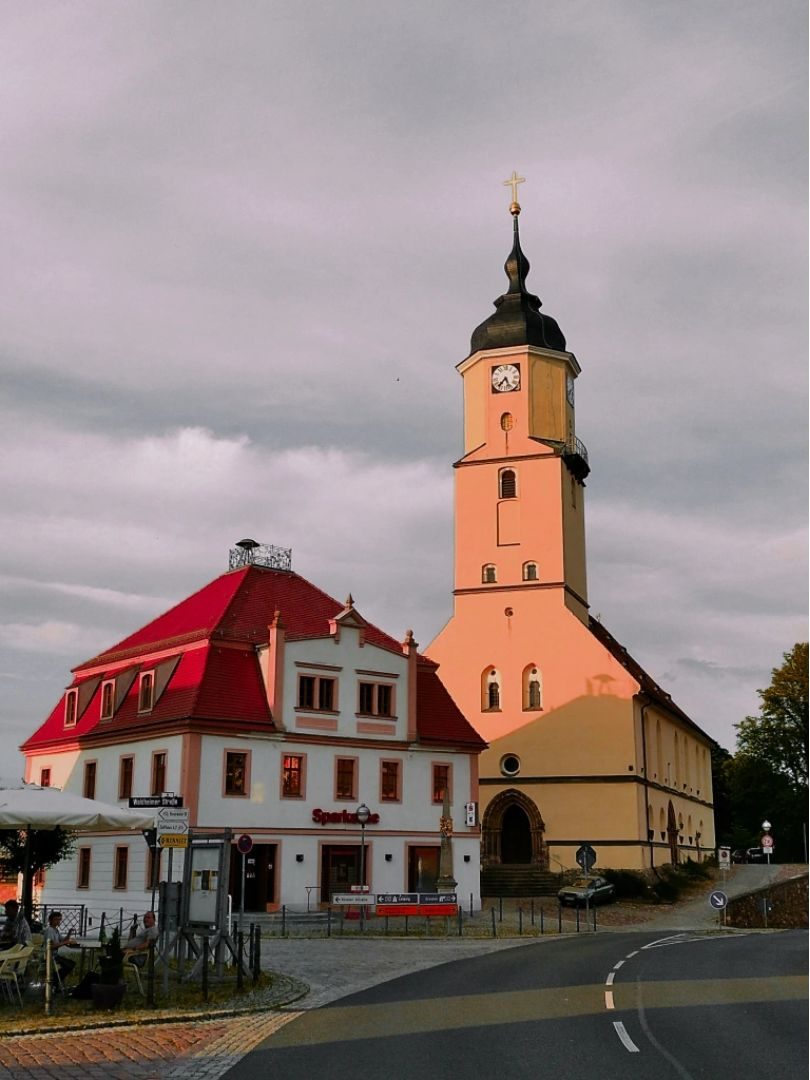
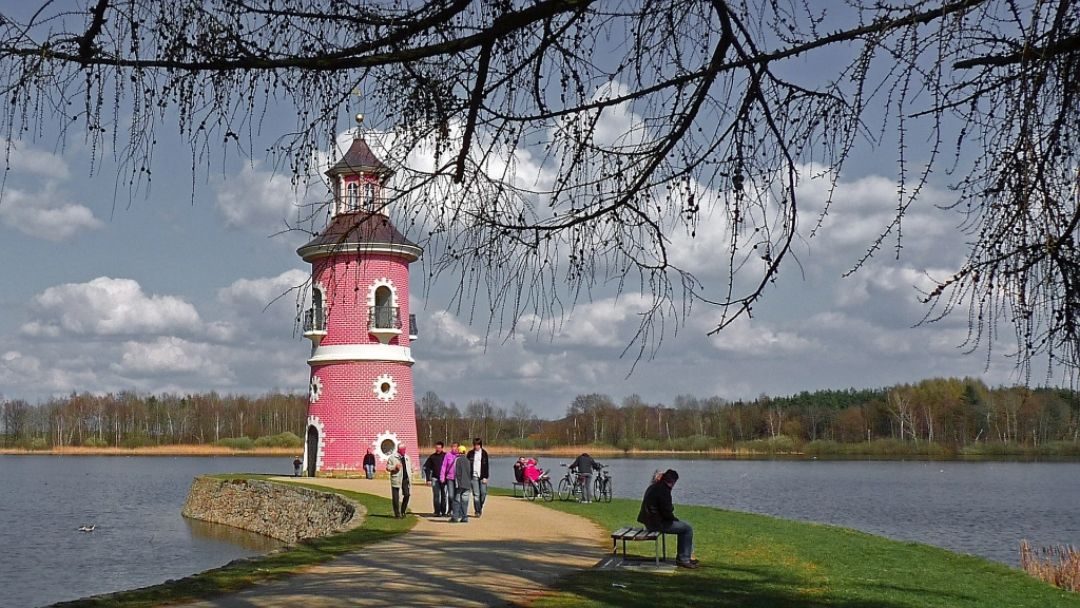
Meissen or Meißen is the oldest town in Saxony and is quite close to Dresden which makes getting there quite easy. The city gained cultural importance as the place where the first European porcelain was invented. This factory still produces porcelain today and can be visited with the porcelain museum.
How to get to Meissen?
Because of its proximity to Dresden (only 30km away by car, which can be driven in 40minutes), it is quite close to the airport, which is the closest international airport. By train, you can get from Dresden to Meissen in 1 hour. However, the Leipzig airport offers more connections, but it isn’t too hard to get to Meissen from Leipzig either by car (1h30) or train (2h).
The town has three train stops: Meißen, Meißen-Altstadt (old town) and Meißen-Triebischtal.
Another option to get to Dresden is using the Steamboat connection from Dresden or to participate in a boat day tour, from Dresden to Meissen and back.
What to do in Meissen?
As I mentioned above, this town is quite famous for its porcelain. Even though porcelain developed in China much earlier, in Europe the process to make porcelain was only figured out in the 18th century. At this moment when the Meissen factory was established. This factory, as well as the porcelain museum, are some of the most famous landmarks of the city.
In the town, you can also explore a castle, the Albrechtsburg and the Meissen cathedral.
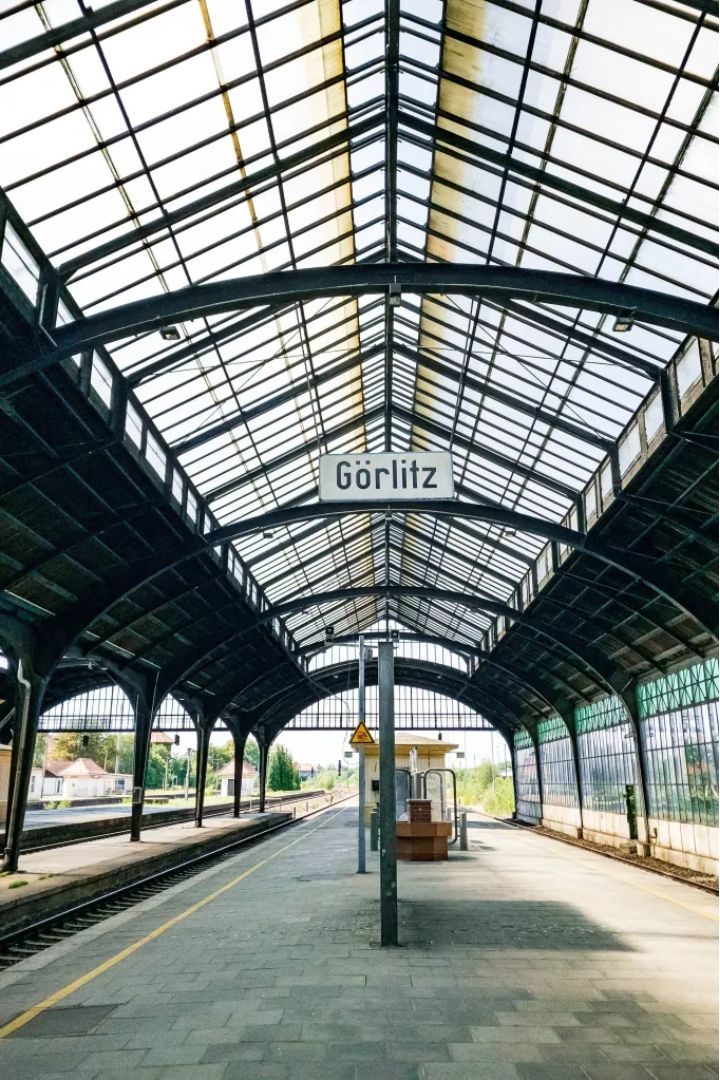
Görlitz
This town is the easternmost town in Germany, only one river (Neiße River) away from Poland. Because of this, something special that you can do in Görlitz is to cross the town’s Old Town Bridge to get to a new country, Poland.
How to get to Görlitz?
The closest airport is also Dresden, but because of the limited connections of this airport, once again it is more likely that you land in Leipzig. From Dresden to Görlitz you’ll spend 1h30 driving (rent a car from Dresden here) or 2h30 by train. From Leipzig to Görlitz you’ll spend 2h driving (rent a car from Leipzig here) and 4h by train. You may also want to explore the options of travelling there by tram or by bus.
What to do in Görlitz?
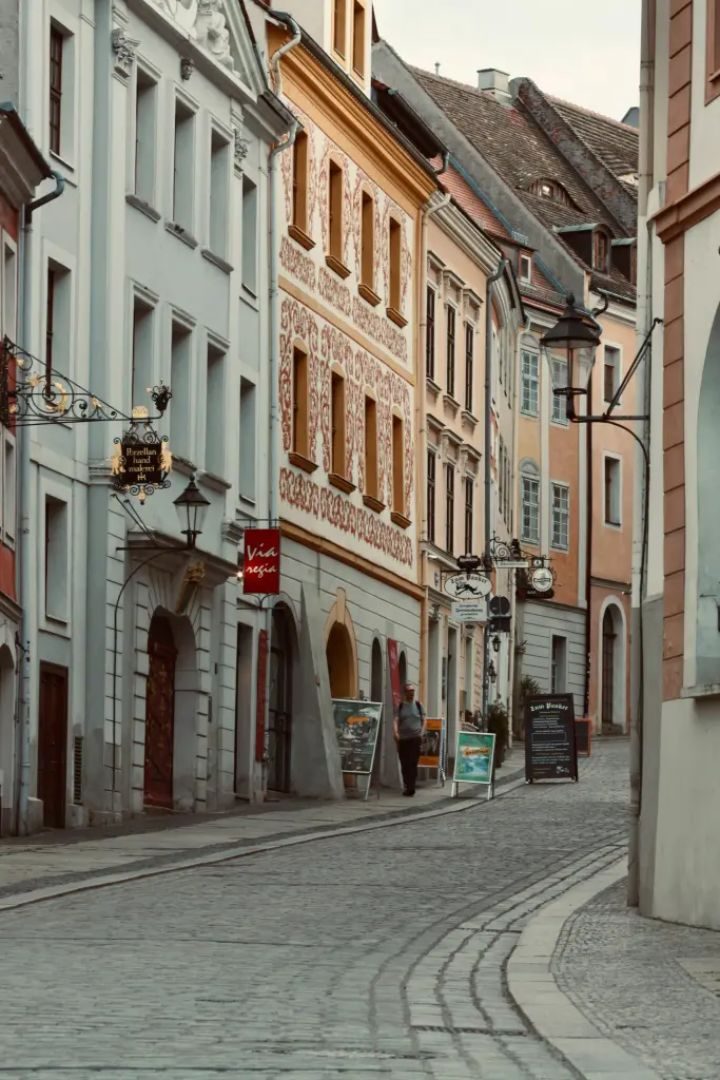
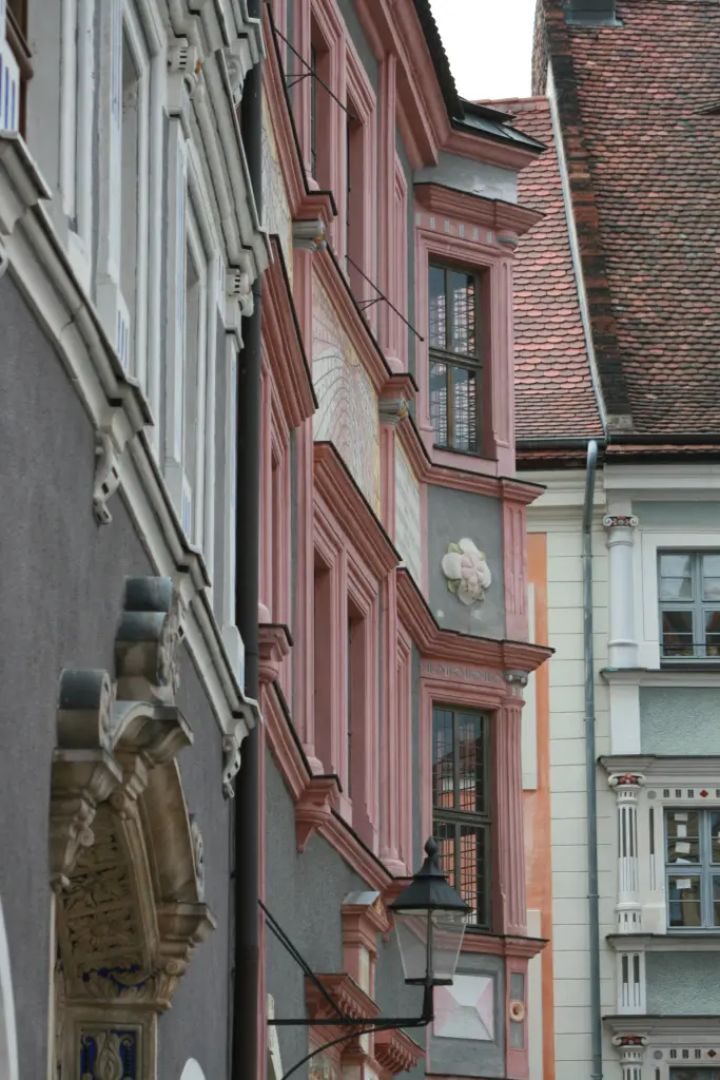
This town was one of the biggest in Germany that wasn’t damaged in WWII. Has a result, it still features a lot of its medieval, baroque and renaissance architecture and features. Because of this, one of the most famous things to do in the town is to wander its streets and alleys and find all the little architectonic details. You can take part on a tour of the old town here.
Besides that, in the town, you can also see the marker of the 15th meridian. This meridian defines central European time.
The most ancient Renaissance building in Germany, the Schönhof, is located in this town, and it is home to the Silesian Museum. Near this museum, you can also find the Town Hall with parts that date back to the 14th century.
The Church that can be seen from far away is a 15th-century Parish Church and it is an important stop along the Via Sacra, the Holy Route that connects some significant religious institutes in Germany, Poland and the Czech Republic.
Saxony-Anhalt
This state originated after world war II, from the former Prussian Province of Saxony and the Free State of Anhalt. This state has a rich cultural heritage and possesses the highest concentration of UNESCO World Heritage sites in Germany.
Quedlinburg
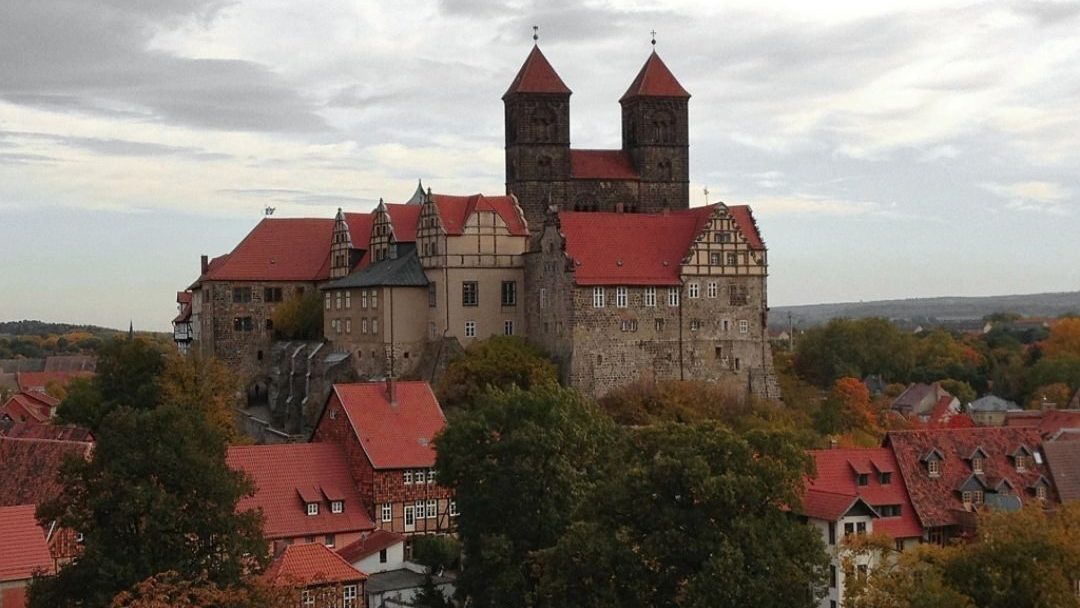
This town is located in the north region of the Harz mountains and, since 1994, several of its landmarks were added to the UNESCO World Heritage List. This town is also one of the most famous stops on the Romanesque Road. This is one of Europe’s best-preserved medieval renaissance towns.
How to get to Quedlinburg?
To get to QuedlinbTo get to Quedlinburg, you may fly to Hanover or Berlin. Hanover is closer to Quedlinburg, and by train, you can get from Hanover to Quedlinburg in 3h20 while from Berlin you’ll take around 4h30. By car, from Hanover, you will spend 1h30 (rent car from Hannover here) on the road while from Berlin you’ll spend 2h30 (rent car from Berlin here) on the road. You can also get to Quedlinburg by bus, either local bus services or long-distance buses.
What to do in Quedlinburg?
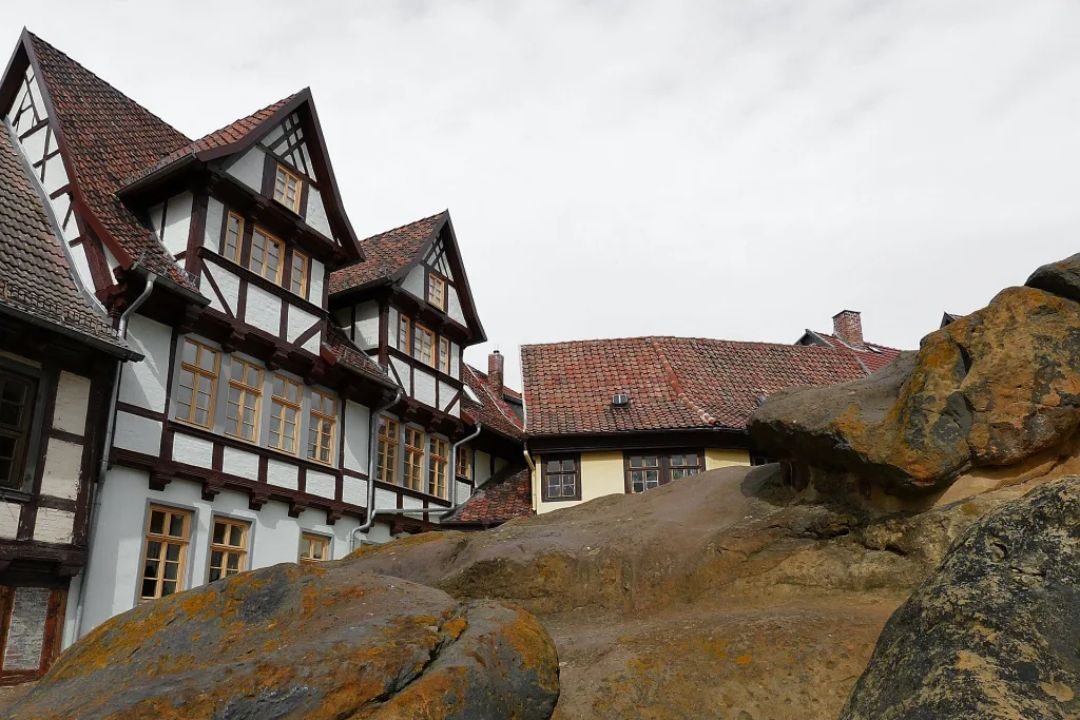
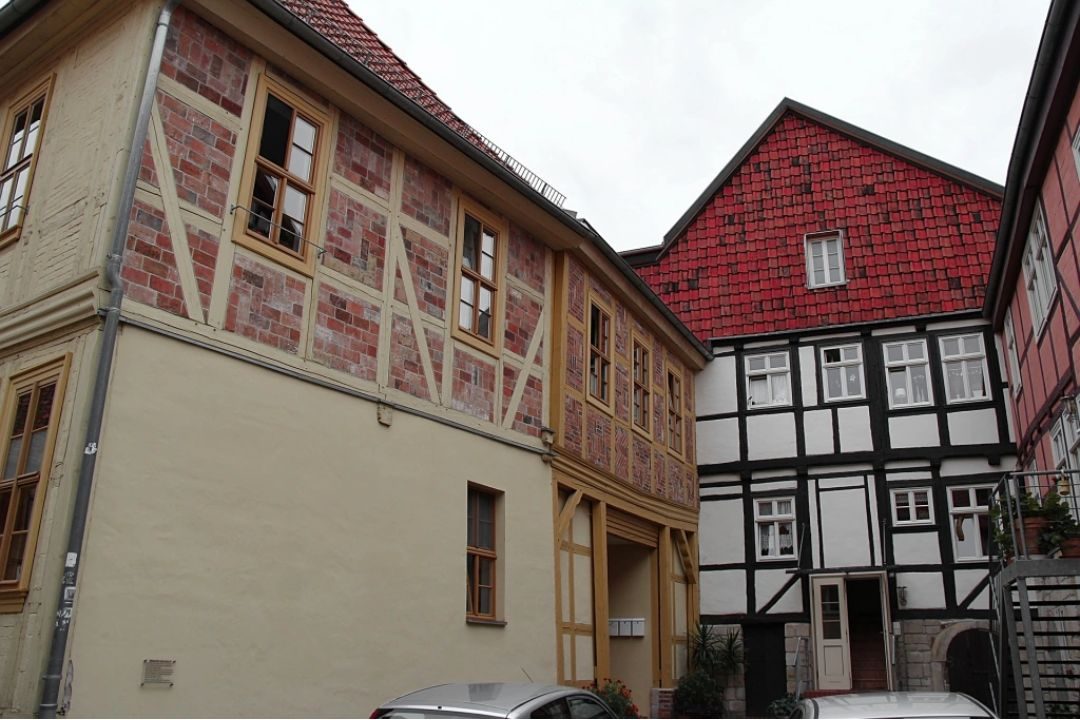
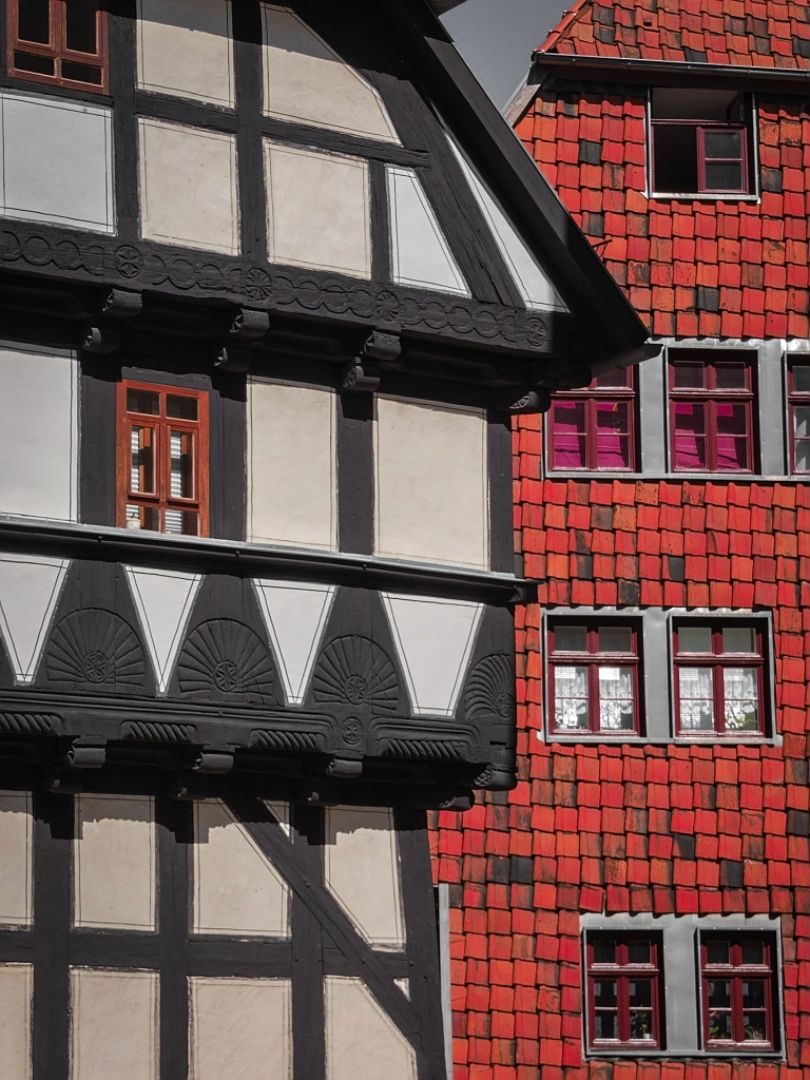
This is another one of those towns that look like they came out of a fairytale. The town has many half-timbered houses extremely well-preserved. Despite this, this town is not visited by many tourists, making it an off-the-beaten-path destination and a hidden gem.
The best starting point, and also one of the most famous places in the town, is the market square. Another famous building to see is the city hall, located in the same square.
Another of the most famous buildings in the city is the Marktkirche St. Benedikt, a church that dates back to the 12th century and is still very well-preserved. In this church, you can climb to a tower and enjoy incredible views. Other famous churches are the Church of St. Servatius, a UNESCO World Heritage List, together with the old town and the castle, and the St. Nikolai Church.
There are also several museums in the city such as the Klopstockmuseum, the birthplace of the poet Friedrich Gottlieb Klopstock. Other examples of the museums are the Munzenberg and Munzenbergmuseum (which gives an overview of the history of Münzenberg) and the Schlossmuseum (located in the castle and that shows the german history as well as the regional development over the years).
Wernigerode
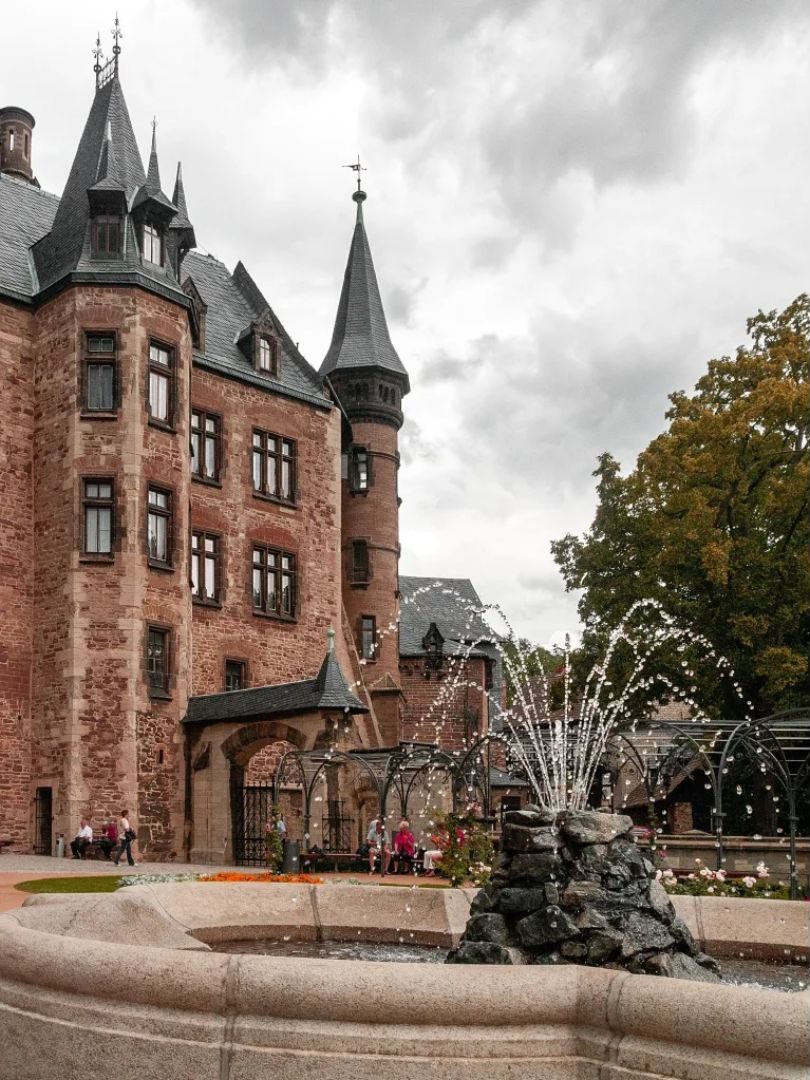
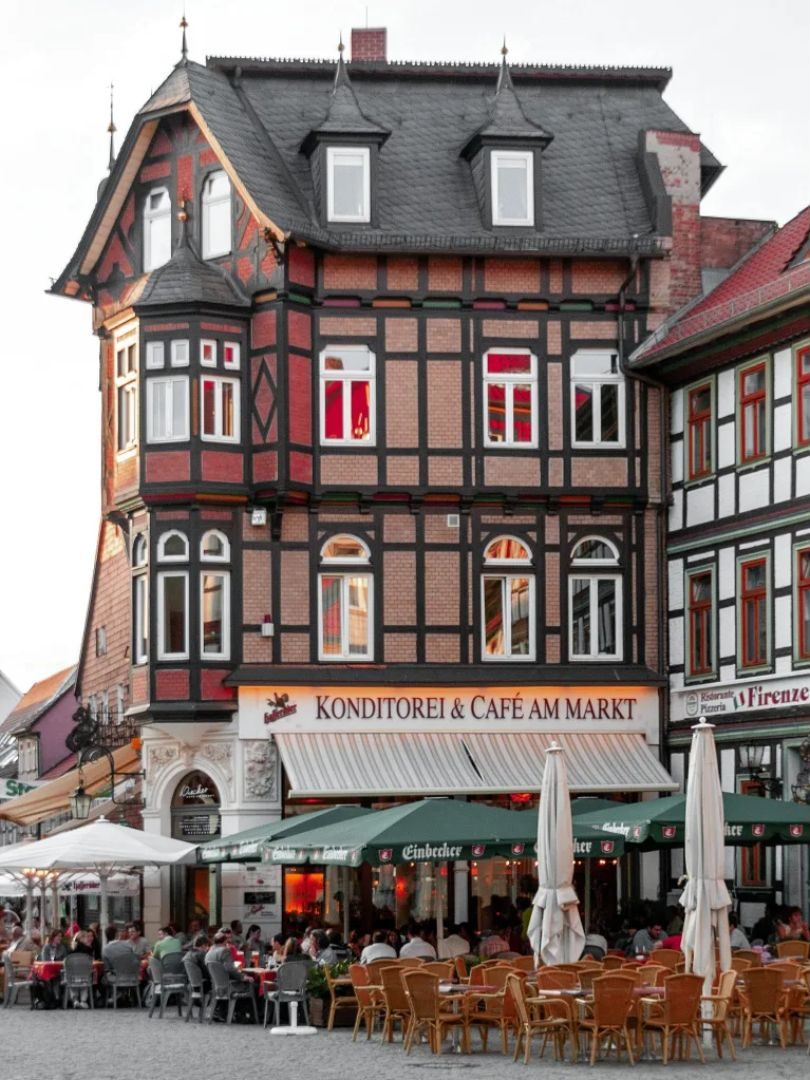
This town is located in the foothills of the Harz mountains. The town features a fairy-tale castle surrounded by timber-framed houses. Because of its location and appearance, the town is a popular stop in the German Timber-Framed Road and the Orange Route.
How to get to Wernigerode?
To get to the town, you can fly to Hanover (the closest airport) or Leipzig, both 1h30 away by car. By train, you will take a bit longer, 2 hours either from Leipzig or Hanover. The city is better to be explored on foot because of its narrow passages. Harzer Verkehrsbetriebe GmbH has some buses that serve local villages where the train doesn’t go.
What to do in Wernigerode?
The town is quite popular because of its amazing castle above the town. This is one of the most beautiful castles in the country. However, this castle is very under-rated which means that there will be fewer tourists than, for example in the Neuschwanstein Castle. You can visit this castle on a guided tour.
Near the city, there is also one of the most famous and scenic railways, the Harz steam railway.
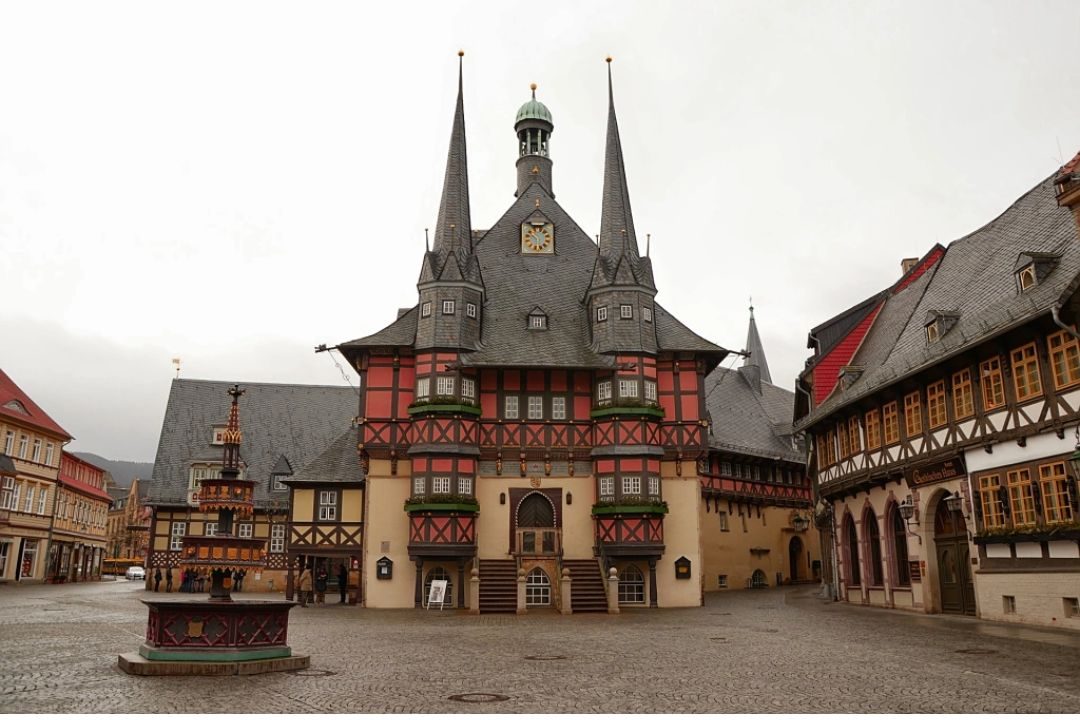
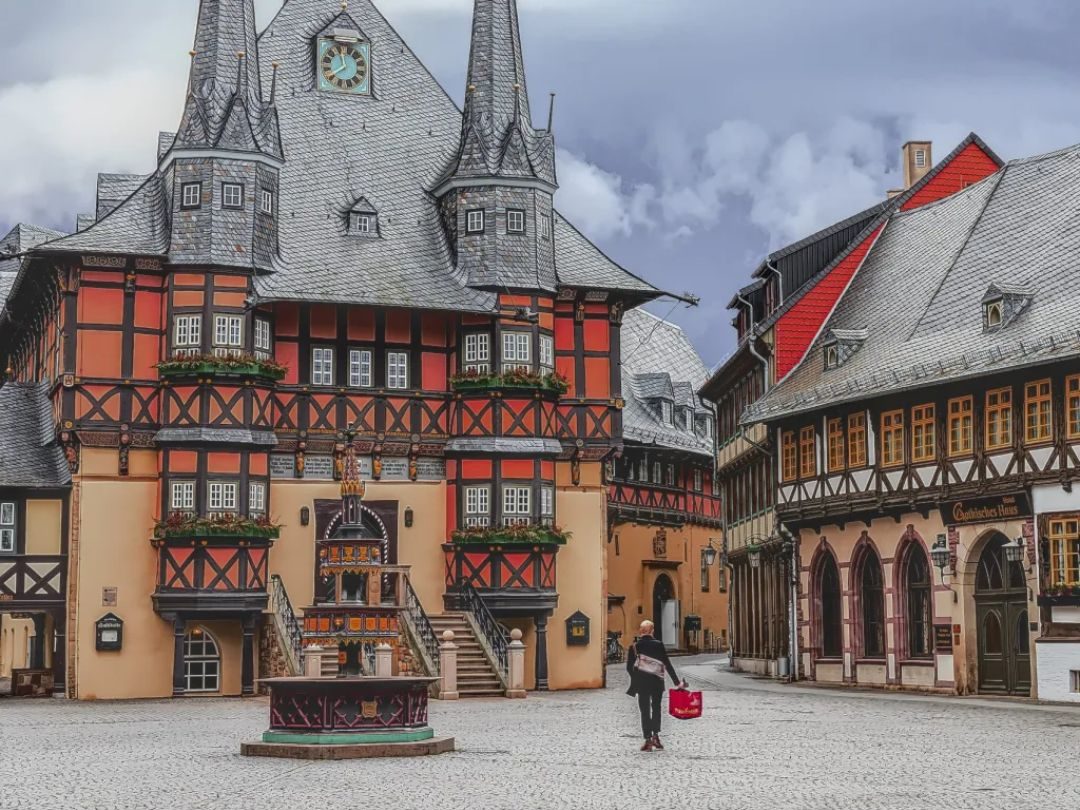
Another famous building to visit is the Tawn hall, built in the 15th century. It has two towers over the bustling market square and a characteristic architecture with half-timbered walls and a black roof that contrasts the orange on the walls.
Mecklenburg-Vorpommern
This state is located in the northeast part of Germany. The biggest cities of this state are Schwerin (the state capital), Rostock, Neubrandenburg and Stralsund. This is a seaside state that borders the Baltic Sea, and there are many holiday resorts and unspoilt nature.
Ahrenshoop
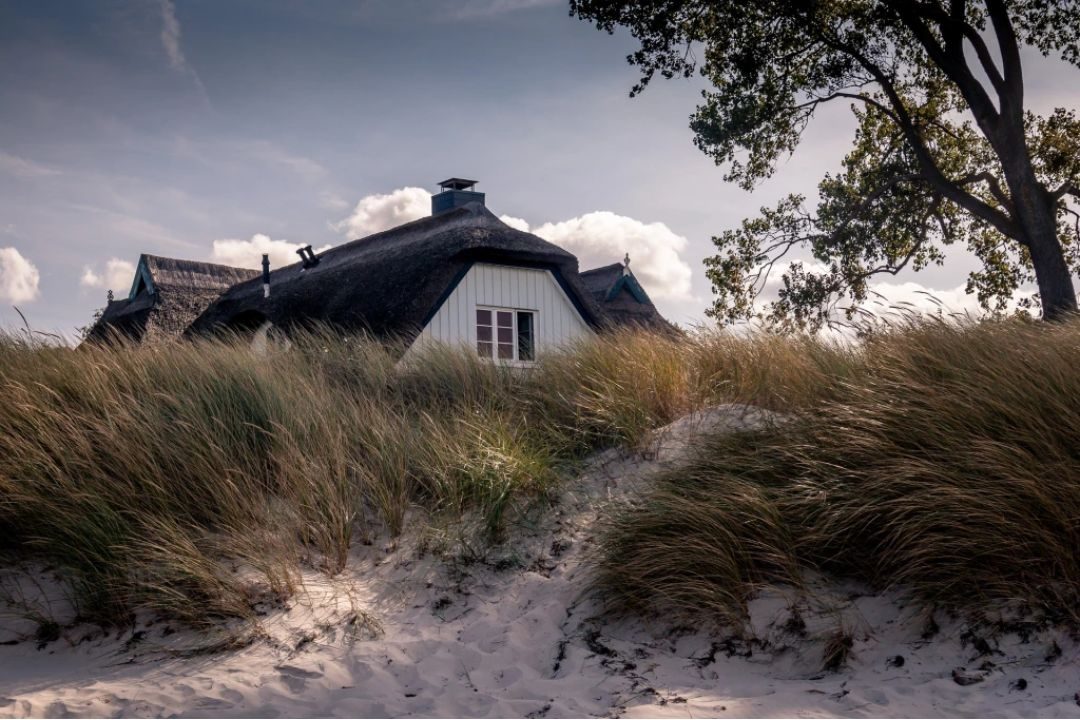
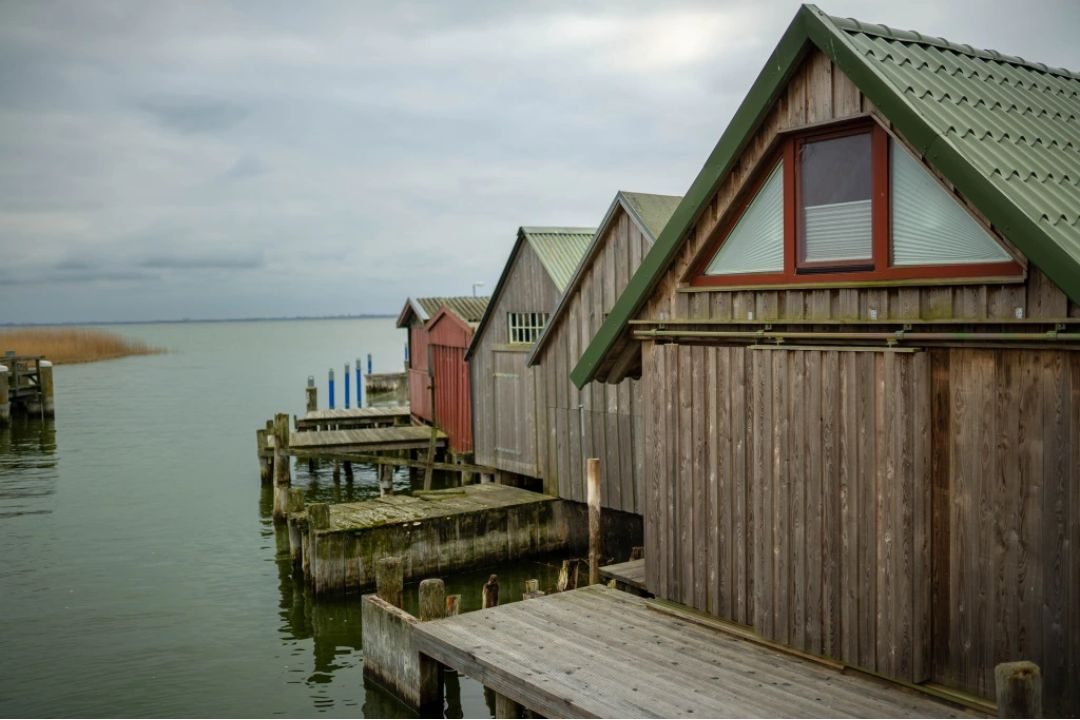
This is the final town on this list. It is located in the Baltic Sea Coast of Mecklenburg-Western Pomerania and is so different from all the previous ones.
How to get to Ahrenshoop?
You can enter the peninsula either by a bridge in the west (from Ribnitz-Damgarten) or by crossing the bridge from Barth to Zingst. There is no train station in the peninsula, and the closest one is the Ribnitz-Damgarten, on the mainland end of the Fischland isthmus, and Velgast, closer to the Zingst bridge. As a result, the most convenient way to get to Ahrenshoop is by car.
What to do in Ahrenshoop?
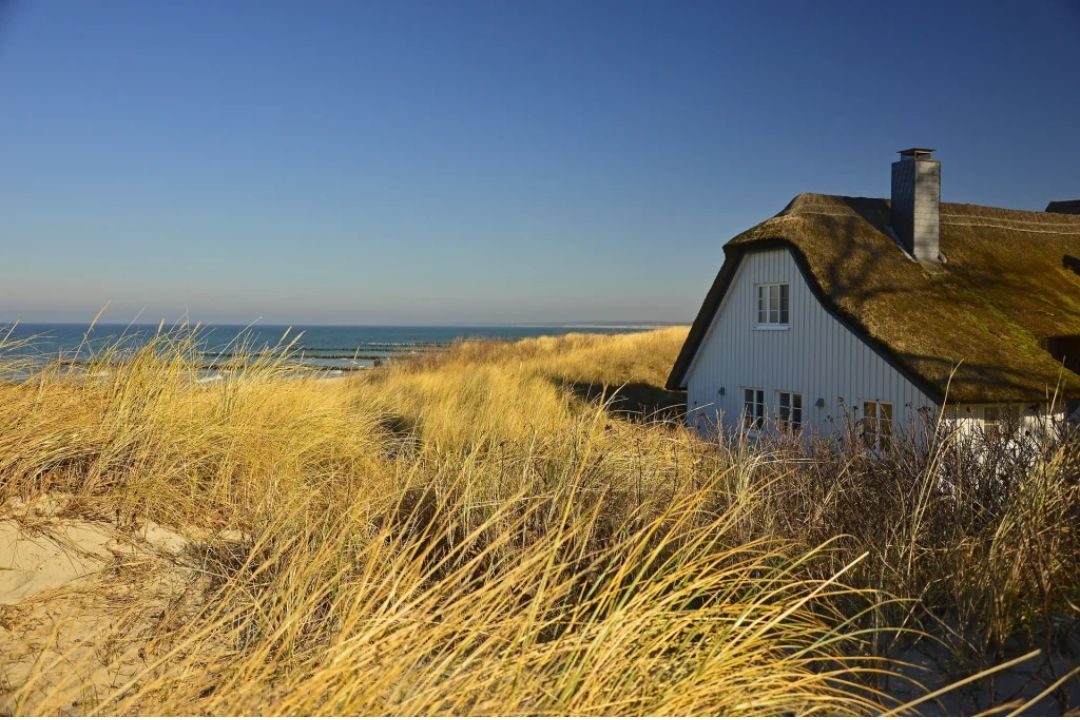
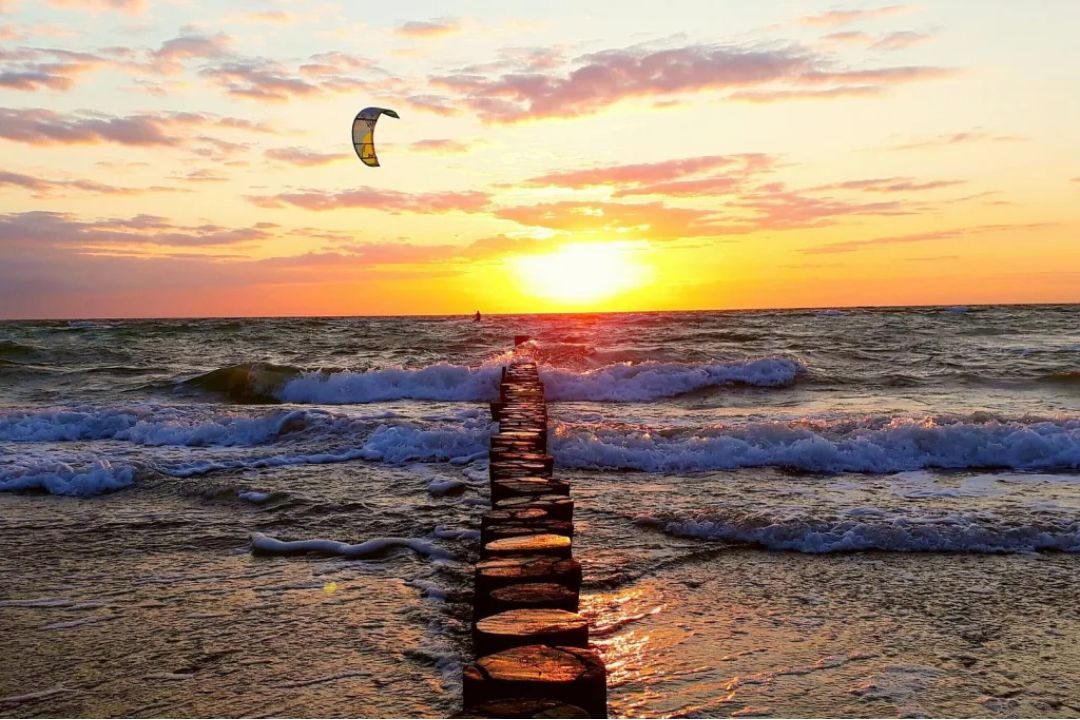
In Ahrenshoop, you can experiment with plenty of beach activities such as diving, sailing or kitesurfing besides swimming and sunbathing. You can do this in West Beach, really close to the Darß forest.
Another thing to do is exploring the Harbour Althagen and Saaler Bodden, where you can walk from cliffs and beaches to fields and picturesque farmer gardens. This is probably the major attraction of the region.
- Ahrenshoop, Mecklemburgo-Pomerânia Ocidental, Alemanha
- Bad Harzburg, Baixa Saxónia, Alemanha
- Freudenberg, Renânia do Norte-Vestefália, Alemanha
- Cochem, Renânia-Palatinado, Alemanha
- Rüdesheim am Rhein, Hesse, Alemanha
- Marburgo, Hesse, Alemanha
- Triberg, Bade-Vurtemberga, Alemanha
- Schiltach, Bade-Vurtemberga, Alemanha
- Meißen, Saxónia, Alemanha
- Görlitz, Saxónia, Alemanha
- Quedlimburgo, Alta Saxónia, Alemanha
- Wernigerode, Alta Saxónia, Alemanha
Do you know any more hidden gems in Germany? Leave your histories and inspiration from your travels below!
In case you are wondering, all these pictures were taking with the following equipment:
- Canon EOS 90d
- Samsung SD card
- Canon EF 50mm F1.8 STM
- Canon EF-S 55-250mm F/4-5.6 is STM
- Canon EF-S 10-18mm F/4.5-5.6 IS STM
- K&F Concept K-Serie 67mm ND Filter
- Samsung Galaxy A52 5G
Here are other blog posts that you may enjoy reading:
Exploring Germany’s Hidden Gems: 2 Week North and East Road Trip
If you’re looking to see a different side of Germany — beyond the usual beer gardens and Alpine villages — a road trip through the north and east of the country is a great way to go. This region is packed with character: castles, bustling port cities, modern cultural hubs all within a few hours’…

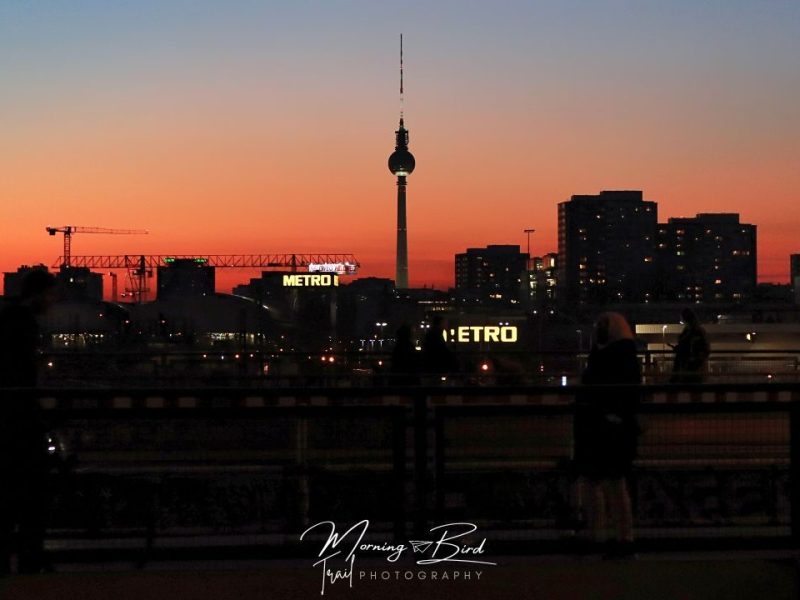
Best places to photograph the sunset in Berlin
No matter where you choose to watch the sunset in Berlin, the experience is sure to be unforgettable. So grab a loved one, a camera, and a sense of adventure, and discover the best places to view the sunset in Berlin.
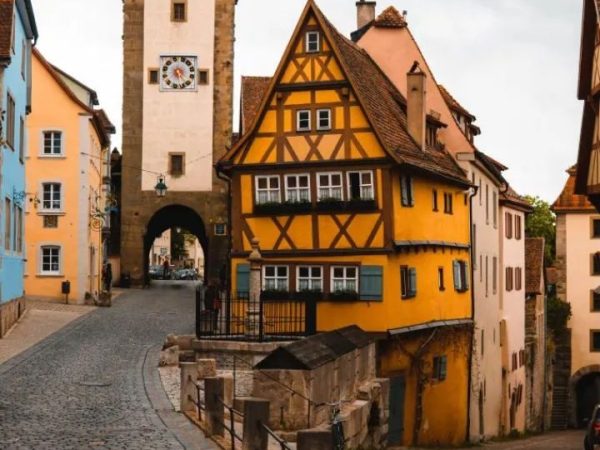
The 10 most beautiful towns in Bavaria
Bavaria is such a beautiful state and has so many fairytale-like towns and villages that deserve a shoutout. This post is all about the most beautiful towns and villages in the German state of Bavaria.
 MORNING BIRD TRAIL