
Madeira is an island close to the coast of Africa. Madeira belongs to Portugal and is almost 900km away from the mainland. This privileged location offers amazing temperatures all year round, even though the climate is quite unstable during the day. As a result, you should monitor it for a better travel experience, what you can do using these webcams. This archipelago includes Madeira, Porto Santo and a few desert islands that can also be visited in organized tours.
In this blog post, I’ll show you an amazing itinerary that will show you the breathtaking landscapes and culture that Madeira has to offer.
Overview
- How to get there?
- How to get around the island?
- Day 1 – Landing and settling down
- Day 2 – The hardest hike
- Day 3 – Beach day and foggy fairytale forest
- Day 4 – East side of Madeira, Ponta de São Lourenço
- Day 5 – Rest day
- Day 6 – the Beautiful Houses of Madeira
- Day 7 – Hiking and Swimming in Waterfalls
In a hurry? Pin for later:
How to get there?
Madeira is an island and, as a result, the best way to get there is flying. Madeira International Airport, known, since 2017, as Cristiano Ronaldo airport (because the Portuguese football player was born on the island) is located around 13km of Funchal. From there, you can get to Funchal in 20 minutes by car. Several flights from various European cities go to the airport, but if your country doesn’t have a direct route to Madeira, you can always stop in Lisbon first.
Landing in this airport is an experience by itself because of the short runway, surrounded by high mountains and the ocean, and the strong winds that sometimes shake the planes. This runway has received multiple extensions, including one in 2000 built on a platform, partly over the ocean. The History Channel ranked this airport as the 9th most dangerous one in the world, and the 3rd one in Europe. Despite these facts, there haven’t been many crashes or close calls in the last decades.

How to get around the island?
The best way to get around the mountainous island is by driving. This transport is the one that will give you the highest amount of freedom and will let you go almost anywhere you want with less effort. Other options that you may consider are public transports (where you’ll be restricted to the availability of stops), taxis (expensive) or organized tours (that may not let you enjoy everything that you want).
With a car, you’ll be able to easily and quickly get to every suggestion of this itinerary. However, if you are not used to driving on mountainous roads, you may not want to hire a car because of the winding and narrow roads. If you chose to rent a car, you can easily do so at the airport.
Where to stay in Madeira?
Madeira has several towns and villages where you can stay a few days or the entire of your time on the island. Probably the best place to stay is Funchal, the capital and biggest town on the island because you’ll have more options to stay, eat, buy groceries, park, etc. In Funchal, you can also choose to stay in the hills and have a panoramic view of the sea and the rest of the city.
Other options to consider are Porto Moniz, in the north part of the island and know for its natural pools. Another very interesting and off the beaten path place on the island is Curral das Freiras (Valley of the Nuns), located inside the caldera of an extinct volcano. Here you’ll have fewer options because the village is way smaller, however, you’ll have an phenomenal experience.
Day 1 – Landing and settling down
Depending on your arrival time on the island, you’ll have more or less time to spend today. Since the flight may arrive late or you may face a few problems settle down, it is probably better not to plan to do something very time-consuming today. Thus, today will be a calm day that you can use to get to know the region where you will stay and explore the city or town for a little while. I stayed in Funchal so there was a lot to see and explore, wondering the streets of the old town, and seeing what the city has to offer. One of the options is for example this boat trip to see the dolphins.
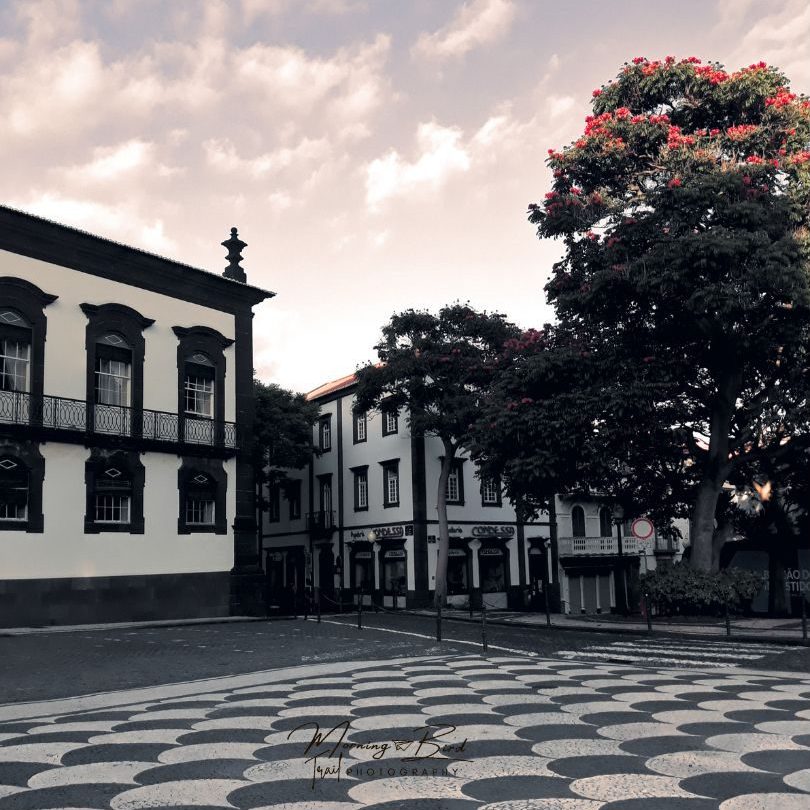
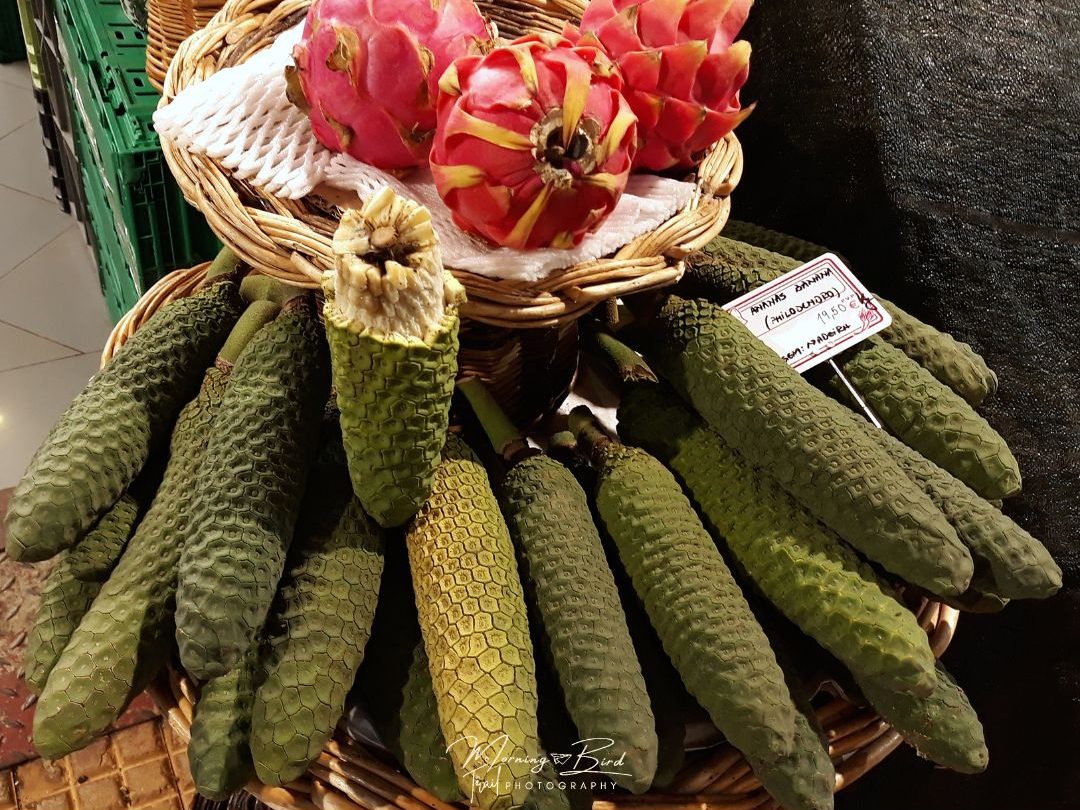
Today you can also try to visit the Mercado dos Lavradores, in the city centre. This is a marketplace that since 1940 sells regional products. Currently, it is famous for its fish, flowers and fruits. You can also buy souvenirs there.

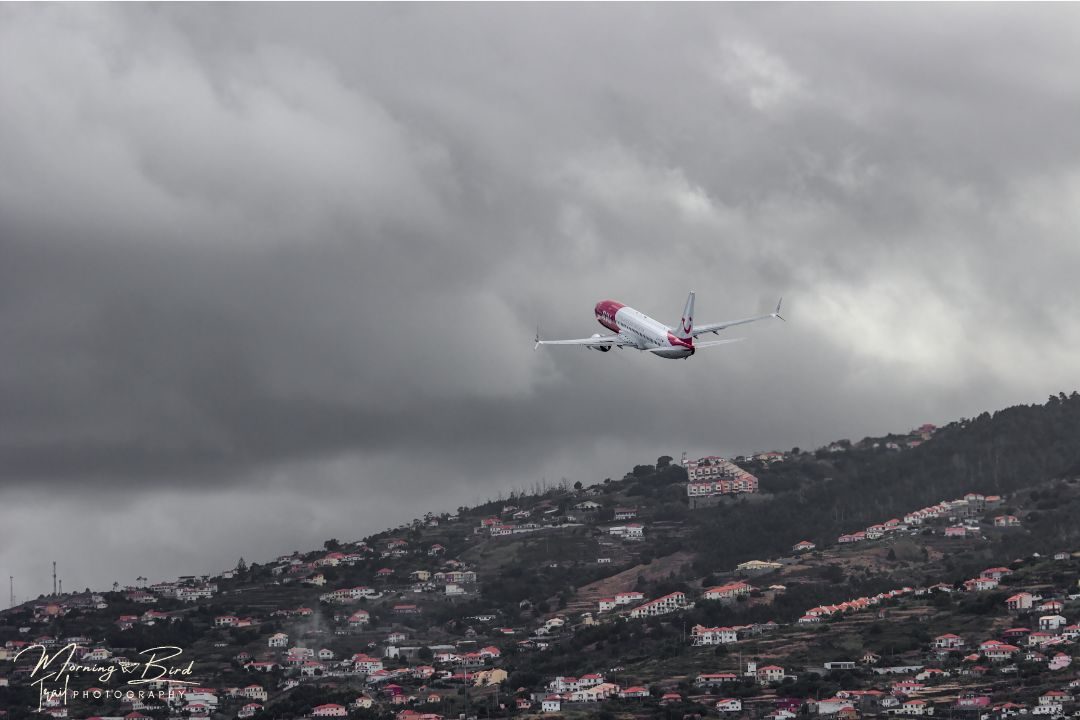
Another idea for today is to stay a bit longer in the airport and try to see some epic Madeira landings (“better” if there is wind, which isn’t that rare on the island).
Day 2 – The hardest hike
One of the most amazing (but also the hardest) and most well-known hikes to do in Madeira is the PR1 Vereda do Arieiro. This hike will get you from Pico do Areeiro (1818m high) to Pico Ruivo (with 1861m). Don’t let you fool yourself with these altitudes so similar because you’ll have to go up and down… multiple times to get to where you want.
This hike is 7km long and may be done in less than 5 hours (I’m considering pauses to take pictures, appreciate the beautiful landscapes, picnic, etc). In this hike, you’ll climb stairs (many stairs), explore man-made tunnels (it may be useful to have a torch or your phone with you in these parts of the hike) and enjoy the breeze that feels good on a hot day. Even though this hike is at high altitudes, it may be quite warm, depending on the time of day, time of year and weather conditions. In the summer you should probably wear a hat and sunscreen.
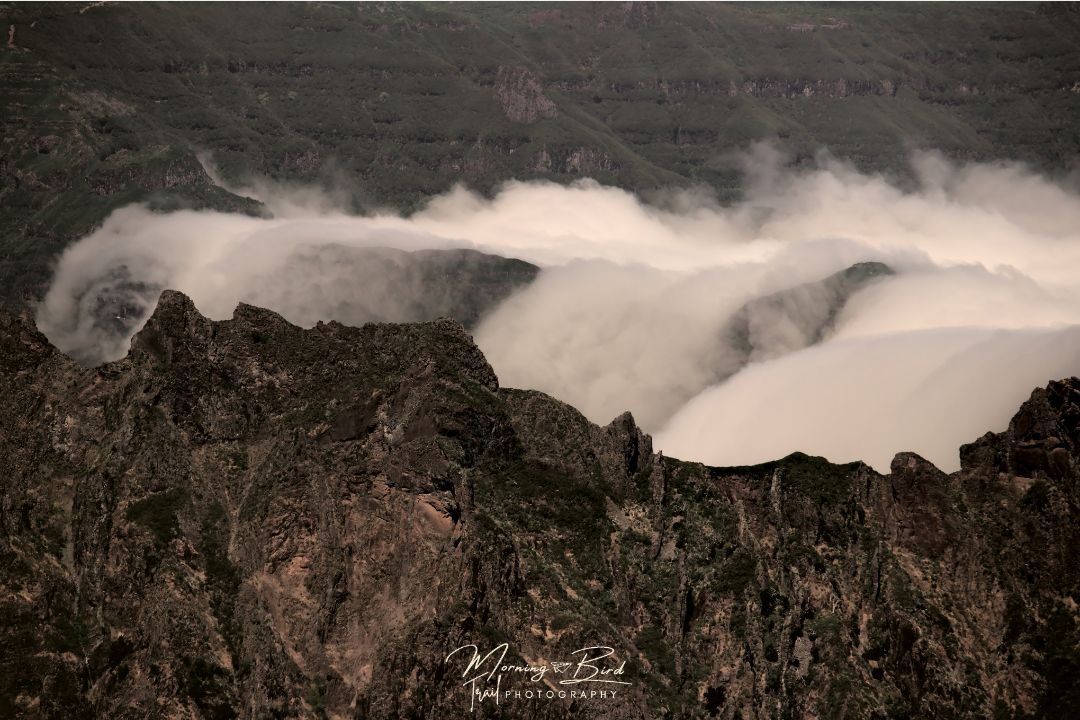
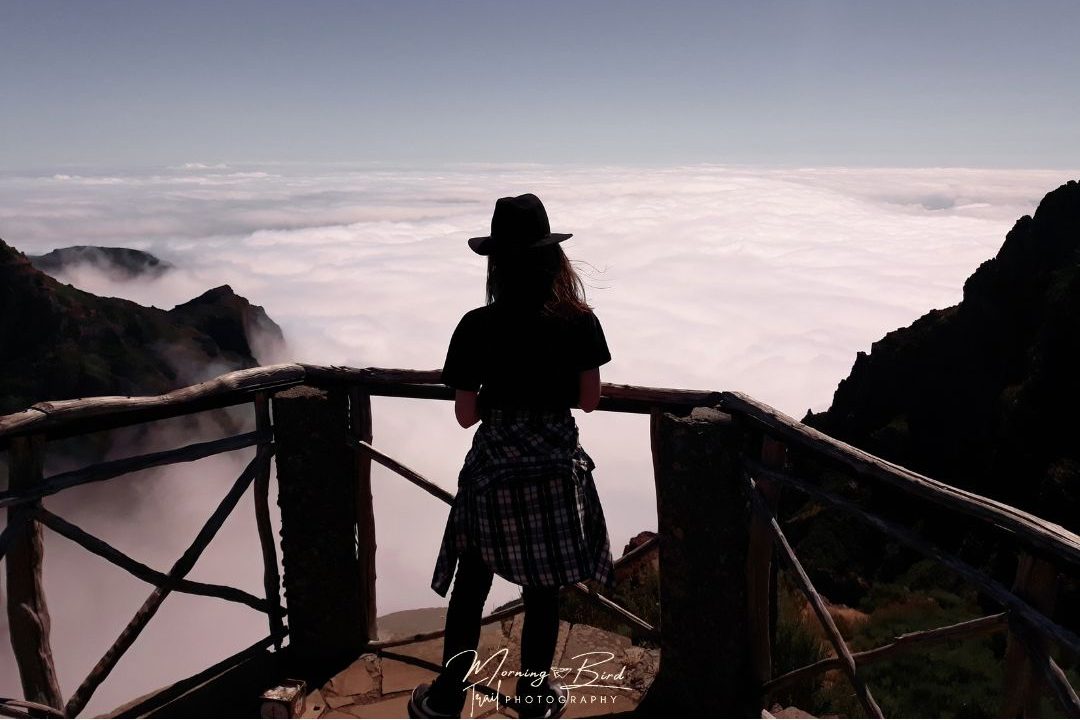
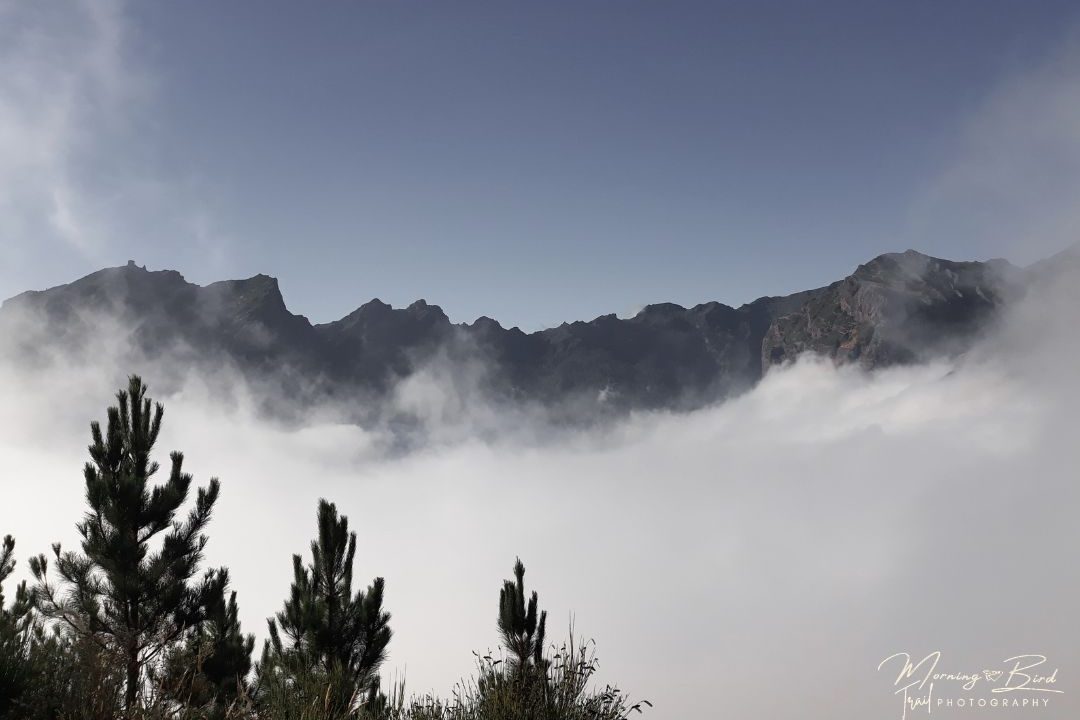
In this hike, you’ll walk high in the mountains, above the clouds which, even though won’t let you see the view below, will amaze you even more because it is a kind of view that we are not used to on a day-by-day basis. This kind of view will be easier to get early in the morning but you can have luck and see it at other times.
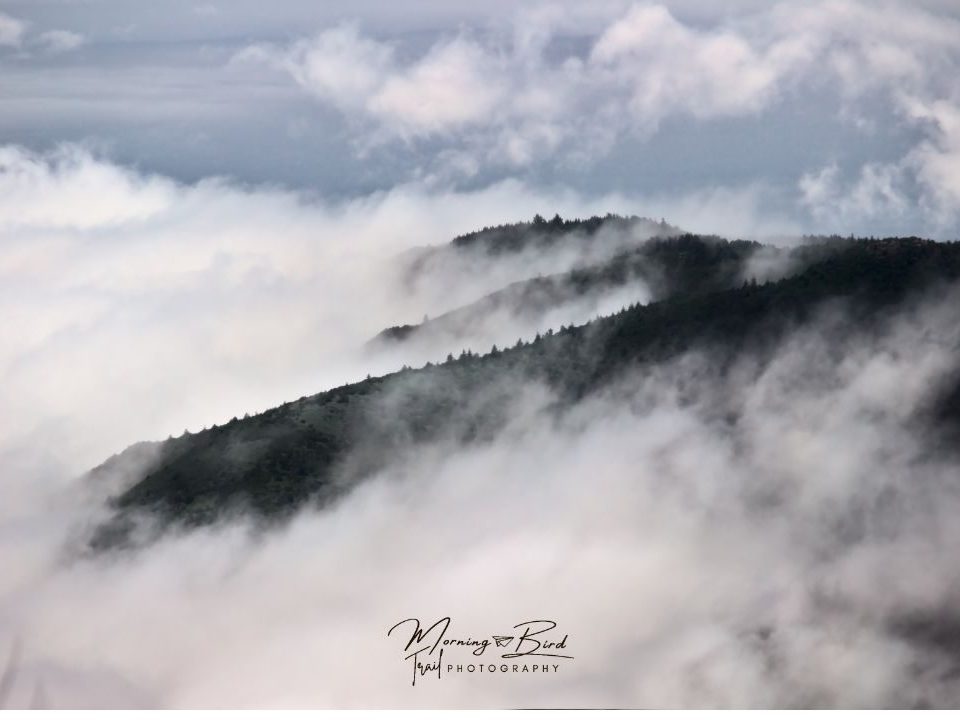
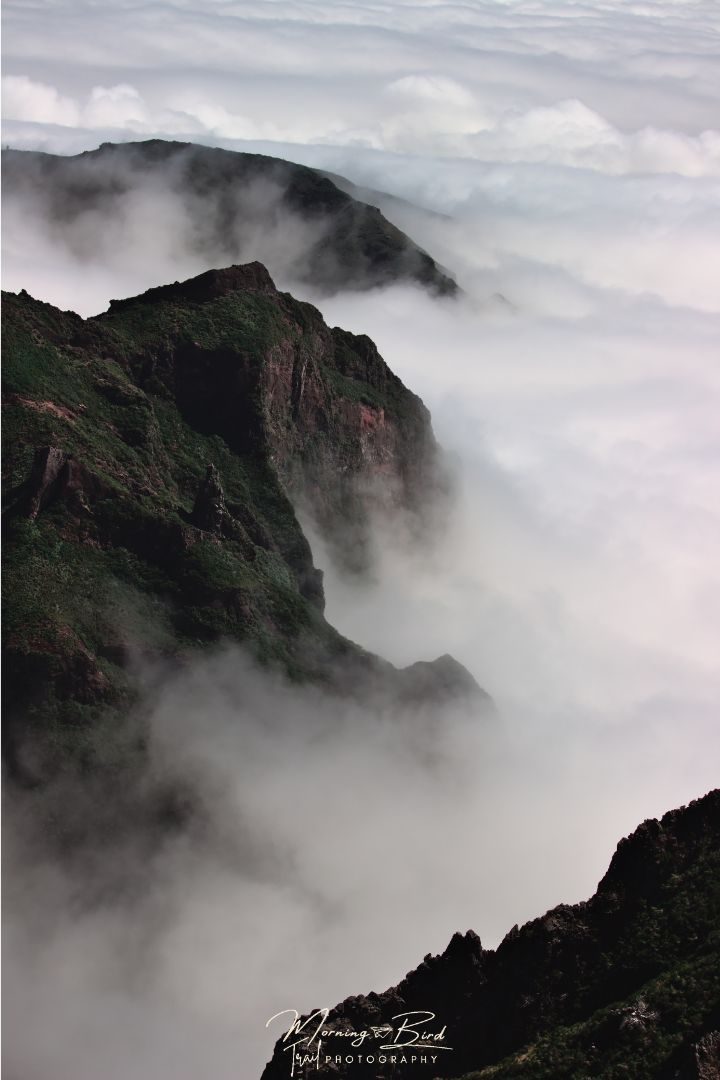
The best way to start this hike is in Pico do Areeiro, where you’ll be able to park the car in a parking lot near the start. However, be careful to not go too late, after 10 am because the park may be full and you may need to park on the road and climb quite a bit. Keep this in mind when you are planning your trip because it takes around 45 minutes to get there from Funchal. You may also pass through the fog on your way to the peak but this is a good thing because it means that you’ll be presented with clouds below you and incredible views in your hike. You can also check this webcam to check the weather conditions in the mountain.
The biggest problem with this hike is that it is one way and if you want to go back to your car you have to either:
- do the entire hike again in the opposite way (which is not ideal because you’ll be tired after the one-way hike)
- get a taxi to go back to Pico do Areeiro (which will be expensive, around 70€ for one hour drive)
- leaving one of the persons in your group behind, near the tunnels section of the hike so that that person can go back, get the car and pick you up in Pico Ruivo (which may not be a good option if everyone in the group wants to experience the hike).
After this exercise, you probably want to chill a little bit and relax. Thus, you can spend a couple of hours on one of the beaches on the island. The sea is quite rough around the coast but there are a few beaches protected by seawalls where you can spend the rest of the afternoon. Some beach options are the Praia Formosa in Funchal, the Reis Magos Beach in Caniço where you can go to the Cristo Rei statue and walk the stairs that seem to end in the sea or stay in the beach) or Machico Beach, near the Airport.
You can also check this blogpost to read about the three best hikes to do in Madeira island.
Day 3 – Beach day and foggy fairytale forest
Today the highlights will be the Seixal beach and the Fanal forest, located relatively close by (around half an hour on a wavy road). You can learn more about Fanal Forest in this blog post.
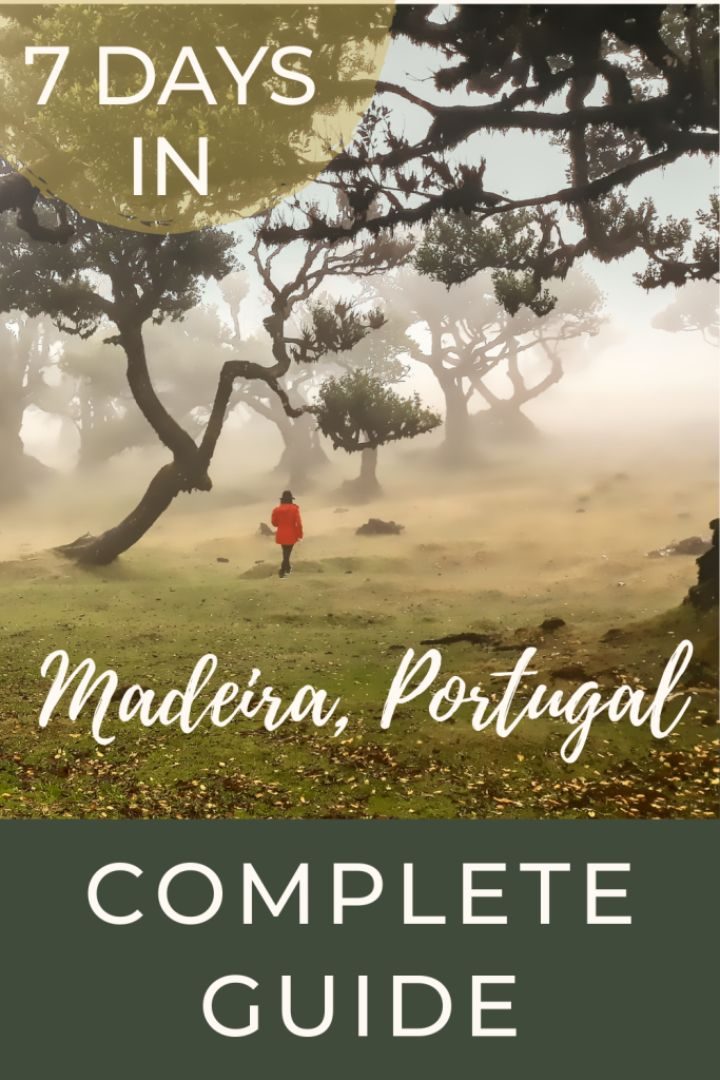
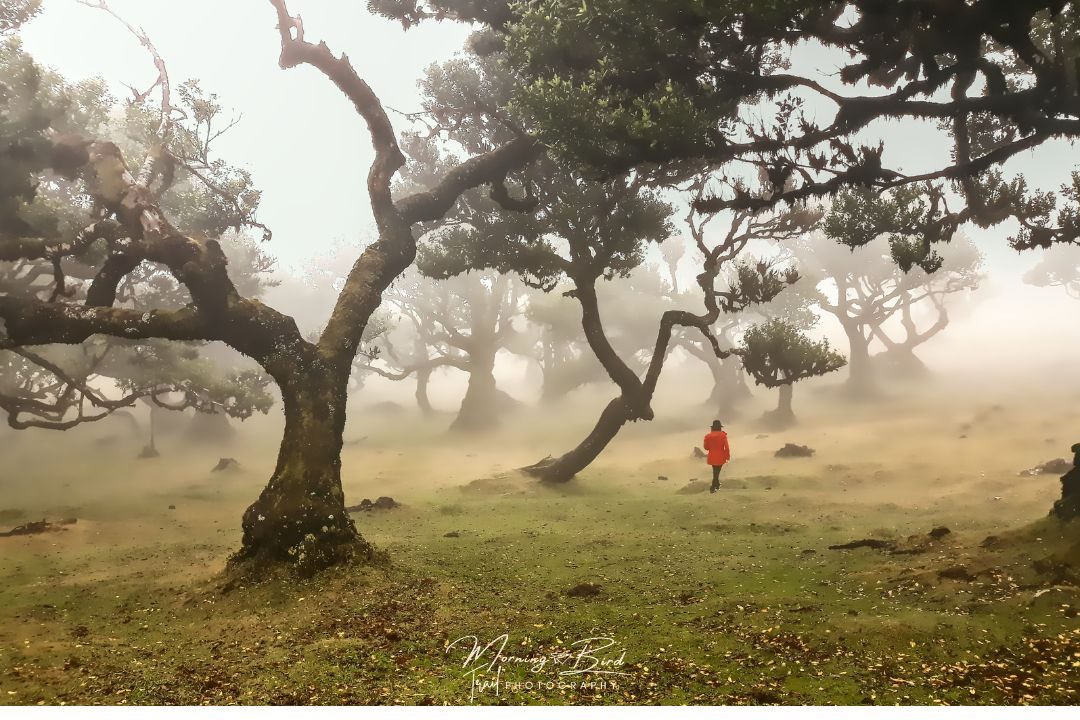
The Fanal forest is part of the Laurissilva forest, a UNESCO World Heritage site. When there is fog in the forest it creates and mysterious and fairytale-like atmosphere. Since it is located above 1000 meters above sea level, there is often fog (or clouds), even if the beach is sunny. Thus, you can wait on the beach until you see clouds forming in the mountain, or you can go to Fanal in the morning and wait for a couple of hours if the fog is not there YET.
If you wish, you can also hike in the Vereda do Fanal, an 11km hike through the Laurissilva forest. This part of the island can’t be seen in the webcams, so you can’t be sure if there is fog until you get there.
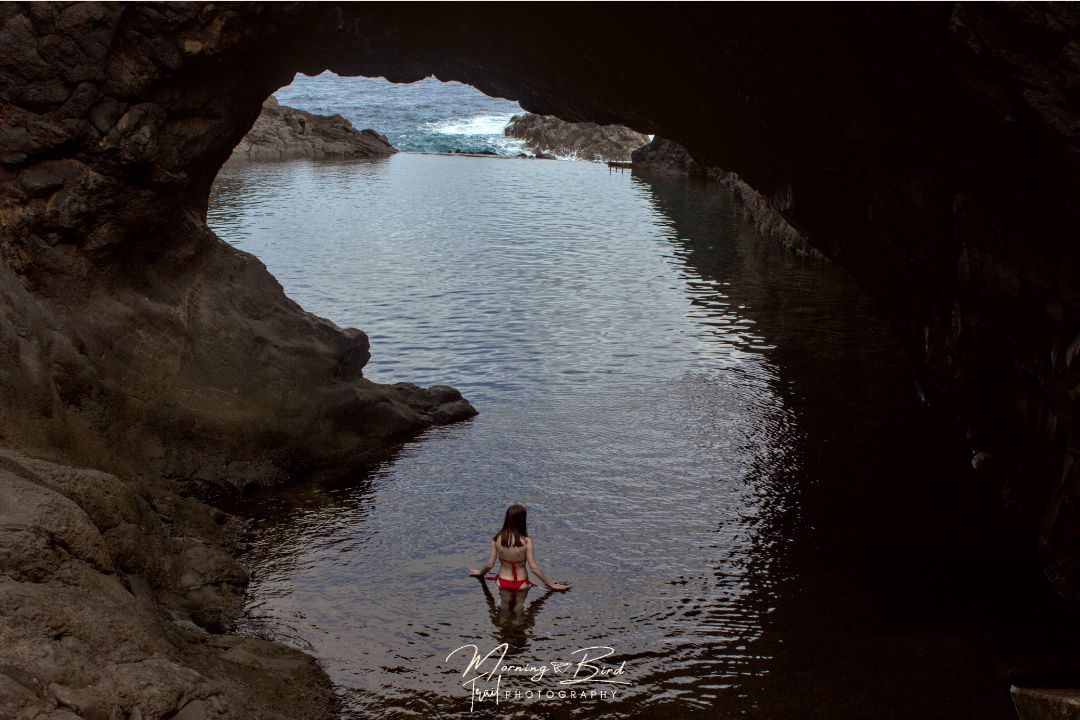
After this mystical encounter with nature, you can go to the beach and the natural pools of Seixal and stay there for some hours enjoying the water, the black sand and the amazing rocky formations. Usually, the natural pools of Seixal don’t have many people (contrary to the Porto Moniz ones). This is probably the case because to get to them, you’ll have to walk a very inclined road (with stairs on the side), where usually cars don’t pass (and them climb it up again…). Another reason is that people can get to a black sand beach in the town, at the same level of the road.
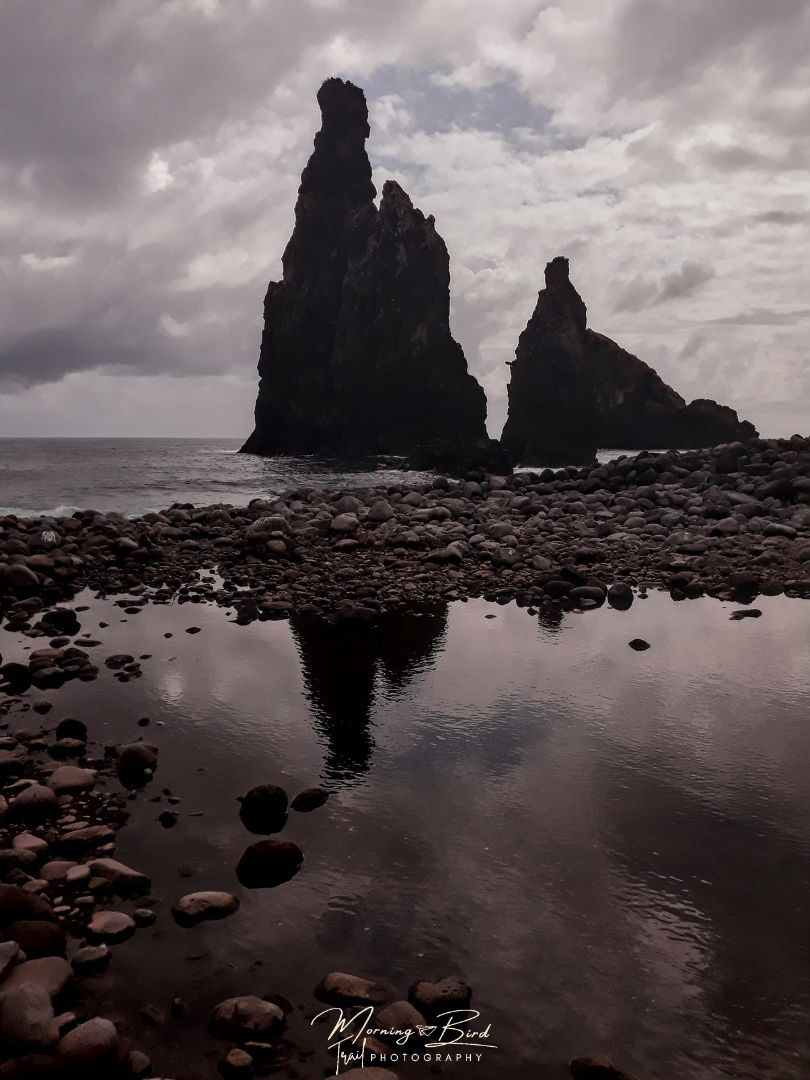
You can also make a quick stop in Ribeira da Janela before going to Seixal to see the Ilheus in the rocky Ribeira da Janela beach.
Near Seixal, you can also make a stop in Miradouro Véu da Noiva and view the Véu da Noiva waterfall, a waterfall that falls from the mountain directly to the ocean.
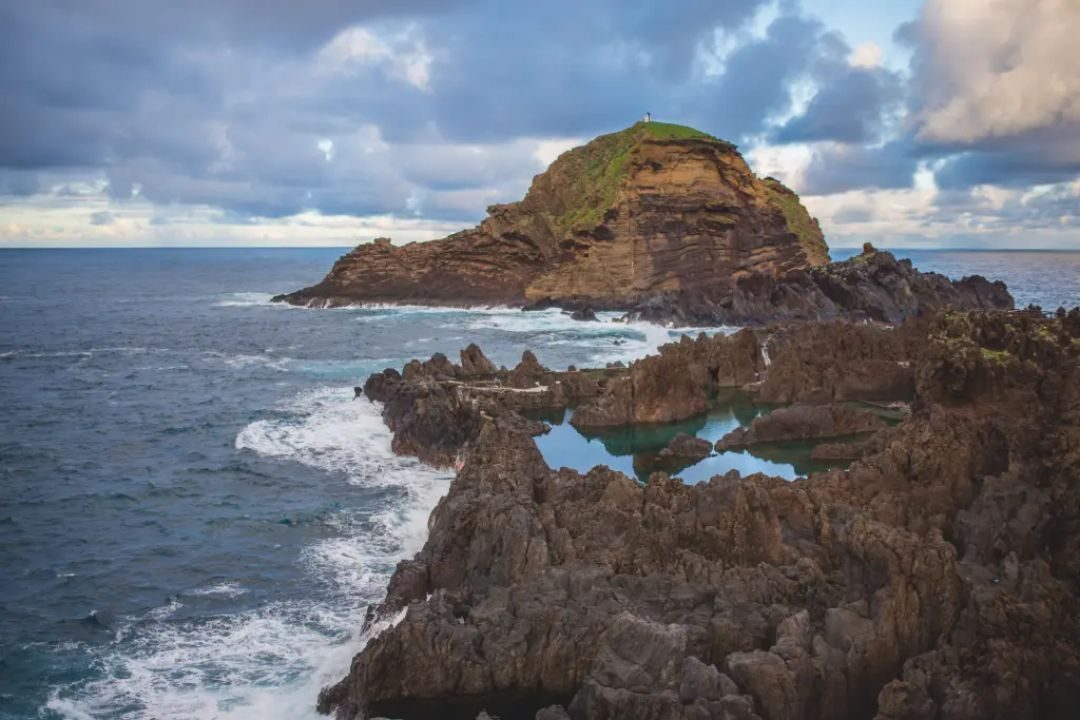
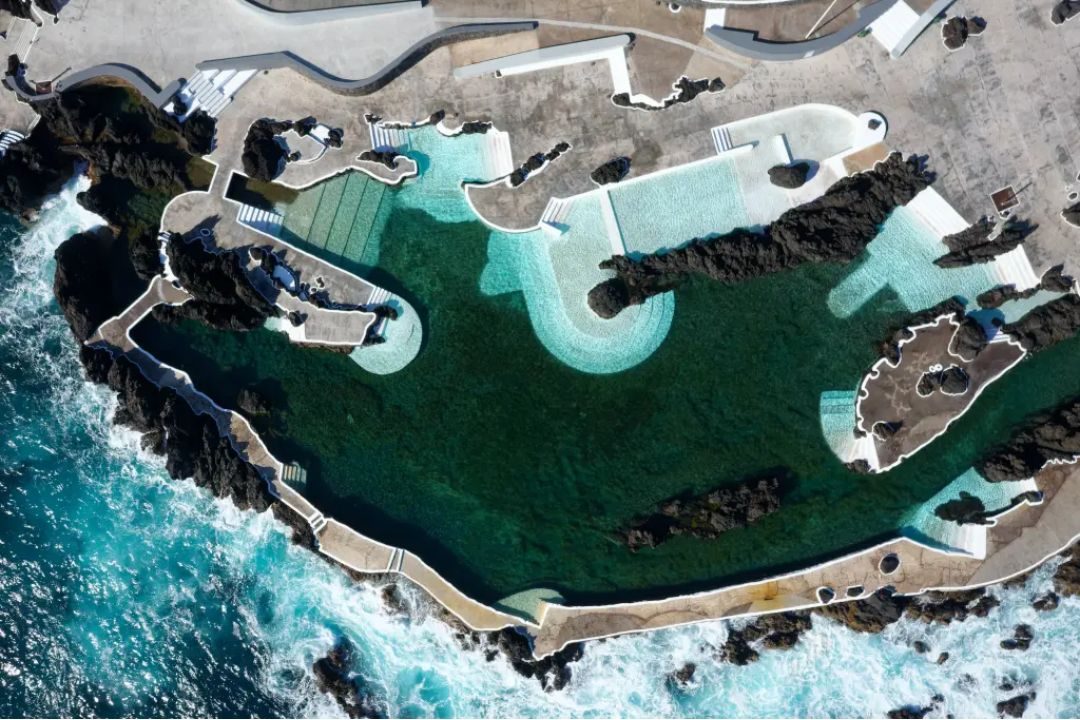
You can make your way now to Porto Moniz, where, besides exploring a little of the town, you can enjoy an amazing sunset in the Miradouro Ponta da Ladeira. In Porto Moniz, you can also swim in the cold Atlantic water in natural pools. There are two pools in Porto Moniz, one more natural, with rocky formations all over and in the middle of the pool and another one with more man-made features and probably more comfortable (this one is paid and guarded).
Another activity close to Seixal is the São Vicente caves, where, for 8€, you can enjoy a 30-minutes guided visit. Here, if the caves are open, you’ll learn about the formation of the caves in an eruption, thousands of years ago.
Day 4 – East side of Madeira, Ponta de São Lourenço
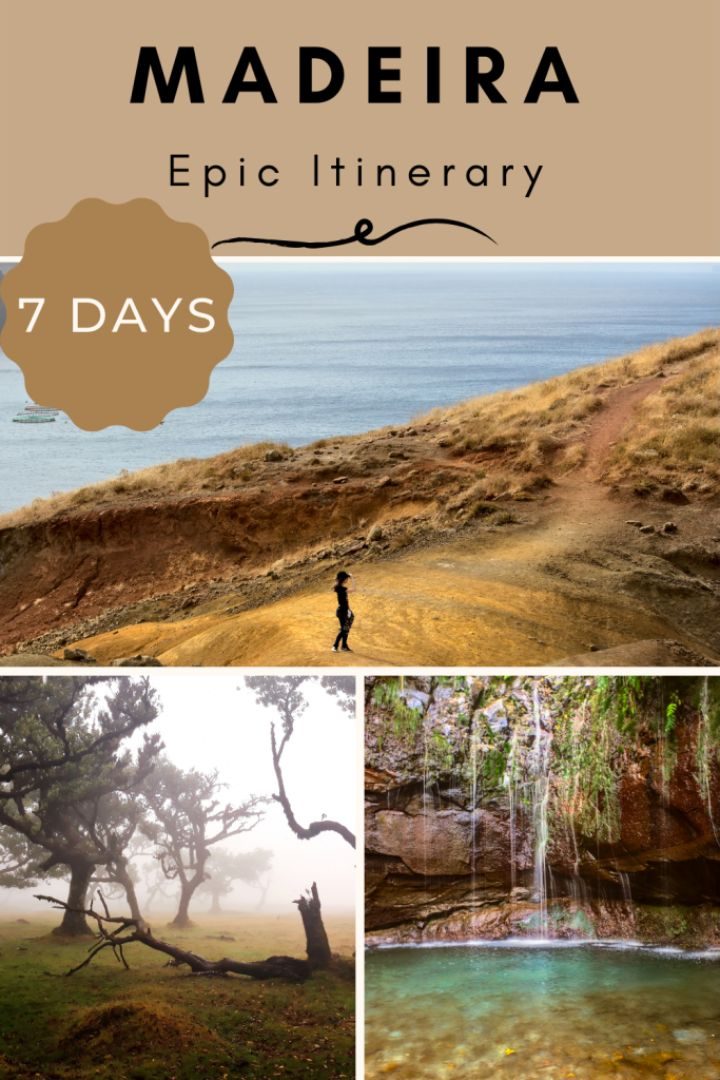
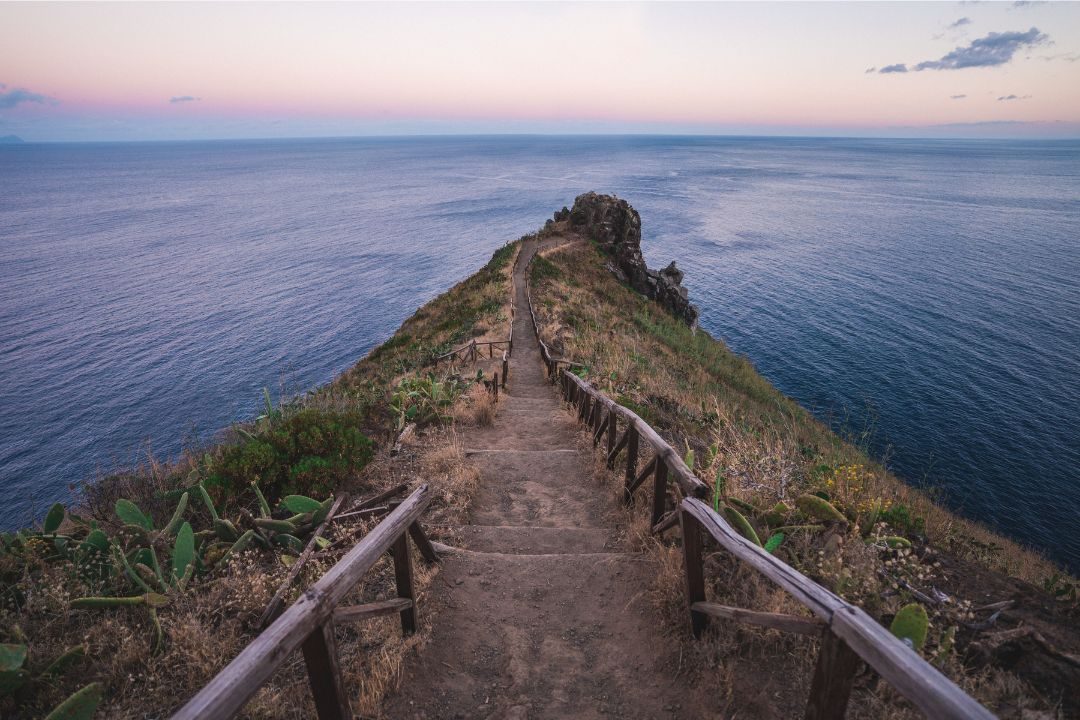
The second big hike of the trip will take us to the east side of the island, to Ponta de São Lourenço. This hike is 7 km long (3.5 km one-way) and you can do it in probably less than 4 hours, even with a lot of stops. This hike is easier than the first one but has incredible views (very different from those of the peaks), even though there may be quite strong wings sometimes.
The hike is mostly flat with small hills that you may need or want to climb. In this hike, you won’t see trees and there won’t be many shadows because of the semi-arid climate and the wind exposure of the region. Thus, you must bring sunscreen and a hat to protect your skin and head. In this hike, you may find many natural species of animals and plants.
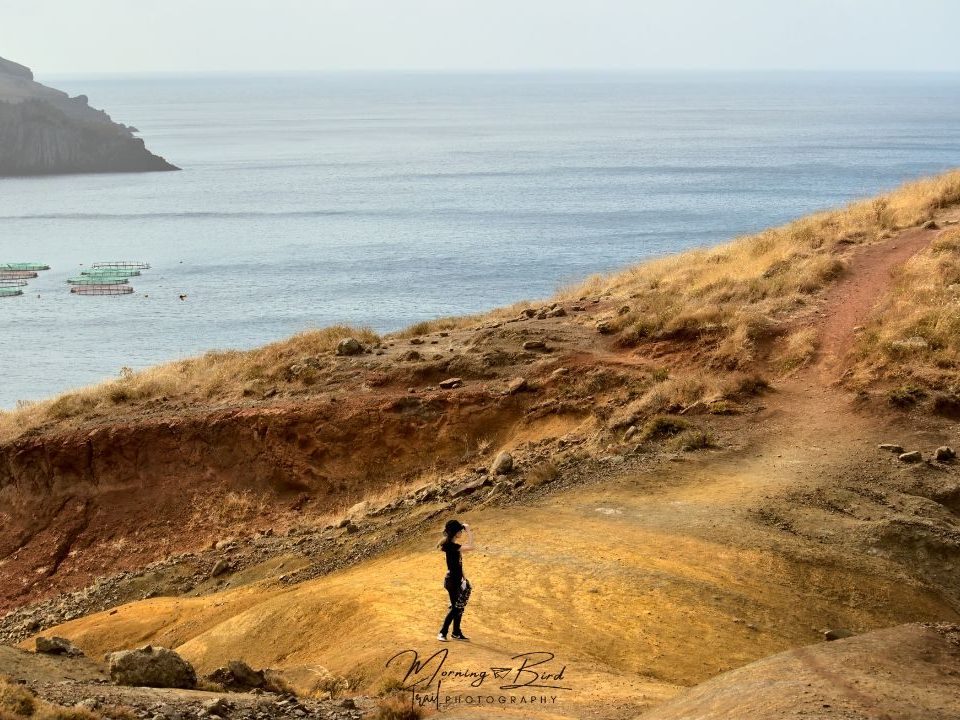
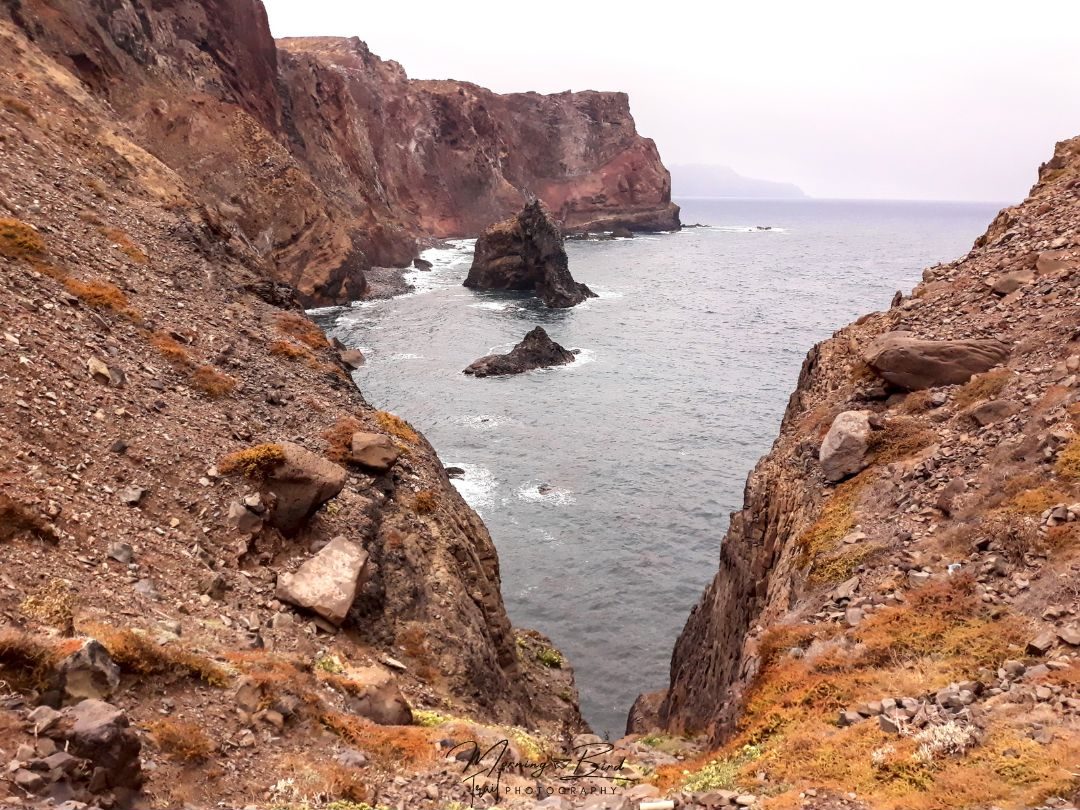
At the end of the official trail, you’ll see a sort of oasis with a cafe and a (paid) bathroom if you need it. Here you can take a boat back to close to the beginning of the trail and people will be trying to sell you this trip even if you don’t want to.
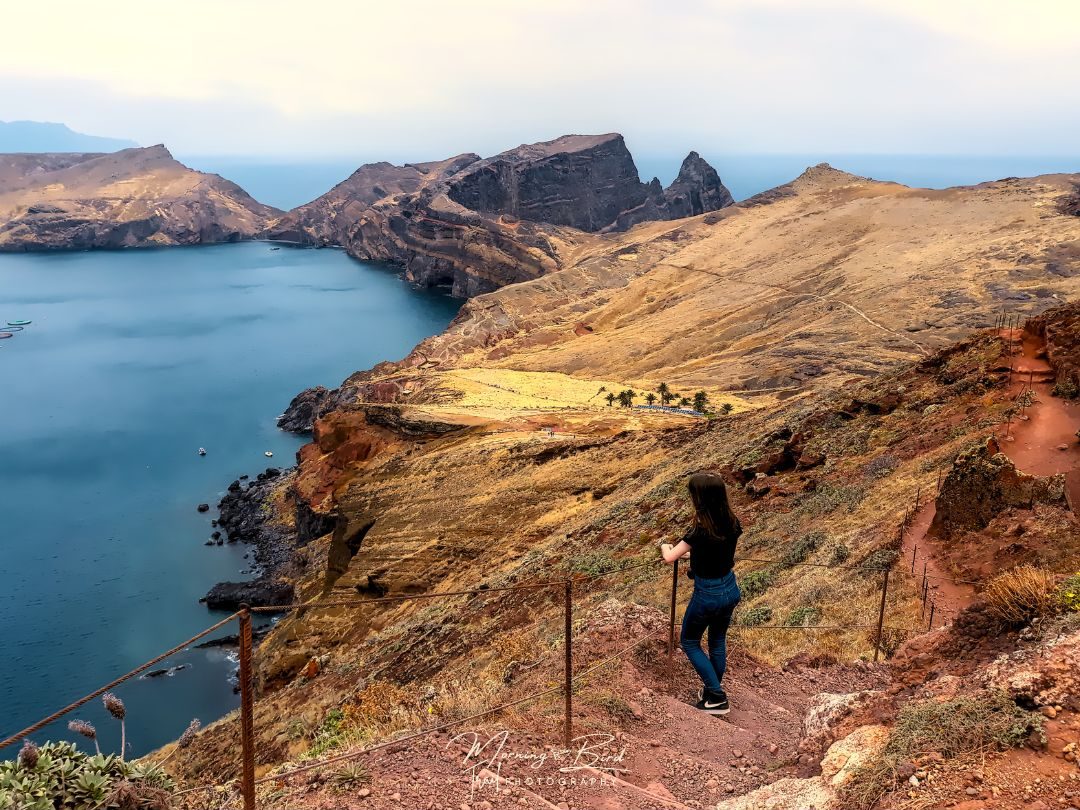
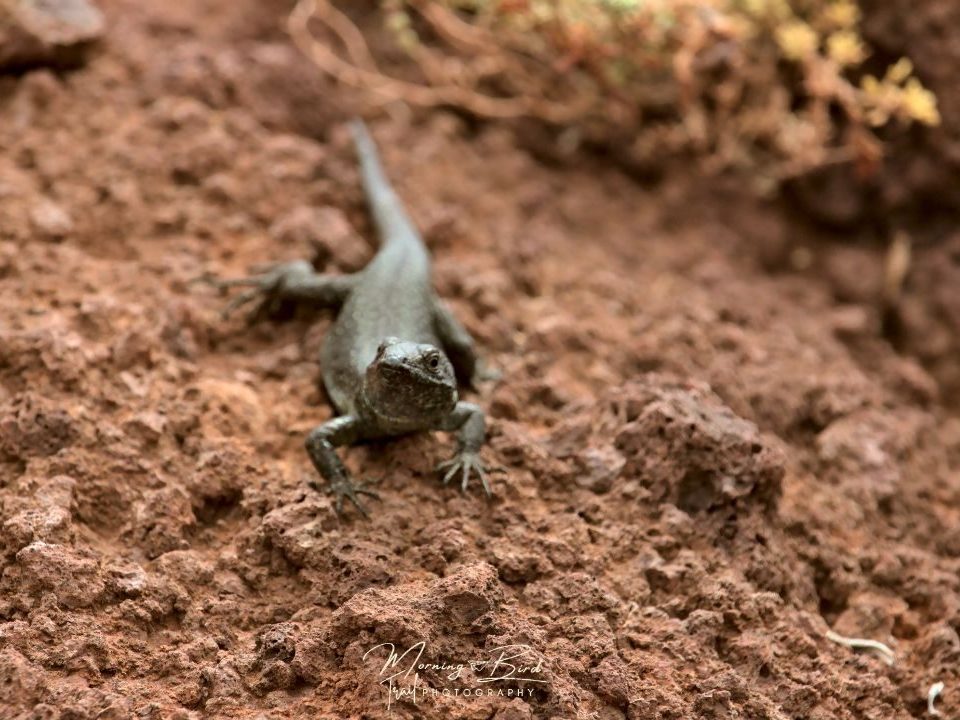
After this stop, you can also climb a non-official part of the hike that will get you to the Miradouro Ponta do Furado. The trail in this part is quite degraded, but you’ll find many people doing it. In particular, at the top, part of the handrail has fallen which is quite scary, especially if you are afraid of heights. From this place, you can see Porto Santo (if you look in the direction of the fallen handrail). You can also find many lizards that will eat the food you give them and drink the water that you give them.
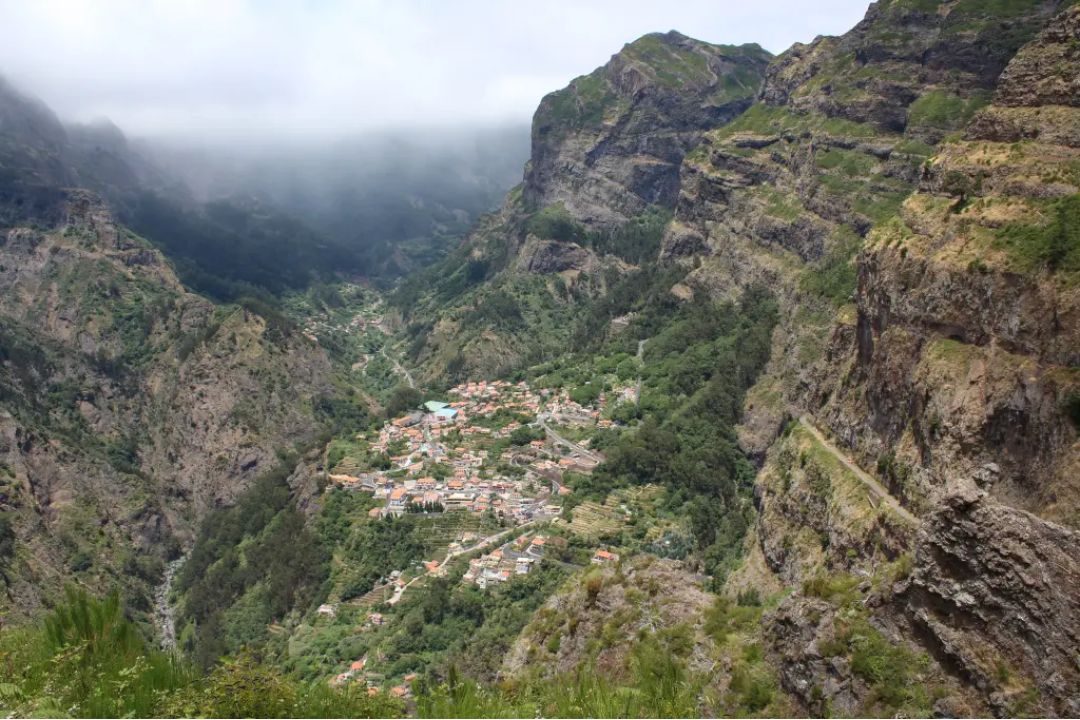
In the afternoon, you can try to go to Curral das Freiras, a small village located in the heart of an extinct volcano, right in the caldera, surrounded by huge and steep mountains. Because of this particular location, to get there you have to go back to Funchal because there is only one road that leads you to Curral das Freiras. The name of this town (translated as “Valley of the Nuns”) comes from the 16th-century, when the nuns of Convento de Santa Clara, took refuge here to escape the pirates that were attacking Funchal. You can go to the centre of the village and look up at the mountains, or you can go to the Miradouro da Eira do Serrado and look from the mountains, down to the village. It is important to check how the weather is looking which can, once again, be done using the webcams.
You can also check this blogpost to read about the three best hikes to do in Madeira island.
Day 5 – Rest day
Today is another day with no hiking. We will stay in the surroundings of Funchal.
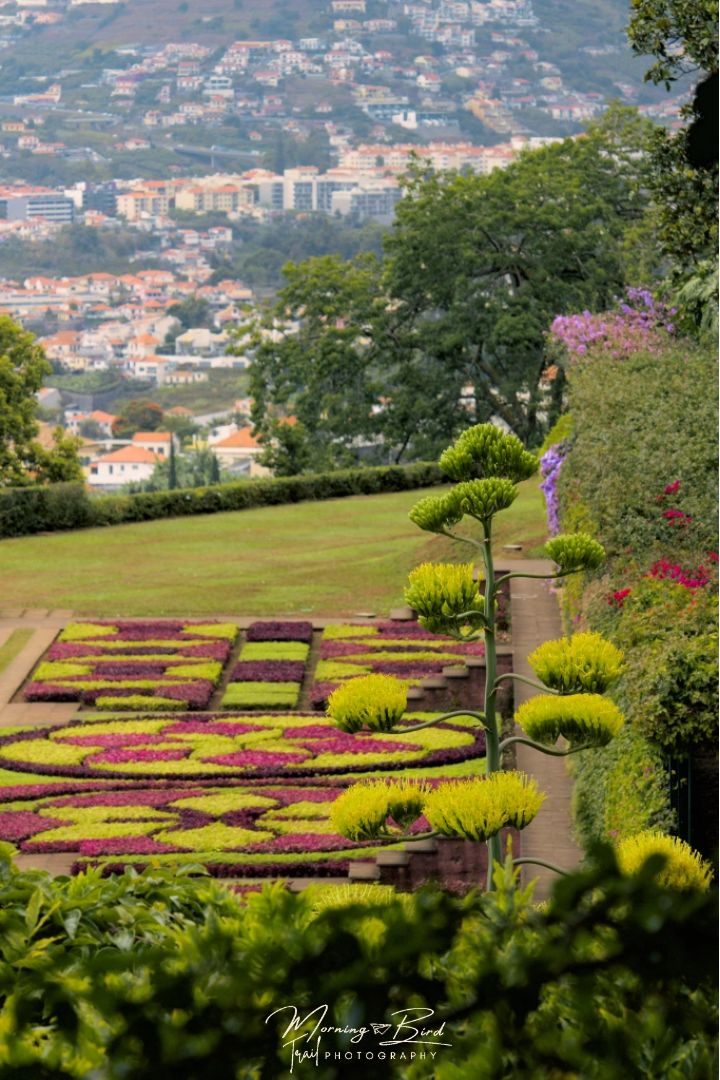
In Funchal, we will check the principal landmarks such as the Mercado dos Lavradores, the botanical garden, the Monte Palace Garden and the churches. An easy and quick way to get to Monte Palace Garden is through the Funchal Cable Car. Depending on the time of the day and year, the cable car may have big lines.
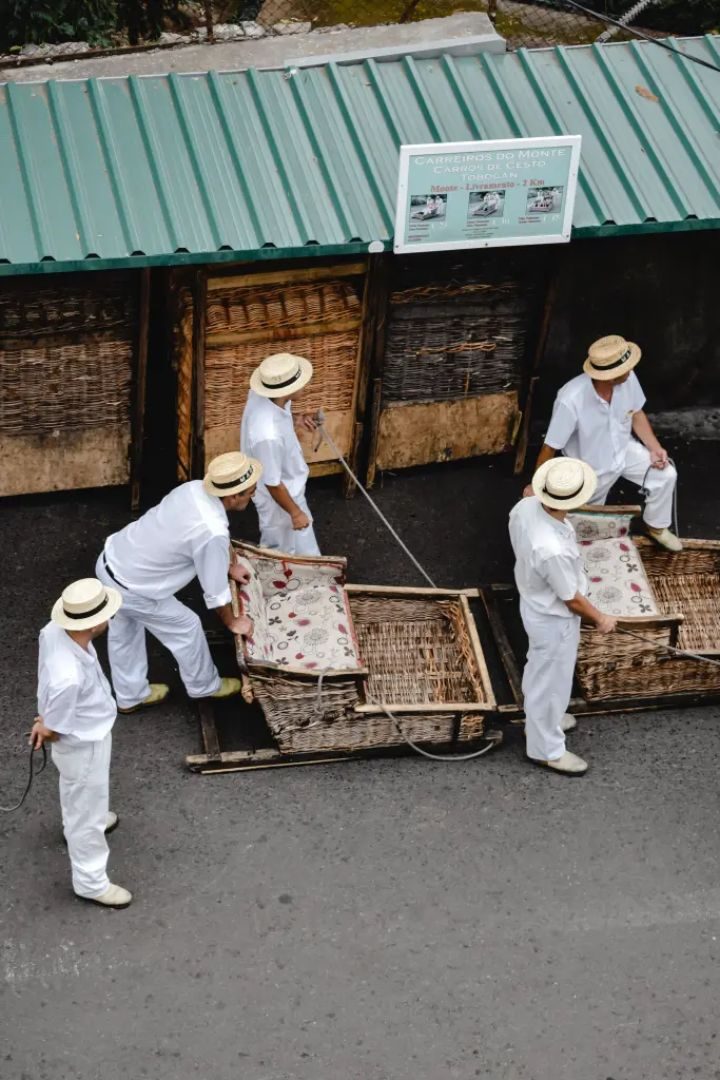
Near the Monte Palace Garden, you will also find the typical and famous Monte Toboggan Wicker Sledges. This is a quick way to get halfway from Monte to Funchal.
In the city, we will try to find some super original street art in the old town, in particular, near Rua de Santa Maria. This street is also home to several coffee shops and restaurants. Because the street art is easier to see and photograph if they are closed, it is better to go there earlier in the morning. This street is also closed to Mercado dos Lavradores so you can make another stop there.

After the lunch in Funchal, we’ll keep going west and, we’ll keep trying to find street art in the streets of Câmara dos Lobos, a town 15 min away from Funchal. In this town, you can see the Igreja de São Sebastião and observe the bay from Pico da Torre. Here you can also find a few examples of street art made with paint and also recycled materials.
Câmara de Lobos is also famous for Cabo Girão. This is the highest European cape and has a viewpoint from where you can see the ocean, cultivated spaces called Fajãs, and the surrounding towns. What makes this viewpoint unique, however, is the glass floor of the viewpoint at 580 meters high.
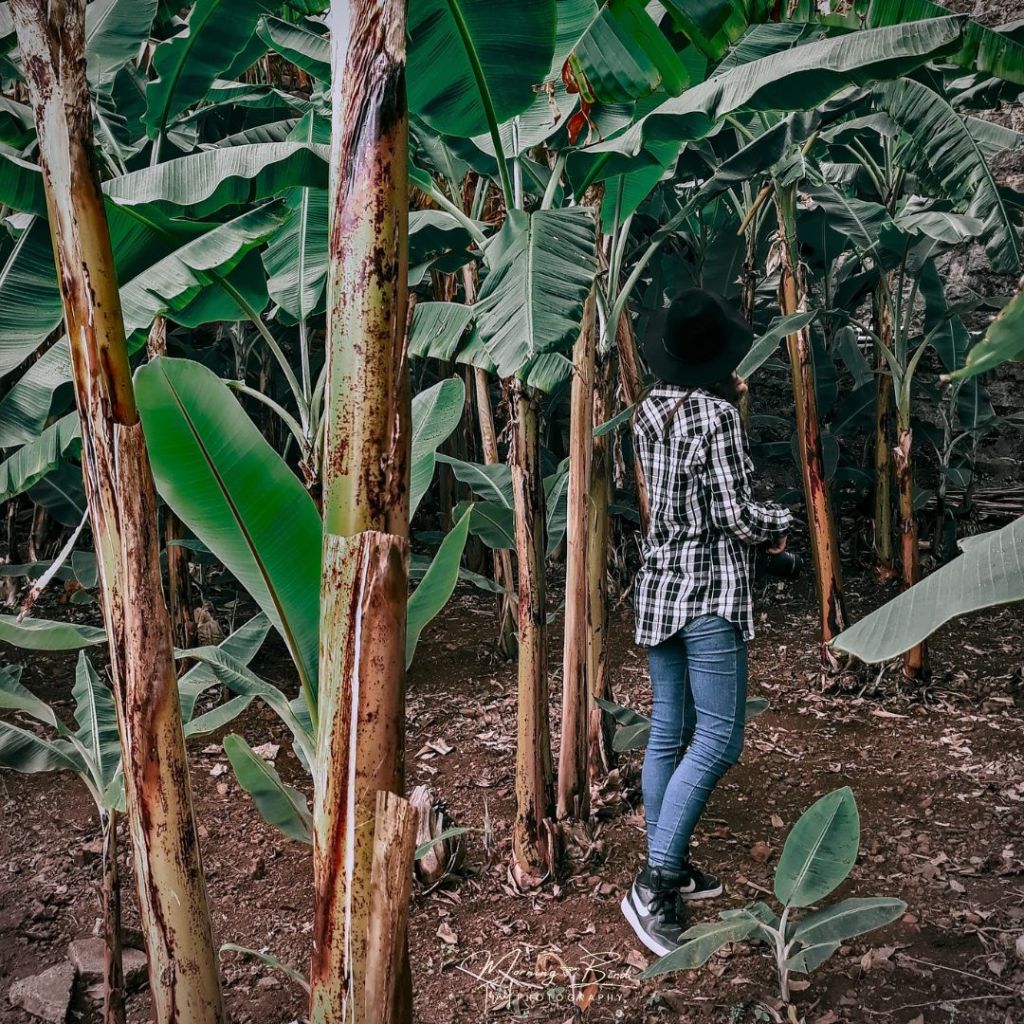
Madeira is also famous for its bananas and near Cabo Girão, in Fajã dos Padres, you can see and walk in a banana field after a short cable car trip. There are many banana fields in the hills of Madeira but most of them are private, so it’s nice to walk between the banana trees in one of these fields. Another place where you can walk between banana trees is in the Botanical Garden.
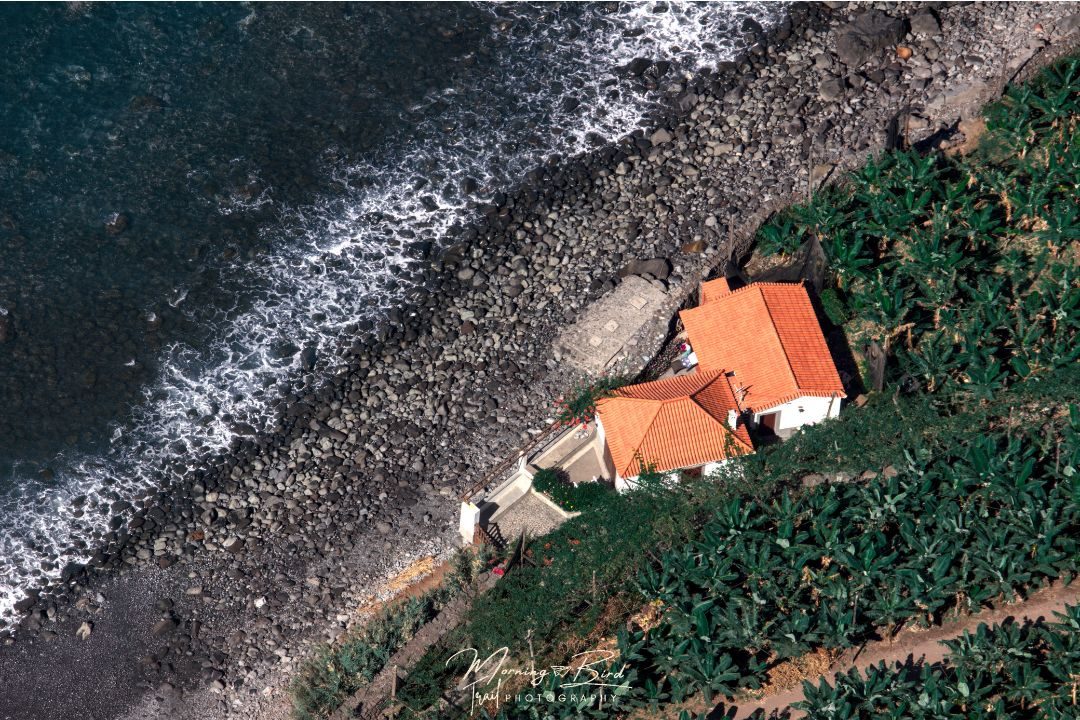
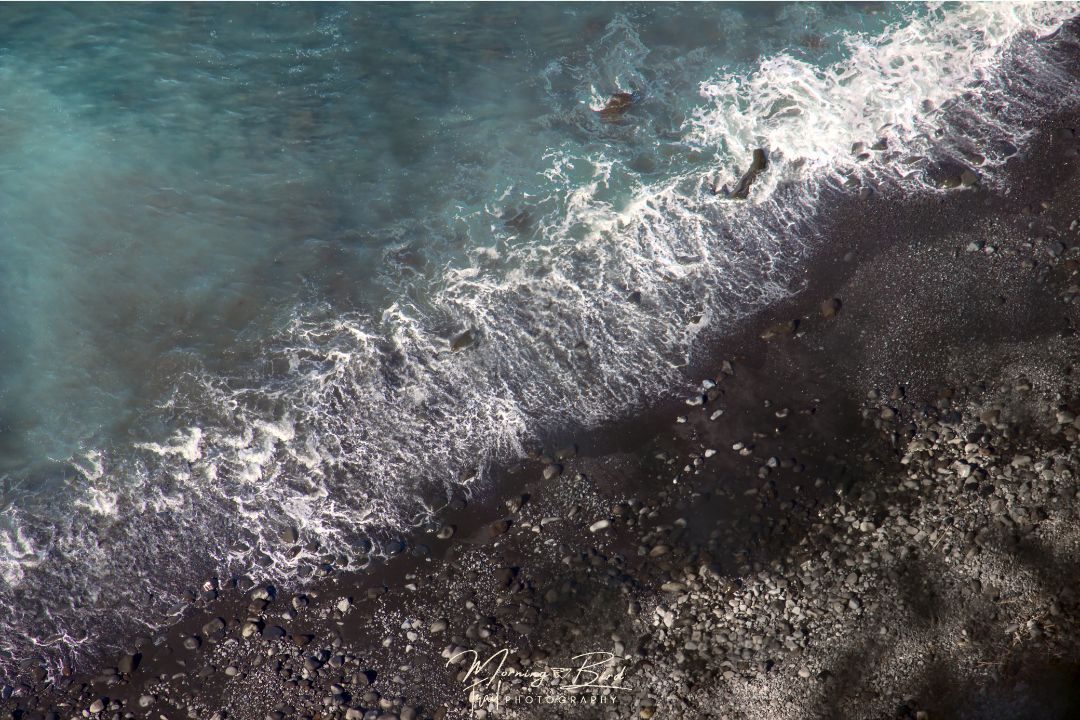
A little bit further west, after Ribeira Brava and Ponta do Sol, you can also take a “shower” at the Anjos Waterfall. This waterfall falls directly to the road and you can pass it with your car or just by yourself. There are not that many people in there at a time and so usually people are patient if you want to take pictures there (they want one too).
Day 6 – The Beautiful Houses of Madeira
On the north part of the island, you can find a region called Santana. In there you’ll find a park called Parque das Queimadas where two hikes take place, the Caldeirão Verde (PR9) hiking trail and the hike to Pico das Pedras.
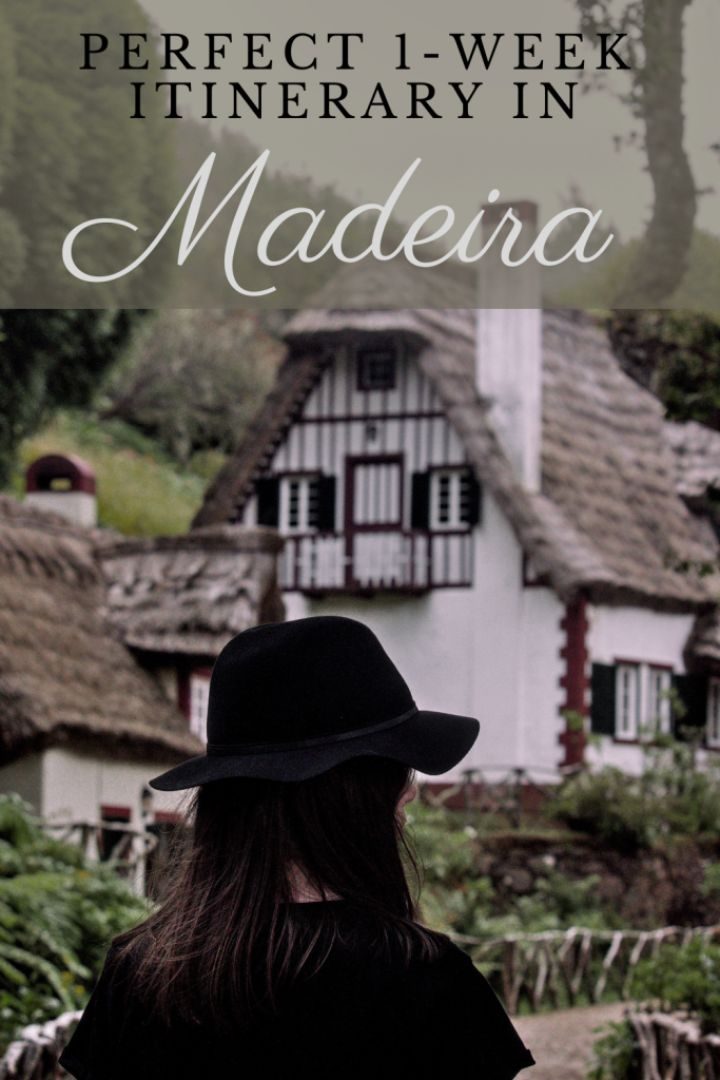
However, the reason why a lot of people come to this park is the laurissilva forest and the beautiful timber-framed houses with thatched roofs. These houses are even more beautiful and mysterious when there is fog in the forest, which happens more often early in the morning or later in the afternoon (sometimes during the day too).
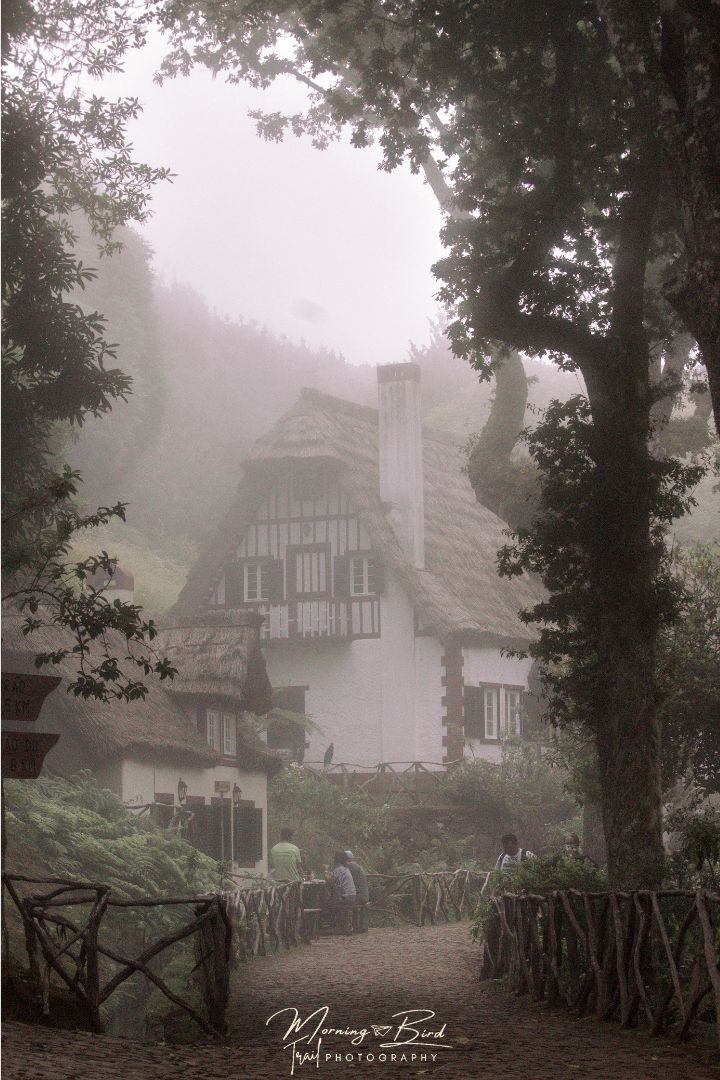
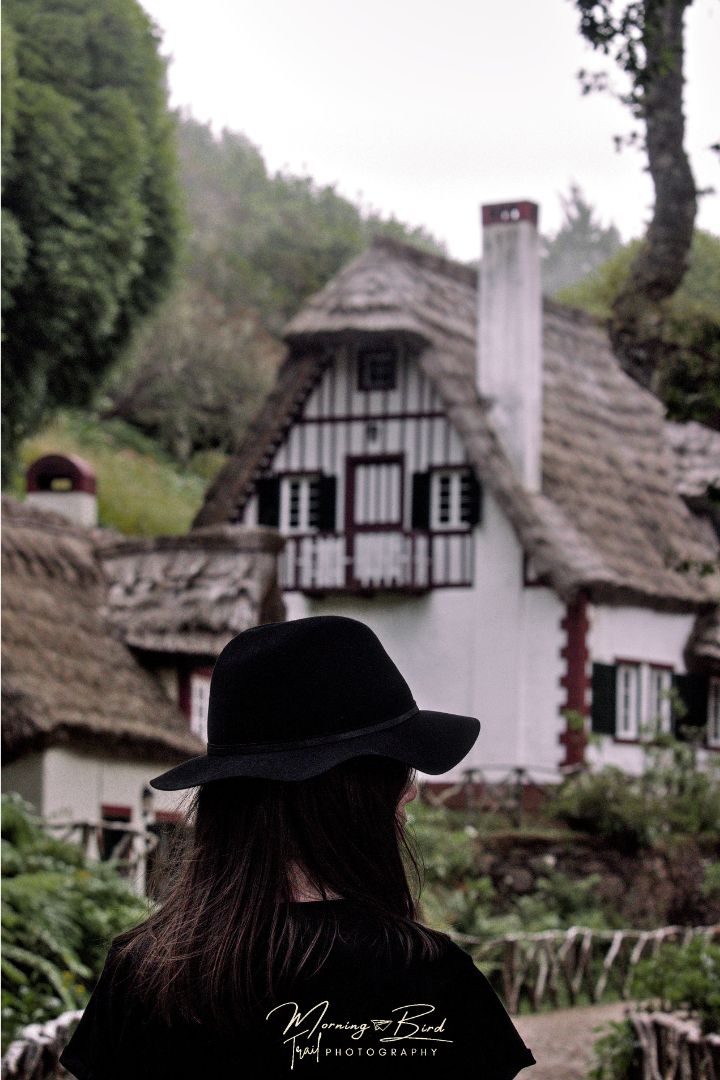
Also in Santana, you can see the Santana typical houses that are replicas of the houses that used to exist in the region. These triangular houses with thatched roofs and characteristic colours can be found on the 24th May Avenue in the town centre. You can also find some of these houses at the Parque Temático da Madeira, where you can see massive sculptures of typical objects of Madeira.
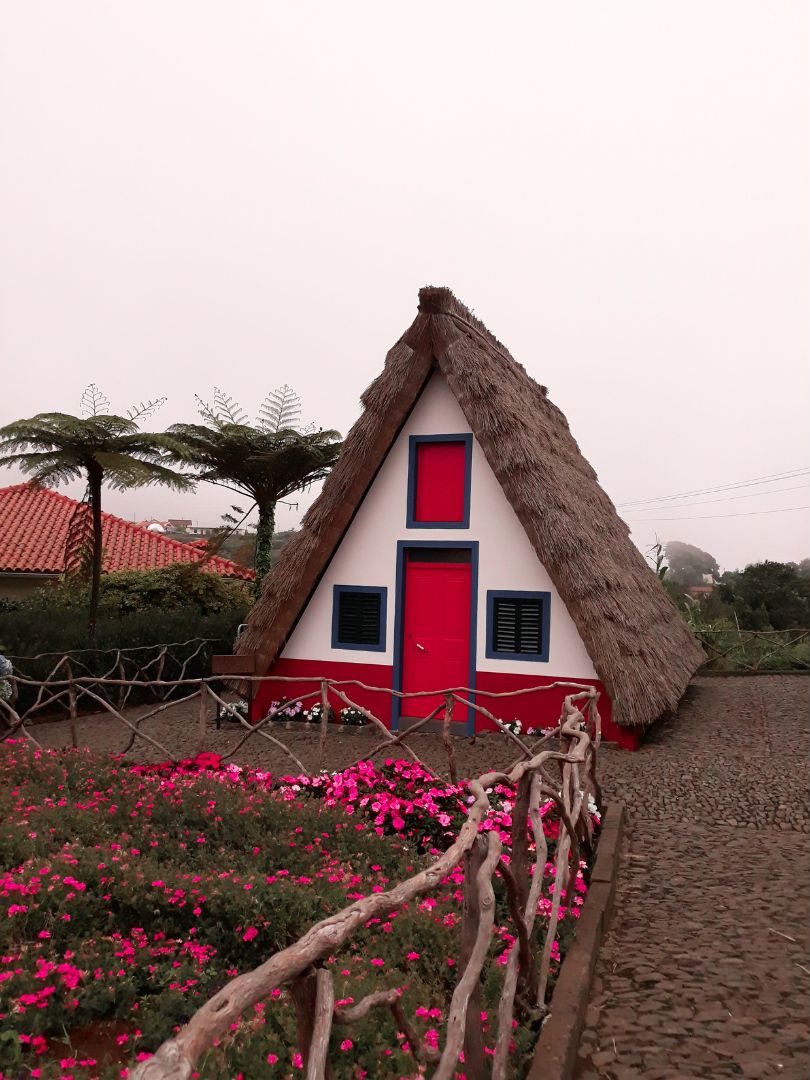
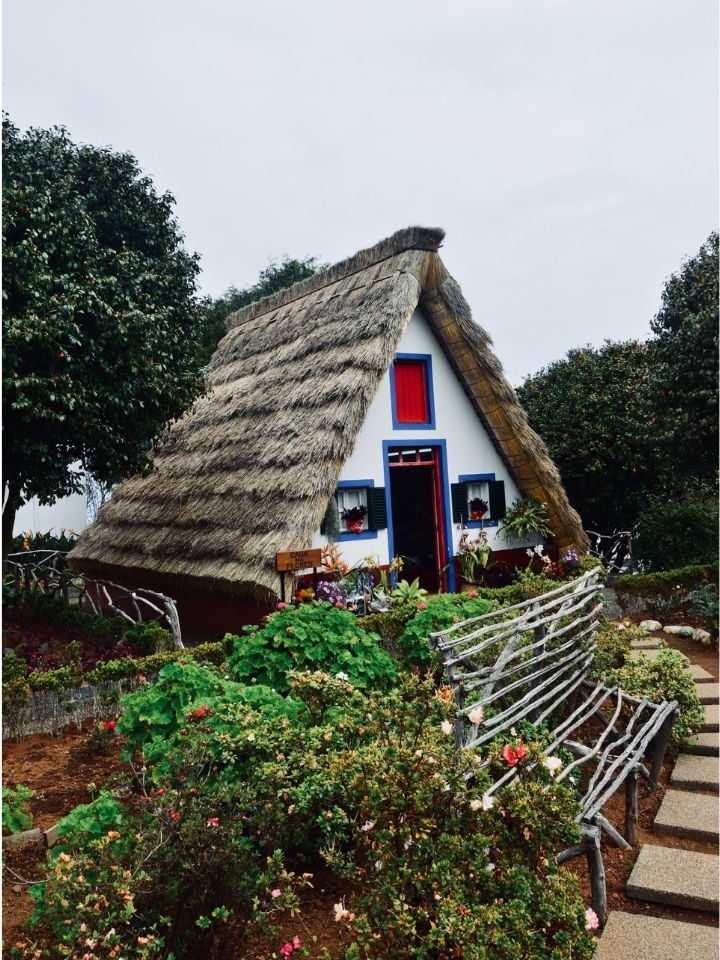
After this, you can go in the direction of Pico Ruivo, and hike the Levada dos Balcões (PR11). This hike is completely flat and follows a small Levada until Miradouro dos Balcões. This viewpoint has an incredible view for several peaks of the island such as Pico do Areeiro (1817m), Pico das Torres (1851m) and Pico Ruivo (1862m), as well as Penha D’Águia. This viewpoint may be very popular but the crowds come and go and you can wait a few minutes to take your epic photo on the top of a huge rock (or with a drone).
Day 7 – Hiking and Swimming in Waterfalls
On the last day of this amazing trip to Madeira, we will hike the Levada das 25 Fontes. Usually, Levadas, such as the Levada dos Bacões and Levada do Caldeirão Verde, are quite flat hikes, however, this is not the case for Levada das 25 Fontes.
If you start your hiking at Rabaçal, it starts with a huge 2km steep drop that you will eventually need to climb up again. These first (or last) 2km, however, don’t need to be walked because there is a mini-bus that every 25 minutes can drive people to the Rabaçal House, a place with a bathroom and a coffee shop.
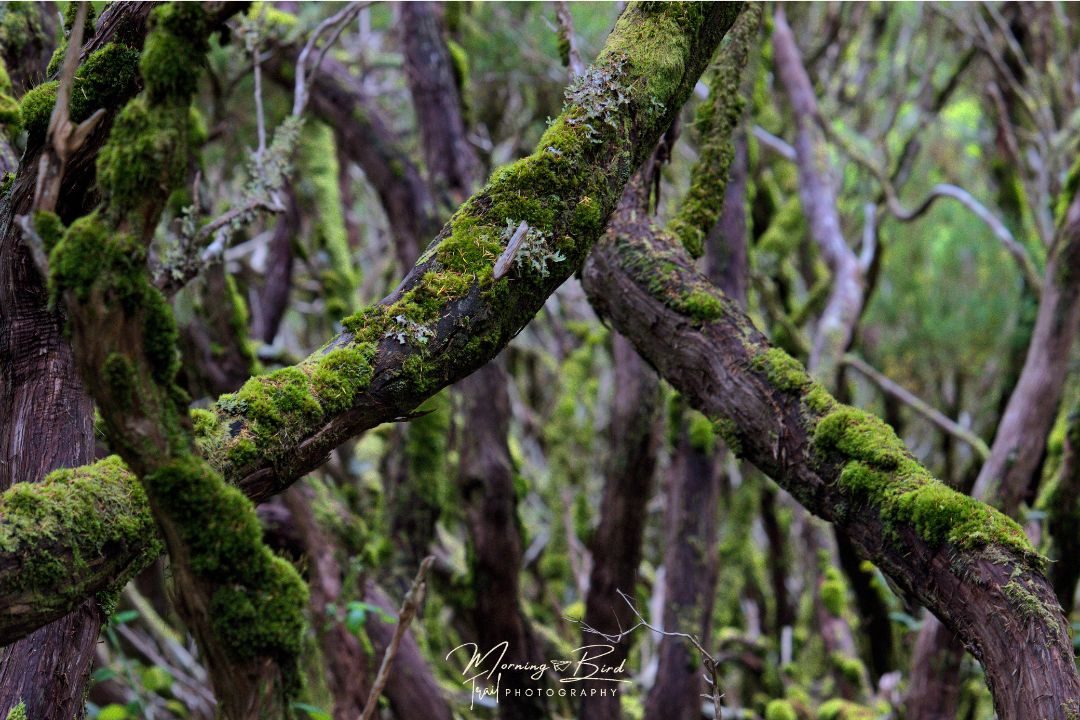
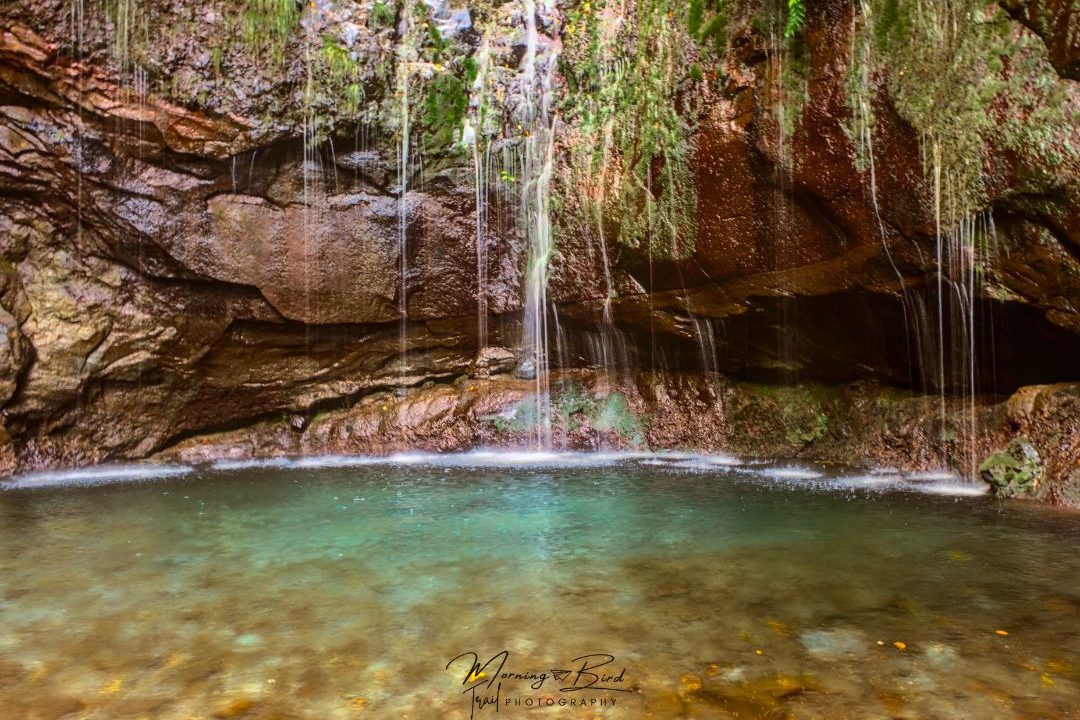
From here, however, you will have to walk down and upstairs to get to the beautiful 25 Fontes lake. The last part of the hike is a flat Levada, a really narrow one (two people cannot pass side by side easily).
The forest where you hike is beautiful with amazing trees with branches that pass over the trail, sometimes quite low, so pay attention to your head.
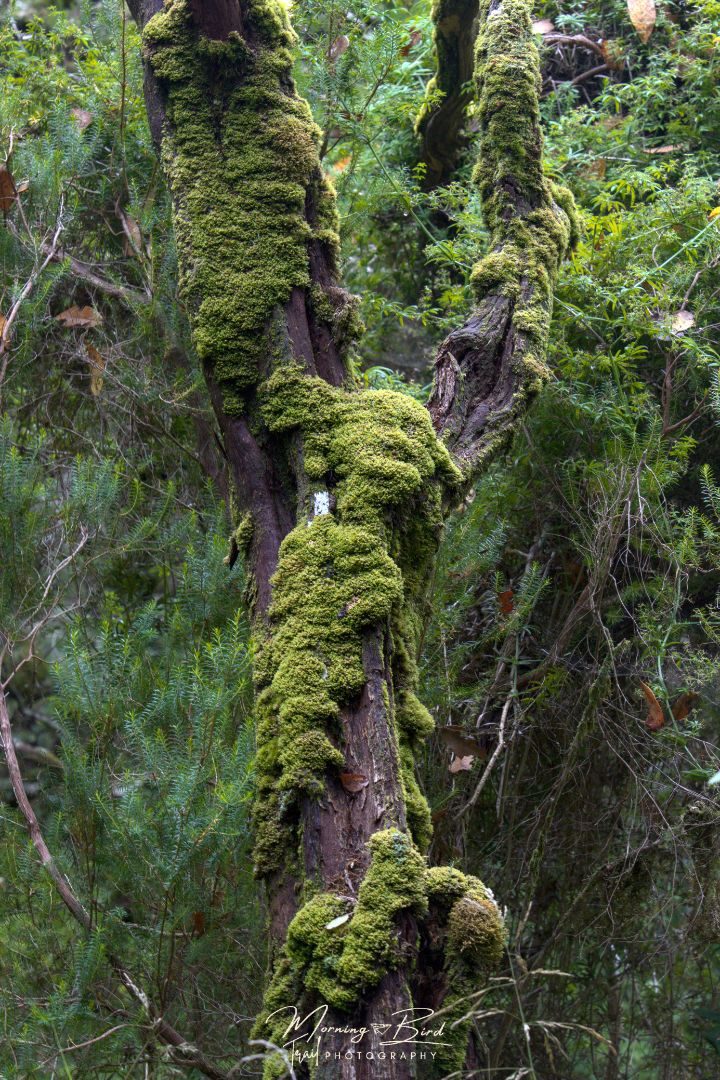
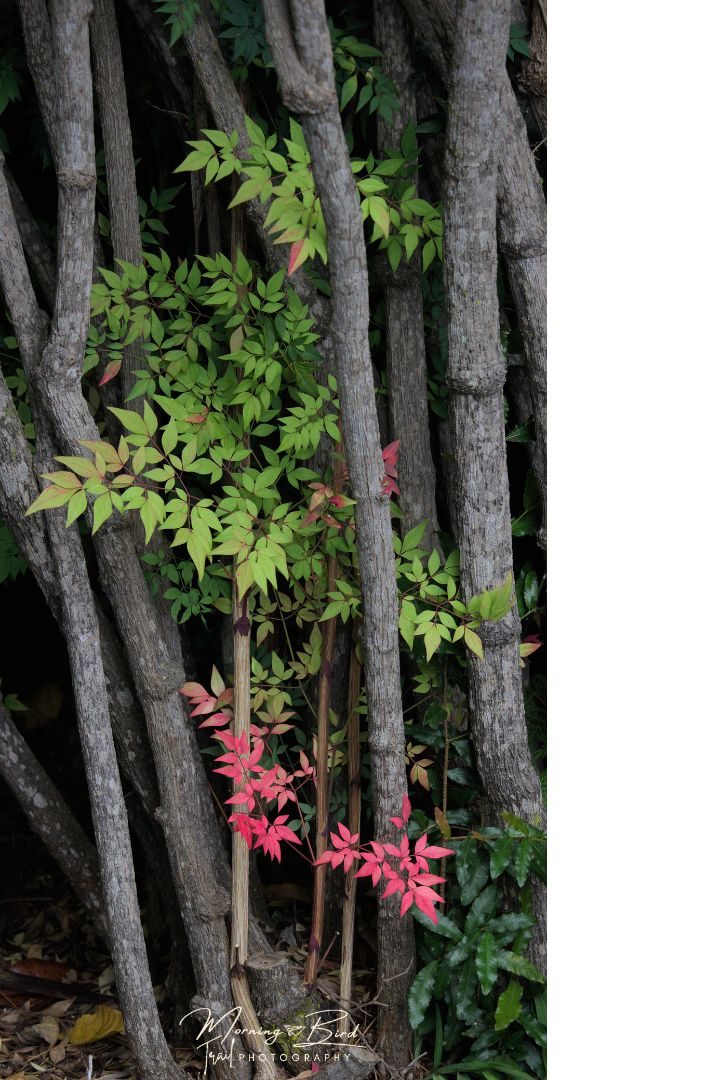
On your final day (today or tomorrow), at the airport, you can also observe landings and departures from the airport’s terrace. The terrace is located before and after security. The terrace after security is located close to the platform part of the runaway. There aren’t that many planes coming to the island every day, so some hours (busier hours) are probably more interesting to experience.
You can also check this blogpost to read about the three best hikes to do in Madeira island.
In case you are wondering, all these pictures were taking with the following equipment:
- Canon EOS 90d
- Samsung SD card
- Canon EF 50mm F1.8 STM
- Canon EF-S 55-250mm F/4-5.6 is STM
- Canon EF-S 10-18mm F/4.5-5.6 IS STM
- K&F Concept K-Serie 67mm ND Filter
- Samsung Galaxy A52 5G
Here you can read some other blog posts that you may like:
Rainbow Mountain in Peru: How to Prepare for This Epic Hike
Learn how to prepare for the Rainbow Mountain hike in Peru. From altitude tips and gear to trail insights, discover how to fully enjoy this breathtaking Andean adventure.

The Sacred Valley of the Incas: Ollantaytambo, Moray & More
A short way from Cusco you’ll find what is known as the Sacred Valley. When driving through this region, you’ll see beautiful snow-capped mountains, inca terraces, and ancient ruins – that some argue even more impressive than Machu Picchu. Typically, the Sacred Valley is just a stop on the way to Machu Picchu, but it…
Explore Paracas, Ballestas Islands & Huacachina in 2 Days – Coastal Peru Trip
Experience the best of Peru in just 2 days from Lima! Visit Paracas’ wildlife-filled cliffs, taste authentic Pisco at a vineyard, and get your adrenaline fix with dune buggy rides and sandboarding in the stunning Huacachina Oasis.
 MORNING BIRD TRAIL