
Baden-Württemberg and Bayern are two of the biggest states of Germany, which means that they have so much to see, culture, nature, buzzing cities and fairy-tales villages, tasty food and amazing adventures. In this blog post, you’ll get inspired for your next two-week travel experience through this unforgettable road trip to the southern states of Germany.
These two states are in the south of Germany. Their highlights are the Black Forest and its secrets, the Neuschwanstein Castle and many other natural and man-made landmarks.
Overview
- How to get there?
- Day 1 – The north of the Black Forest
- Day 2 – Full day in Strasbourg
- Day 3 – Strasbourg to Friedrichshafen
- Day 4 – South Baviera
- Day 5 – From Eibsee lake to Munich
- Day 6 – Munich
- Day 7 – Nuremberg
- Day 8 – To Rothenburg ob der Tauber
- Day 9 – Back to the beginning
In an Hurry? Pin for later
How to get there?
Getting to Germany isn’t too hard since the country has several international airports and some of the biggest hubs in Europe.
The closest airport to the beginning of the trip is the Airport of Stuttgart. However, even though this is an international airport with several direct connections from various countries, it’s not a big hub. As a result, you may need to take a not direct route, depending on the country from where you come. At this airport you are able to rent a car.
Another close-by airport is the Frankfurt one. This airport is one of the most important in Europe and the world. This means that you’ll be way more likely to get a direct flight regardless of the country from where you come. You can rent a car at the Frankfurt airport.
You can also rent a car in the city of Stuttgart or Frankfurt, but this may not be as comfortable since you’ll have to travel by public transports or taxis to get to the centre of the city.
Day 1 – The north of the Black Forest

This South Germany road trip starts after the initial exploration of the cities where you land if you wish to do so. In Frankfurt, you can see a mix of newer and older architecture. Stuttgart has a slightly more traditional architecture since it was slightly less destroyed than Frankfurt in WWII (it was very destroyed nonetheless).
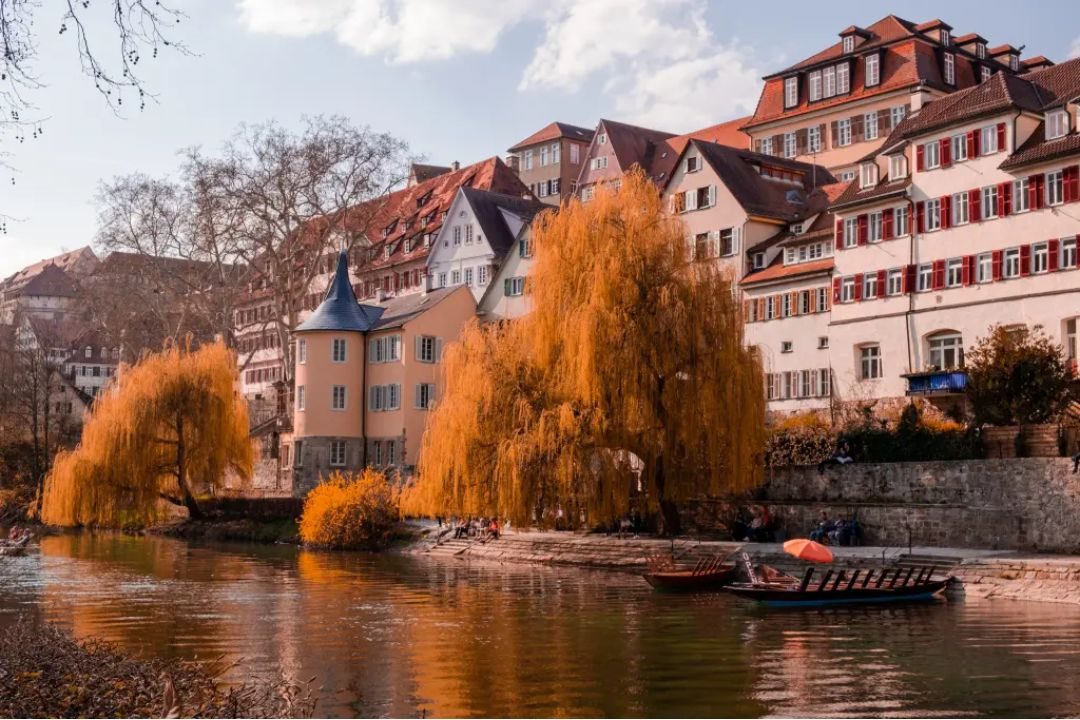
From these cities, we head towards Tübingen. Tübingen is a well known German university town. Its university was founded in the 15th century, being in the top 10 universities of the country, according to QS Top Universities. This town is crossed by the river Neckar and in its borders, you can appreciate the beautiful german architecture. Tübingen is located 40 minutes away from Stuttgart and 2h30 from Frankfurt, by car.
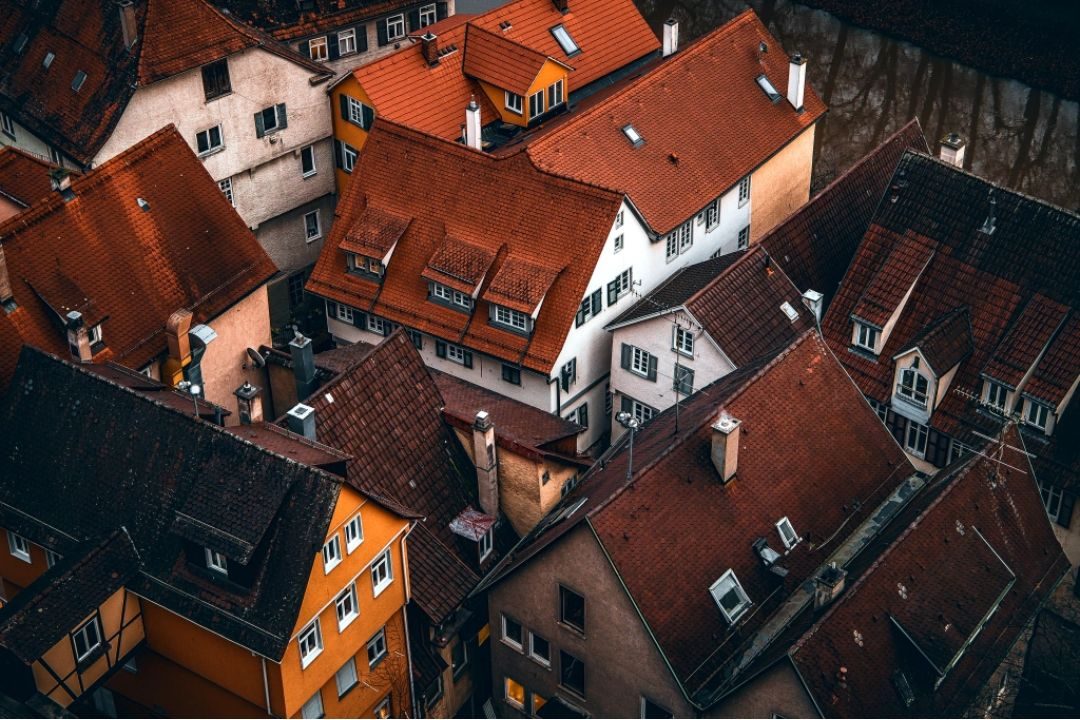
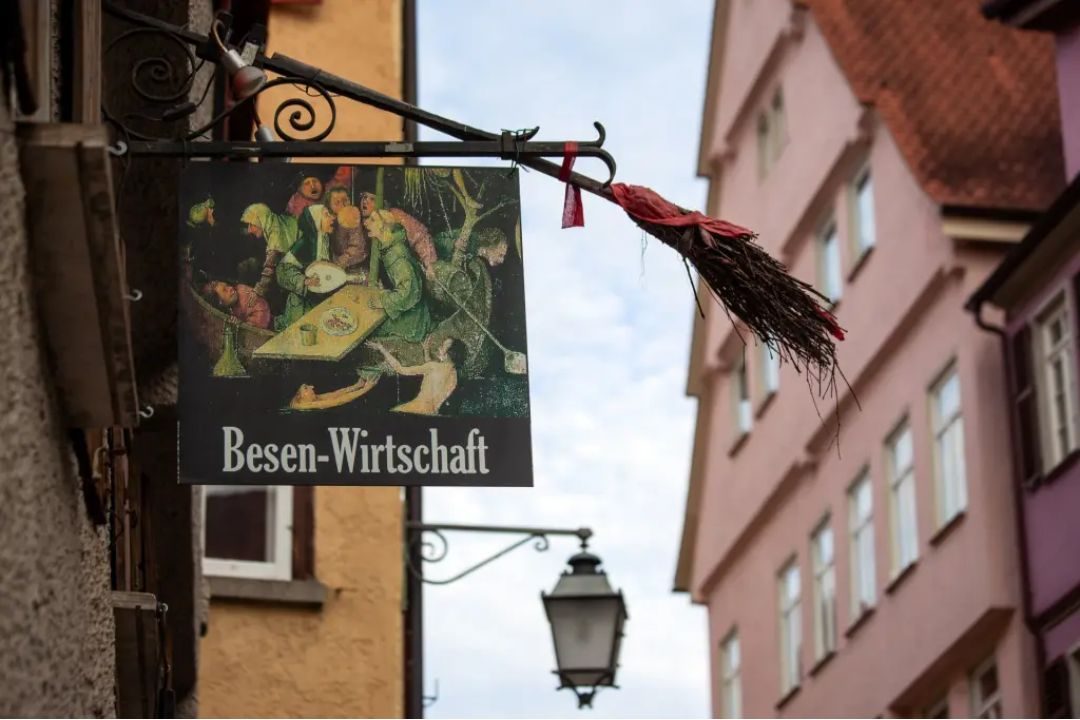
You can stay a couple of hours wandering in the streets of Tübingen’s old city, the castle and the university. You can spend a couple of hours wandering in the streets of Tübingen’s old city, the castle and the university.
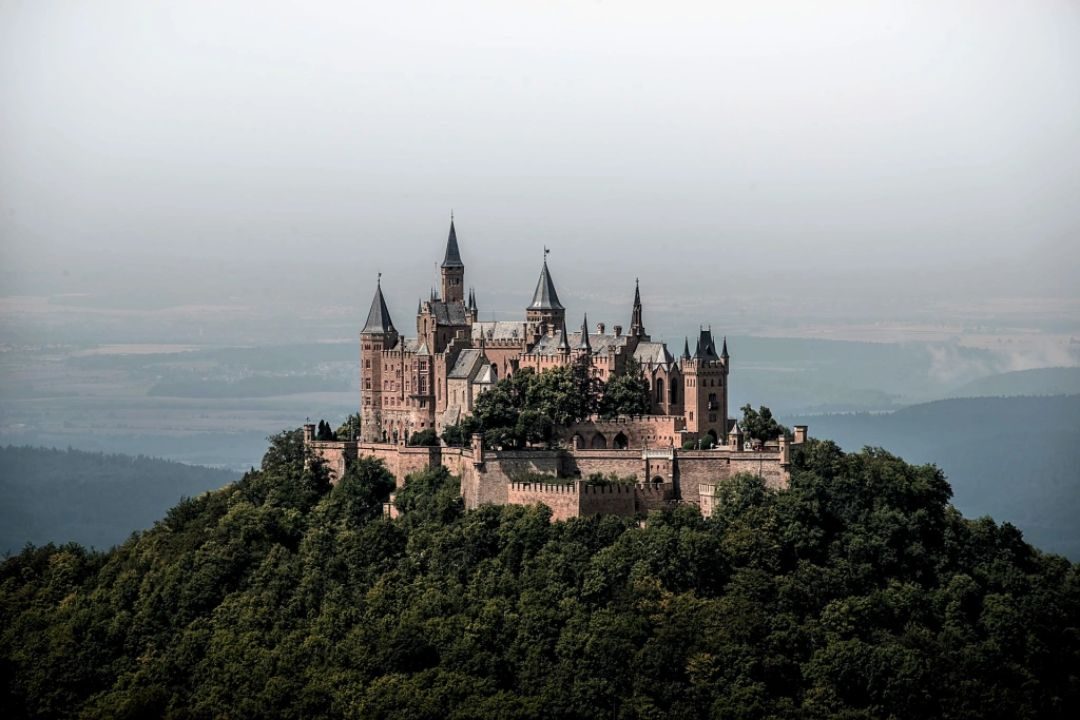
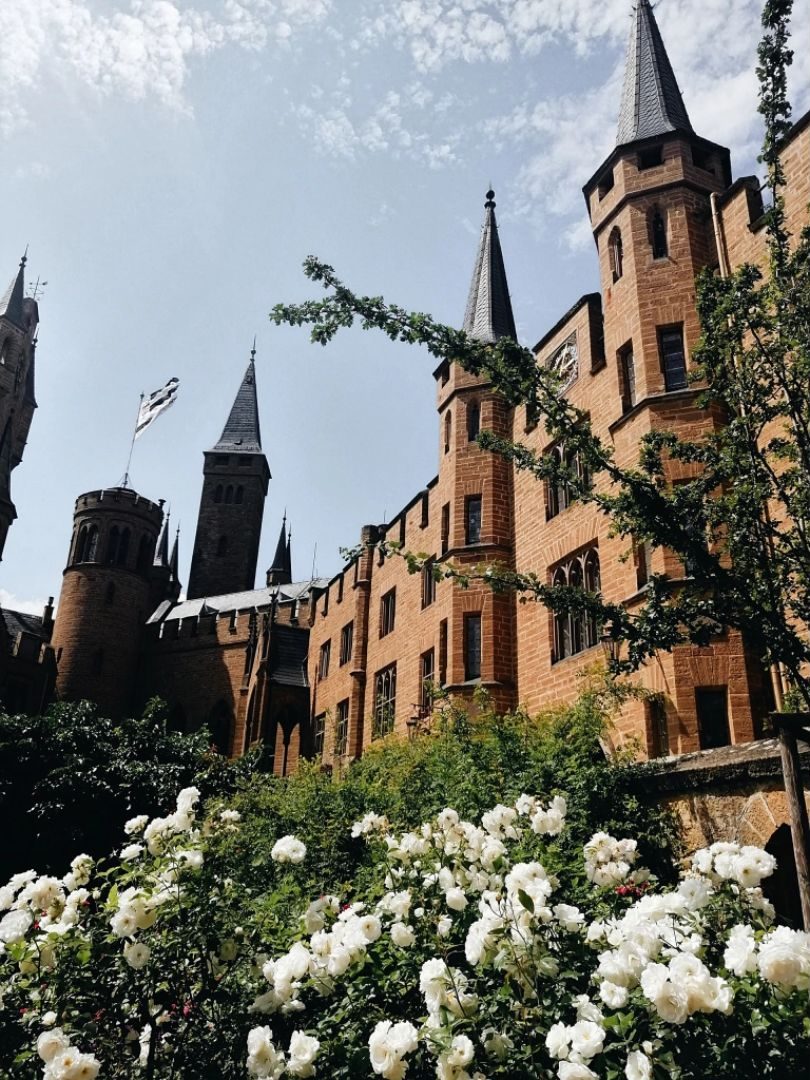
After this stop, we’ll keep going south to one of the most beautiful castles in Germany, the Hohenzollern Castle, around half an hour away from Tübingen. This castle has belonged to several owners and has served as a fortress during the thirty years war. After being destroyed and turned into ruins, it was reconstructed in the 19th century and became the amazing castle that you can visit today. To visit this castle that resembles Hogwarts you need to pay 22€ for an adult. You may purchase your ticket on the official Hohenzollern Castle website.
The next stop is 2 hours away from the castle, through the black forest. This stop will be in Baden-Baden, close to the French border. This town is a well-known spa town, since Roman times. Its popularity as a spa grew in the 19th century, becoming a fashionable resort for European nobility. In Baden-Baden, you can explore gardens, castles, museums and of course the spas, such as the Caracalla Baths where you can swim and relax for 16€ (2 hours).
After some hours exploring and experiencing what Baden-Baden has to offer you, we’ll drive for 50 minutes until Strasbourg. This is a bit cheating since Strasbourg is in France and not in the South of Germany, however, it is so close and so pretty that it deserves a stop.
Day 2 – Full day in Strasbourg
Strasbourg has beautiful architecture with its black and white timber-framed buildings surrounding the Rhine banks, which is the principal reason for its beauty and worthiness of a derailing from our South German road trip. This landscape occurs, in particular, in the La Petit France region, the most photogenic part of the city.
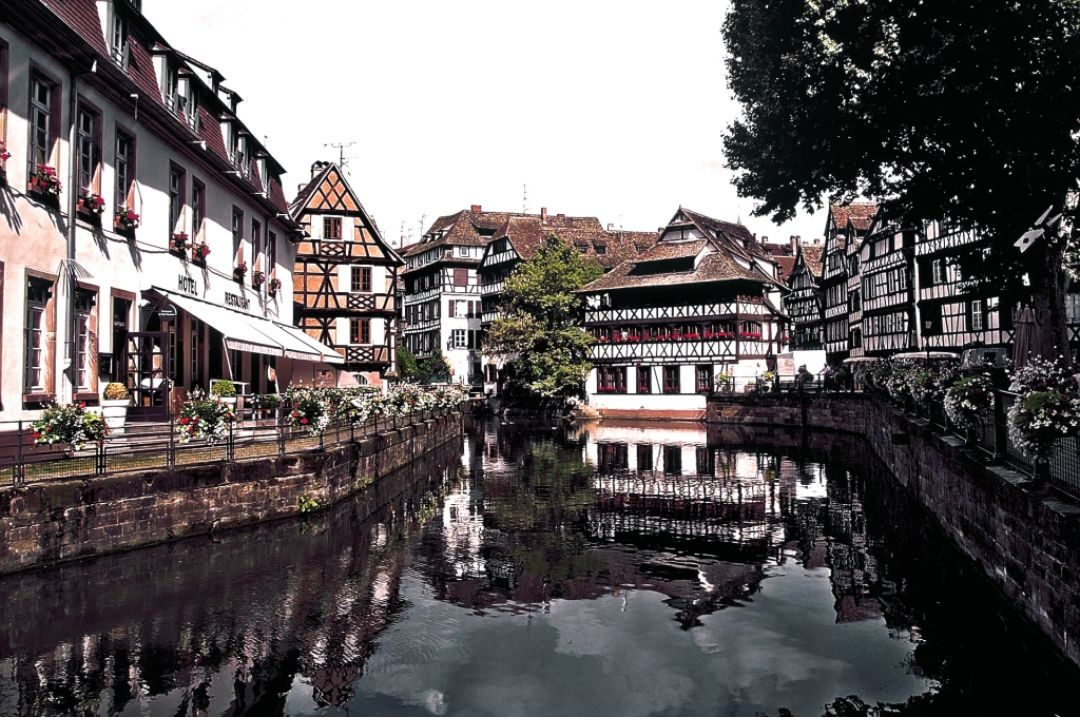
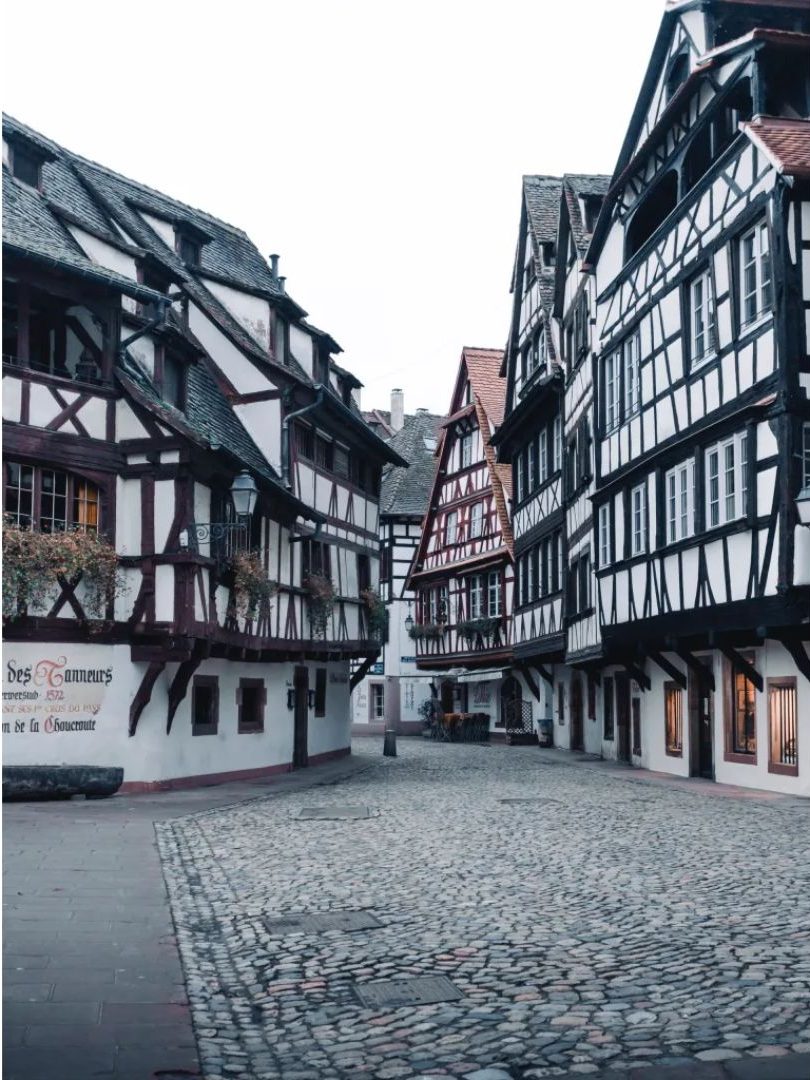
However, the city doesn’t only have cute timber-framed buildings to see. Some of the most famous buildings in the city are its churches, such as the Strasbourg Cathedral, the Église Saint-Thomas or the Eglise Saint-Pierre le Jeune.
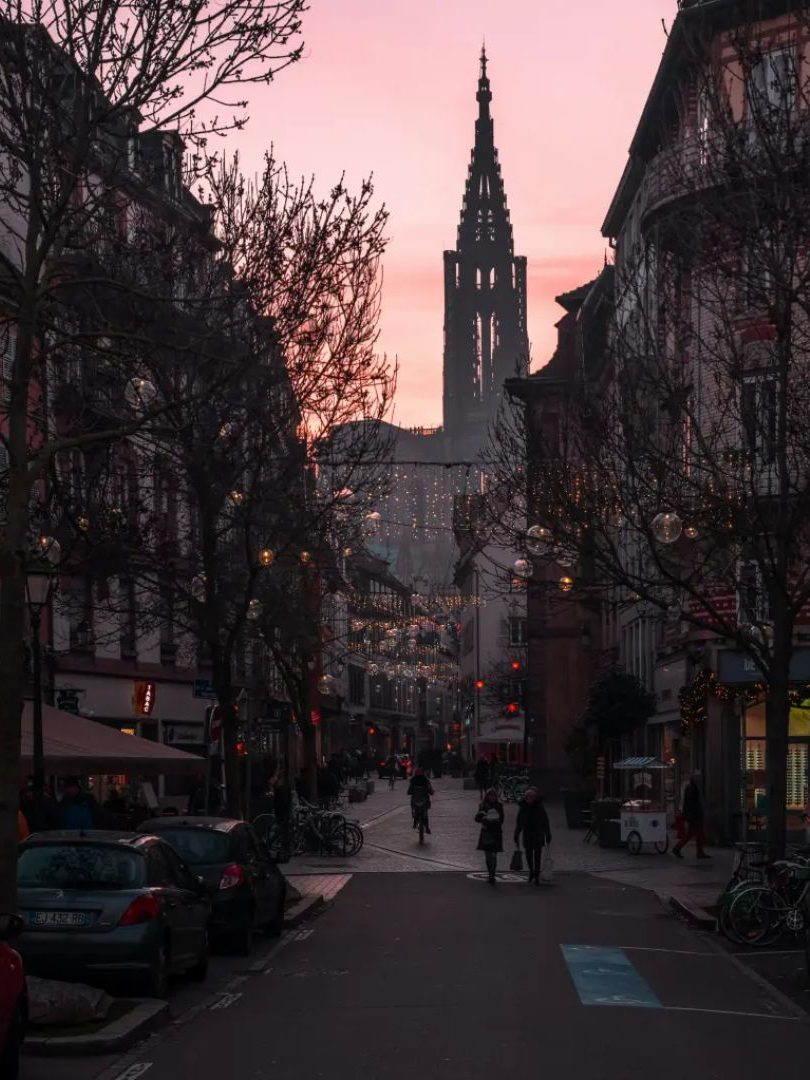
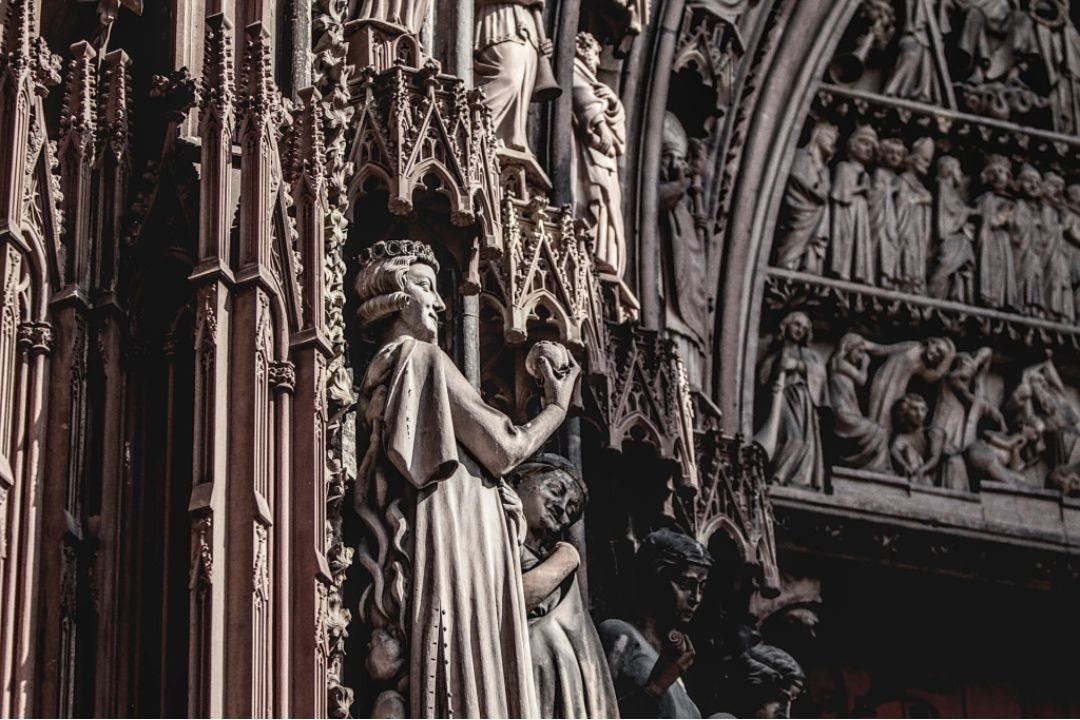
If you want a more natural spot to spend your afternoon, you can also head to one of the city’s parks. The most famous ones are the Parc de l’Orangerie, the Parc du Contades or a bit further away, the Parc de la Citadelle.
Close to the Parc de l’Orangerie, you’ll find the European Parliament of Strasbourg, where plenary sessions occur. You can visit the parliament too and even listen to one of the plenary sessions.

If you prefer to view art or understand the rich history of the region, you can check Strasbourg’s museums. Some of the favourite museums are the Strasbourg Museum of Modern and Contemporary Art, the Musée Historique de Strasbourg or some other of the museums in the city.
Day 3 – Strasbourg to Friedrichshafen
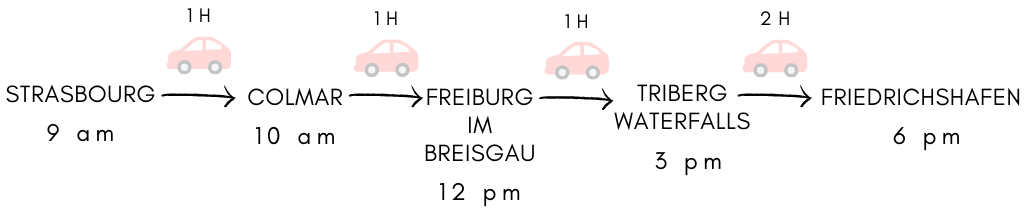
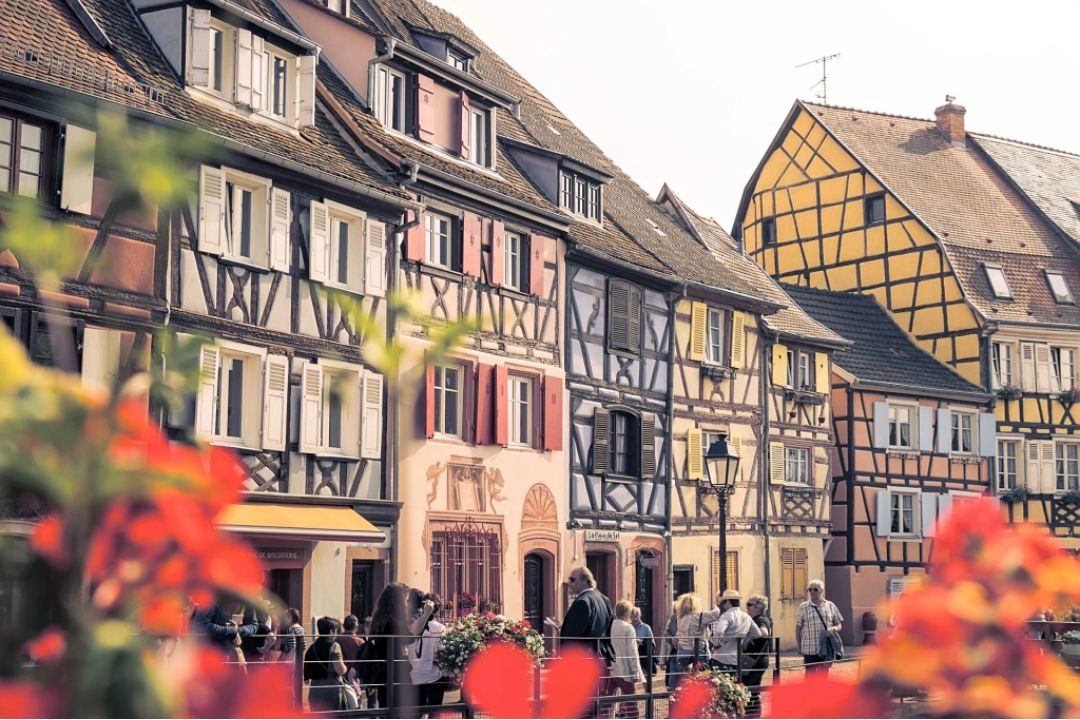
After the day in Strasbourg, we have one last stop in a french town with more timber-framed buildings, Colmar. Colmar is located 1 hour away from Strasbourg by car and is a postcard-like little town.
Colmar was also one of the last french towns freed from German control in WWII, after being part of the Colmar Pocket. This fact is also one reason why we can find the European Parliament in Strasbourg, as a symbol of international reconciliation.
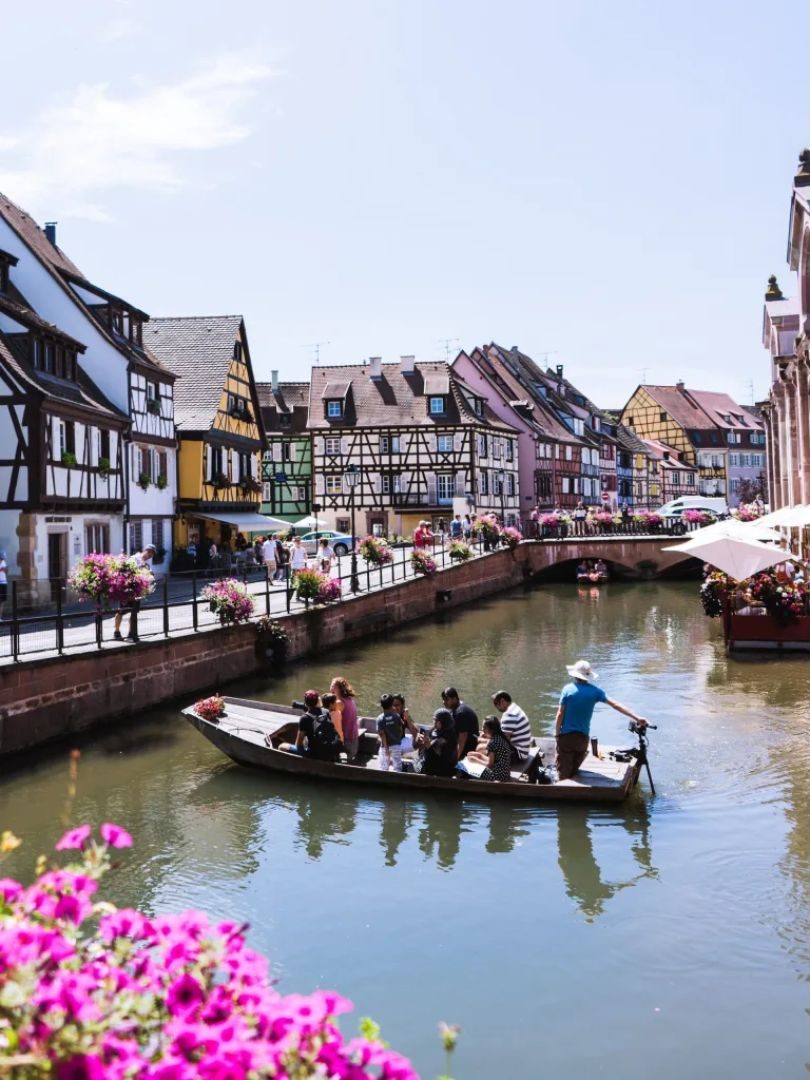
In Colmar, you will see incredible and colourful architecture, especially in the old town and in Little Venice. In the Little Venice region, the timber-framed houses meet the river, making this part of the town one of the most photogenic.
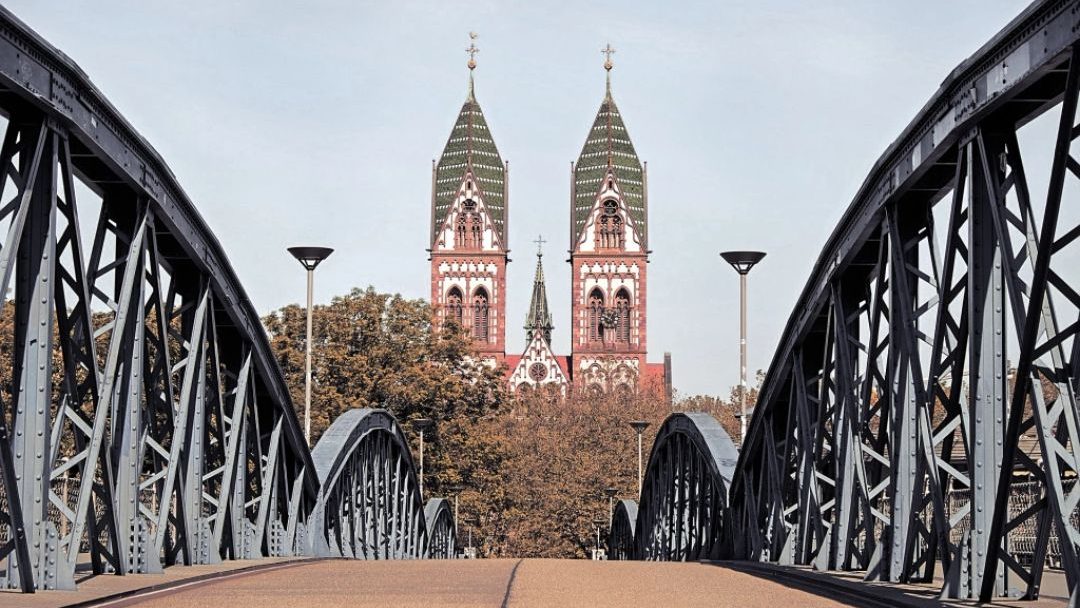
After your walk through Colmar’s streets, we go back to Germany and, after a 50 minutes drive, we’ll get to Freiburg im Breisgau. Freiburg im Breisgau is another university town of Germany. This university was founded in the 15th century. In the old town, you can see colourful houses, especially in Münsterplatz . In this square, you can also find Bächle. These are grooves on the floor of the old town that were used to transport water around the city in medieval times.
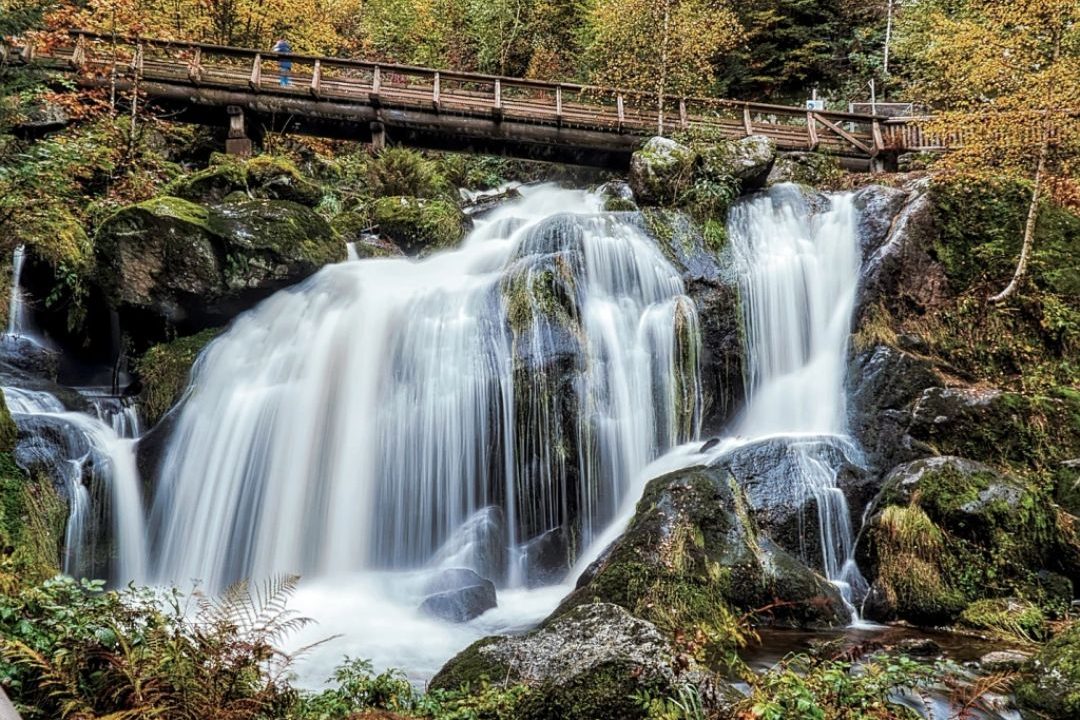
From Freiburg im Breisgau, we head east and, after one hour through the Black Forest roads, we’ll get to our first natural stop of this South Germany road trip(if we don’t count with the stops in the forest). This stop is Triberg Waterfalls, 1 hour away from Freiburg im Breisgau. These waterfalls are located near the town of Triberg where you can, for example, see the biggest cuckoo clock in the world. The waterfalls themselves can be seen from several hiking trails. If you don’t want to hike to these viewpoints, you can get quickly to the lower waterfall from the parking lot. The waterfalls are known to be the highest in Germany, with 7 waterfalls and more than 160 meters.
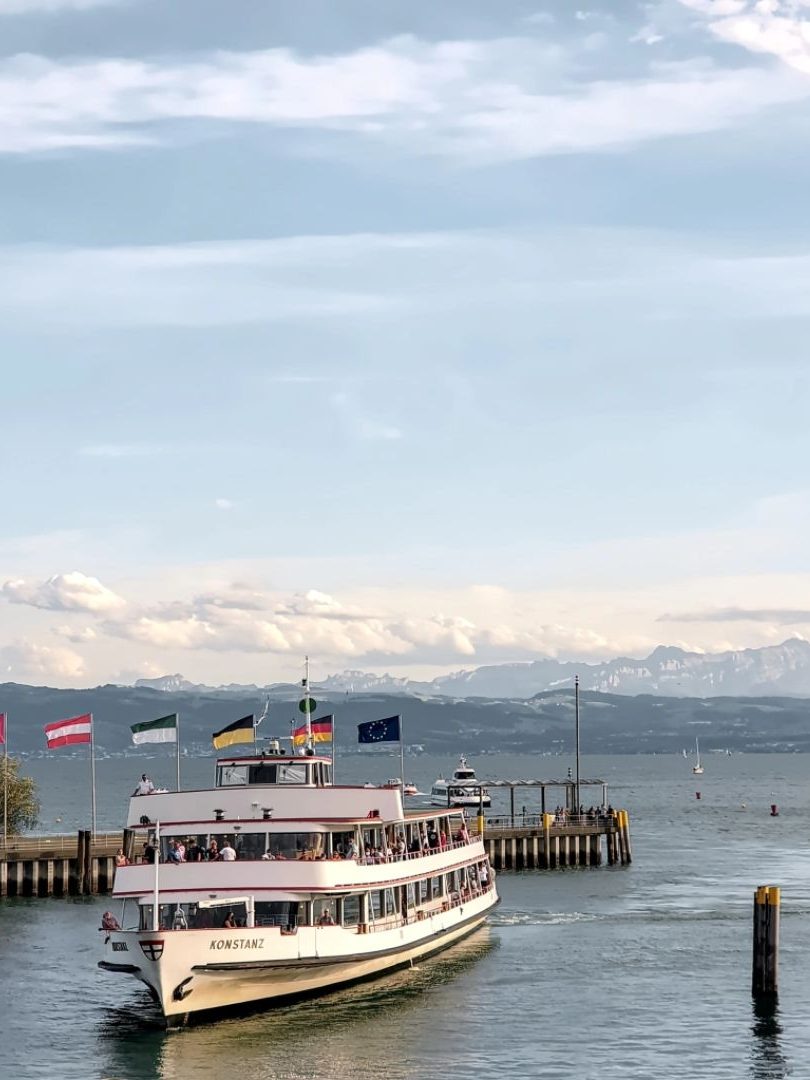
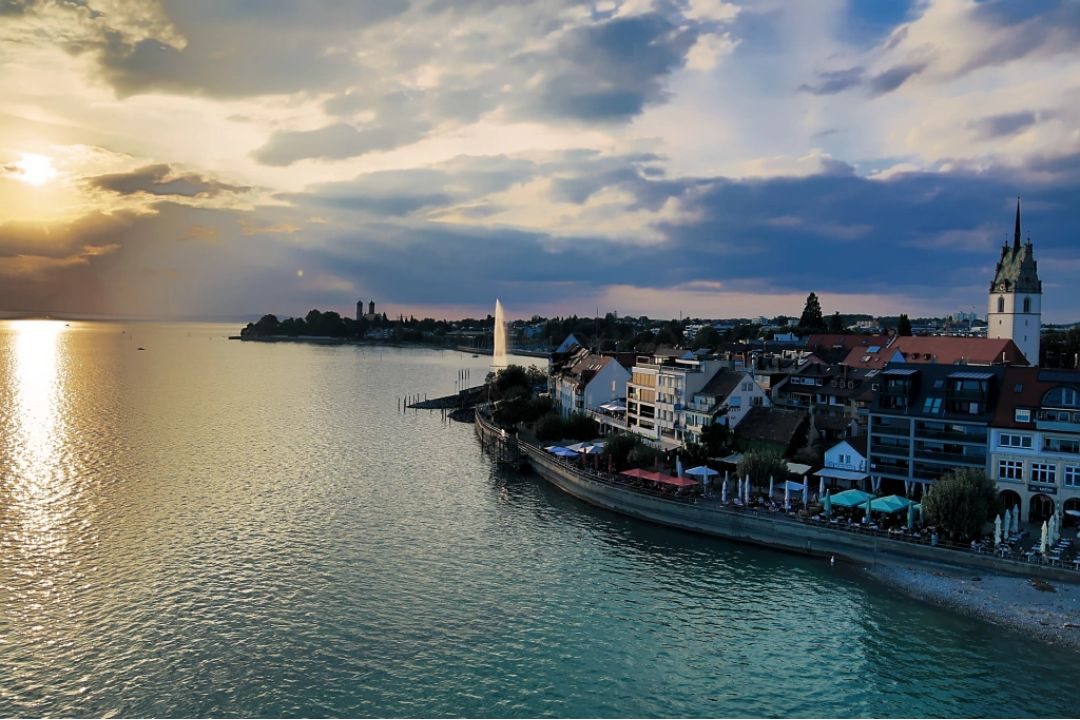
After this stop, we’ll move away from the black forest and, after a 1h40 drive, we will arrive in Friedrichshafen. This town is located on Lake Constance, the beautiful lake that separates Germany, Switzerland and Austria. Here, you can enjoy the views of the lake and the nature that surrounds it. Another idea is to take a look at the Zepplin Museum, in the city centre. Besides visiting and getting to know more about the history of Zeppelins you can also fly in one over the city, for 30min.
Day 4 – South Baviera

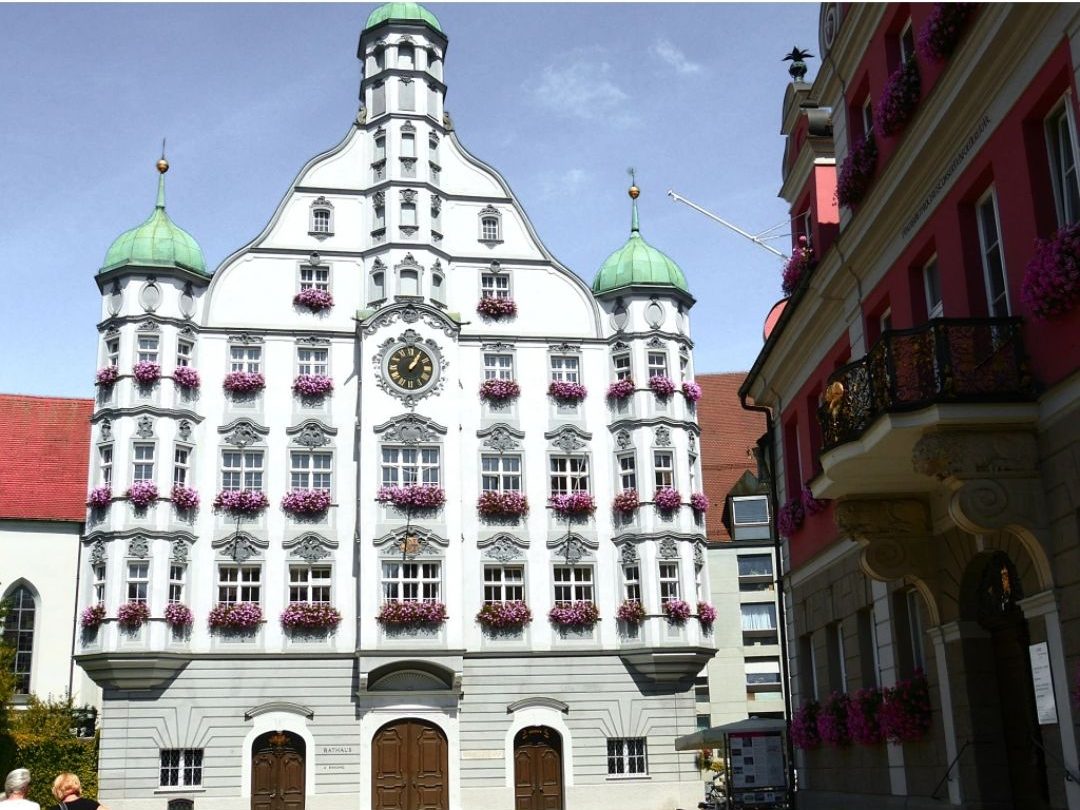
Today we’ll get to Baviera and will explore a bit of the south border of this state. After leaving Friedrichshafen, we’ll drive for 1 hour to the town of Memmingen. This town has many colourful houses, baroque architecture buildings such as the Ottobeuren. Another incredible building is the Kreuzherren Monastery.
Next in this South Germany road trip, we’ll get to the Hohenschwangau Castle, the beautiful yellow castle on top of a hill. Driving, we’ll get there in less than 1 hour from Memmingen. The castle is a 19th-century palace in Baviera and is located close by to Neuschwanstein castle.
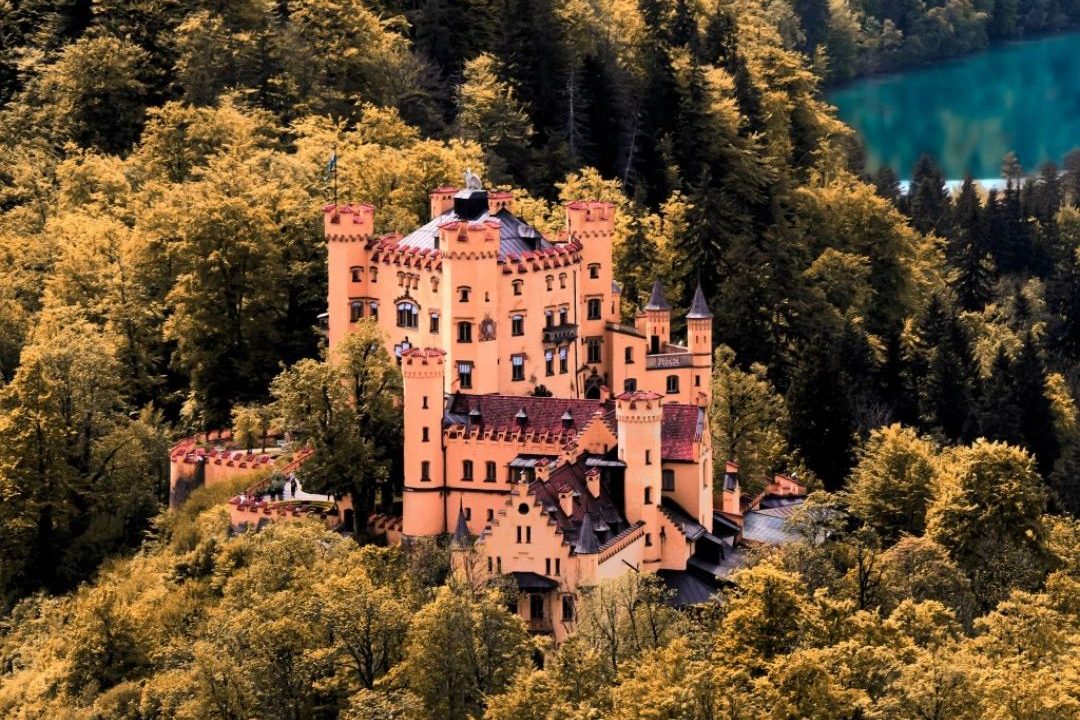
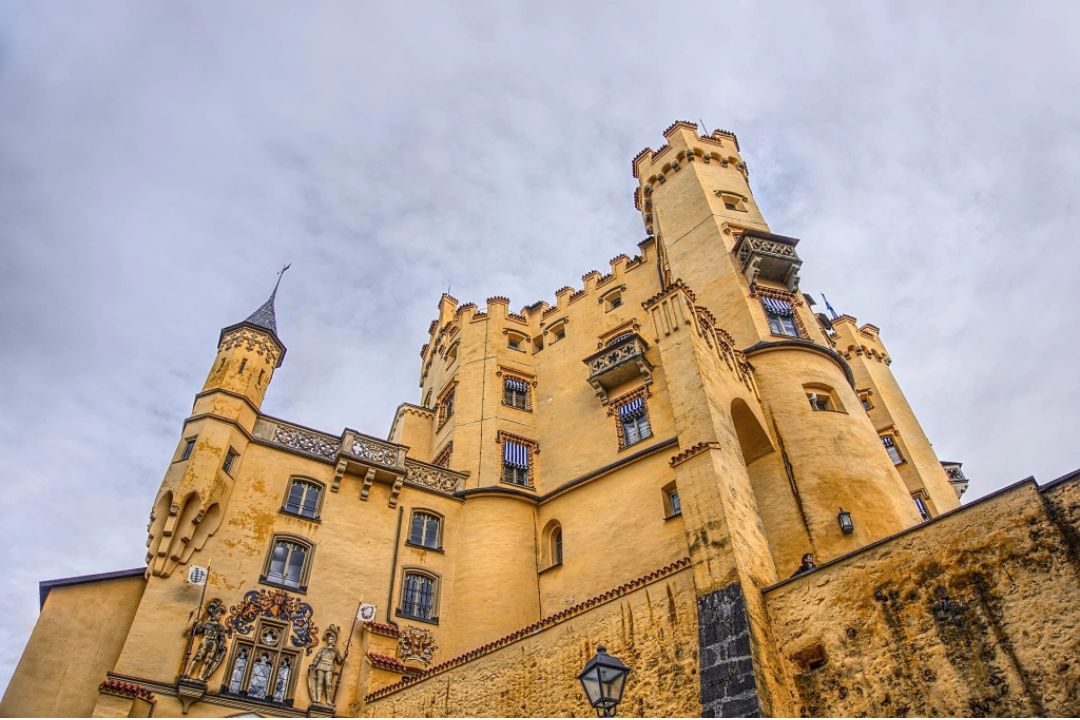
As expected, after the visit to Hohenschwangau Castle, we’ll visit the Neuschwanstein Castle.
The Neuschwanstein Castle is located 30 minutes away from the Hohenschwangau Castle by foot or less than 5 minutes by car. The castle is also from the 19th century and was built by the “fairytale king”, King Ludwig II of Bavaria.
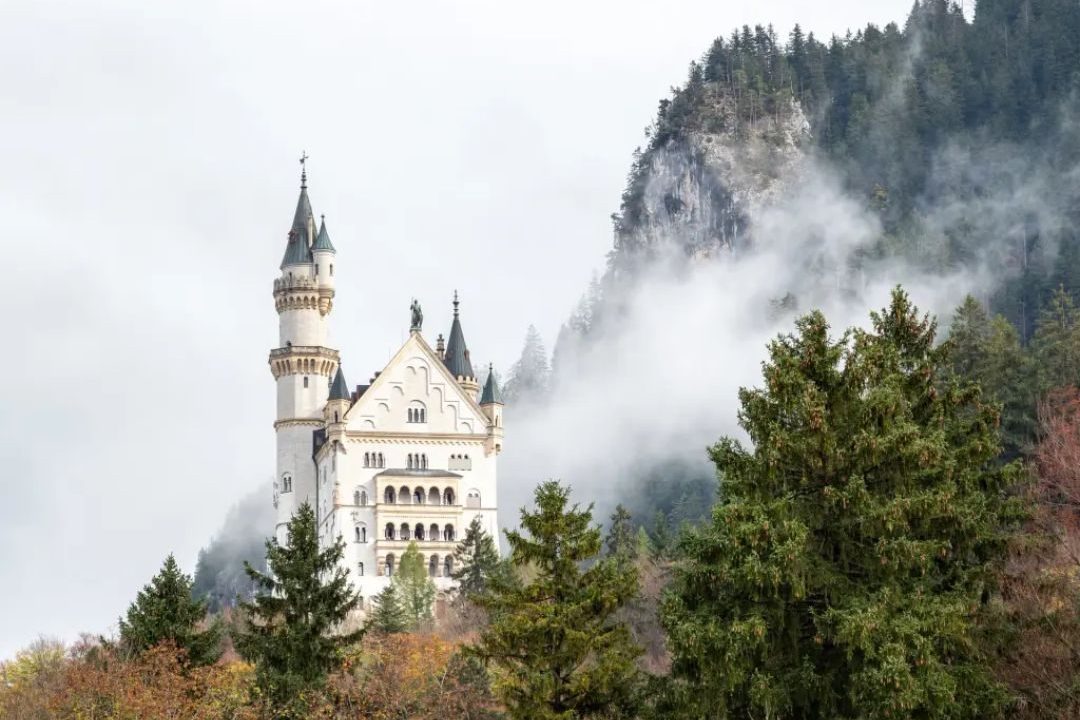
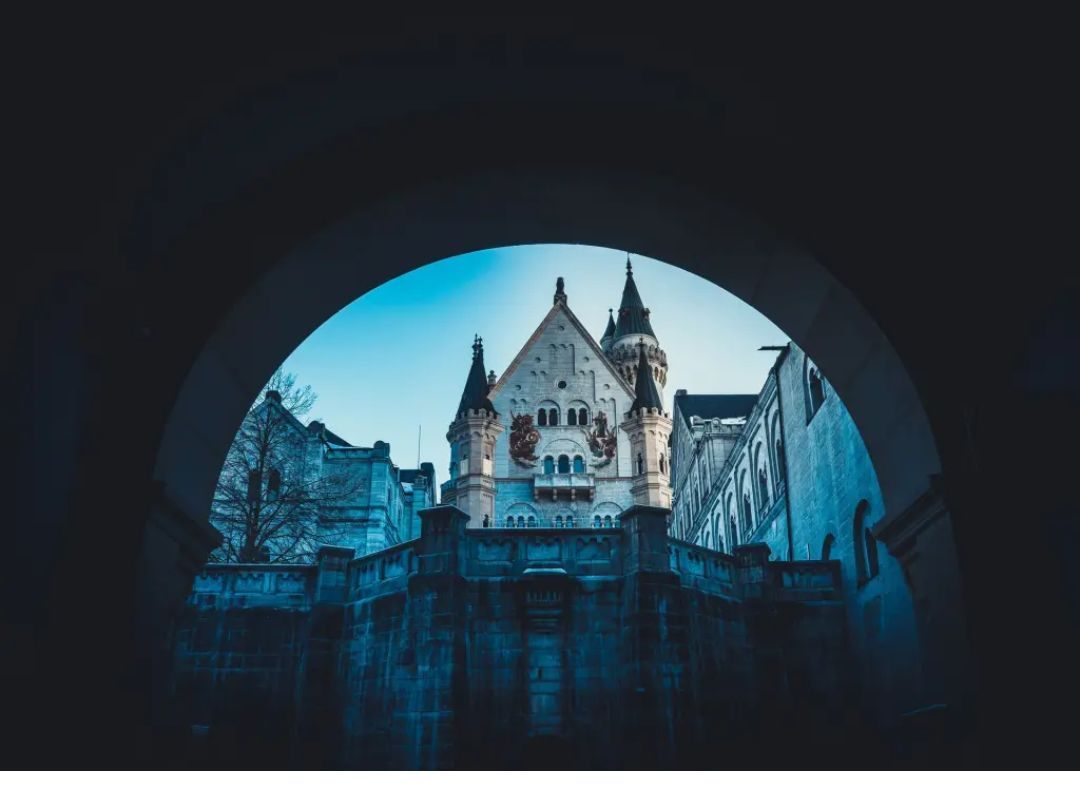
You can visit Hohenschwangau Castle for 21€ and Neuschwanstein Castle for 13€ (both with a 2€50 fee if bought on the official website).
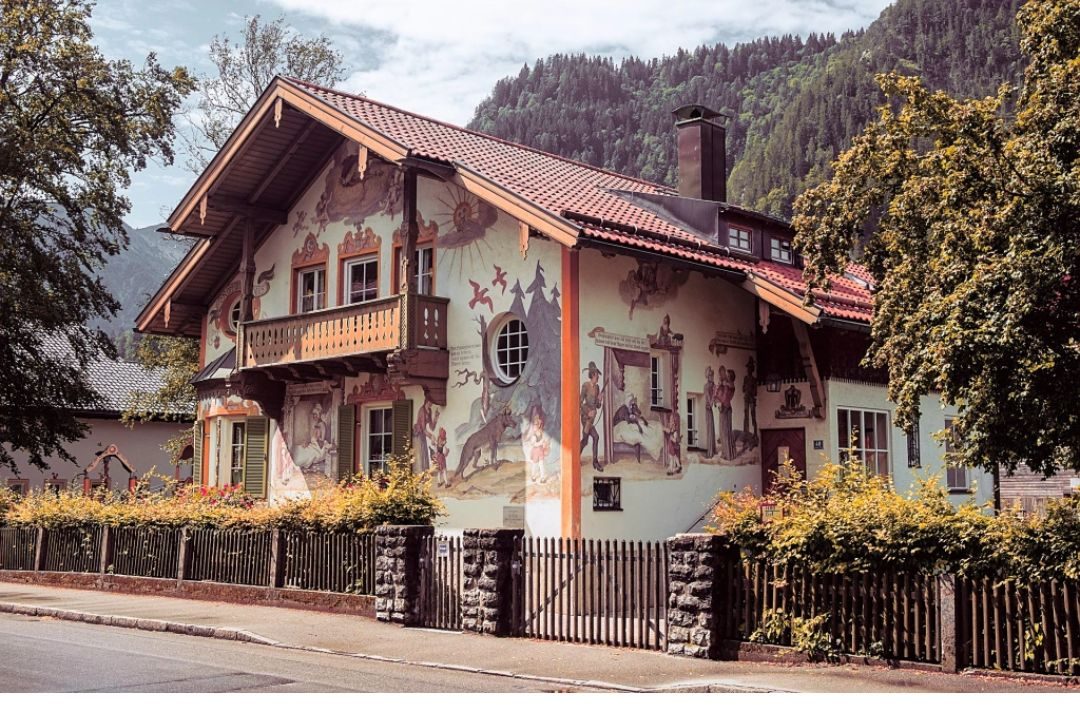
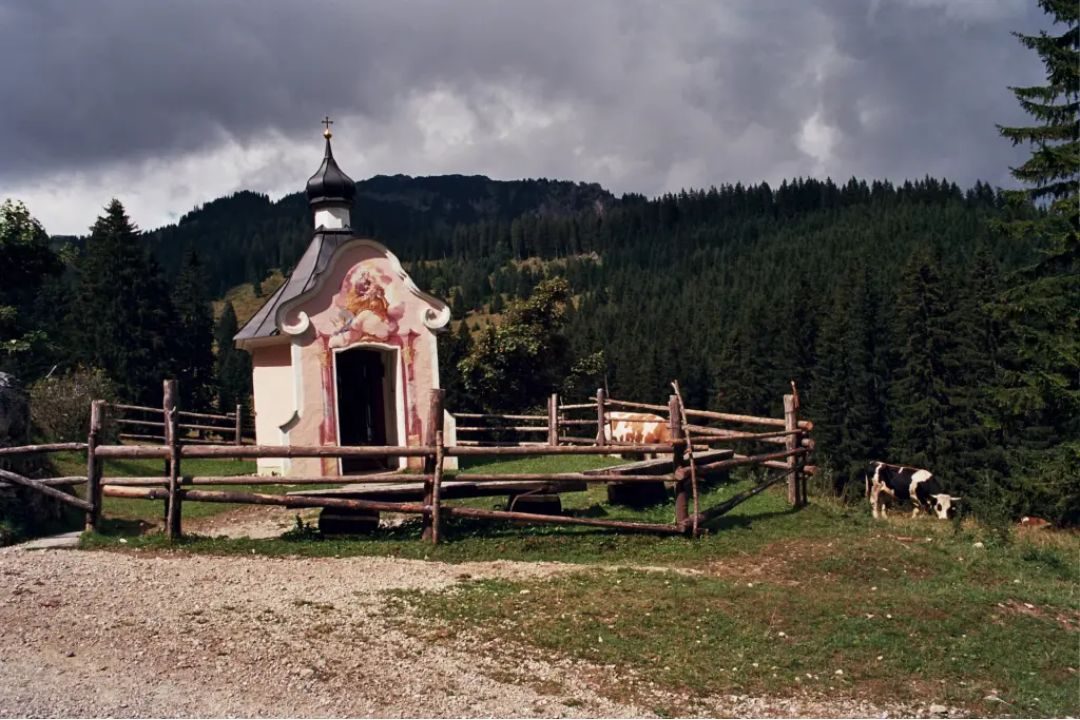
After exploring the Castles, both or just one, with or without visiting them inside, we’ll head to Oberammergau. This will be a 45-minute drive to one of the most beautiful little towns of Baviera. What makes it that beautiful are the wonderful paintings on the facade of several houses in the town. Oberammergau is also famous for their Oberammergau Passion Play, involving more than 2000 actors that will occur in 2022 and usually occurs only every 10 years (in the years that end in 0, except for 2020 because of the Covid outbreak).
Day 5 – From Eibsee lake to Munich

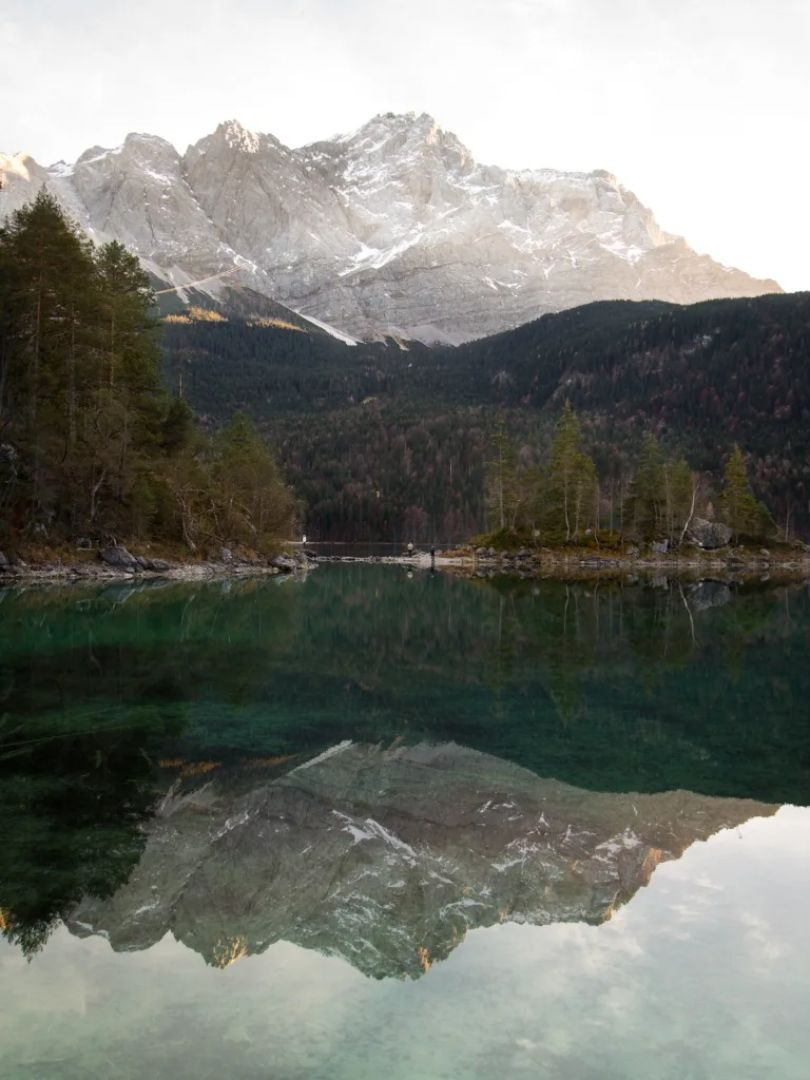
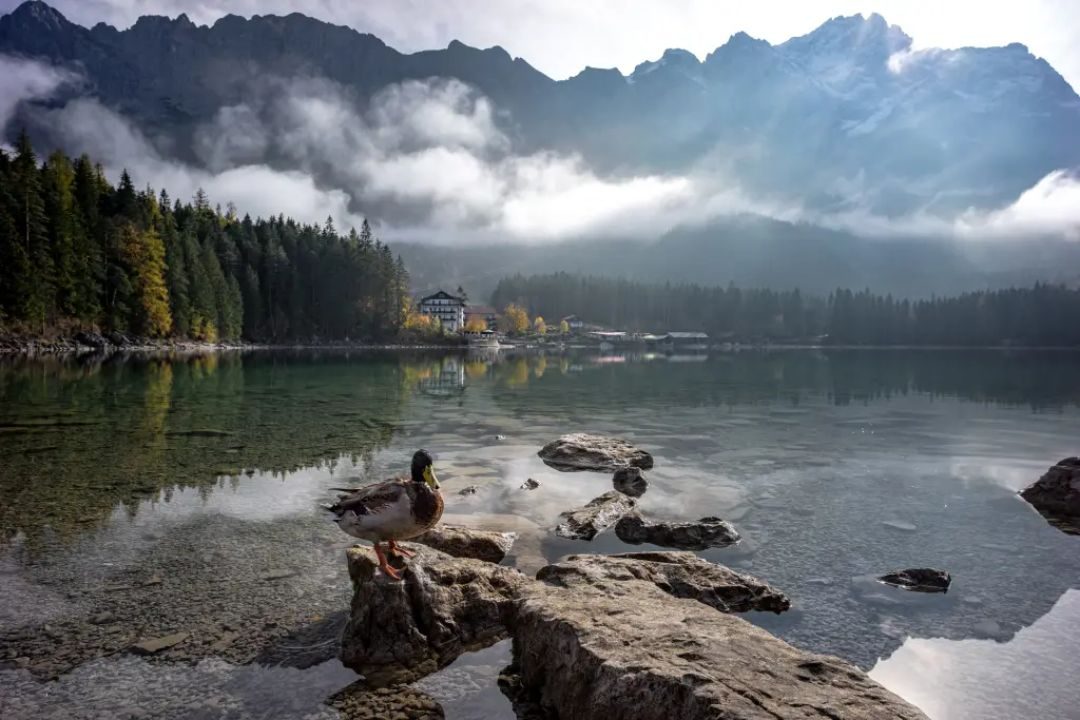
Independently of spending the night in Oberammergau or by the lake, the objective this morning is to appreciate a bit of the lake and even take a walk around it. The Eibsee lake has several trails that may take you more or less time to walk. Any of these trails is a good choice since it will give you beautiful panoramic views of the lake. Another option is to just enjoy the calm moments in the morning by the lake.
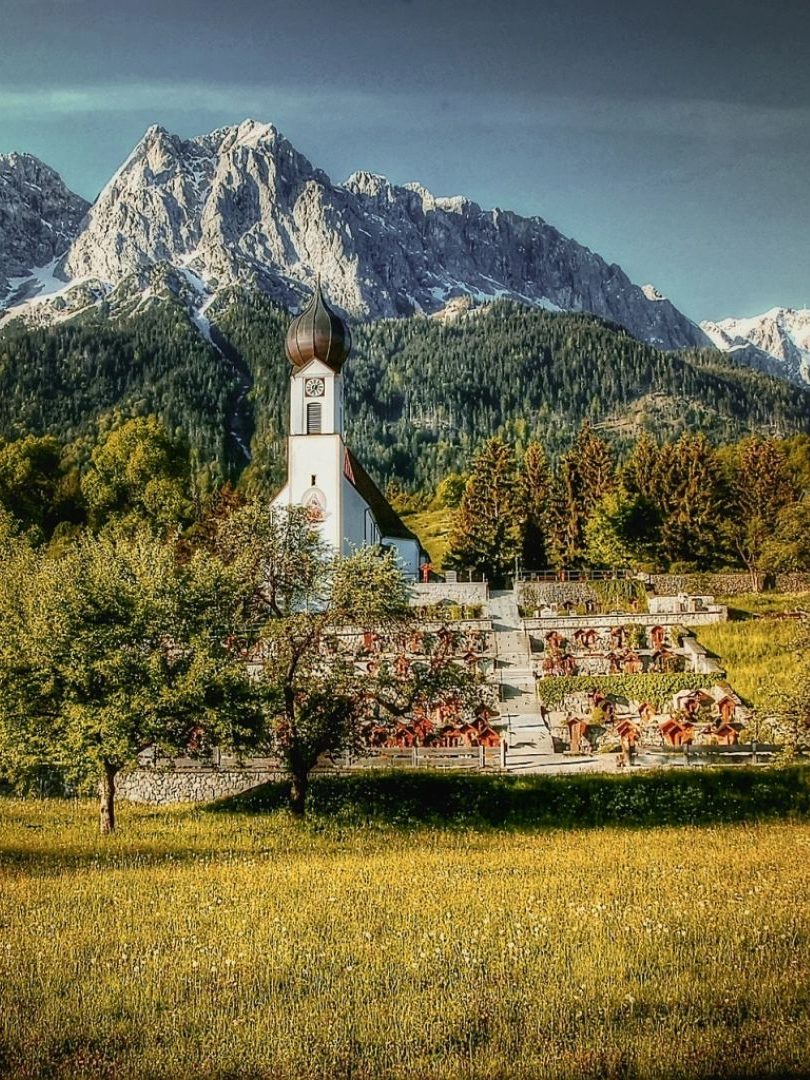
After this connection with nature, we’ll drive, for 10 minutes, to Grainau, close to the lake. Grainau is a village in Bavaria between the mountains and with a quite iconic church, the Kath. Pfarramt St. Johannes d. Täufer Grainau. Besides the wonderful views from the village, you can also explore the beauty of The Höllental Gorge and the Partnach Gorge.
The second gorge, the Partnach Gorge, is the next stop on this trip. We’ll hike through the gorge for around 3 hours (with many stops along the way), through the trail that crosses the Partnachklamm Gorge and goes back to the beginning via Mount Graseck.
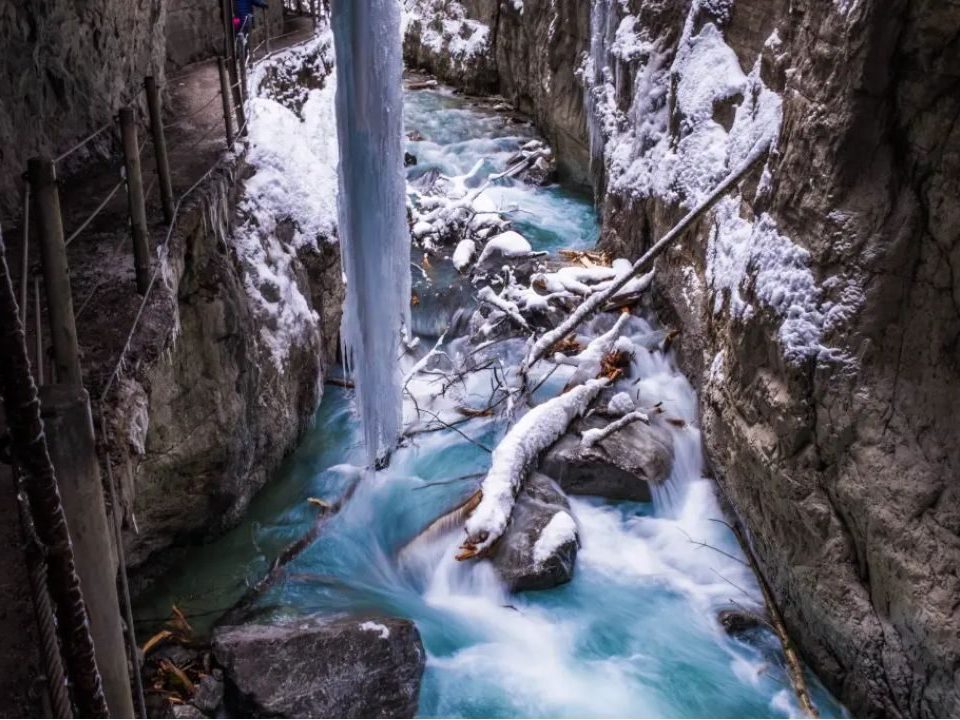
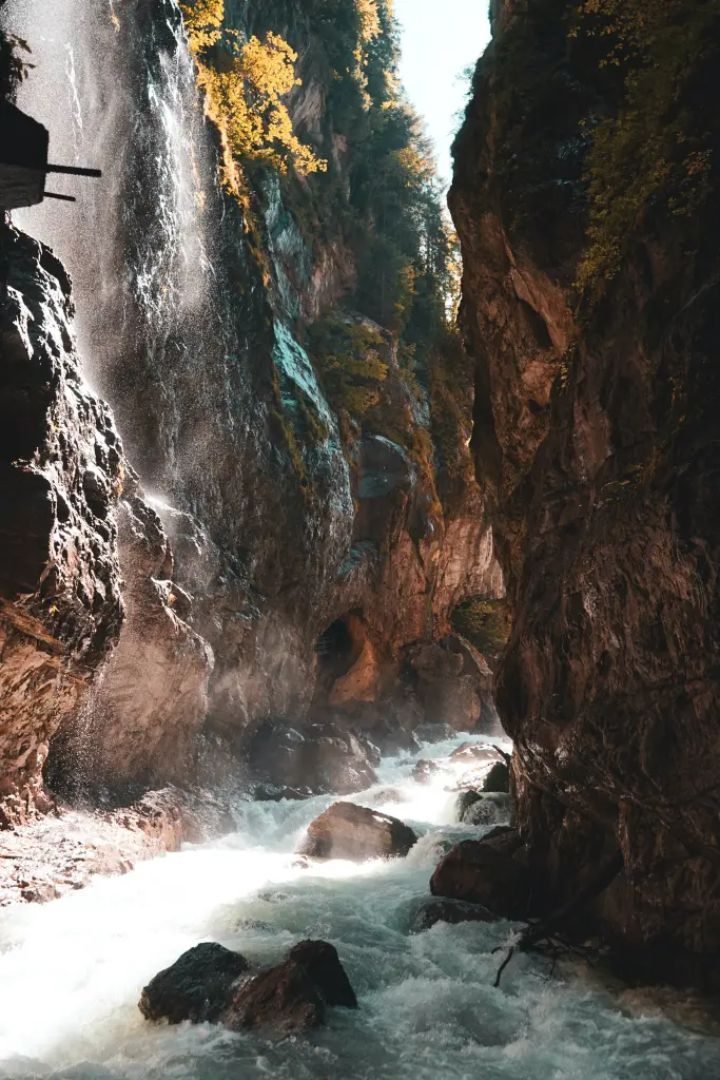
After this hike, we’ll drive for 30 minutes to get to Mittenwald. This is another one of the cutest little Bavarian villages. Just like in Oberammergau, here you can also see some beautiful paintings on the walls of the houses. In this town, you can also see another iconic church, the church of Saints Peter and Paul, with beautiful paintings, inside and outside.
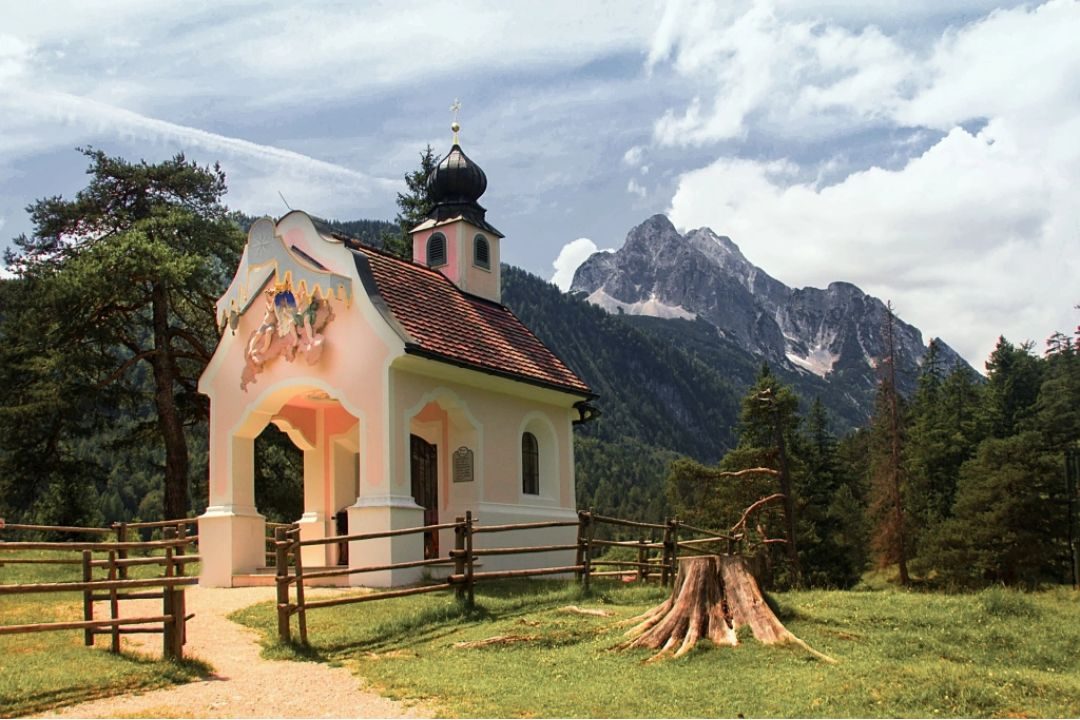
The last stop today in this South Germany road trip will be in Munich, 2 hours away from Mittenwald, where you’ll arrive at night but will explore tomorrow during the entire day.
Day 6 – Munich
Munich is the capital of Baviera, and on this 6th day of your South Germany Road trip, you’ll wake up in this beautiful city. This is the 3rd biggest city in Germany, with 6 million people and was mentioned for the first time in the 12th century, even though earlier settlements existed. Munich is extremely developed and has many museums, landmarks, and cultural places for you to explore. As a result, this incredible city deserves an entire day of exploration.
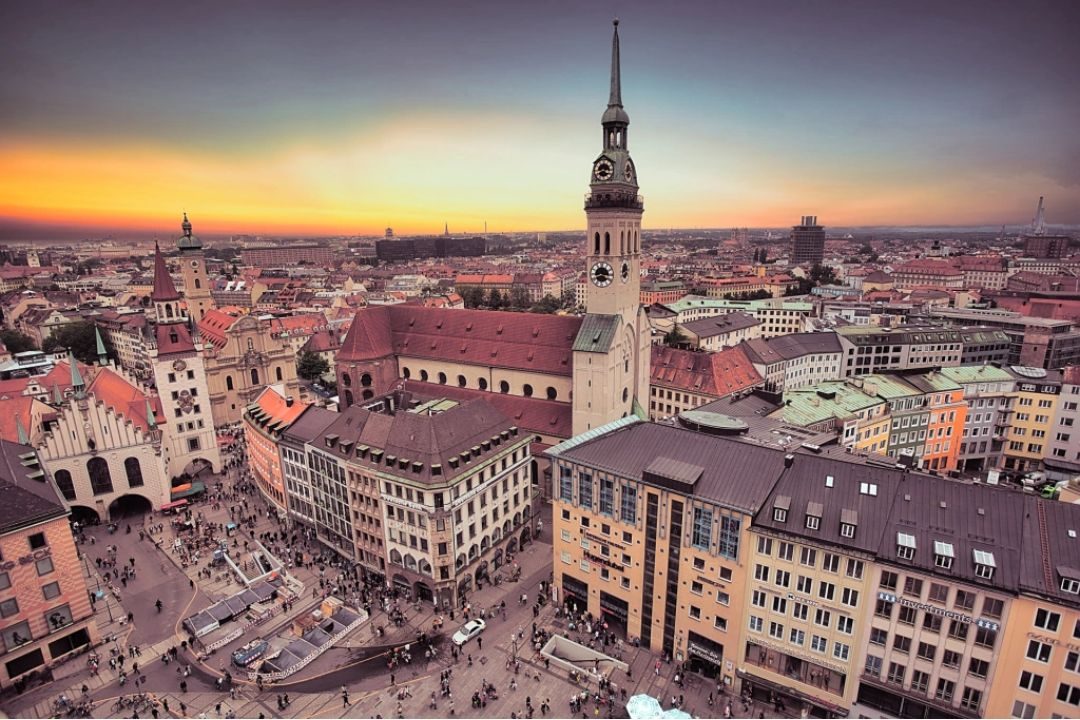
Munich has a mix of older and newer architecture because, even though most of the city was destroyed in the second world war, the historic buildings were reconstructed and the city rebuilt following the previous street grid of the city.
Some of the historic monuments that you can explore are those located in the inner city. In the centre of the inner city is the Marienplatz. In this square, you can see beautiful buildings, such as Neues Rathaus or the Fischbrunnen. Another famous historic building is the Munich Residenz, the residence of the Bavarian dukes between the 16th and 20th centuries.
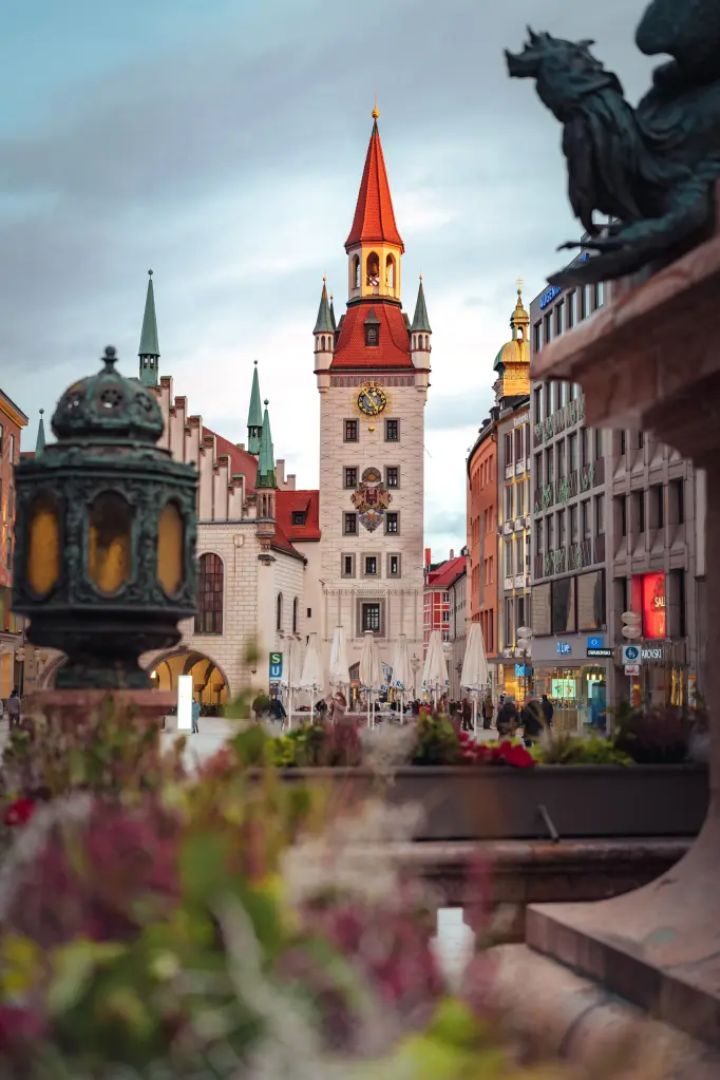
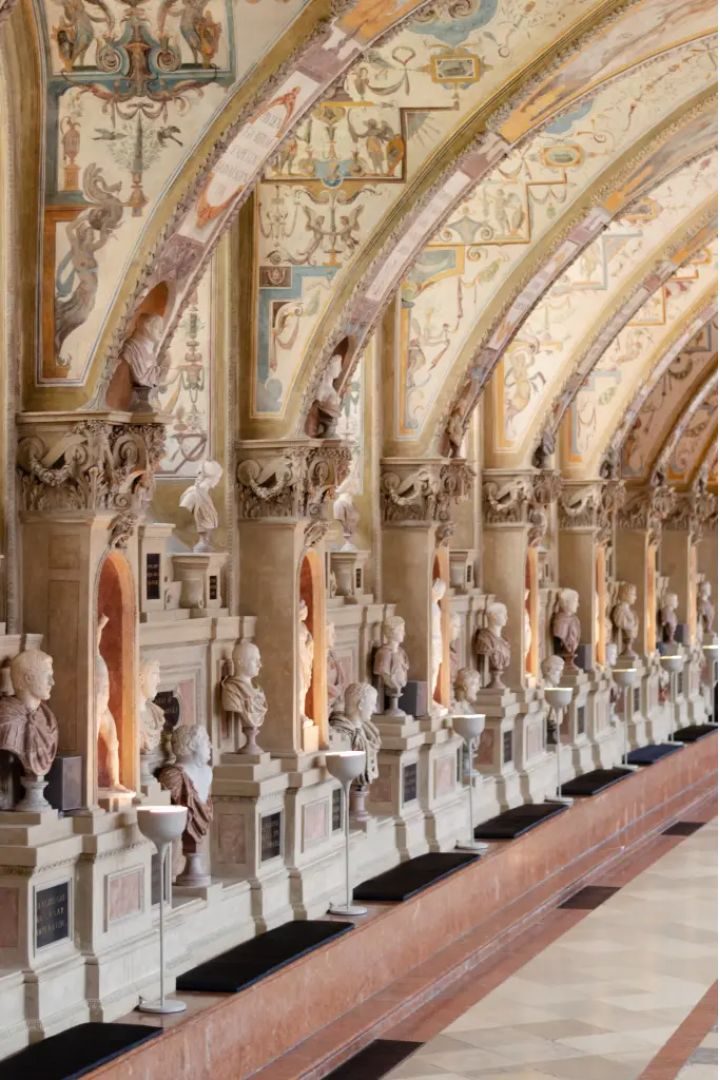
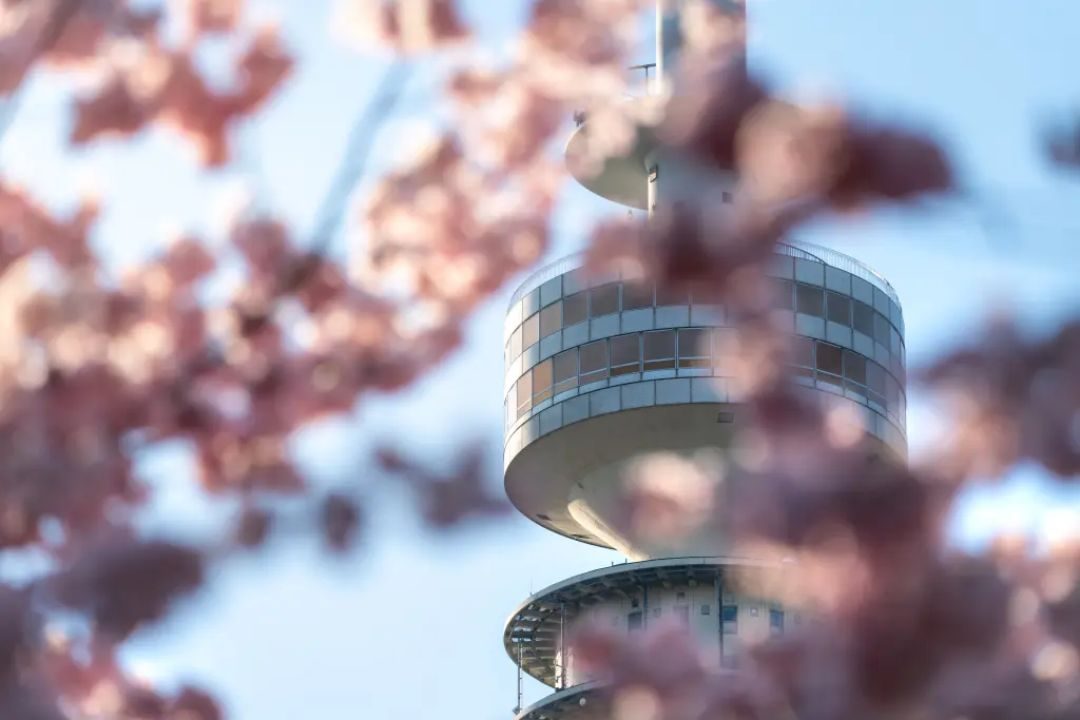
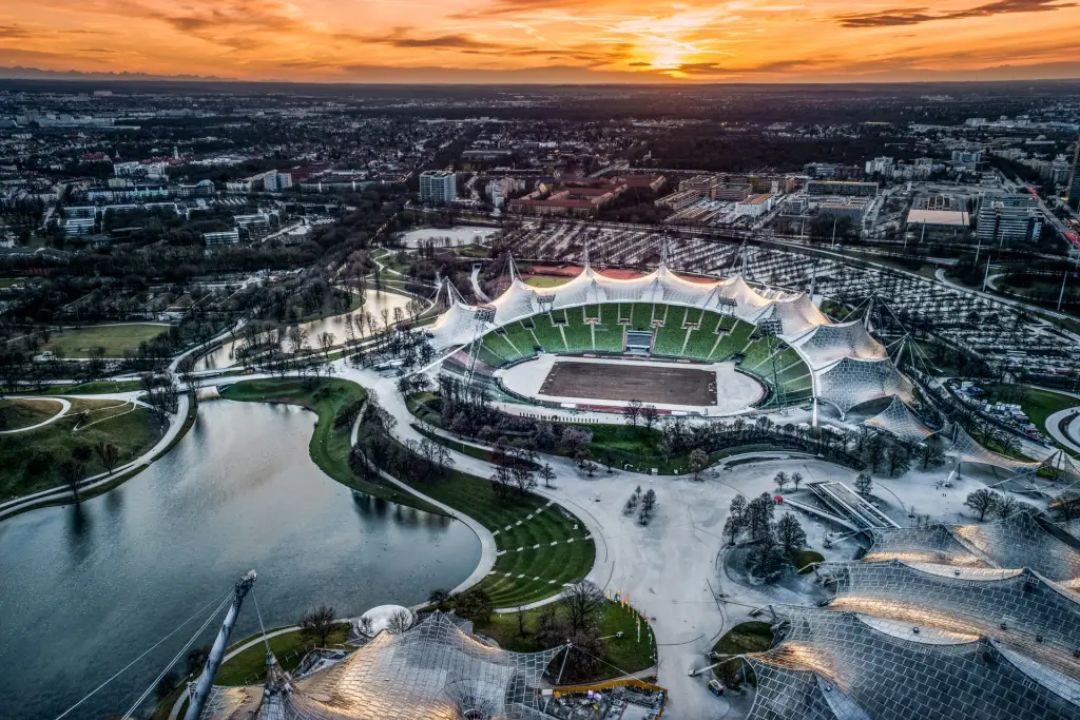
Munich is also well known for its churches and gardens that you can explore in the inner city and less central parts. Some of these churches are the Frauenkirche, Theatine Church or even the St Peter’s Church. Two of the most famous parks scattered around the city are the Olympiapark, where, in 1972, the Olympic Games were held, and the Englischer Garten, bigger than New York’s Central Park (370 vs 341 hectares).
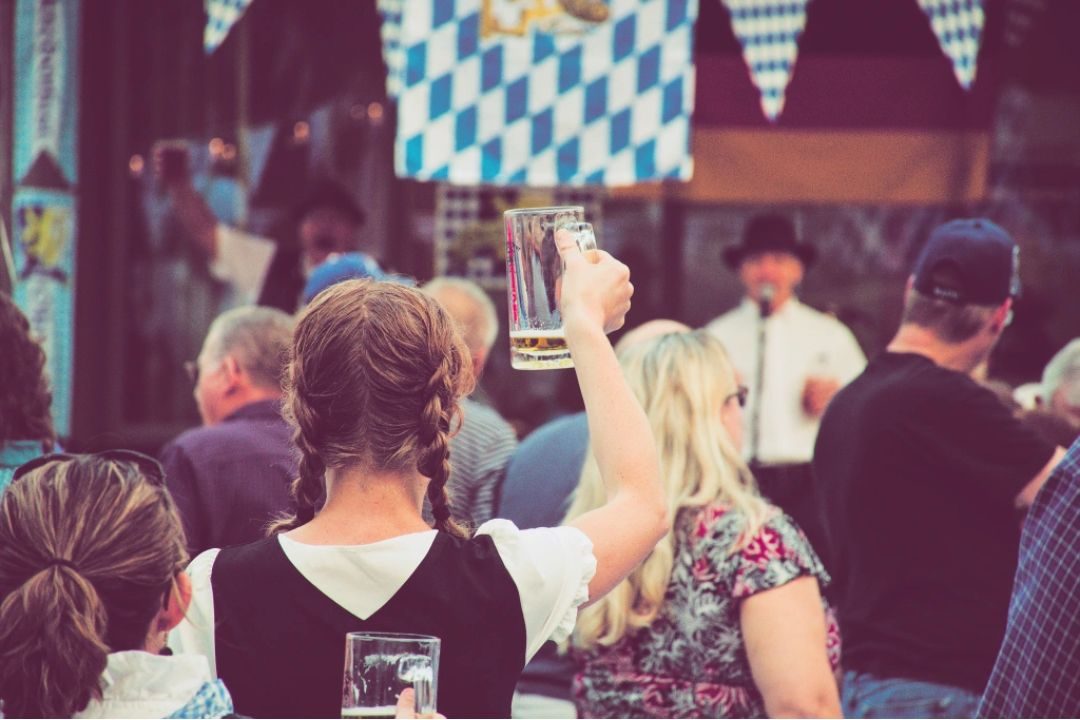
If you go to Munich during October, don’t forget to experience the Oktoberfest and all its attractions. This is the world’s largest beer festival and was created in the 19th century when King Ludwig I (reign: 1825–1848) married Princess Therese of Saxe-Hildburghausen. At this festival, you can drink a lot of beer and also see several people wearing traditional german clothes: Dirndl for women and Lederhosen for men.
Day 7 – Nuremberg

Next on this South Germany Road trip is a drive from Munich to Nuremberg. This 2 hours ride will take you to the second biggest city in the state. Between the two cities, you can also stop in Ingolstadt, located halfway between the two cities.
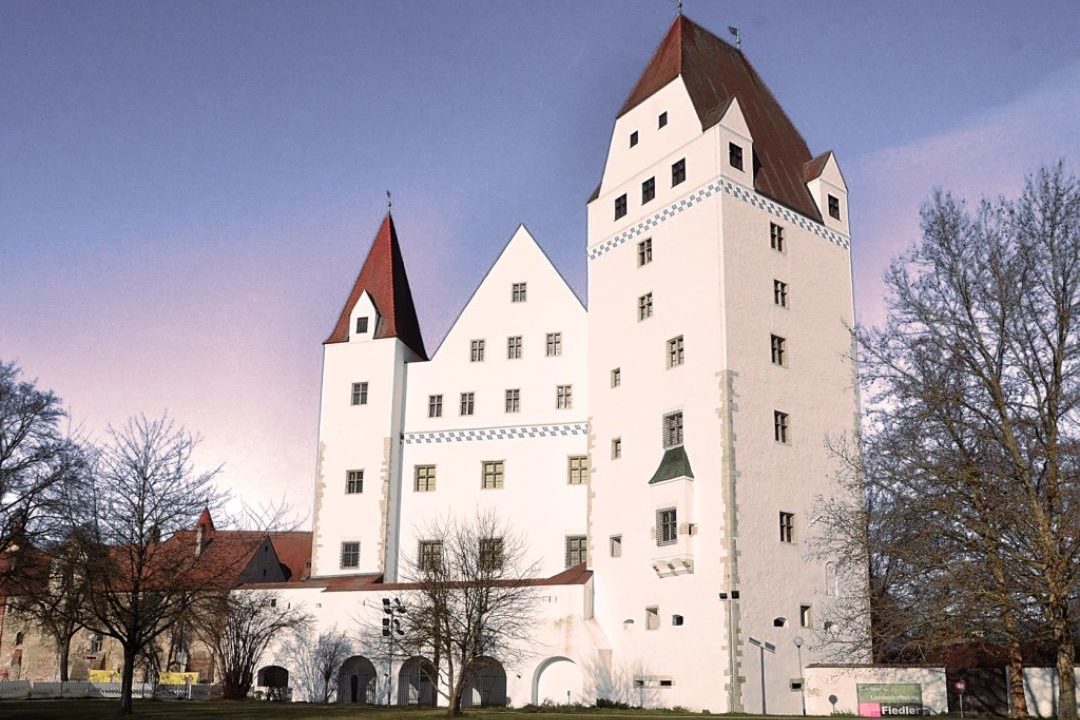
Ingolstadt is the city where the Illuminati were founded in the 18th century by Adam Weishaupt and where, in Mary Shelley’s novel Frankenstein, the monster is created. These facts, its history and the beautiful architecture make this city worth visiting.
Some of the well-known landmarks of Ingolstadt are the Audi Museum, the Kreuztor or the beautiful Asam Church Maria de Victoria.
After this stop, we’ll keep moving north, towards Nuremberg, where you’ll get one hour after leaving Ingolstadt.
Nuremberg is a city with an extensive history, being known as an important meeting point for the Nazis. Here they held the Nuremberg rallies, where Nazi propaganda was shared. The city was also heavily bombed during the second world war by the Allies and, after the war, the Nuremberg trials were held in the city. All of these facts show the importance of the city in 20th-century history. However, the history of this city dates far back, as can be seen in its medieval castle, from the 15th century.
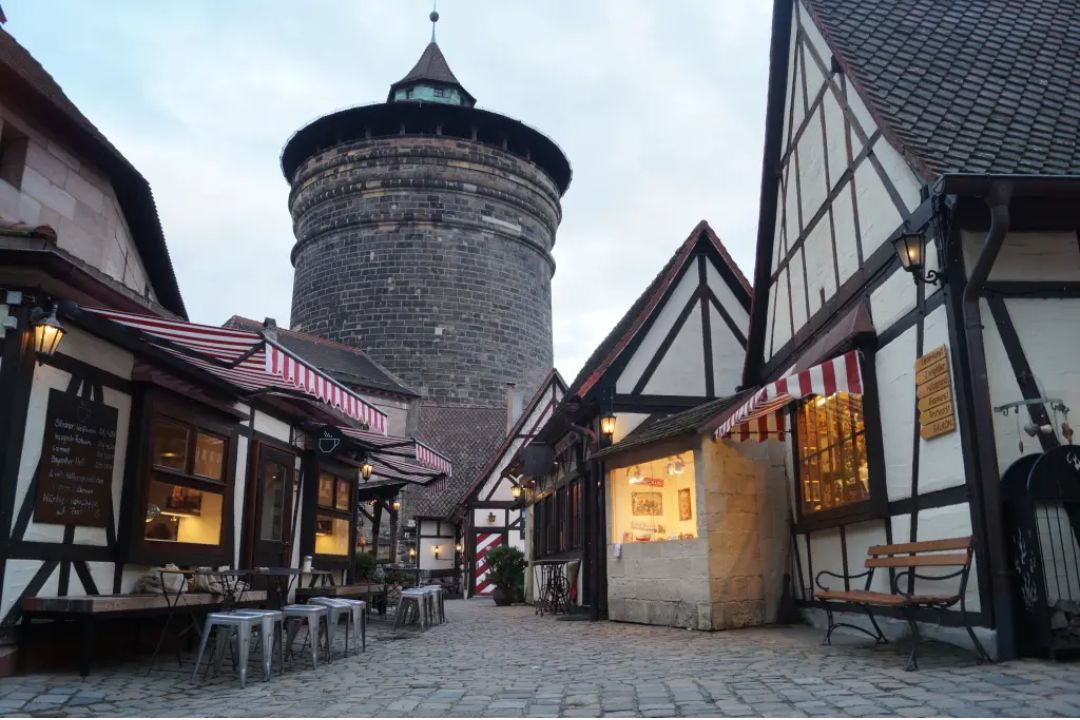
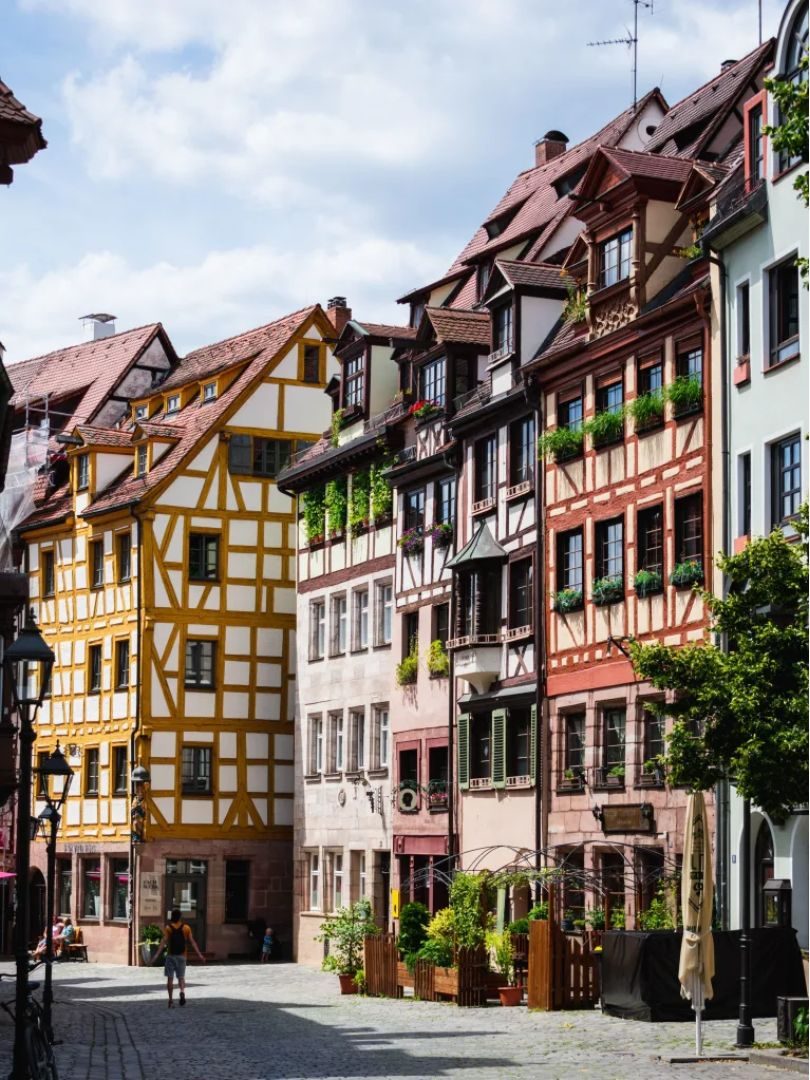
Even if you don’t want or don’t have time to explore the insides of museums or buildings, you can still enjoy the incredible architecture of the city, with colourful timber-framed buildings scattered around the city.
Day 8 – To Rothenburg ob der Tauber

From Nuremberg you can get to Rothenburg ob der Tauber in aroud 1 hour and 30 minutes. However, you can take the longer route and enjoy a couple of hours in Bamberg and Würzburg, which are beautiful cities that really deserve a stop.
Bamberg is less than 1 hour away from Nuremberg and is also known for its timber-framed buildings, in particular, those on the riversides and the Altes Rathaus. The old town of Bamberg is also considered a UNESCO World Heritage Site since 1993 because of its medieval architecture, more than 1000 years after its foundation.
The city is home to Europe’s largest intact old city wall. Bamberg was also the location of a famous witch prison in the 17th century when around one thousand people were killed for witchcraft practices.
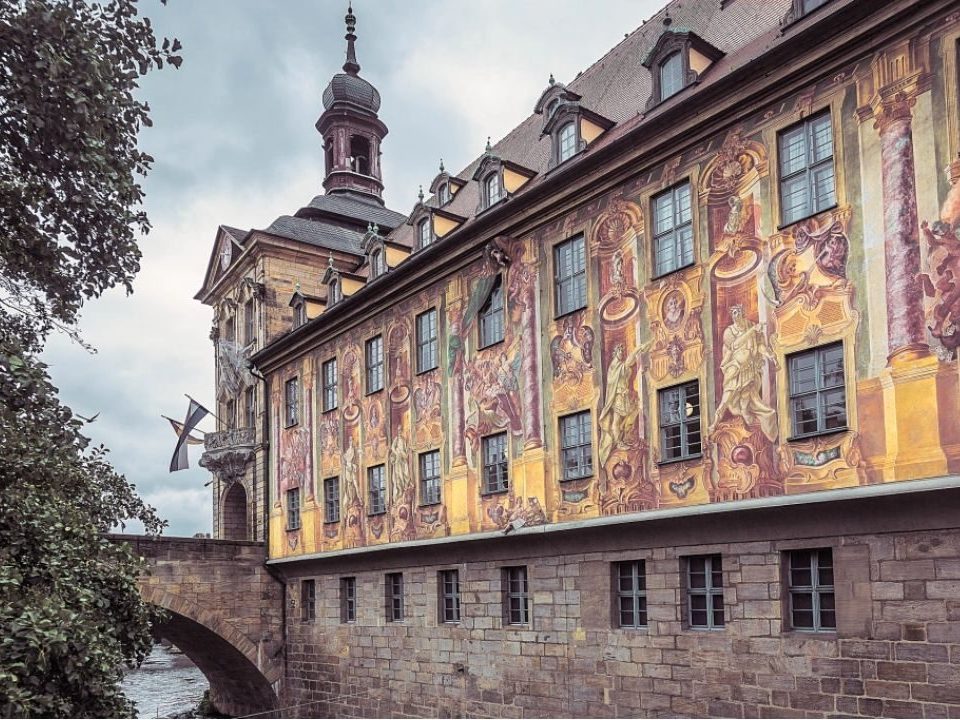
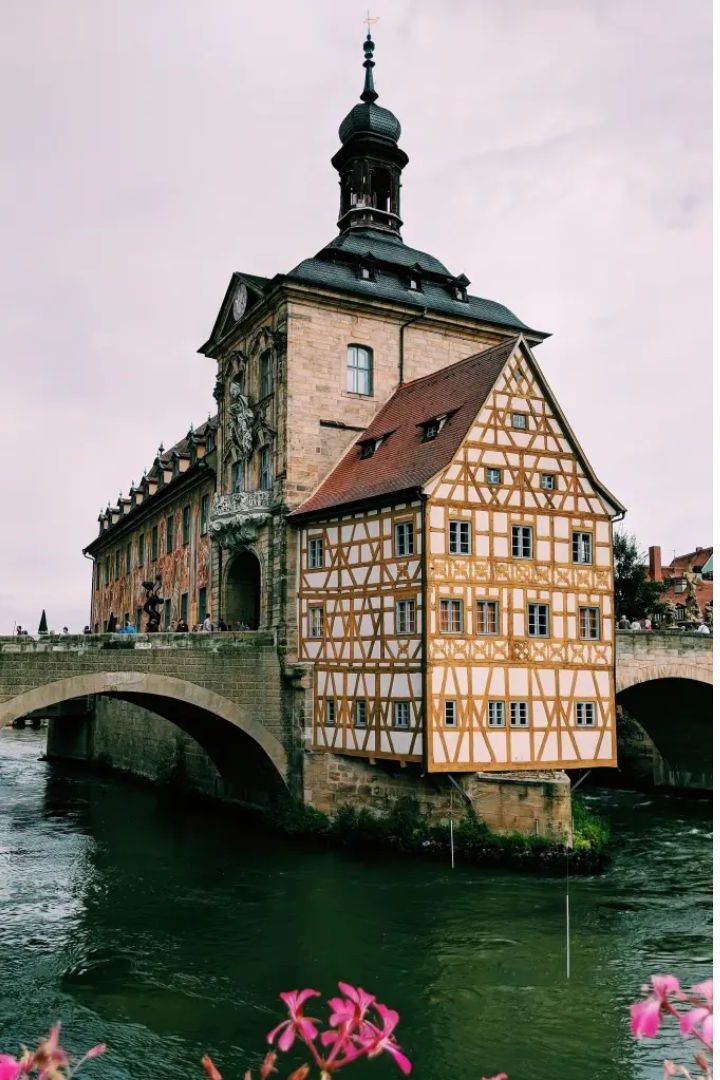
From this beautiful old town, you’ll keep driving west for around 1 hour to Würzburg. Just like in Bamberg, in Würzburg, around 1000 persons were burned during the Würzburg witch trials in the 17th century. In more recent years, a subcamp of the Flossenbürg concentration camp was located in the city. By the end of WWII, the city had been almost completely destroyed. This was especially a result of a bombing conducted by the British army in 1945 that, in 17 minutes, destroyed 90% of the city.
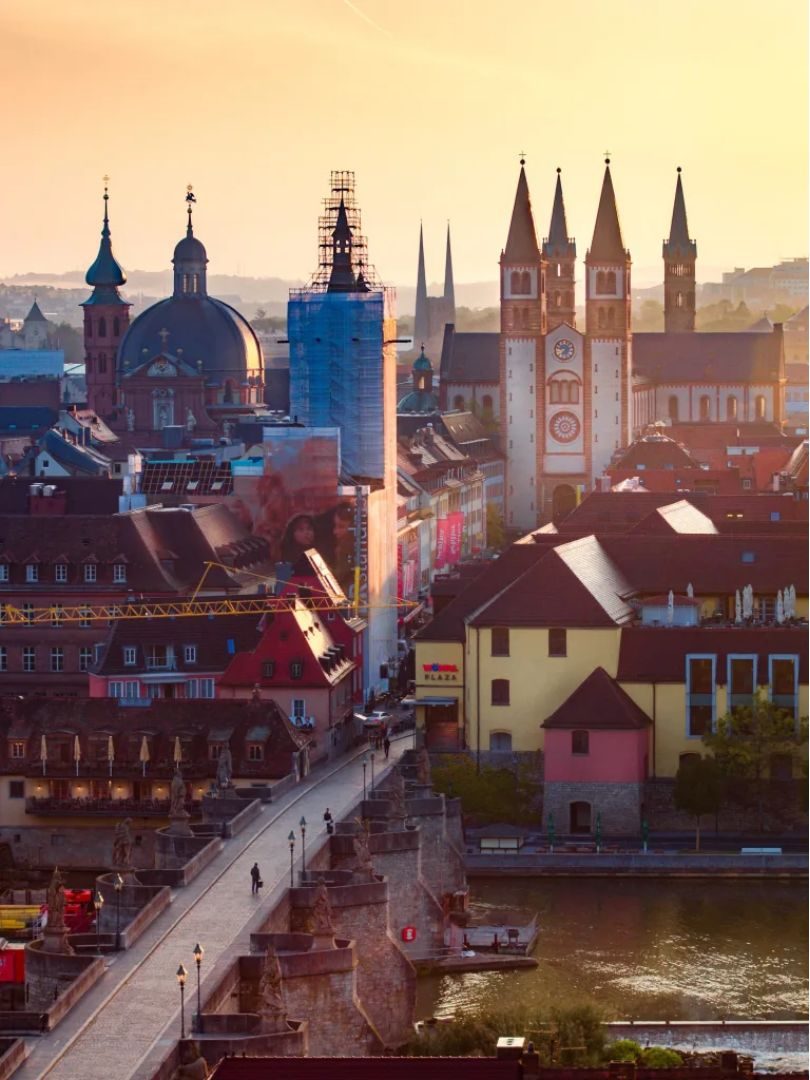
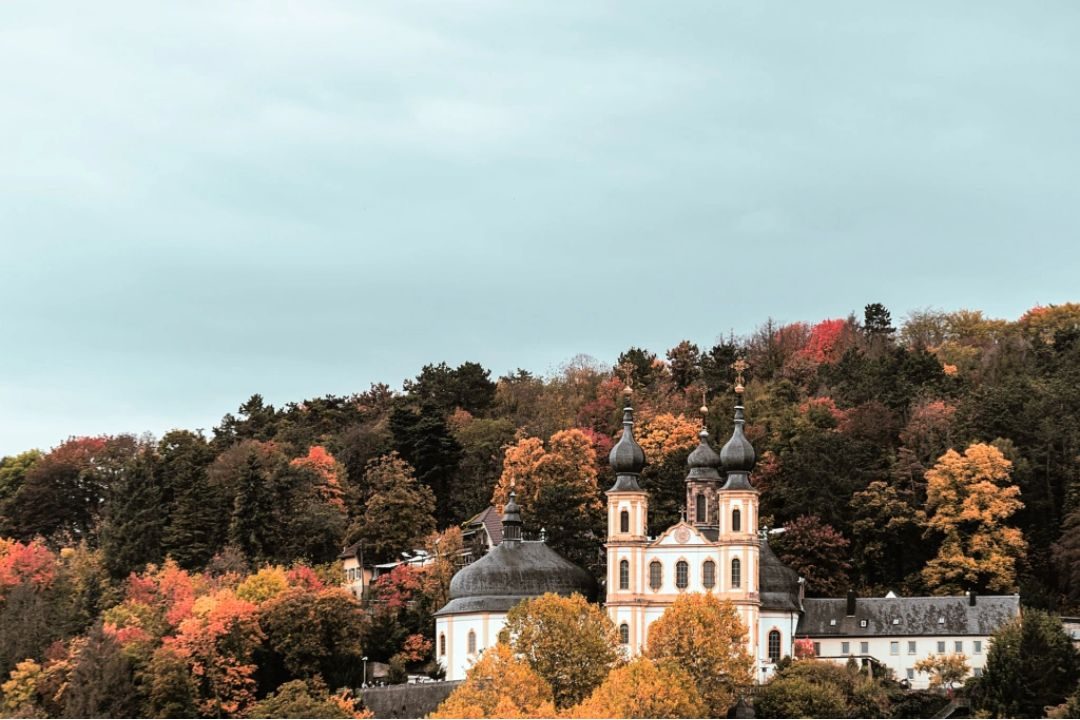
In Würzburg, one of the most famous landmarks is the Würzburg Residence, a baroque palace from the 18th century that in 1981 has been a UNESCO World Heritage Site. Besides this palace, you can also find other amazing buildings in the town such as the Falkenhaus, with its bright yellow rococo façade or the Festung Marienberg with its beautiful panoramic views of the city and its slopes with vineyards.
The last stop today will be Rothenburg ob der Tauber, 45 minutes away from Würzburg.
Rothenburg ob der Tauber is an extremely charming town, being the inspiration for the Disney movie Pinocchio. This city is famous for its well preserved medieval city centre, not having suffered as much from WWII as the previous towns. Because not all the town was destroyed but only around half of it, you can note the difference between original and reconstructed buildings (because the reconstructed ones have fewer details).
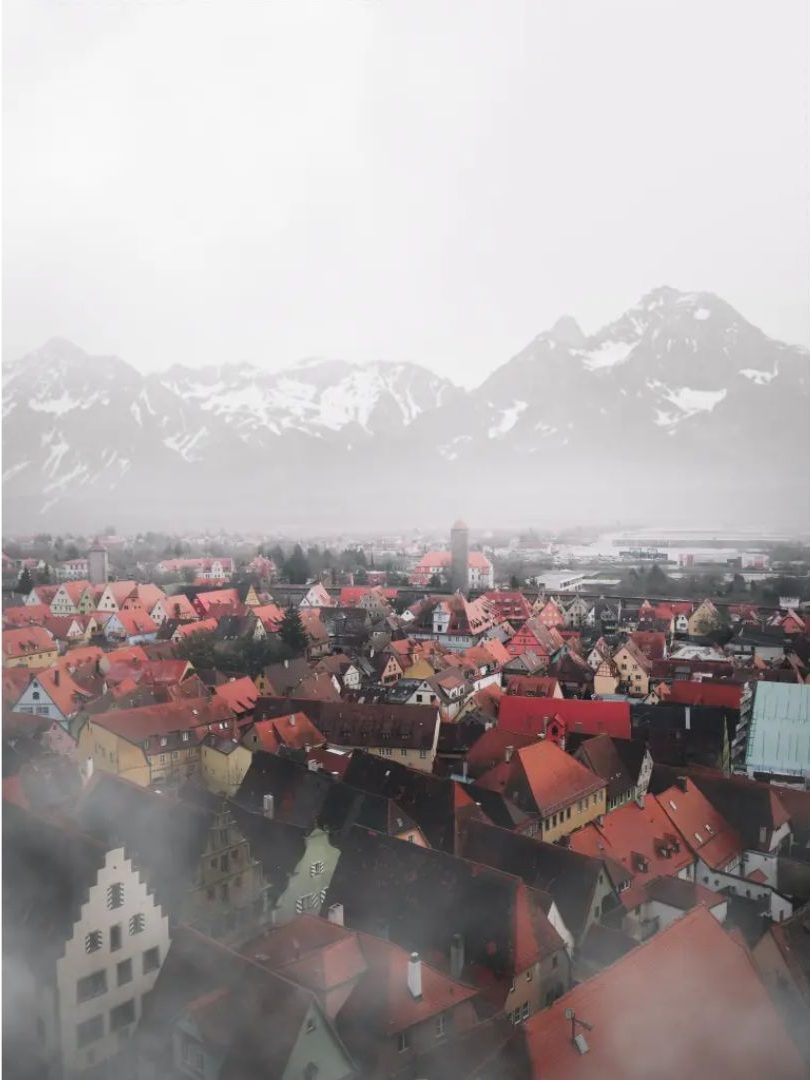
This town is also one of the most well-known stops of the Romantic Road because of its fairytale-like atmosphere.
Day 9 – Back to the beginning
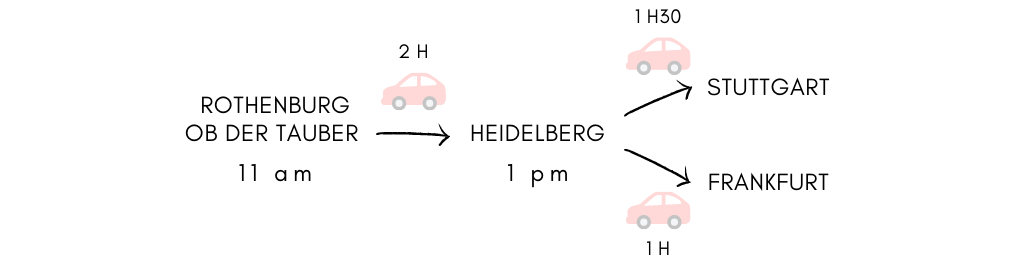
On this last day of this south Germany road trip itinerary, you’ll go back to the beginning, to Baden-Württemberg and Stuttgart or Frankfurt. However, we won’t just drive the 2-hour directly to Stuttgart or Frankfurt. We’ll do one last stop in the city of Heidelberg, 2 hours away from Rothenburg ob der Tauber, 1h30 from Stuttgart and 1 hour away from Frankfurt.
Heidelberg is a well-known university town, being its population composed of a large percentage of students. Heidelberg University is the oldest university in Germany and one of the most prestigious in Europe, dating from the 14th century. The city was also designated a “City of Literature” by the UNESCO Creative Cities Network.
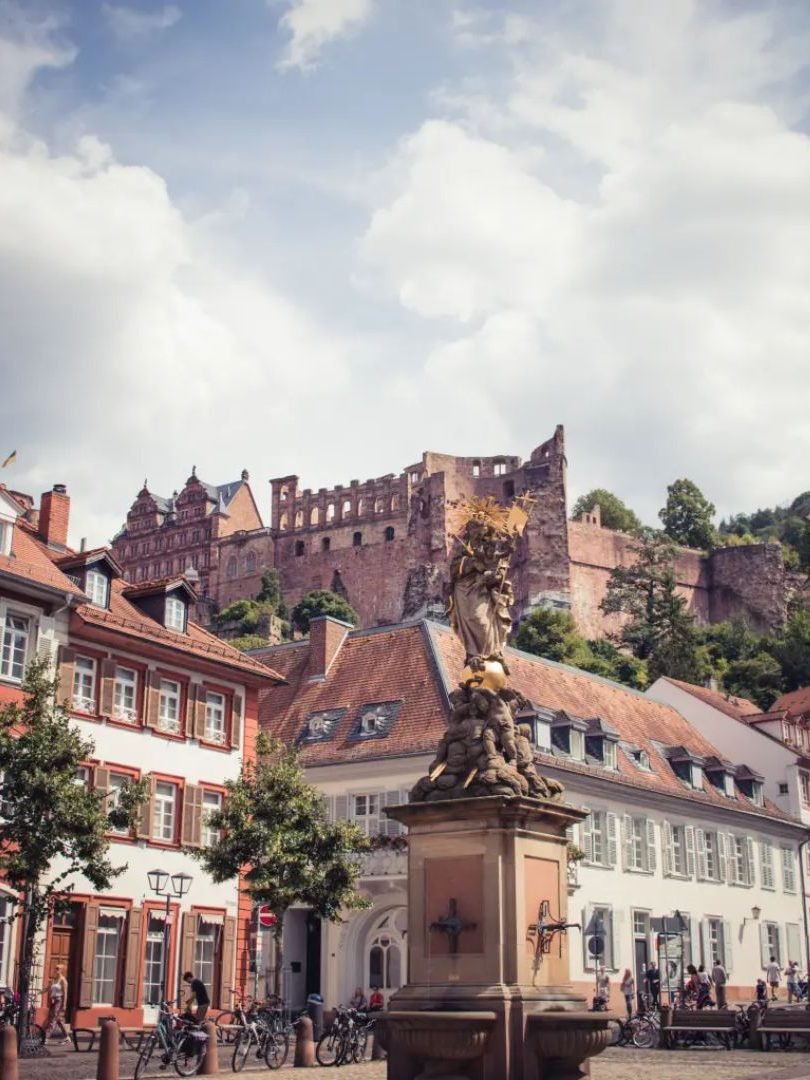
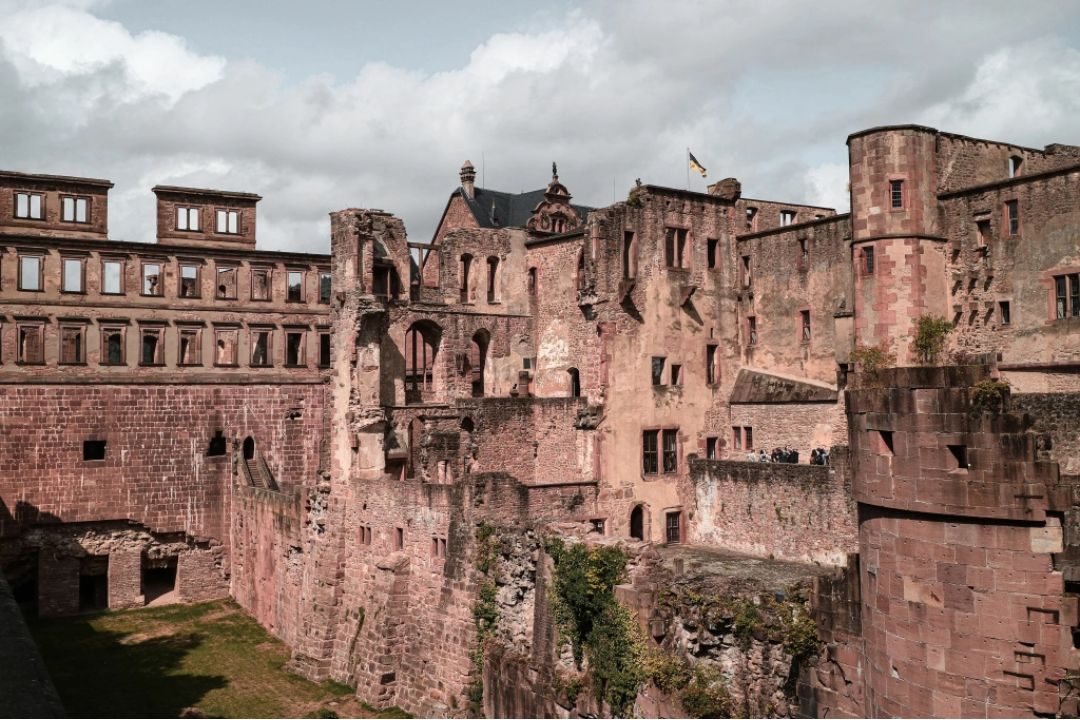
Heidelberg is also known for its baroque old town and the ruins of its castle, demolished centuries ago and only partially reconstructed. An interesting fact about the castle is that it was struck, not by one, but by two lightning bolts that partially destroyed it.
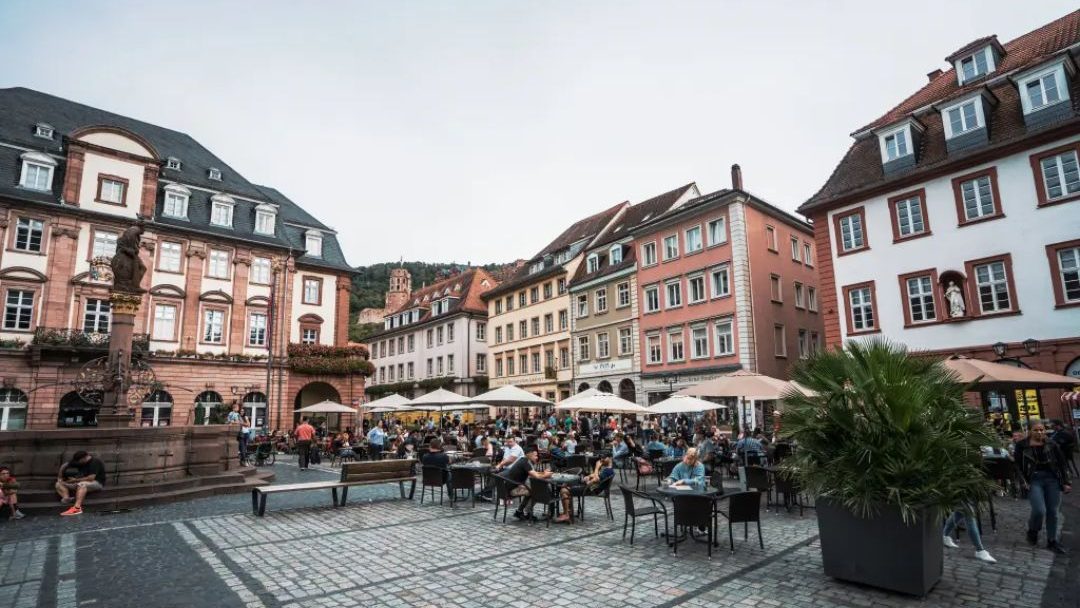
Along the river, you can also walk the Philosophers’ Walk, where philosophers and professors used to walk too. Another famous landmark is the Old Bridge, constructed in the 18th-century and lined with statues of historic German figures.
After this stop, it’s time to go back home, through Stuttgart or Frankfurt airports and remember all the adventures and views that you experienced in this south Germany road trip.
In case you are wondering, all these pictures were taking with the following equipment:
- Canon EOS 90d
- Samsung SD card
- Canon EF 50mm F1.8 STM
- Canon EF-S 55-250mm F/4-5.6 is STM
- Canon EF-S 10-18mm F/4.5-5.6 IS STM
- K&F Concept K-Serie 67mm ND Filter
- Samsung Galaxy A52 5G
Older posts
Rainbow Mountain in Peru: How to Prepare for This Epic Hike
Learn how to prepare for the Rainbow Mountain hike in Peru. From altitude tips and gear to trail insights, discover how to fully enjoy this breathtaking Andean adventure.

The Sacred Valley of the Incas: Ollantaytambo, Moray & More
A short way from Cusco you’ll find what is known as the Sacred Valley. When driving through this region, you’ll see beautiful snow-capped mountains, inca terraces, and ancient ruins – that some argue even more impressive than Machu Picchu. Typically, the Sacred Valley is just a stop on the way to Machu Picchu, but it…
Explore Paracas, Ballestas Islands & Huacachina in 2 Days – Coastal Peru Trip
Experience the best of Peru in just 2 days from Lima! Visit Paracas’ wildlife-filled cliffs, taste authentic Pisco at a vineyard, and get your adrenaline fix with dune buggy rides and sandboarding in the stunning Huacachina Oasis.
 MORNING BIRD TRAIL